
Used 2011 Trucks For Sale
Explore used 2011 trucks, tractors and box or reefer units, with insights on floor strength, thermal integrity, tare weight and corrosion resistance.
Learn more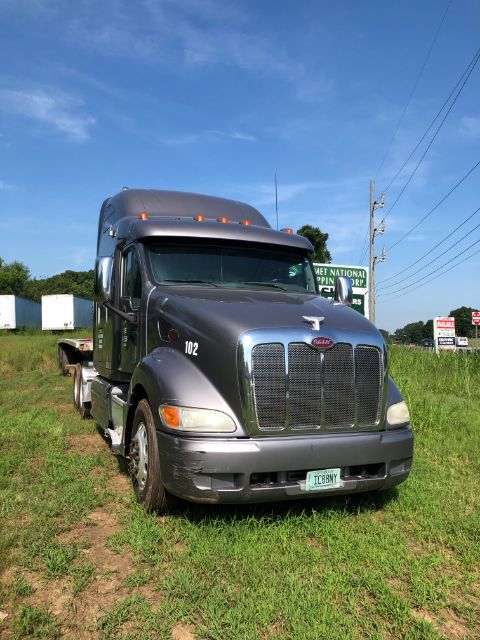
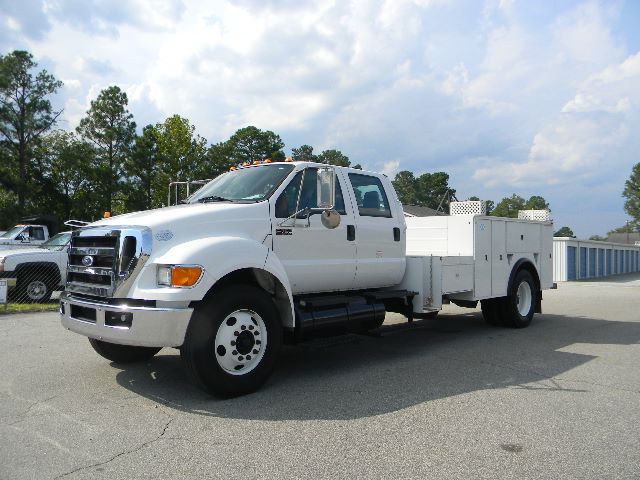
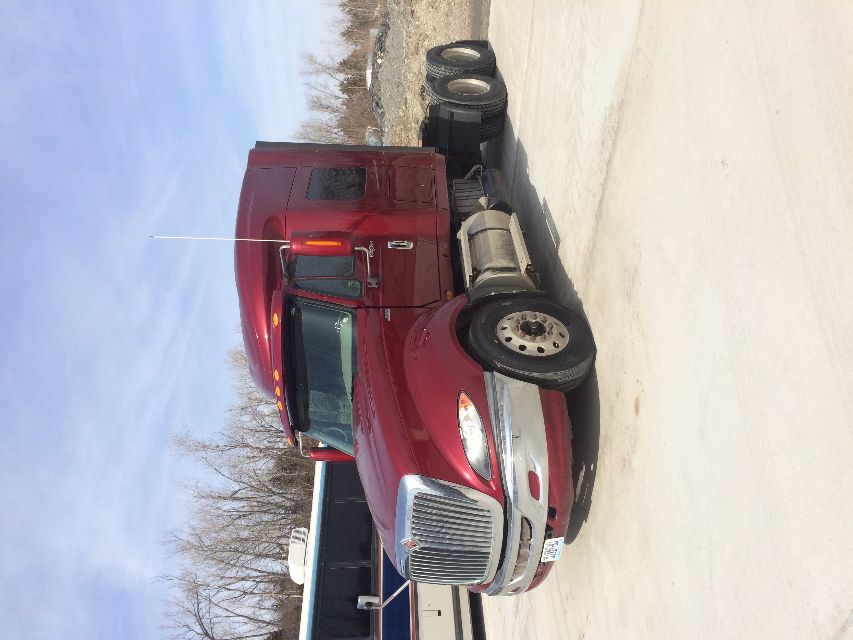
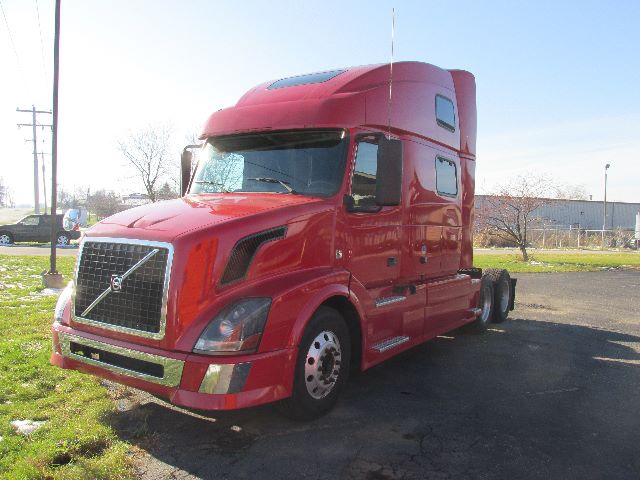
Showing 73 to 76 of 76 results
Have used 2011 truck to sell? List it here to reach thousands of buyers.
About Used 2011 Trucks
Tare weight and corrosion resistance determine how much revenue weight you can legally move and how long the chassis stays tight. Aluminum wheels, smaller fuel tanks sized to route length, and 6x2 axle configurations, where equipped, trim pounds; heavy frame rails, full lockers, and larger sleepers add durability and comfort, but cost payload. Inspect frame rails for scaling at suspension hangers and fifth wheel brackets, look at crossmembers, cab mounts, and battery boxes for rust or cracking, and check aluminum cabs for galvanic corrosion where steel hardware meets aluminum panels. Stainless steps, composite fairings, e-coated frames, and sealed electrical connectors resist corrosion better in brine states.
For straight trucks with van or reefer bodies, floor strength and thermal integrity drive uptime and cargo protection. Hardwood plank or laminated floors with 12 inch crossmember spacing are typical, heavy duty specs close spacing to 10 inches or use high tensile aluminum crossmembers. Look for aluminum or stainless rear thresholds, full height scuff liners, and durable logistics posts to keep walls straight under pallet impacts. Reefer bodies from this era use foam-in-place insulation, tight door seals, and aluminum duct or T floor designs to balance airflow and cleanability; verify the box holds temperature without wide swings, and assess reefer hours, maintenance logs, and controller fault histories.
Trade offs are clear, lighter trucks deliver more payload and better fuel economy, heavier specs deliver longer life on rough routes and in bulk or vocational use. A clean 2011 tractor with documented aftertreatment care can be a strong value if gear ratio matches your cruise speed and terrain, aim for RPM near the engine’s torque peak at highway speed. A 2011 box or reefer truck with a straight floor, intact scuff liners, tight doors, and dry walls will load faster and protect cargo longer, and corrosion free chassis components will keep alignment true and suspension bushings working as designed.
Frequently Asked Questions
What emissions equipment is on most used 2011 trucks and what should I inspect?
Most 2011 trucks use a DPF with active regeneration, SCR with DEF, and EGR. Review service records for DPF cleanings or replacements, inspect DEF tanks and lines for crystal buildup, verify the DEF dosing unit and NOx sensors operate correctly, and scan the ECM for inactive and active fault codes. Warm idle quality, clean regen history, and stable exhaust backpressure indicate a healthy aftertreatment system.
How does tare weight vary on 2011 tractors and how does it affect payload and MPG?
Spec choices drive weight. Aluminum wheels, smaller tanks, air ride singles, and lightweight fairings can trim hundreds of pounds, while heavy frame rails, full lockers, and large sleepers add weight. Lower tare weight increases legal payload and typically improves fuel economy, but do not under spec frame rail section modulus or suspension capacity for your route and trailer weight.
What should I look for in floor strength on a 2011 box or reefer truck body?
Check crossmember spacing, 12 inch is standard duty and 10 inch is heavy duty, verify plank thickness or aluminum extrusion integrity, and examine the rear threshold and nose for impact damage. Longitudinal cracks, loose fasteners, or soft spots indicate moisture intrusion. Full height scuff liners and well anchored logistics tracks reduce wall damage and keep floors from racking under pallet loads.
How do I evaluate thermal integrity on a 2011 reefer body?
Confirm the unit pulls down to setpoint and holds under a door closed soak test, then check door seals, hinge alignment, and drain integrity. Inspect for foam delamination, light leaks at corners, and damaged duct or T floor sections that restrict airflow. Review reefer hours, service intervals on belts and alternators, and ensure the controller shows normal discharge and return air deltas at load.
Where are the common corrosion hot spots on 2011 trucks?
Focus on frame flanges near suspension hangers, fifth wheel brackets, crossmember ends, cab mounts, battery and DEF boxes, and rear threshold hardware on straight trucks. Look for blistered paint, pitting, and swollen fasteners. Aluminum cabs resist rust, but watch for galvanic corrosion where steel hardware contacts aluminum; stainless trim, e-coated frames, sealed wiring, and composite fairings improve long term resistance.