
Used 2011 Service/Utility Trucks For Sale
Browse used 2011 service and utility trucks, including mechanic bodies, work trucks, and field-service units with common specs and buyer tips.
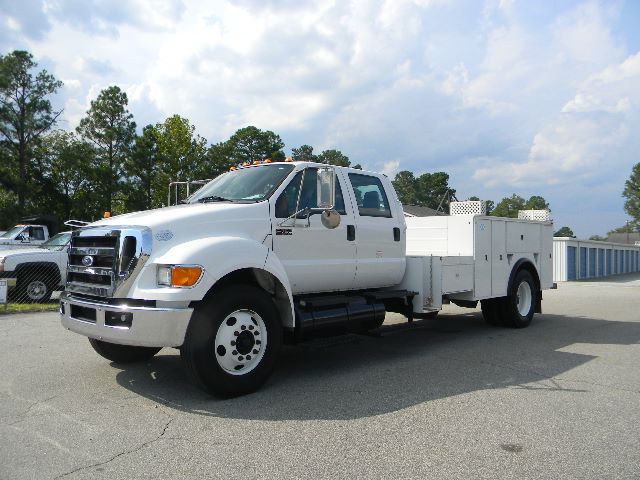
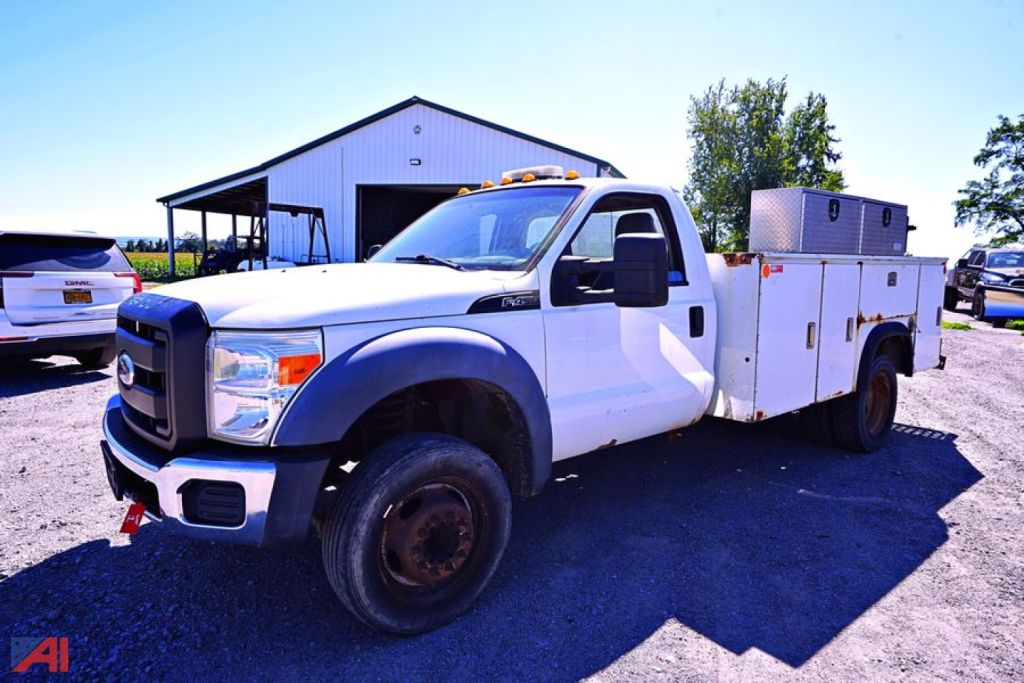
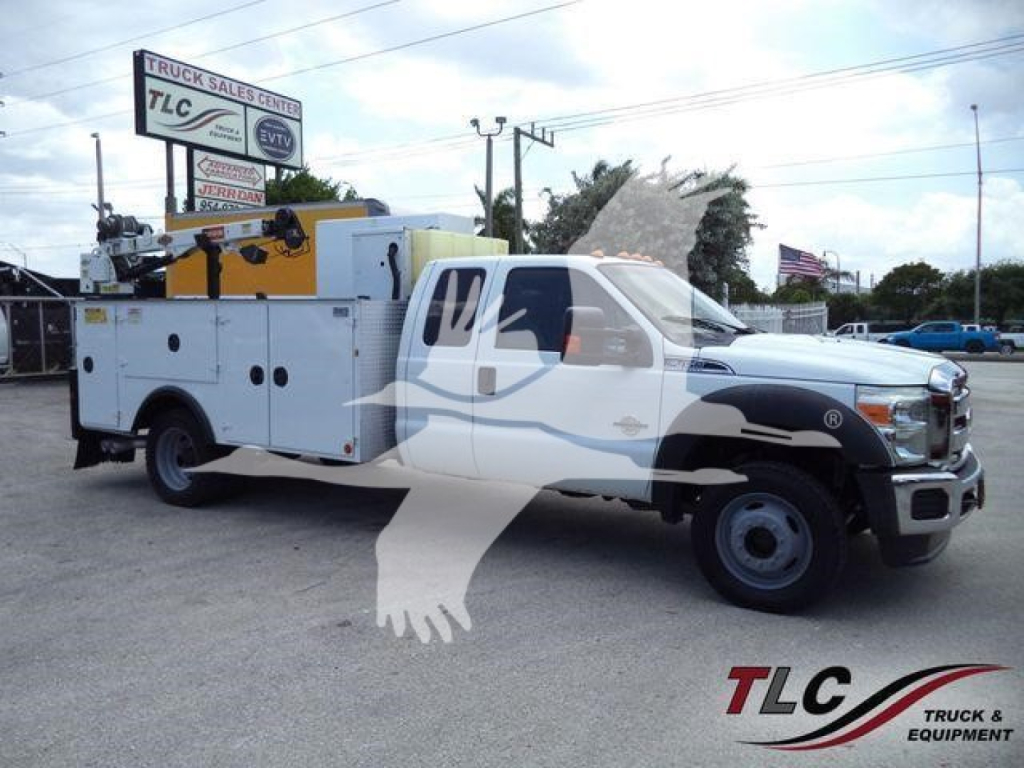
Selling a used 2011 service/utility truck? List your used 2011 service/utility truck for sale and reach thousands of commercial buyers.
Used 2011 Service/Utility Trucks
The first buying decision is usually chassis size and GVWR. A lighter 3/4-ton or 1-ton service truck works well for electricians, plumbers, telecom crews, and general contractors who need secure compartments and moderate payload without stepping into CDL territory. A Class 4 or 5 truck offers more body capacity, stronger rear axle ratings, and better support for fuel tanks, welders, and heavier tooling. Medium-duty 2011 service trucks are often chosen for municipalities, utility fleets, and field mechanics because they carry larger bodies, taller compartment packages, and crane or lift equipment more comfortably. Diesel engines are common in the heavier units, while gas trucks can make sense for shorter routes, simpler maintenance, and lower acquisition cost.
Body condition matters as much as drivetrain condition on a used service/utility truck. Check the compartment floors, door hinges, latches, and weather seals, since these trucks spend years opening and closing in dirty jobsite conditions. Review rust at the body mounts, outriggers, wheel arches, and under-compartment structure. If the truck has a crane, compressor, welder, or hydraulic package, verify hours, PTO operation, pump condition, and service history separately from engine miles. For enclosed service bodies, buyers should look at interior shelving layout, drawer systems, lighting, inverter wiring, and any pass-through access that improves jobsite efficiency. A clean service body with solid compartments can save significant upfit cost compared with replacing or rebuilding a worn body.
A 2011 model can still be a practical work truck if the spec matches the job. Focus on axle ratings, wheelbase, body length, and available payload after accounting for tools and mounted equipment. Confirm whether the truck was used in stop-and-go city service, fleet maintenance duty, or utility line work, because those applications affect idle time, suspension wear, and PTO use. Buyers comparing listings should also pay attention to cab configuration, 2WD versus 4WD, trailer towing needs, and whether the truck has the electrical capacity to support modern worksite accessories. The best used 2011 service/utility trucks are the ones with a chassis and body package that fit daily operations without forcing costly modifications after purchase.
Frequently Asked Questions about Used 2011 Service/Utility Trucks
What is a service/utility truck used for?
A service or utility truck is used to transport tools, parts, and technicians to a jobsite while keeping equipment organized in exterior compartments and work-ready storage. Common applications include electrical service, plumbing, HVAC, municipal maintenance, telecom work, construction support, and mobile mechanic service. Some trucks are set up as basic utility body units, while others include cranes, compressors, welders, generators, or aerial devices for specialized field work.
What should I inspect first on a used 2011 service/utility truck?
Start with the body, the chassis ratings, and any mounted equipment. Check compartment doors, latch hardware, rust at mounts and understructure, and signs of damage from overloaded use. Then verify engine condition, transmission operation, brake performance, suspension wear, and tire condition. If the truck has PTO-driven equipment, cranes, compressors, or hydraulic systems, inspect those components independently because repair costs on auxiliary systems can be significant even when the truck itself runs well.
Are diesel or gas engines better in a 2011 service truck?
Diesel usually makes more sense in heavier service trucks carrying larger utility bodies, cranes, or substantial payload because of better low-end torque and durability in demanding duty cycles. Gas engines can be a strong choice for lighter service body trucks, especially when routes are local and annual mileage is moderate. Many buyers choose gas to reduce upfront cost and simplify maintenance, but the right answer depends on payload, towing, idle time, and how often the truck will operate with PTO or auxiliary equipment.
Do 2011 service/utility trucks require a CDL?
Many do not, but it depends on the truck's gross vehicle weight rating and how it is equipped. Pickup-based and some Class 4 or 5 service trucks are often spec'd below CDL thresholds, which can simplify hiring and operations. Medium-duty service trucks with larger bodies, cranes, or added equipment may have higher GVWRs that change licensing and compliance requirements. Buyers should confirm the exact GVWR on the door tag and consider total operating weight with tools, materials, and accessories loaded.
Why does service body condition matter so much on a used truck?
The service body is the core of the truck's value because it directly affects storage, workflow, and upfit replacement cost. A worn engine can sometimes be easier to budget for than rebuilding rotted compartments, failed latches, damaged shelves, or corroded body mounts. Good compartment layout, weather-tight doors, working lighting, and structurally sound mounts make a major difference in day-to-day efficiency and long-term ownership cost. Buyers should treat the body and auxiliary equipment as critical assets, not just add-ons.