
Used 2011 Flatbed Trucks For Sale
Browse used 2011 flatbed trucks for sale. Compare bed lengths, GVWR, engine choices, tie-down features, and work-ready body setups.
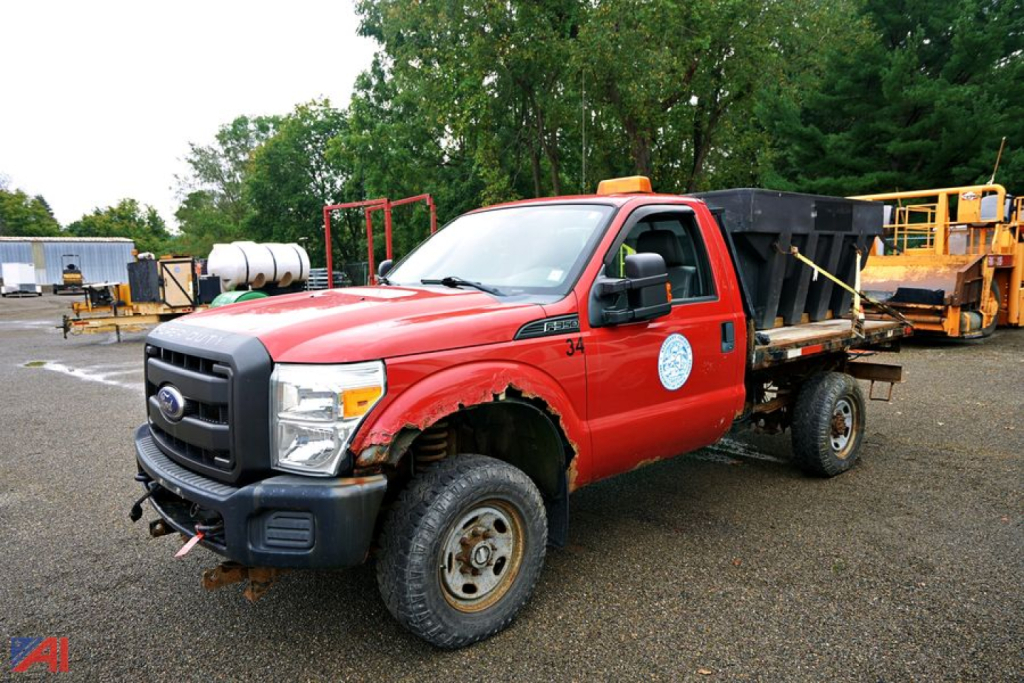
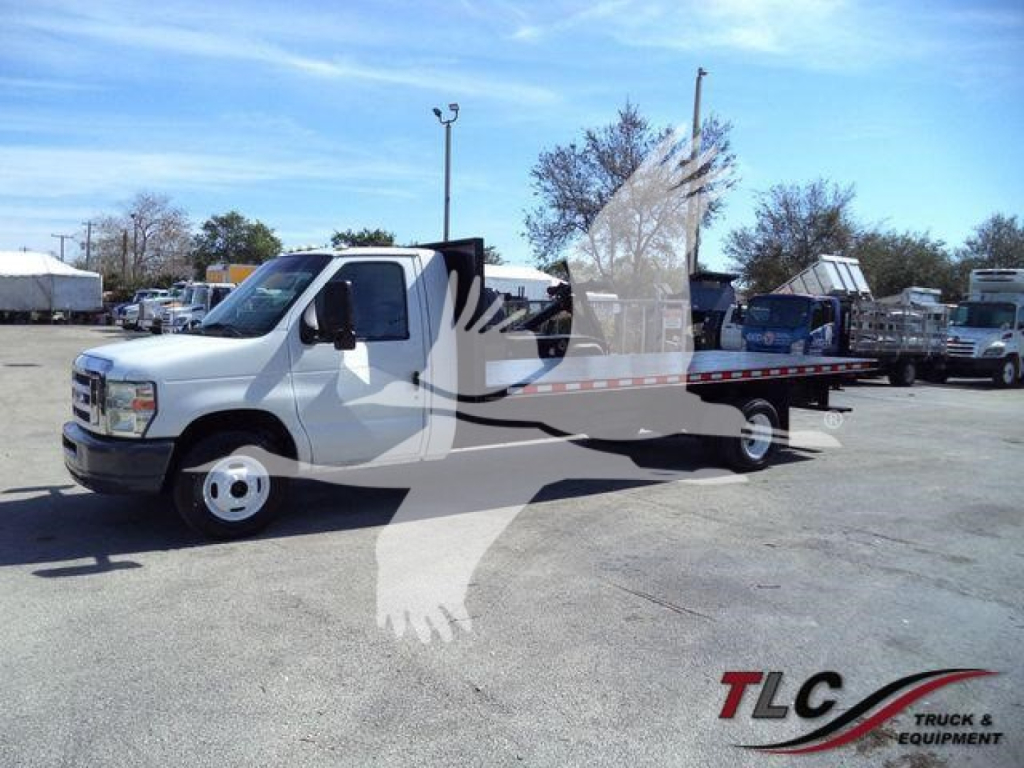
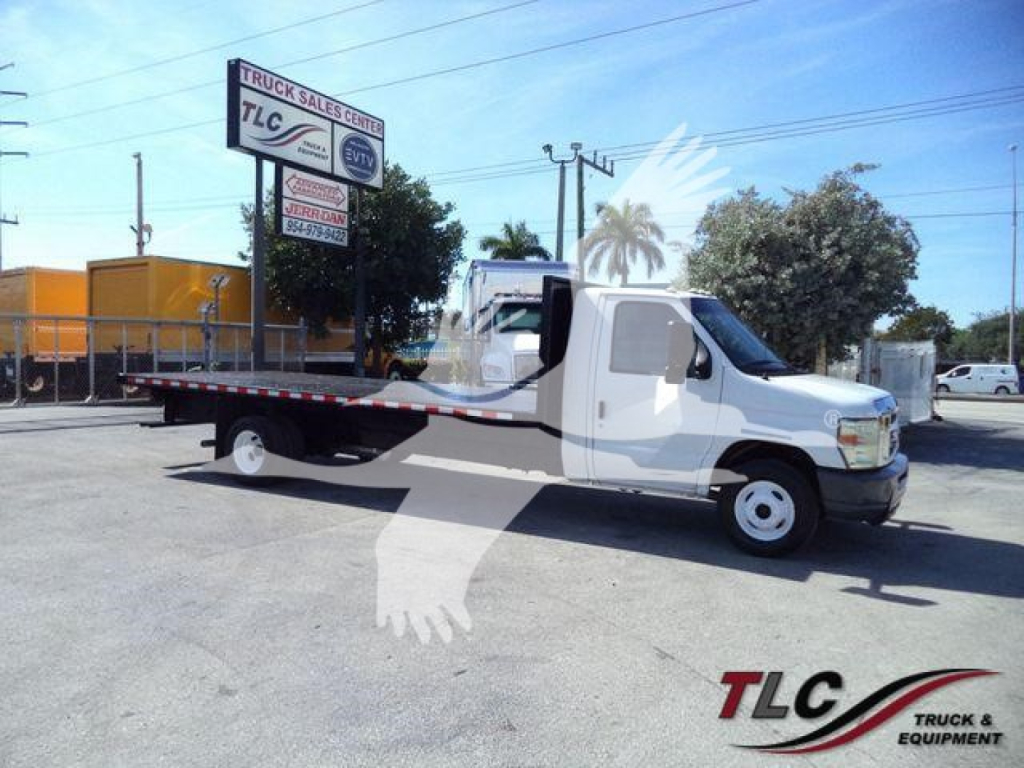
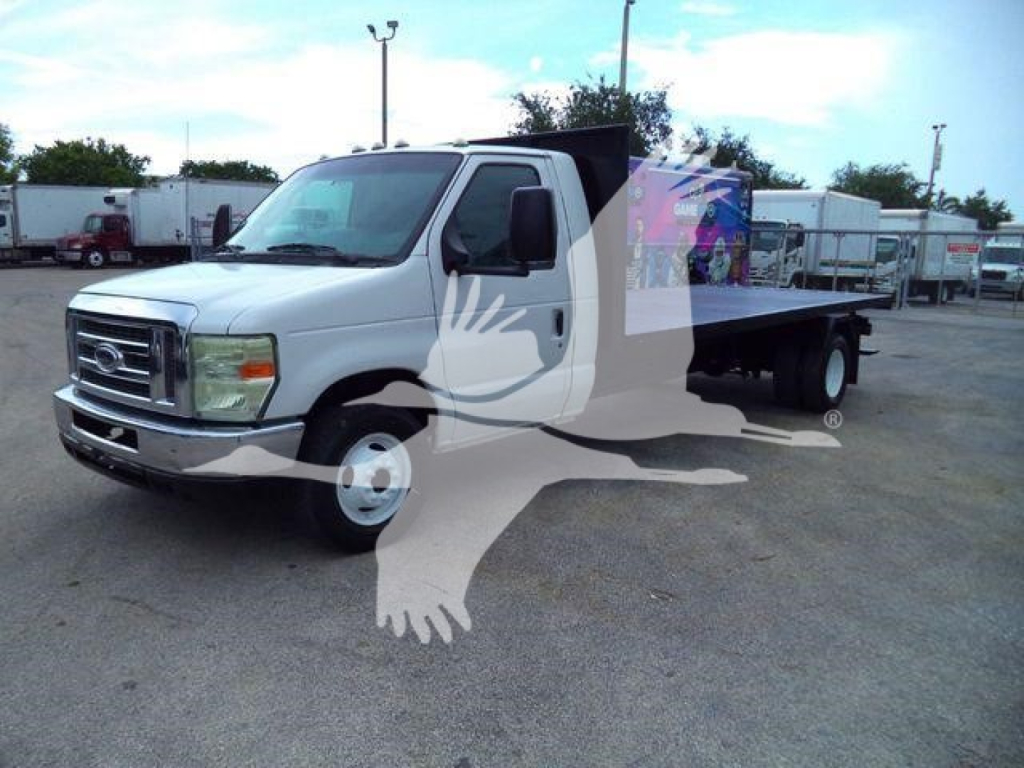
Selling a used 2011 flatbed truck? List your used 2011 flatbed truck for sale and reach thousands of commercial buyers.
Used 2011 Flatbed Trucks
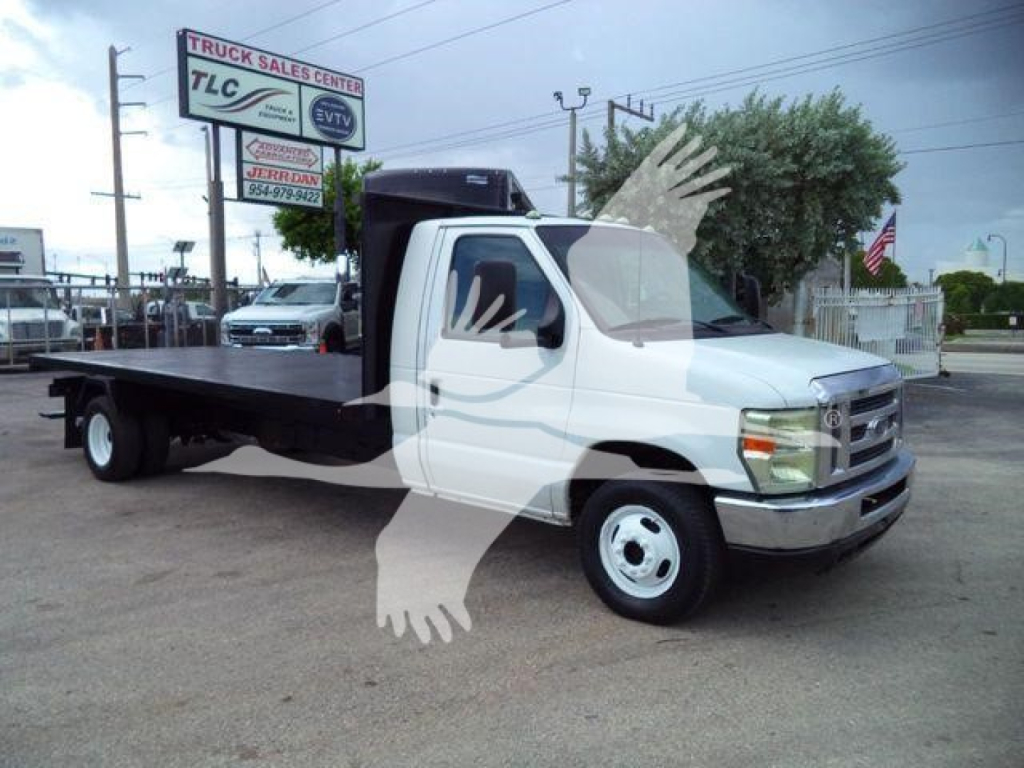
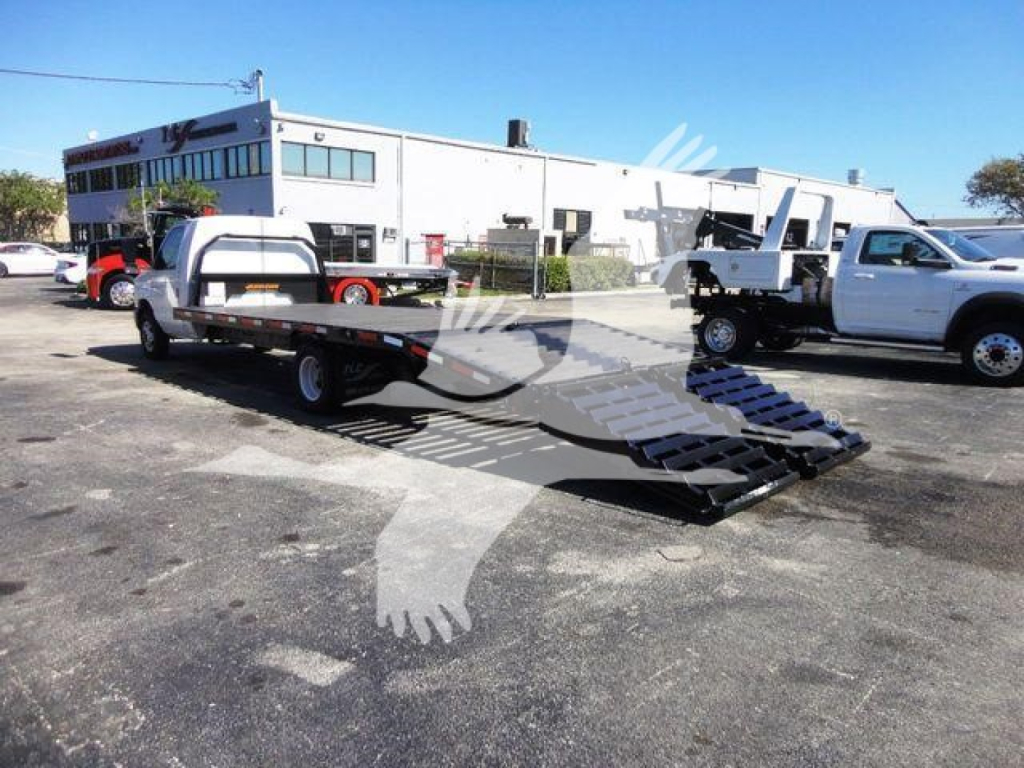
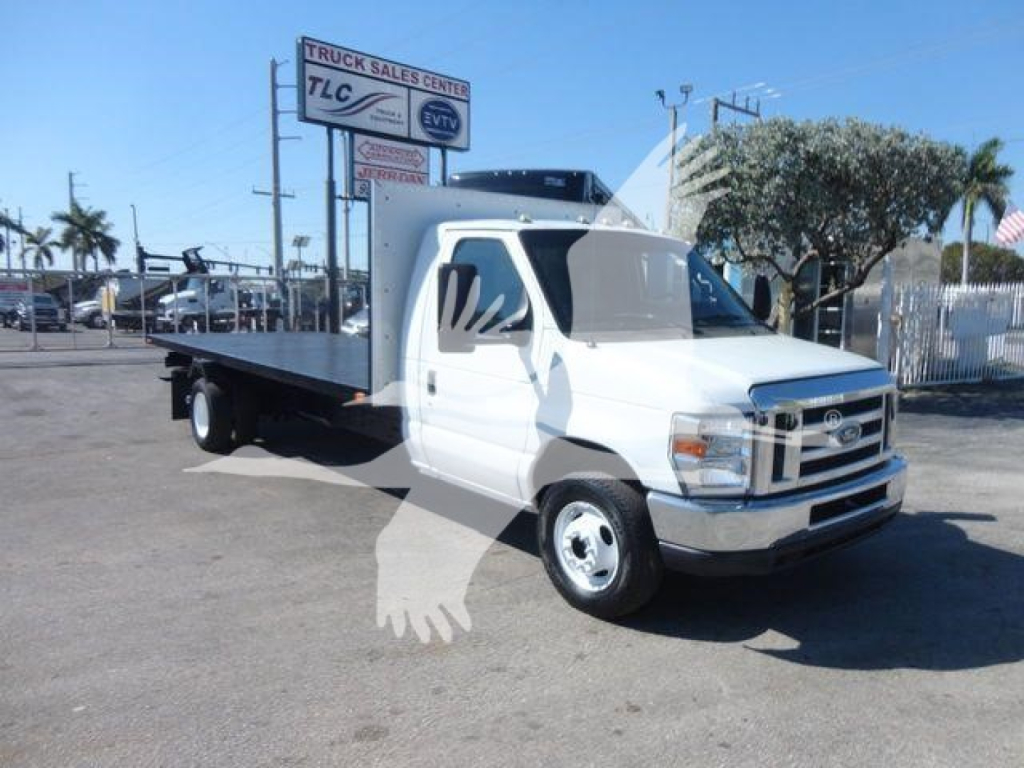
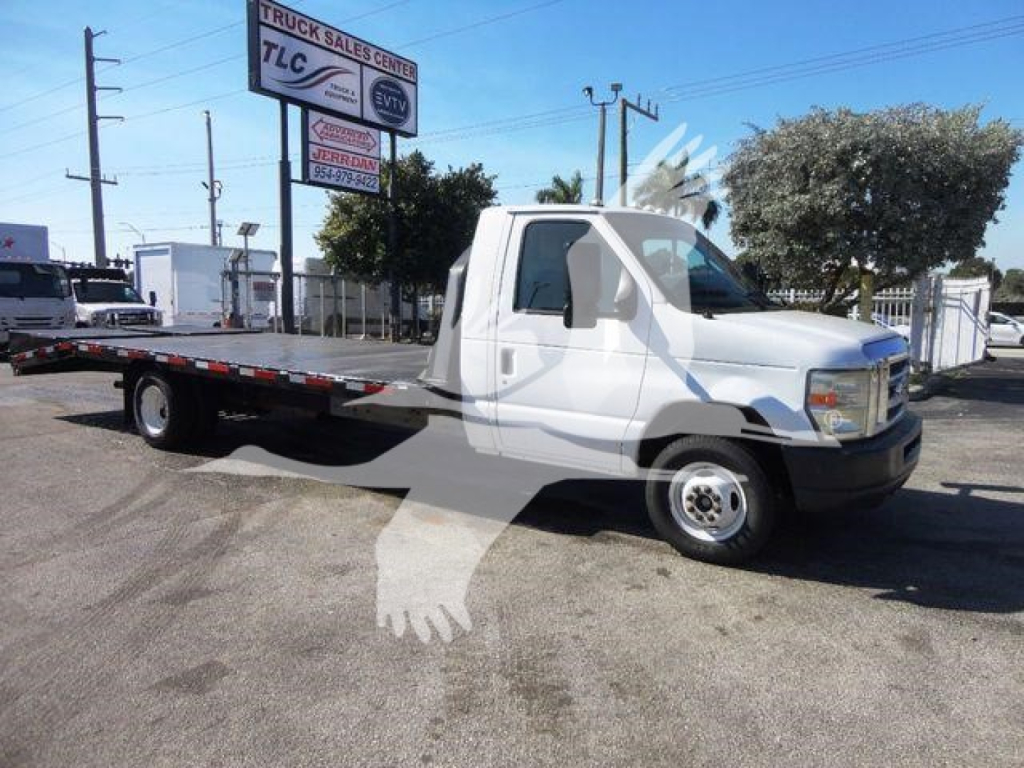
Bed configuration matters as much as the chassis. Common 2011 flatbed setups include steel or wood floors, rub rails, stake pockets, chain spools, pop-up D-rings, headache racks, and underbody toolboxes. Some trucks are equipped with liftgates for pallet delivery, while others have stake sides for landscaping, supply house, or municipal work. A buyer comparing listings should look closely at deck length, deck width, floor condition, and tie-down layout. A 9 to 12 foot flatbed on a pickup chassis serves a very different job than an 18 to 26 foot deck on a medium-duty truck. If forklifts load from the side, bed height and clear side access become important. If the truck carries machinery or bundled material, frame condition, rear suspension type, and securement points deserve extra attention.
Powertrain choices on used 2011 flatbed trucks vary widely by chassis. Lighter trucks may have gasoline V8 or V10 engines paired with automatic transmissions, which can make sense for lower annual miles and local service work. Medium-duty 2011 flatbeds are more likely to carry diesel engines from Cummins, Detroit, or similar suppliers, often matched with Allison automatics or manual transmissions. Rear axle ratio, wheelbase, and suspension setup affect drivability just as much as horsepower. A shorter wheelbase is easier in urban delivery and contractor work, while a longer wheelbase supports a longer body and better load distribution. Buyers should also verify GVWR, front and rear axle capacities, brake type, tire size, and PTO provisions if future crane or accessory installation is planned.
Condition on a used 2011 flatbed truck should be judged beyond mileage alone. Inspect the deck substructure, crossmembers, bed mounts, and frame rails for rust, repairs, or overloading history. Check for uneven tire wear, spring sag, liftgate operation if equipped, and wear around stake pockets or winch areas. Cab condition matters too, especially on vocational units that spend time on rough sites. A well-matched 2011 flatbed can still be a productive truck for construction, delivery, agriculture, utility, and fleet support work, provided the body design and chassis ratings align with the load profile.
Frequently Asked Questions about Used 2011 Flatbed Trucks
What should I look for first when buying a used 2011 flatbed truck?
Start with GVWR, axle ratings, and deck dimensions. Those specifications tell you if the truck is sized correctly for your cargo and operating requirements. After that, inspect the bed structure, tie-down equipment, floor condition, frame rails, suspension, and brake system. On a flatbed, body condition is critical because deck repairs, rusted crossmembers, or weak securement points can limit usefulness even if the truck runs well.
Are 2011 flatbed trucks better with gas or diesel engines?
It depends on the application. Gas-powered 2011 flatbeds are common on lighter pickup and cutaway chassis and can be a practical choice for lower-mileage local work with simpler maintenance needs. Diesel-powered trucks are more common in medium-duty applications where higher payloads, longer wheelbases, and daily commercial use demand more torque and durability. The better option is the one that matches your annual miles, payload, service access, and total operating cost.
What bed features are most useful on a flatbed truck?
The most useful bed features depend on the cargo, but buyers usually prioritize stake pockets, rub rails, D-rings or chain tie-downs, a headache rack, and underbody storage. Wood floors are common and are easy to repair, while steel floors can be preferable for certain heavy-duty applications. Liftgates add value for pallet delivery, and removable stake sides are useful for loads that benefit from light containment without moving to an enclosed body.
How long is a typical flatbed truck body on a 2011 model?
Body length varies widely by chassis class. Pickup-based flatbeds are often around 8 to 12 feet, cutaway and cab chassis units may run around 12 to 16 feet, and medium-duty flatbeds commonly range from 18 to 26 feet. The correct length depends on load type, turning radius needs, axle spacing, and weight distribution. A longer deck increases cargo space but can reduce maneuverability in tight delivery or jobsite conditions.
Is mileage the most important factor on a used 2011 flatbed truck?
Mileage matters, but it is not the only factor and often not the most important one on a vocational truck. A flatbed that has moderate miles but a straight frame, sound bed structure, solid maintenance history, and the right body setup can be a better buy than a lower-mile unit with rust, poor repairs, or an unsuitable deck. On this equipment class, condition, configuration, and legal payload capability usually matter more than odometer reading alone.