
Used 2011 Flatbed Trucks For Sale in Florida
Browse used 2011 flatbed trucks in Florida with common specs, GVWR ranges, bed styles, drivetrain options, and buyer-focused guidance.
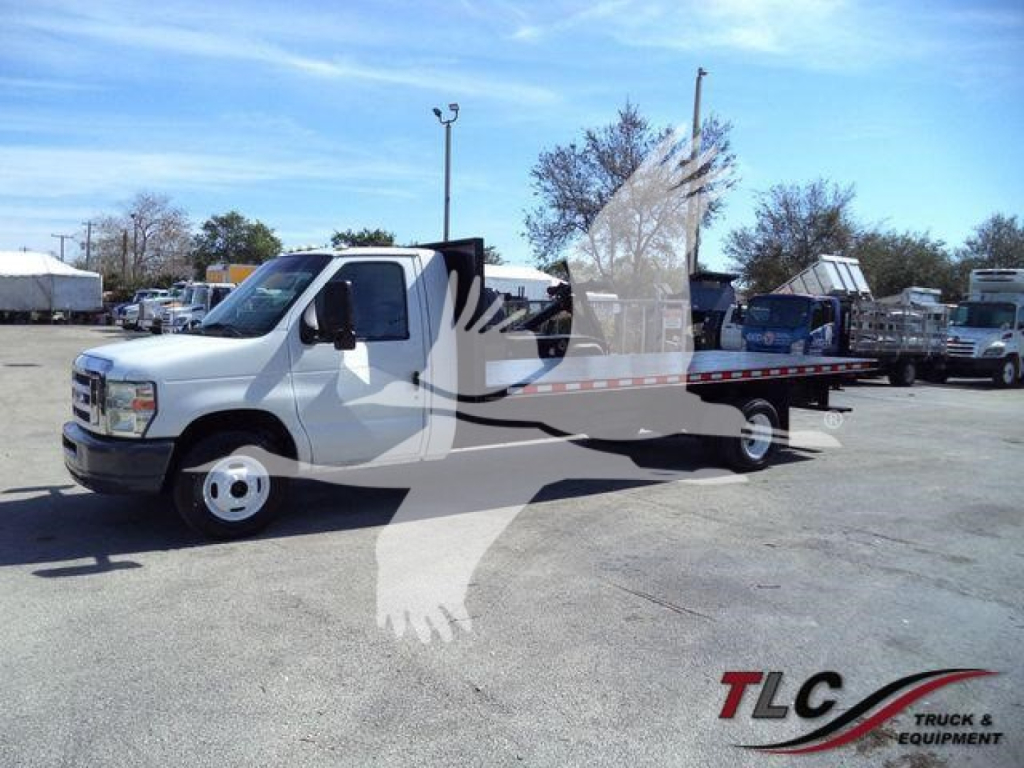
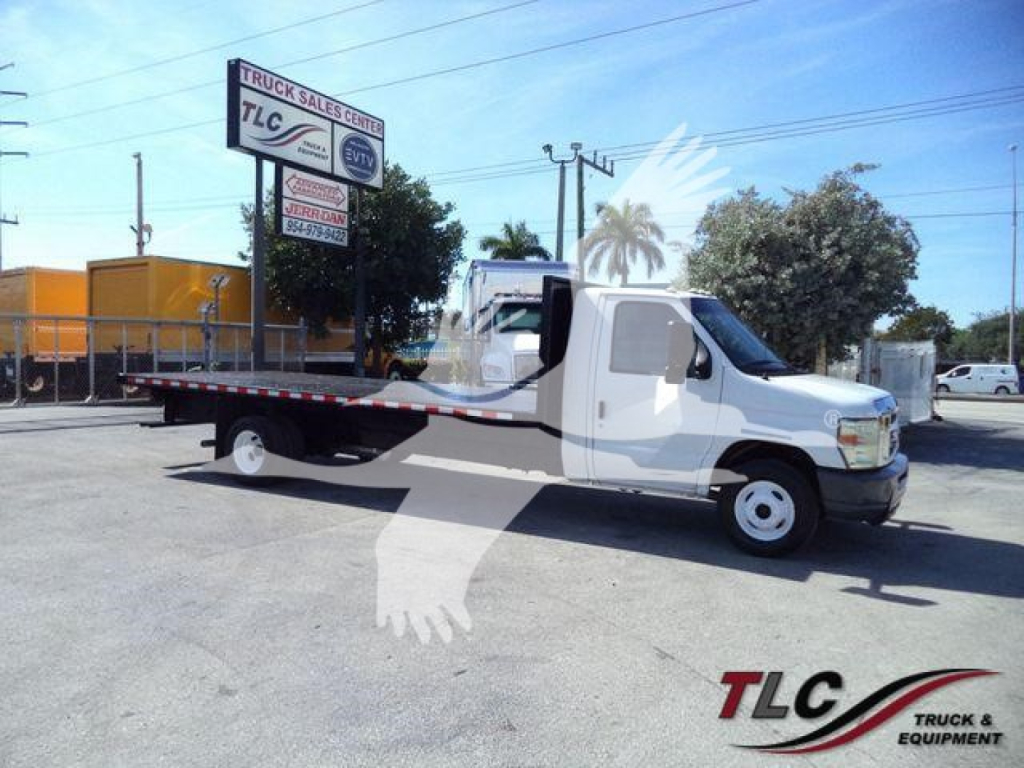
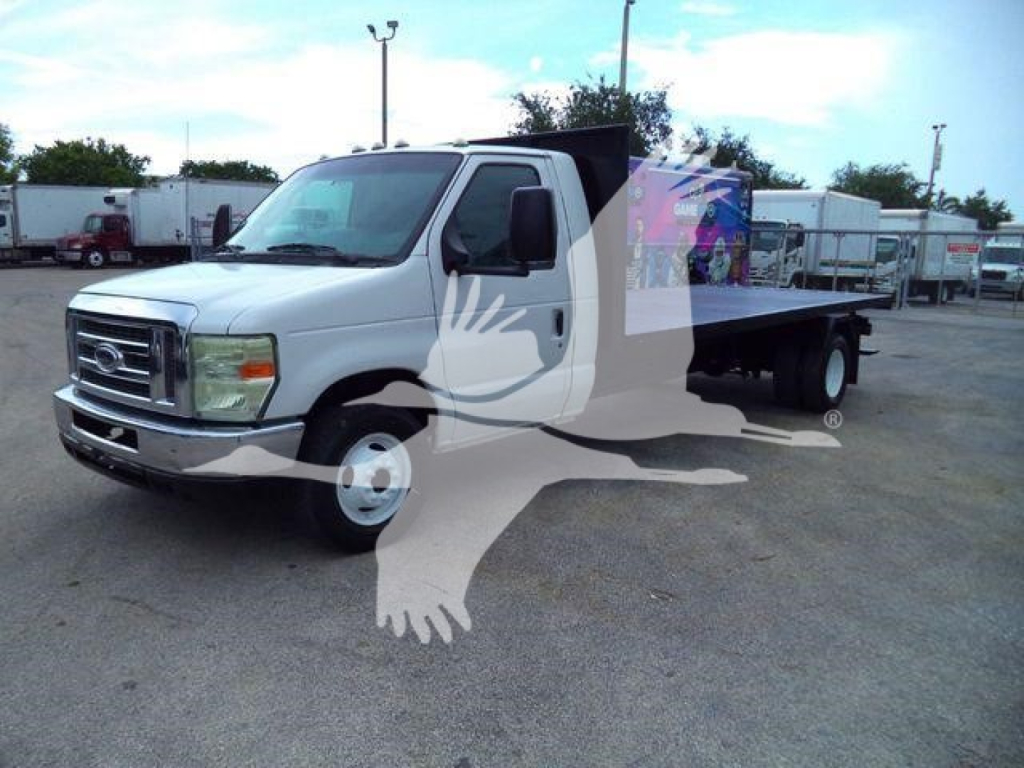
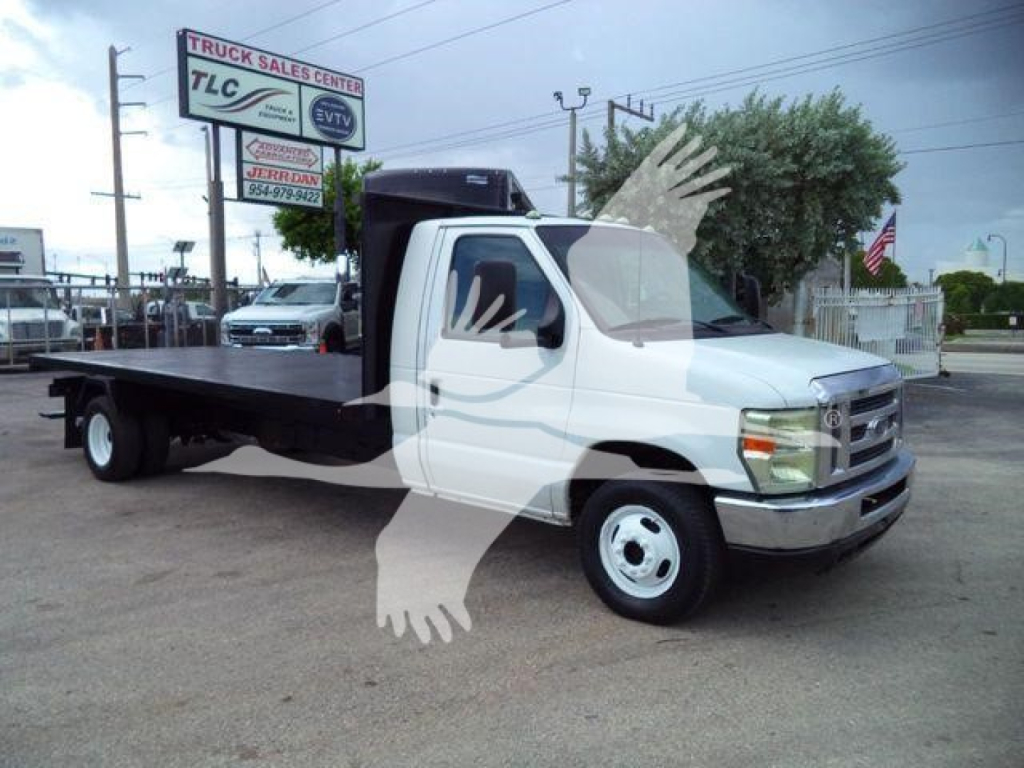
Selling a used 2011 flatbed truck? List your used 2011 flatbed truck for sale and reach thousands of commercial buyers.
Used 2011 Flatbed Trucks in Florida
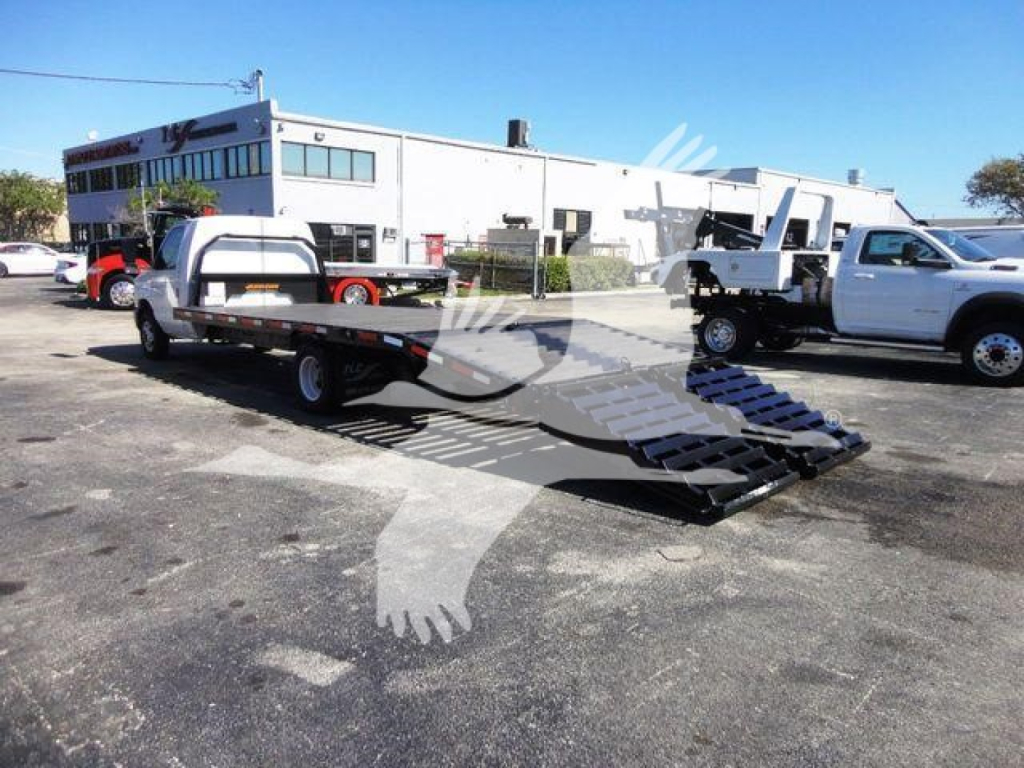
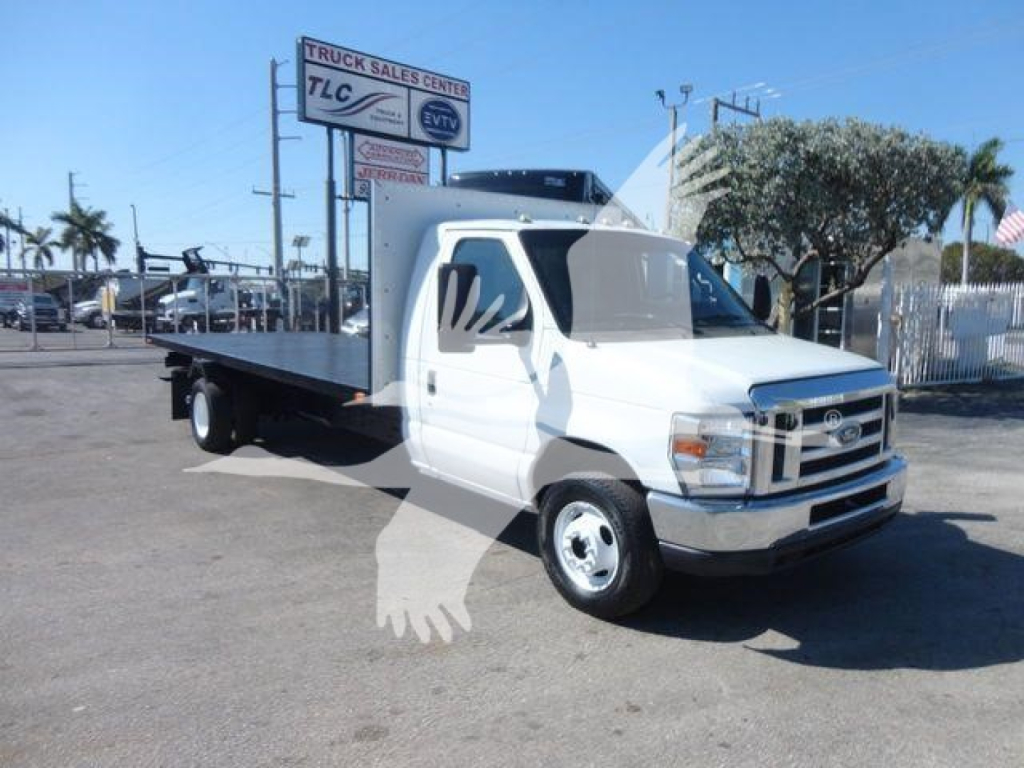
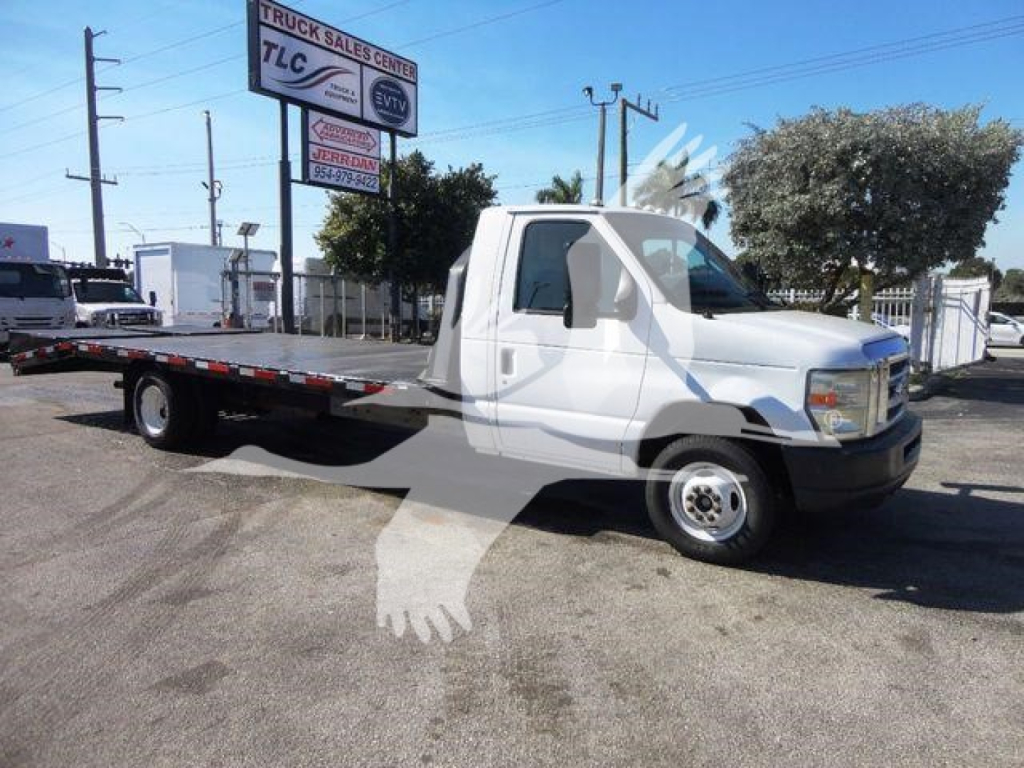
The first decision is usually chassis class and payload, not brand. A 14,500 lb GVWR gas chassis can make sense for local delivery, contractor work, and lighter hauling where acquisition cost and service simplicity matter. A diesel medium-duty flatbed with a 25,500 lb GVWR, air brakes, and air suspension is better suited for heavier freight, more frequent use, and higher-duty cycles. Bed construction also matters. Steel beds are common on 2011 trucks and offer durability for hard use, while features like removable rails, rub rails, tie-down points, and stake pockets improve flexibility for mixed cargo. If the truck has a beavertail and ramps, check ramp rating, deck width, winch capacity, and how much of the stated deck length is usable flat surface.
Florida buyers should pay close attention to corrosion, even on inland trucks. Salt air, humidity, and frequent rain can affect bed crossmembers, wiring, hydraulic components, light housings, and cab mounts. Look closely at the underside of the deck, the condition of the wood or steel floor, and any repairs around the headboard, rear sill, or ramp hinge points. On older gas units, confirm engine and transmission service history and verify cooling system condition. On diesel trucks, inspect emissions-era components carefully, especially if the truck has spent years in stop-and-go service. Tire age, brake type, suspension setup, and wheelbase all affect operating cost and how well the truck fits your routes and load profile.
A good used 2011 flatbed truck is defined by upfit quality as much as by chassis condition. Measure bed length, deck height, and frame spacing against the cargo you actually move. Confirm GVWR, front and rear axle ratings, and any body capacity claims before assuming payload. For buyers hauling equipment, a 102-inch wide deck, spring-assisted ramps, and a headboard with visibility cutout can be more useful than extra advertised bed length. For building supply or delivery work, a simpler fixed-deck flatbed may offer lower maintenance and faster loading from the side. The right truck in this category is the one whose bed layout, weight rating, and service history match the work, not just the badge on the grille.
Frequently Asked Questions about Used 2011 Flatbed Trucks in Florida
What should I look for first on a used 2011 flatbed truck?
Start with GVWR, axle ratings, bed length, and the actual bed configuration. A flatbed truck may be advertised by overall deck length, but part of that length can be a beavertail or dovetail rather than true flat loading space. After that, inspect frame condition, bed crossmembers, tie-down hardware, ramp or winch operation if equipped, and service records for the engine and transmission. On Florida trucks, corrosion on wiring, lighting, bed supports, and fasteners deserves extra attention.
Is a gas or diesel 2011 flatbed truck better for my operation?
Gas trucks in this class are often a solid fit for lighter local work, lower annual miles, and simpler maintenance needs. Diesel trucks usually make more sense when loads are heavier, routes are longer, or the truck runs daily under higher duty cycles. The right choice depends on payload demands, expected mileage, and service access. A lighter gas chassis may work well for contractor deliveries, while a medium-duty diesel with air brakes and higher GVWR is better for heavier commercial hauling.
What bed features matter most on a flatbed truck?
The most important bed features depend on cargo type. Stake pockets, rub rails, and a strong headboard matter for securing palletized freight, lumber, pipe, or building materials. A beavertail, fold-down ramps, and an electric winch matter more if you haul small machines or wheeled equipment. Deck width, floor material, rear approach angle, and the amount of usable flat deck are all more important than a simple advertised bed length. Buyers should match the bed setup to the freight they move every week, not the occasional specialty load.
Are 2011 flatbed trucks in Florida different from trucks in other regions?
Florida does not usually present the same road salt exposure as northern states, but coastal humidity and salt air can still accelerate corrosion. Trucks that have worked near the coast may show rust or electrical issues on the bed, lighting circuits, connectors, and underbody components. Sun exposure can also affect paint, seals, and interior materials. A Florida truck can be a strong buy, but it still needs a careful inspection of the deck structure, frame, suspension, and all body-mounted electrical components.
How do I know if a flatbed truck can legally and safely carry my load?
Use the truck's GVWR, front and rear GAWR, tire ratings, wheel ratings, and body weight to calculate real payload capacity. Do not rely only on a body builder's stated deck capacity, because the truck chassis and axle ratings control legal operating limits. Cargo placement also matters, especially on flatbeds carrying dense materials or equipment. Buyers should verify wheelbase, center-of-gravity concerns, and tie-down points so the truck can handle the intended load without overloading an axle or compromising stability.