
Used 2011 Commercial Trucks For Sale in North Carolina
Browse used 2011 trucks for sale in North Carolina, including day cabs, sleepers, straight trucks, and cab and chassis units for regional or vocational work.

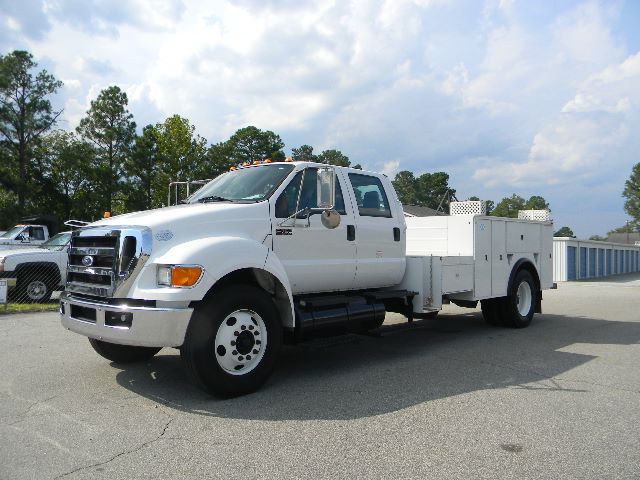

Have used 2011 commercial truck to sell? List it here to reach thousands of buyers.
Used 2011 Commercial Trucks in North Carolina
Powertrain spec matters more than almost anything else on a used 2011 truck. Medium-duty trucks from this era commonly show up with diesel engines in the 200 to 300 horsepower range, often paired with Allison automatics for pickup and delivery, box truck, and vocational use. Class 8 tractors are more likely to carry 400 to 500 horsepower engines with automated manual or manual transmissions, 2.79 to 3.58 rear ratios, and 40,000-pound rears depending on intended duty cycle. Buyers should pay close attention to EPA 2010-era emissions components, especially DPF, DEF, EGR, and related service history, since 2011 trucks sit squarely in that generation. A clean regen history, documented injector or aftertreatment work, and signs of consistent preventive maintenance can matter as much as the odometer.
The body and chassis layout should fit the route and freight before anything else. A used 2011 sleeper truck may make sense for regional or long-haul lanes, while a day cab is usually a better fit for short-haul, drayage, or terminal work. Straight trucks in this year range are commonly configured with van bodies, roll-up doors, liftgates, wood floors, and scuff liners for route delivery. Cab and chassis trucks are often chosen by contractors, utility fleets, landscapers, and municipalities that need a dump body, service body, flatbed, or rollback installed. Wheelbase, front axle set-back or set-forward design, suspension type, brake configuration, and PTO compatibility all affect how easily a truck can be repurposed.
A smart 2011 truck buyer in North Carolina should inspect frame condition, rust levels, suspension wear, brake life, tire date codes, and signs of hard vocational use or idle-heavy operation. Cab condition, seat wear, electrical function, and HVAC performance also tell a lot about how the truck was treated. For highway tractors, look at fifth wheel wear, kingpin setting compatibility, fairings, and fuel capacity. For straight trucks and chassis units, verify body integrity, liftgate operation, floor condition, and upfit mounting quality. The best used 2011 trucks are not necessarily the lowest priced units. They are the ones with the right spec, a clear service story, and enough remaining life to match the revenue plan.
Frequently Asked Questions about Used 2011 Commercial Trucks in North Carolina
What should I look for first when buying a used 2011 truck?
Start with the truck’s original application and current spec. Engine make, horsepower, transmission type, axle rating, wheelbase, and suspension should all match the work you expect it to do. After that, focus on maintenance records, fault code history, emissions system repairs, and signs of frame or cab corrosion. On a 2011 model, documented service history is often more important than appearance alone.
Are 2011 diesel trucks affected by modern emissions systems?
Yes. A 2011 truck typically falls into the EPA 2010 emissions era, so buyers should expect systems such as DPF, DEF, EGR, and related sensors and aftertreatment hardware. These components are manageable when maintained properly, but neglected systems can create downtime and repair expense. Service records showing consistent regen activity, cleaning intervals, and emissions-related repairs are valuable when comparing used trucks from this year.
Is a used 2011 day cab or sleeper better for North Carolina operations?
It depends on route length and freight pattern. A day cab is usually the better choice for local and regional hauling, port work, and short-turn freight because it is lighter, more maneuverable, and often easier to maintain. A sleeper is the better fit for overnight routes and longer interstate runs where driver rest space and fuel capacity matter more. The right answer comes down to lane structure, average trip length, and payload needs.
Can a used 2011 cab and chassis still be a good platform for a new body installation?
Yes, if the frame, wheelbase, axle capacity, and drivetrain are suited to the intended upfit. Many 2011 cab and chassis trucks are still used for dump bodies, utility bodies, flatbeds, van bodies, and service bodies. Before buying, confirm frame condition, PTO provisions, suspension rating, brake capacity, and the available cab-to-axle measurement. Those details determine how smoothly the truck can be matched to a new body.
How many miles is too many on a used 2011 truck?
There is no single mileage limit that applies to every 2011 truck. A properly maintained highway tractor can still have useful life at higher mileage, while a lower-mile truck with poor maintenance or severe idle hours may be a worse buy. Engine hours, maintenance documentation, drivetrain rebuild history, and current mechanical condition are better indicators than the odometer by itself. Always evaluate miles together with application, service records, and inspection results.