
Used Tow Trucks For Sale
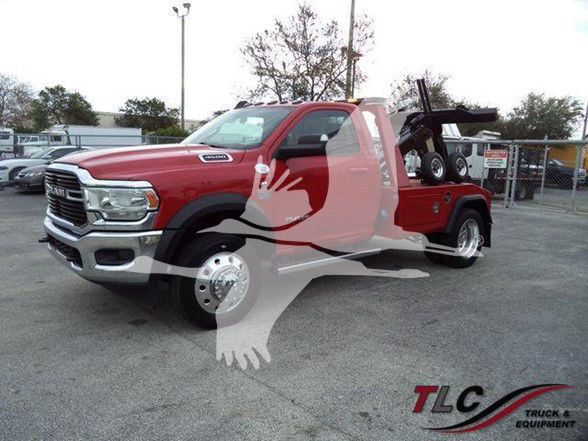
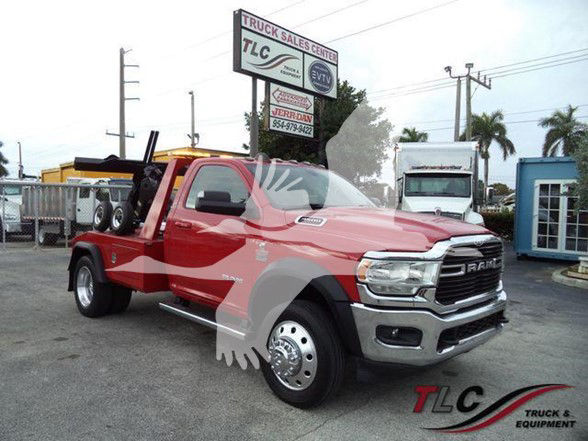
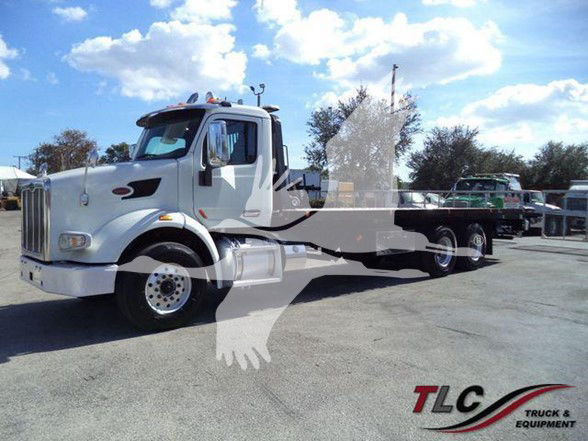
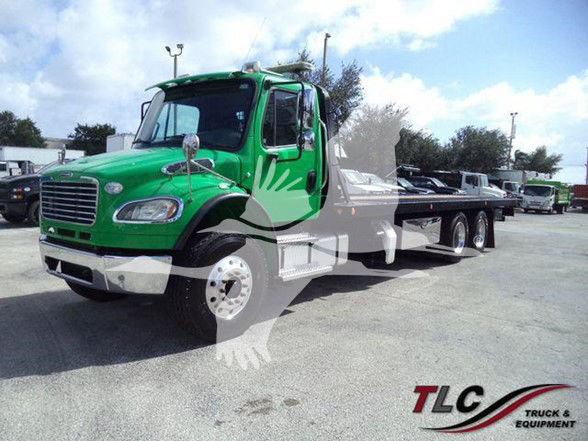
Showing 25 to 43 of 43 results
Have used tow truck to sell? List it here to reach thousands of buyers.
Used Tow Trucks
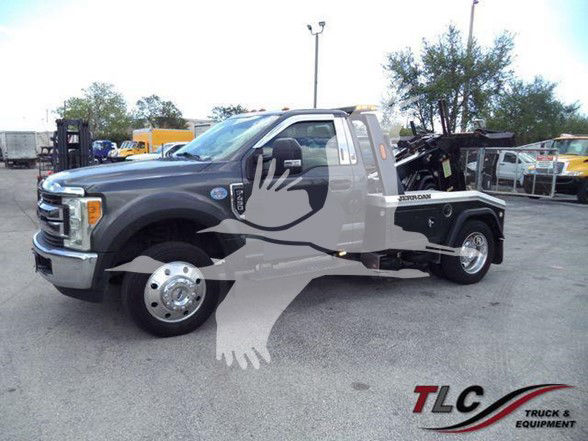
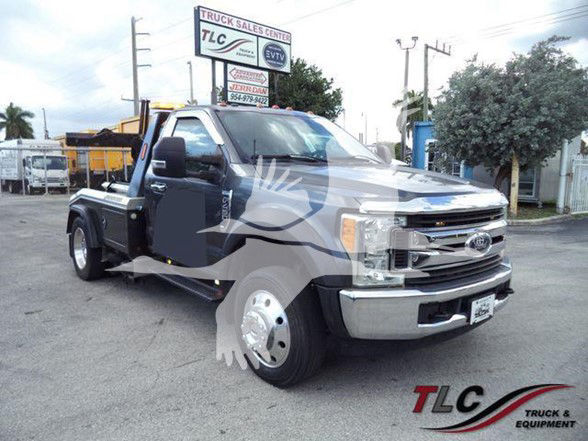
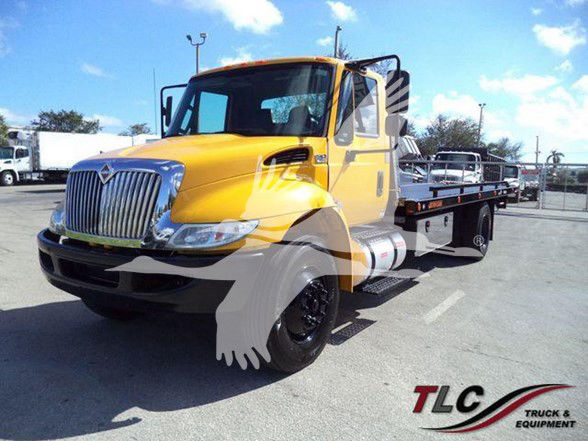
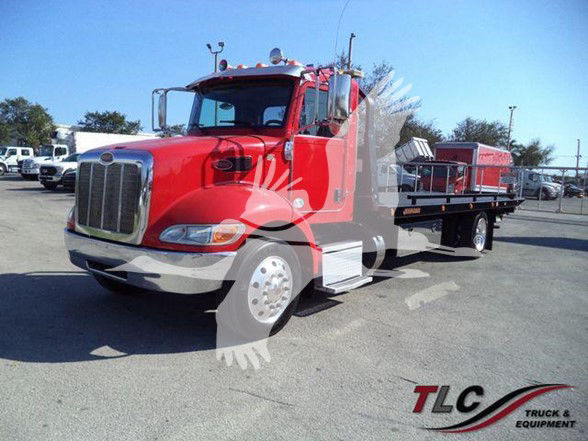
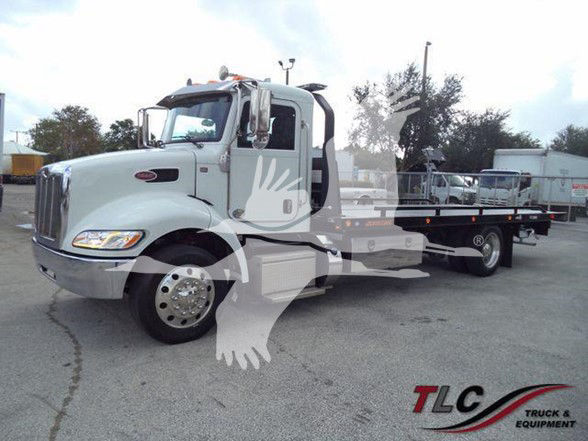
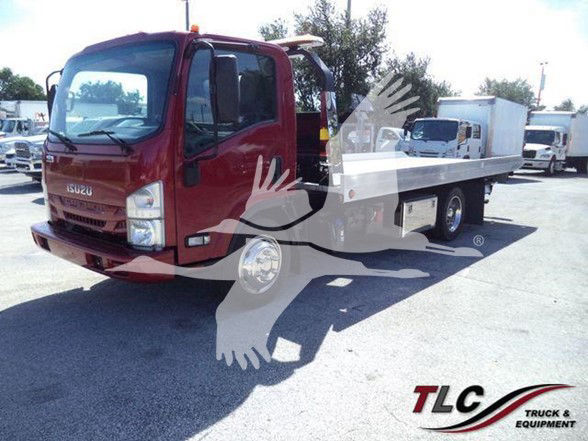
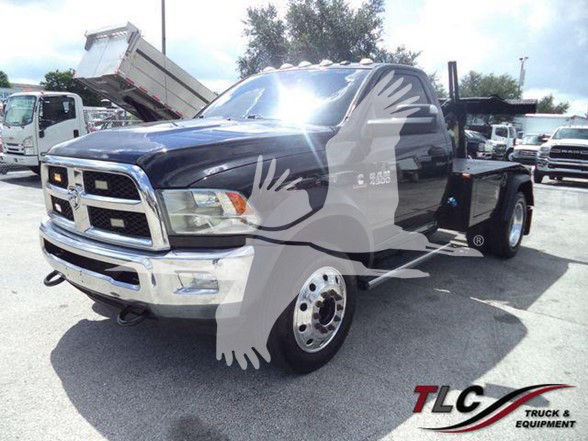
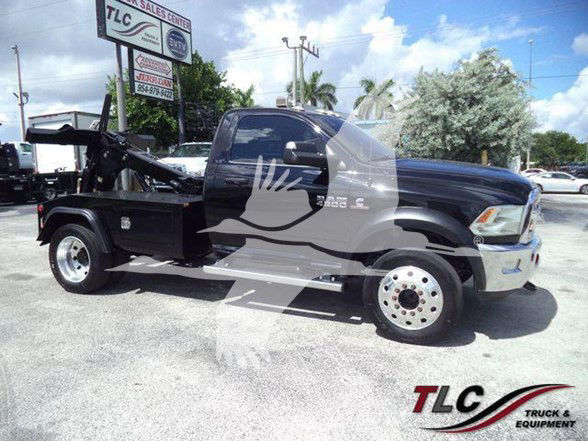
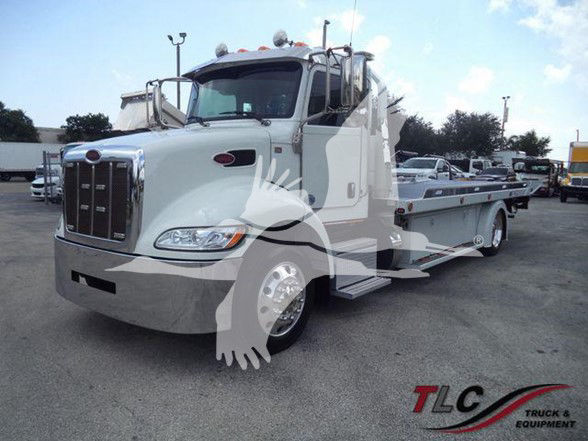
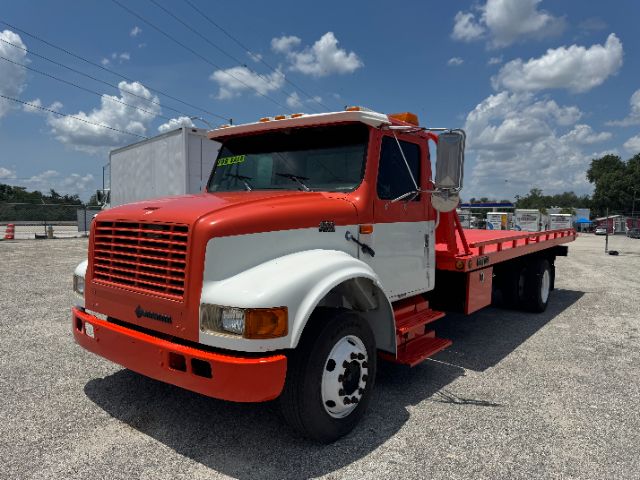
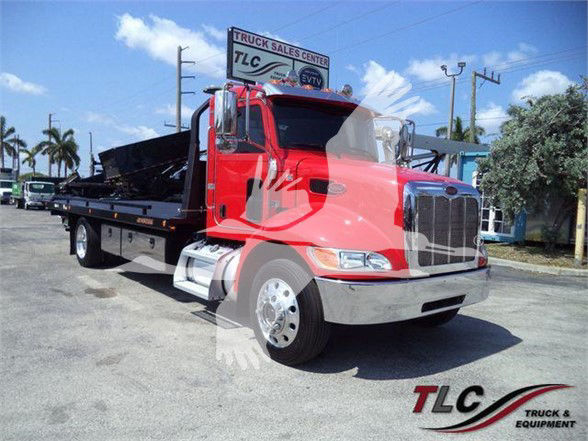
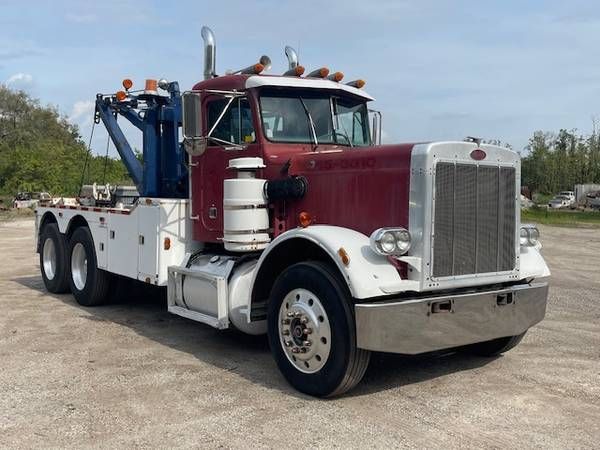
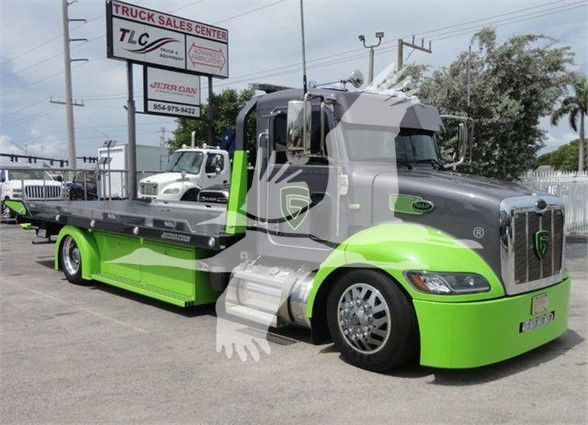
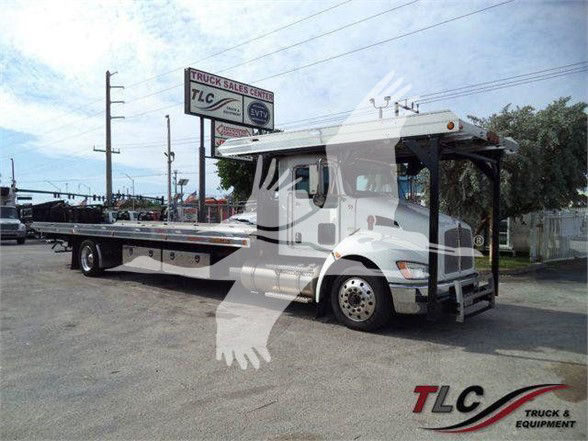
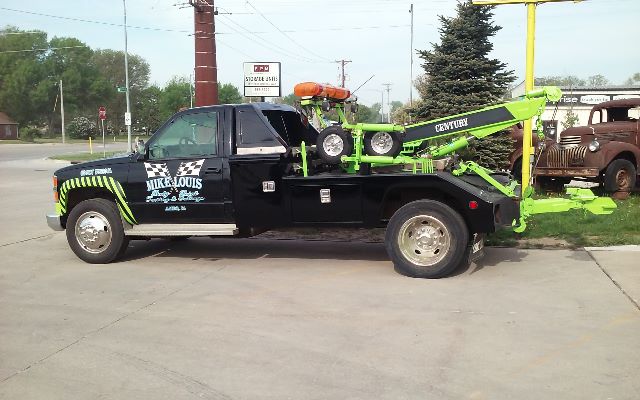
For light- and medium-duty towing, common chassis include Class 4 through Class 7 trucks from Ford, Chevrolet, International, and Freightliner. Typical specs in the used market include diesel power, automatic transmissions, 4x2 drivetrains, single rear axles, and GVWR ratings from around 19,500 pounds up to 26,000 pounds for non-CDL setups, with heavier tandem-axle units pushing well beyond that. Rollbacks often carry 21-foot to 22-foot steel or wood decks, 102-inch bed width, 6-ton deck ratings, 3,500-pound wheel-lifts, and 8,000-pound winches. Wreckers and self-loaders commonly feature dual drag winches, L-arms, underlift equipment, recovery booms, work lights, and light bars. On larger carrier builds, air brakes, air ride suspension, toolboxes, and hydraulic hitches become more common.
The smartest buying decision usually comes down to matching the body and chassis to your call mix. A self-loader is efficient for repossessions, parking enforcement, and fast urban hookups where speed matters. A rollback is the better fit for all-wheel-drive vehicles, low-clearance cars, damaged units, and longer-distance transport because it reduces the risk of drivetrain or suspension damage. A medium-duty carrier on an M2-106 or F-650 class chassis can also support equipment moves, small box truck recoveries, and heavier service work that a light-duty wrecker cannot handle comfortably. If the truck will spend time in tight city streets, wheelbase, cab configuration, and turning radius matter just as much as rated capacity.
On a used tow truck, the inspection should focus on both the chassis and the towing gear. Check bed pivot points, hydraulic cylinders, winch operation, cable or synthetic line condition, wheel-lift wear, boom structure, crossmembers, PTO engagement, and signs of deck twist or repaired damage. Review brake type, suspension, tire date codes, and axle ratings to confirm the truck is properly matched to the body. On carriers, look closely at bed slide function, rear stabilizers, rail condition, and scuff areas around the deck. On wreckers, inspect the underlift, tow sling components if equipped, and all safety gear. A clean service history matters, but so does evidence that the towing equipment itself has been maintained, because that is where uptime and liability are won or lost.
Frequently Asked Questions about Used Tow Trucks
What is the difference between a rollback tow truck and a wrecker?
A rollback tow truck, also called a carrier or car carrier, loads the vehicle onto a hydraulic tilting bed so all four wheels are off the ground. A wrecker tows the vehicle behind the truck using a wheel-lift, underlift, or boom setup. Rollbacks are usually preferred for damaged vehicles, all-wheel-drive units, low-clearance cars, and longer transport distances. Wreckers are often faster for short tows, tight recoveries, repossession work, and roadside calls where quick hookup matters.
What GVWR and capacity should I look for in a used tow truck?
The right GVWR depends on the vehicles you expect to handle and whether you want to stay in a non-CDL range. Many light- and medium-duty tow trucks are built in the 19,500-pound to 26,000-pound GVWR range, which is common for car hauling and general service work. Carrier beds are often rated around 6 tons, with wheel-lifts near 3,500 pounds and winches around 8,000 pounds on medium-duty setups. If you plan to tow commercial vehicles, loaded vans, or heavier equipment, a tandem-axle chassis with substantially higher axle ratings is usually the better fit.
Is a diesel automatic tow truck the standard choice in the used market?
Yes. Most used tow trucks in current fleet service are diesel-powered with automatic transmissions. That combination works well for stop-and-go towing, PTO operation, driver training, and urban route work. Diesel engines in medium-duty chassis typically provide better low-end torque and durability under towing loads, while automatic transmissions simplify hook-and-go operations and reduce driver fatigue during repeated calls.
What should I inspect first on a used tow truck?
Start with the towing equipment before cosmetics. Confirm the PTO engages correctly, the hydraulics operate smoothly, and the winches, wheel-lift, boom, and bed functions work through a full cycle. Look for leaks, bent structure, worn pins and bushings, damaged deck sections, and uneven bed movement. After that, inspect the chassis for brake condition, suspension wear, axle ratings, tire age, frame corrosion, and any signs the truck has regularly worked beyond its intended capacity. Service records for both the truck and the tow body are especially valuable.
Can a rollback tow truck handle more than passenger cars?
Yes, many medium-duty rollback tow trucks can do more than standard passenger vehicle transport. Depending on the chassis, deck rating, wheel-lift, and bed length, they are often used for small trucks, vans, forklifts, skid steers, compact equipment, and other wheeled or tracked loads that fit the deck and weight rating. The key is to verify the actual body rating, axle capacities, deck dimensions, and securement points rather than assuming all 22-foot carriers perform the same.