
Used 2015 Tow Trucks For Sale

Have used 2015 tow truck to sell? List it here to reach thousands of buyers.
Used 2015 Tow Trucks
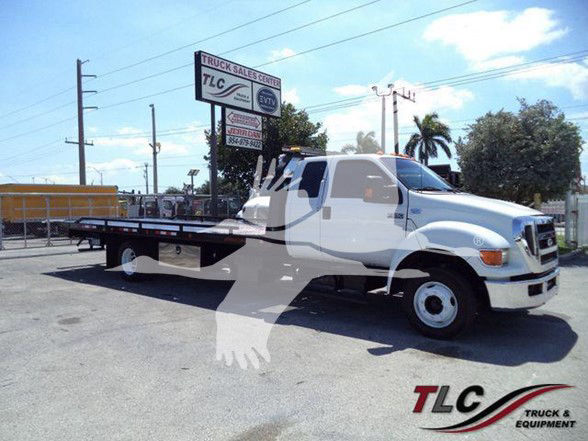
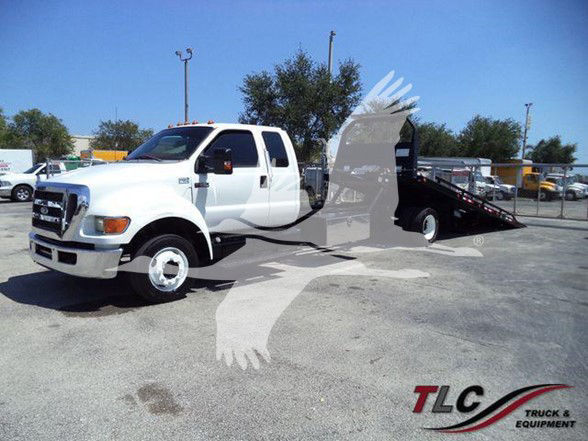
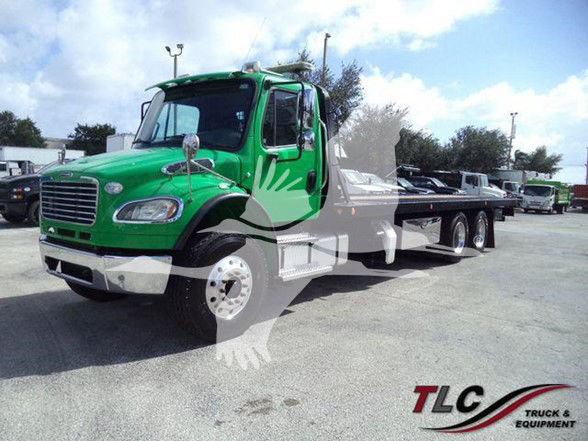
Capacity and chassis specs matter more than badge alone. On 2015 units, look closely at GVWR, front and rear axle ratings, wheelbase, brake type, and whether the truck is 4x2 or 4x4. Light-duty tow trucks in this year often use diesel power with automatic transmissions and can be equipped with autoloader wheel-lift systems, drag winches around 8,000 pounds, dollies, and underbody tool storage. Medium-duty rollback and wrecker setups may carry 21 to 22 foot decks, air brakes, air ride suspension, and higher-capacity winches for heavier passenger vehicles, vans, and some commercial units. Body manufacturer matters too. Jerr-Dan, Century, Dynamic, and similar builders each have differences in hydraulic layout, control placement, parts support, and deck or boom design.
Condition on a 2015 tow truck should be evaluated from both the chassis side and the body side. Buyers should inspect PTO engagement, hydraulic leaks, winch operation, wheel-lift pins and bushings, deck cylinders, cable or synthetic line condition, and the function of remotes, work lights, and light bars. Rust around the subframe, crossmembers, and bed mounts can be more important than cosmetic cab wear. On rollback carriers, check deck approach angle, bed slide wear, chain slots, tie-down points, and whether the deck tracks straight under load. On wreckers, pay attention to boom integrity, recovery attachments, L-arms, dolly mounts, and the condition of the rear body structure where stress is concentrated.
A 2015 used tow truck also needs to fit the work mix and regulatory environment. Local police towing, private property impounds, dealer transport, roadside service, and municipal fleet work all favor different setups. Diesel engine maintenance history is especially important in this age range, including aftertreatment service, idle hours, cooling system condition, and transmission performance in stop-and-go duty. If the truck will work dense urban routes, tight turning radius and overall length may matter more than raw deck size. If it will handle pickups, vans, or small box trucks, axle ratings, wheel-lift capacity, and frame strength become the priority. The best 2015 tow trucks are the ones with body specs that match the call types, not just the ones with the lowest purchase price.
Frequently Asked Questions about Used 2015 Tow Trucks
What is the main difference between a 2015 wrecker and a 2015 rollback tow truck?
A 2015 wrecker uses a wheel-lift or boom setup to tow a vehicle with two wheels off the ground, which makes it efficient for quick clearance, repossession, and short-distance towing. A 2015 rollback uses a tilting slideback deck to carry the entire vehicle, which is usually the better choice for all-wheel-drive vehicles, damaged cars, low-clearance units, and equipment that should not roll on the road. The right choice depends on the type of calls the truck will handle most often.
What should I inspect first on a used 2015 tow truck?
Start with the hydraulic and towing systems before focusing on cosmetics. Verify PTO operation, winch pull, wheel-lift or deck movement, hydraulic cylinder condition, control response, and the structure of the body and subframe. Then inspect the chassis for engine service history, transmission behavior, brake type and condition, suspension wear, rust, tire condition, and axle ratings. A clean-looking truck with weak hydraulics or structural rust can become expensive very quickly.
Are 2015 tow trucks commonly diesel with automatic transmissions?
Yes. Many 2015 tow trucks in light-duty and medium-duty classes are equipped with diesel engines and automatic transmissions because towing work involves frequent stops, tight maneuvering, and repeated load changes. Diesel torque is useful for recovery and transport work, while an automatic transmission reduces driver fatigue and helps consistency in urban service routes. Buyers should still confirm engine model, emissions equipment history, and transmission service records because maintenance quality matters more than the basic configuration.
What capacity range is common for a used 2015 tow truck?
The capacity range varies by body style and chassis class. Light-duty self-loaders on a chassis like a Ram 4500 are often set up for passenger cars, light trucks, and roadside service work, with drag winches commonly around 8,000 pounds. Medium-duty rollback carriers and wreckers on Hino or Freightliner chassis can offer higher GVWR ratings, longer decks, air brakes, and stronger winch and wheel-lift systems for heavier vehicles. Buyers should match actual axle ratings, wheel-lift rating, and body capacity to the heaviest units they plan to move.
Is a 2015 tow truck a practical choice for a startup towing business?
A 2015 tow truck can be a practical entry point if the truck has documented maintenance, a sound body, and a configuration that matches the business plan. It is old enough to be more affordable than late-model units but modern enough to offer good chassis options, diesel power, and proven body manufacturers. The key is to budget for wear items such as tires, hydraulics, cables, lighting, and possible emissions-related repairs, because those costs can change the true ownership picture more than the sale price alone.