
Used 2022 Tow Trucks For Sale
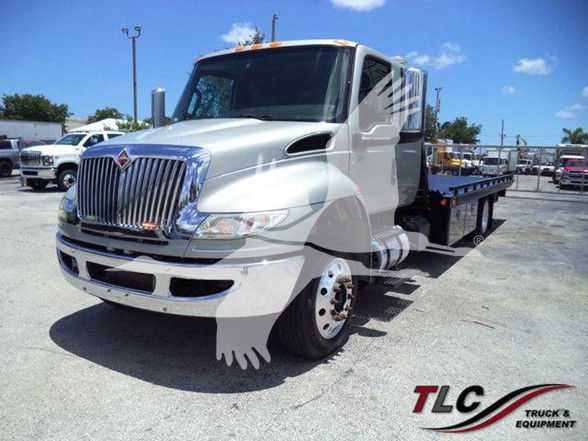
2022 International MV
163,951 mi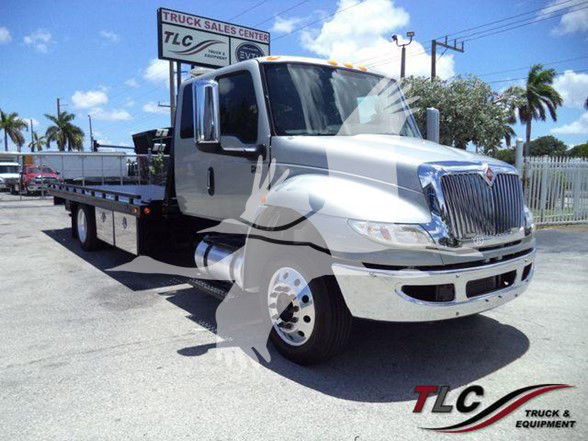
Have used 2022 tow truck to sell? List it here to reach thousands of buyers.
Used 2022 Tow Trucks
For rollback applications, buyers should start with bed length, deck construction, and winch rating. Common setups include 21 to 22 foot steel or aluminum decks, 102-inch width, and 8,000 to 12,000 lb winches, with some heavier carriers stepping well beyond that. Low-profile and LCG-style beds matter if the truck will move lowered cars, EVs, or specialty vehicles with limited ground clearance. Wheel-lift capacity is another practical checkpoint, especially on carrier units that regularly handle tow-away work. Toolboxes, removable rails, work lights, stake pockets, rear stabilizers, and pintle hitches all affect day-to-day usefulness more than many buyers expect.
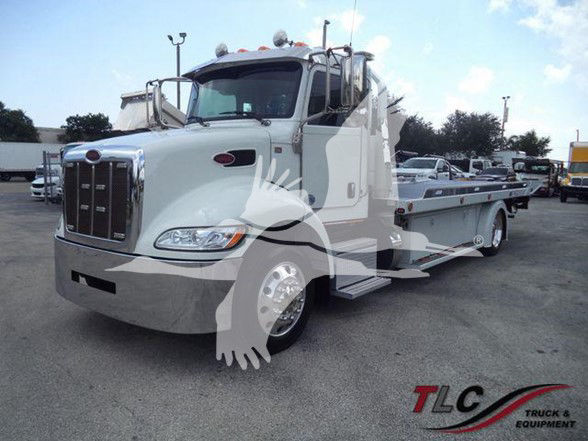
On the chassis side, 2022 tow trucks commonly show up on medium-duty platforms from Ford, Freightliner, International, Peterbilt, Kenworth, Ram, and Chevrolet. Engine and transmission combinations are usually selected for stop-and-go urban duty, with diesel torque, automatic transmissions, PTO integration, and aggressive rear axle ratios playing a big role in launch, control, and hydraulic response. GVWR can range from light-duty repo-style units up to 26,000 lb non-CDL carriers and heavier tandem-axle trucks built for larger recoveries. Air brakes, air ride suspension, double frame construction, dual steering gears, and front axle ratings become more important as the truck moves into 10-ton, 12-ton, or heavier work.
A smart buyer should evaluate a 2022 used tow truck as both a chassis and a piece of towing equipment. Hours on the PTO, condition of the bed floor, winch cable or synthetic line, hydraulic leaks, wheel-lift wear, lighting function, and corrosion around crossmembers and body mounts all tell the real story. Service records matter, but so does application history. A clean carrier that spent its life on dealer transport work will often age differently than a truck used in heavy recovery, police impound, or accident response. Matching the truck to the intended mix of passenger vehicles, pickups, medium-duty units, or roadside recovery jobs is what determines long-term satisfaction.
Frequently Asked Questions about Used 2022 Tow Trucks
What should I look for first when buying a used 2022 tow truck?
Start with the body type and intended workload. A rollback carrier is ideal for vehicle transport, dealer moves, and general roadside towing, while a wrecker with a wheel-lift or self-loader is better suited for fast hook-ups, impounds, and tighter urban recovery work. After that, verify GVWR, bed length, winch rating, wheel-lift capacity, axle ratings, and whether the chassis spec matches the jobs the truck will actually perform.
Are most 2022 tow trucks diesel and DEF-equipped?
Yes. Most 2022 medium-duty tow trucks use modern diesel engines with emissions systems that require diesel exhaust fluid. That is normal for the model year and should be evaluated as part of routine maintenance rather than treated as a drawback by itself. Buyers should pay close attention to fault history, idle time, service documentation, and whether the truck was operated in a way that allowed the aftertreatment system to complete regens properly.
What is the difference between a rollback tow truck and a wrecker?
A rollback tow truck uses a tilting, sliding deck to load the vehicle fully onto the bed, which reduces wear on the towed vehicle and works well for all-wheel-drive, damaged, or low-clearance units. A wrecker typically uses a wheel-lift, boom, or self-loading mechanism to lift one end of the vehicle for towing. Rollbacks are generally more versatile for transport, while wreckers are often faster for repossession, impound work, and short-distance towing.
Is a 26,000 lb GVWR tow truck enough for most work?
For many operators, yes. A 26,000 lb GVWR carrier can cover a large share of passenger vehicle, pickup, and light commercial towing while avoiding CDL requirements in many jurisdictions, assuming the operation stays within all local and federal rules. The limit appears when the truck is expected to handle heavier recoveries, larger box trucks, or repeated high-capacity wheel-lift work, where a heavier chassis or tandem-axle setup makes more sense.
How important is the body brand on a used tow truck?
It matters a great deal because the body determines towing geometry, hydraulic performance, parts support, and long-term durability. Well-known manufacturers such as Jerr-Dan, Century, Dynamic, and similar brands tend to have better service familiarity in the field and stronger parts availability. A strong chassis paired with a worn or poorly supported body can still become an expensive truck to own, so buyers should inspect the towing equipment as closely as the engine and transmission.