
Used Hino Tow Trucks For Sale
Shop used Hino tow trucks, including rollback and car carrier setups, with diesel power, medium-duty GVWRs, and proven fleet-ready chassis.
No exact matches found for your search
Showing Used Tow Trucks instead.

Have used hino tow truck to sell? List it here to reach thousands of buyers.
Used Hino Tow Trucks
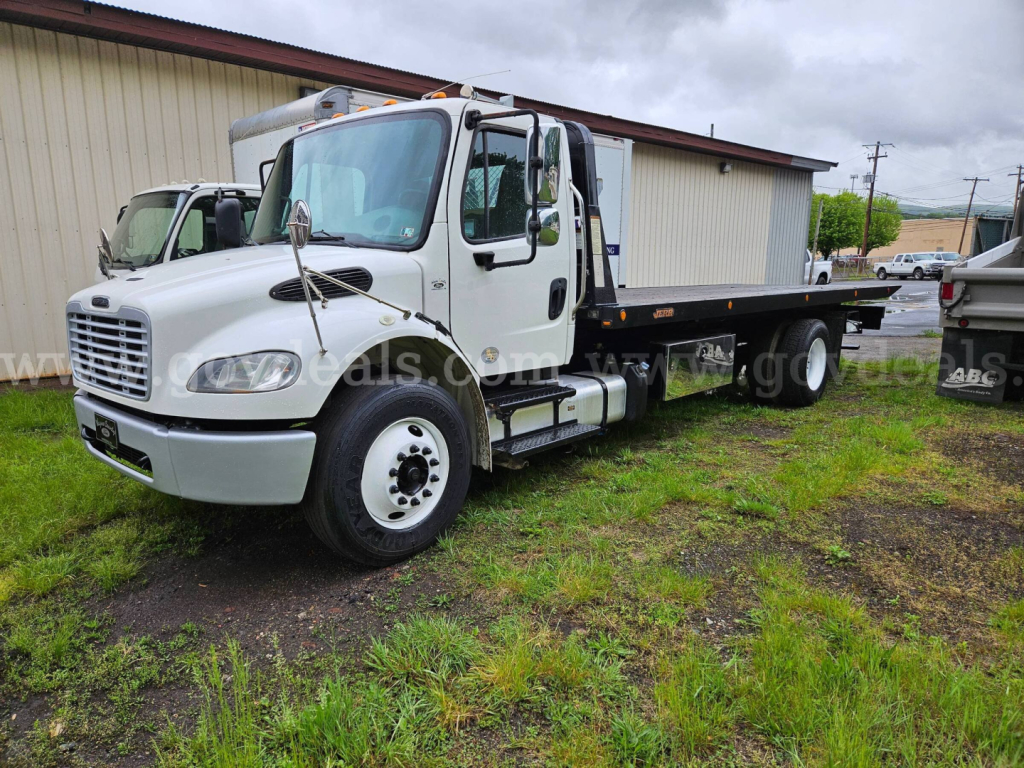
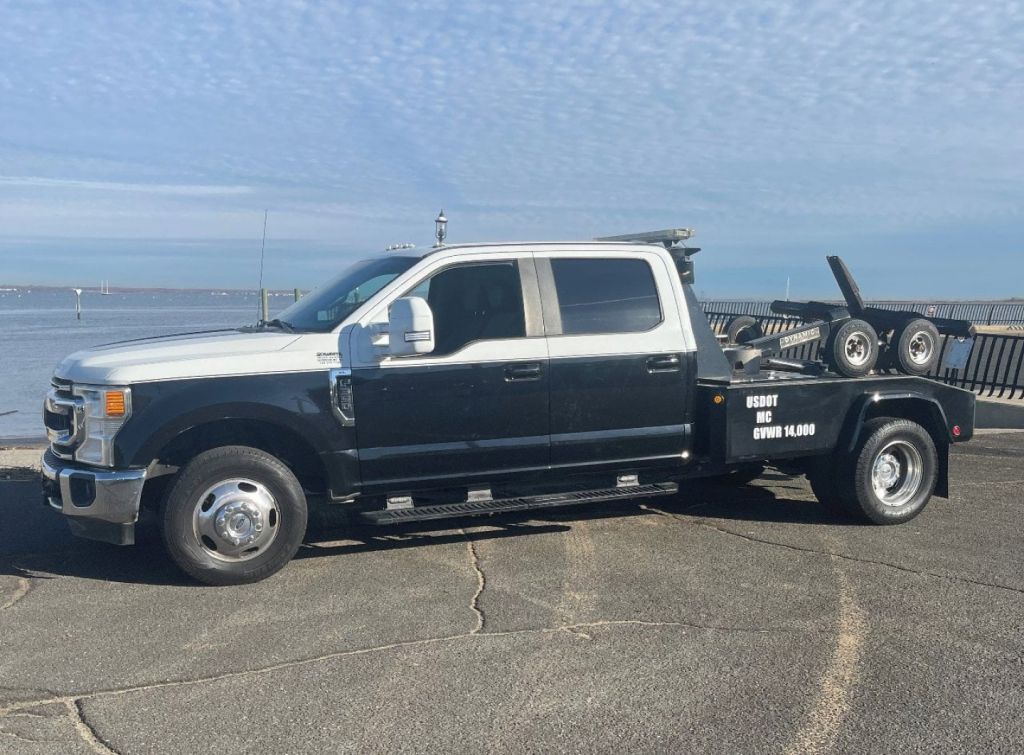
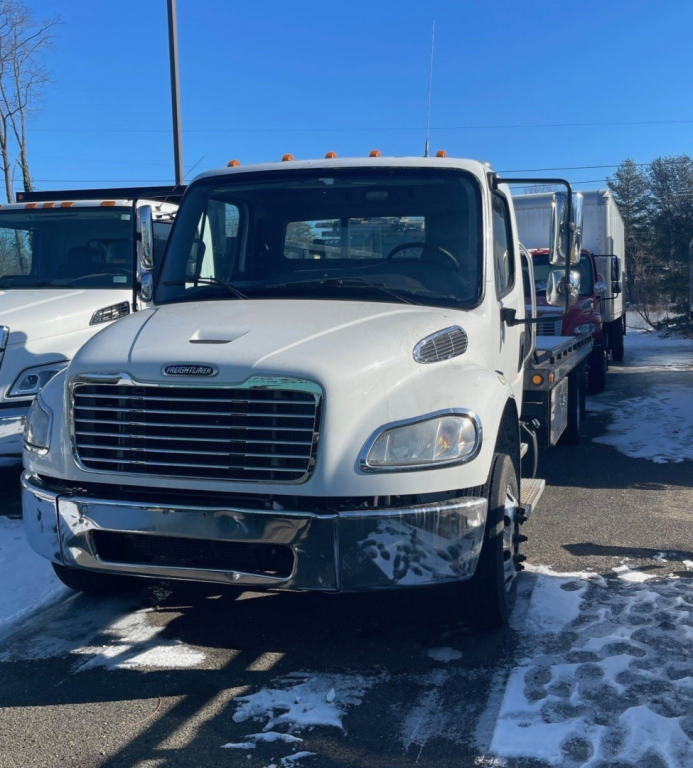
A buyer should pay close attention to the chassis rating and the body upfit together. Many used Hino tow trucks in this class fall around 25,500 to 26,000 GVWR, which keeps them in a practical medium-duty range while still supporting a 20 to 21 foot rollback body, wheel-lift, toolboxes, and winch equipment. Common specs include a Hino or Toyota-sourced 7.6L diesel, Allison automatic transmission, air brakes, air ride suspension, and 22.5-inch rubber on a single-axle 4x2 layout. On the carrier side, look for deck width, deck material, low-profile or XLP deck design, winch rating, stationary or removable pylon setup, hydraulic wheel-lift capacity, and the condition of rails, cylinders, hoses, and controls. For repossession and low-clearance vehicle transport, extra-low-profile decks and right-approach or reduced-angle designs can make a real difference in day-to-day usability.
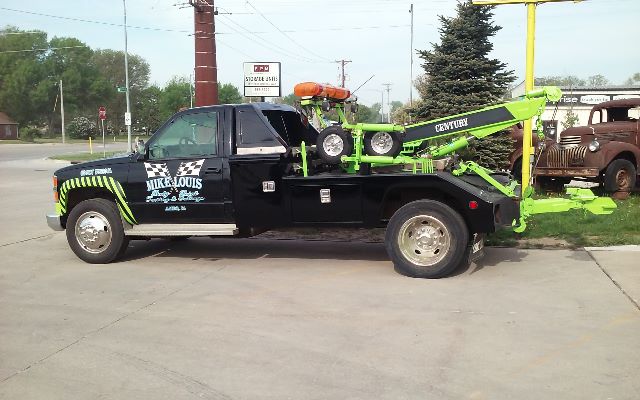
The upfit brand matters because serviceability and parts support matter. Jerr-Dan and Century are common names on used Hino rollback trucks, and buyers should inspect the subframe, crossmembers, deck floor, tie-down points, winch operation, and wheel-lift geometry as closely as they inspect the engine and transmission. On higher-mileage units, fleet maintenance history is especially important. Hino chassis are often found in lease-return or fleet-serviced applications, which can be a plus if the records show consistent PM intervals, brake work, suspension service, and cooling system attention. Cab condition also matters more than many buyers expect, since tow work involves constant entry and exit, idling, PTO or hydraulic operation, and exposure to weather, debris, and roadside use.
For most buyers, the key decision is matching the truck to the job mix. A used Hino rollback is ideal when the priority is moving passenger vehicles, light trucks, and equipment that fits a medium-duty carrier deck. It is not a substitute for a dedicated heavy wrecker, but it can be an efficient revenue truck for transport-focused towing operations. Check local CDL and registration rules, confirm actual payload and towing limits based on the completed build, and verify that lights, hydraulics, winch systems, and wheel-lift components are ready for service. A well-spec'd used Hino tow truck can be a practical choice for operators who want a dependable carrier platform with broad body compatibility and familiar medium-duty service requirements.
Frequently Asked Questions about Used Hino Tow Trucks
What are the most common used Hino tow truck configurations?
The most common used Hino tow trucks are rollback carriers, also called slidebacks or car carriers, built on medium-duty chassis like the Hino 258ALP and 268A. These setups usually have a 20 to 21 foot deck, an integrated winch, and often a hydraulic wheel-lift for secondary towing. They are widely used for passenger vehicle recovery, dealer transport, auction runs, and light commercial vehicle hauling.
What GVWR range should I expect on a used Hino rollback tow truck?
Many used Hino rollback tow trucks are built in the 25,500 to 26,000 GVWR range. That class is common because it supports a practical medium-duty carrier body while keeping the truck maneuverable and efficient for urban and regional towing work. Buyers should still verify the exact completed-vehicle rating, since the body, wheel-lift, toolboxes, and accessories all affect legal payload and operating limits.
What should I inspect on the tow body of a used Hino?
Inspect the rollback deck, subframe, crossmembers, hydraulic cylinders, hoses, controls, tie-down points, winch, and wheel-lift before focusing only on the chassis. Check for deck rust, bent rails, uneven slide operation, leaking hydraulics, damaged L-arms, and signs of hard use around the pylon and toolbox mounts. A clean-running chassis is important, but body condition and hydraulic function often determine how quickly the truck can go to work without added repair cost.
Are Hino tow trucks a good fit for light-duty recovery work?
Yes. Used Hino tow trucks are commonly used in light-duty recovery and vehicle transport because the chassis offers a solid medium-duty platform with diesel power, automatic transmission options, and good maneuverability. They are especially well suited for hauling cars, pickups, crossovers, and similar vehicles on a rollback bed. They are less suited to heavy recovery work that requires a dedicated medium-duty or heavy-duty wrecker design.
Why do low-profile and XLP rollback decks matter on a used Hino tow truck?
Low-profile and XLP deck designs reduce the loading angle, which helps when transporting low-clearance vehicles, damaged vehicles, or specialty cars that are harder to load on a standard carrier. A lower approach angle can also speed up routine loading and reduce the chance of scraping bumpers, spoilers, or underbody components. For operators handling repossessions, dealer vehicles, or performance cars, deck profile is a major buying factor.