
Used Tow Trucks For Sale in Florida
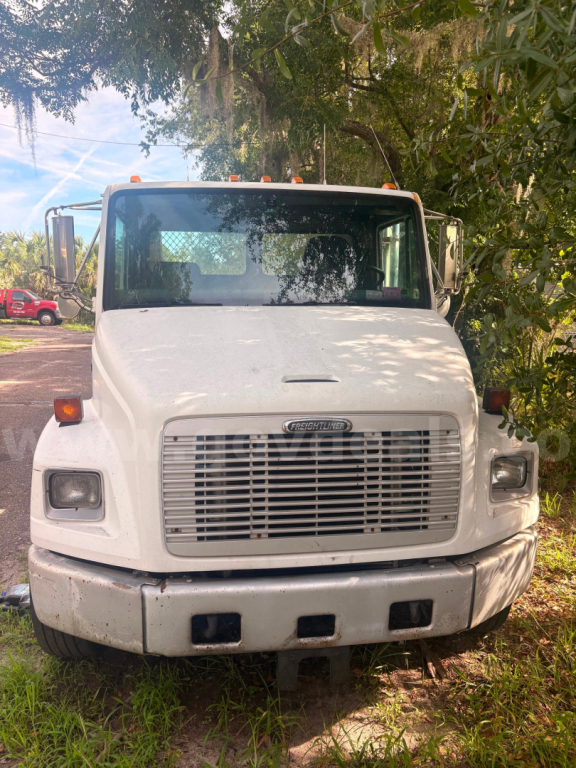
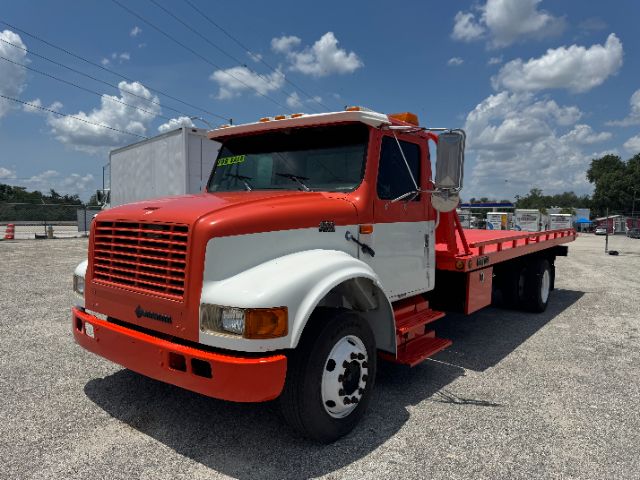
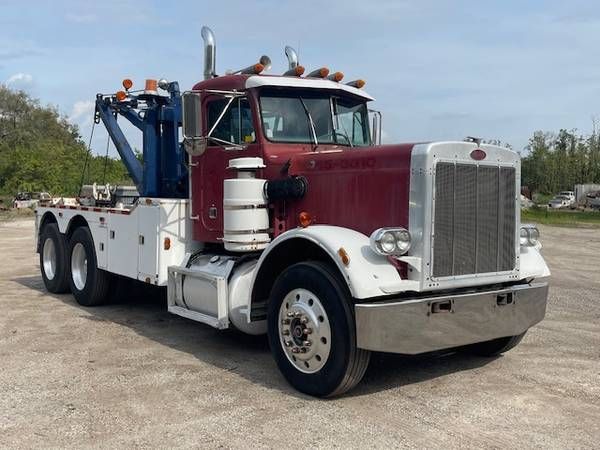
Have used tow truck to sell? List it here to reach thousands of buyers.
Used Tow Trucks in Florida
Chassis and drivetrain matter as much as the towing body. Common used tow truck platforms in this class include Ford F-450 and F-650, Kenworth T370, and Peterbilt 337. Buyers will typically compare diesel engines in the medium-duty range, automatic transmissions such as Allison units, brake type, wheelbase, and GVWR. Light-duty wreckers on pickup-based chassis are often easier to maneuver in urban traffic and tighter lots, while Class 6 and Class 7 carriers provide more stability, bed length, and payload margin. Features that deserve close attention include wheel-lift rating, drag winch capacity, underlift setup, air brakes, air ride suspension, tire size, PTO operation, and the condition of the hydraulic system.
Tow body specs drive day-to-day usability. Many rollback trucks in this segment use 21-foot to 22-foot steel or aluminum beds, often around 102 inches wide, with low-carrier or low center of gravity deck designs for loading lowered cars and specialty vehicles. On wrecker bodies, buyers should look at boom and wheel-lift geometry, L-arms, dollies, tunnel box and side toolbox space, work lights, and warning light bar configuration. On either style, inspect cable condition, winch operation, deck wear, pivot points, hydraulic cylinders, and frame reinforcement. Jerr-Dan is a common body manufacturer in the used market, and parts support, control familiarity, and service history can make a real difference in uptime.
A used tow truck should be evaluated like both a commercial truck and a working piece of recovery equipment. In Florida, corrosion is often less severe than in snow-belt markets, but sun exposure, hydraulic hose aging, electrical issues, and rust from coastal use still deserve a careful inspection. Check bed slides, wheel-lift bushings, PTO engagement, tie-down points, lighting compliance, and signs of overloading or poorly repaired collision damage. If the truck will run local police rotation, private property impounds, dealer transport, or roadside assistance, match the truck's bed length, underlift rating, and chassis size to the job mix. The right used tow truck is the one that fits your service territory, your average vehicle profile, and the speed at which your drivers need to load and clear a scene.
Frequently Asked Questions about Used Tow Trucks in Florida
What is the difference between a rollback tow truck and a self-loader wrecker?
A rollback tow truck uses a tilting bed to load the entire vehicle onto the deck, which is ideal for damaged vehicles, all-wheel-drive units, luxury cars, and low-clearance vehicles. A self-loader wrecker, also called an auto loader, uses a wheel-lift system for faster hookups and is commonly used for repossession, impounds, and short local tows. The right choice depends on your call mix, loading speed requirements, and how often you transport vehicles that should not be towed by the drive axle.
What specs matter most when buying a used tow truck?
The most important specs are body type, GVWR, wheel-lift rating, winch capacity, bed length, chassis size, brake system, and transmission. Buyers should also verify the hydraulic system condition, PTO function, frame condition, tire size, and axle ratings. On rollback carriers, deck width and low-angle loading geometry are important. On wreckers, underlift design, L-arms, dollies, and boom setup matter more.
Are medium-duty tow trucks better than pickup-based wreckers?
Medium-duty tow trucks usually offer higher stability, stronger frame capacity, larger beds, and more towing margin than pickup-based units. They are often better for heavier local work, longer wheelbase applications, and mixed-use towing. Pickup-based wreckers such as Ford F-450 configurations are easier to maneuver, can cost less to operate, and fit well in tight urban service areas. The better truck depends on average vehicle weight, route density, and how often you need a carrier versus a wheel-lift unit.
What should I inspect on a used tow body before buying?
Inspect the winches, cables, hydraulic cylinders, hoses, PTO engagement, control stations, deck or boom structure, wheel-lift components, and all pivot points. Check for cracked welds, bent crossmembers, damaged rails, uneven deck wear, and leaks around hydraulic fittings and pumps. Verify that work lights, beacon or LED warning systems, tie-down points, toolboxes, and safety equipment are present and functional. A body that looks clean but has weak hydraulics or structural repairs can become expensive quickly.
Is a Florida used tow truck a good buy?
A Florida truck can be attractive because it often avoids the heavy road-salt corrosion seen in northern markets. That said, buyers should still inspect for coastal corrosion, UV damage, faded wiring insulation, aging hydraulic hoses, and cab or body wear from constant outdoor storage. Service records, body condition, and evidence of proper maintenance are more important than location alone. A clean Florida tow truck with documented upkeep can be a strong candidate for local or regional service.