
Used Peterbilt Tow Trucks For Sale in Florida
Browse used Peterbilt tow trucks in Florida, including rollback carriers and wreckers with Cummins power, Jerr-Dan bodies, and towing specs.
Learn more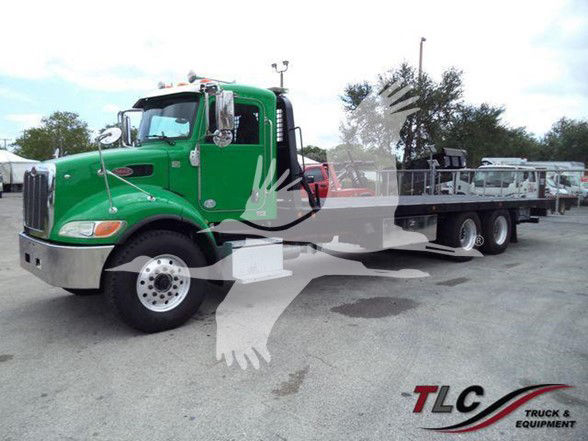
Have used peterbilt tow truck to sell? List it here to reach thousands of buyers.
About Used Peterbilt Tow Trucks in Florida
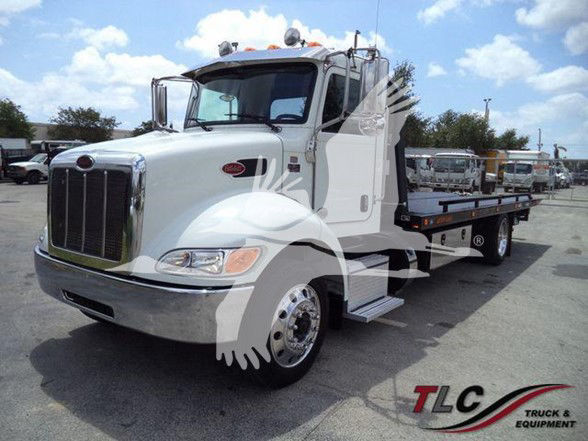
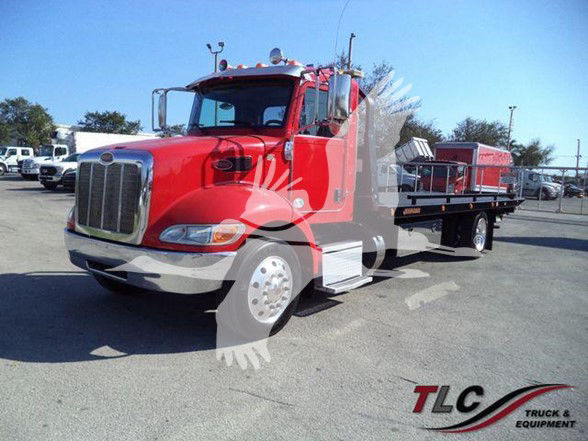
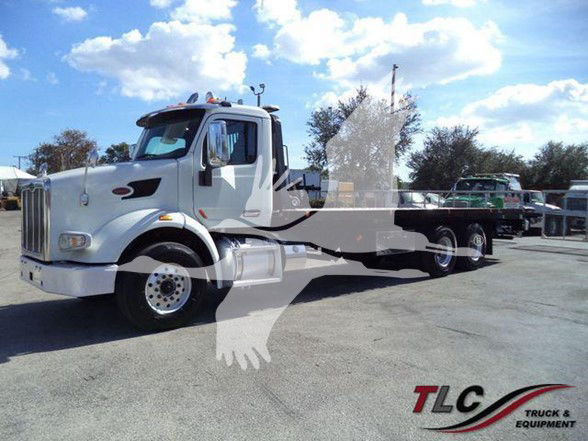
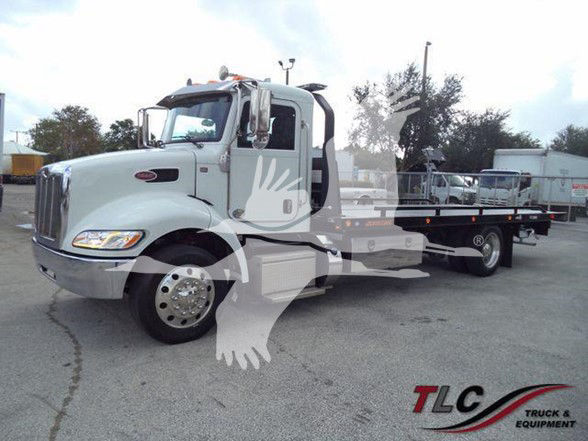
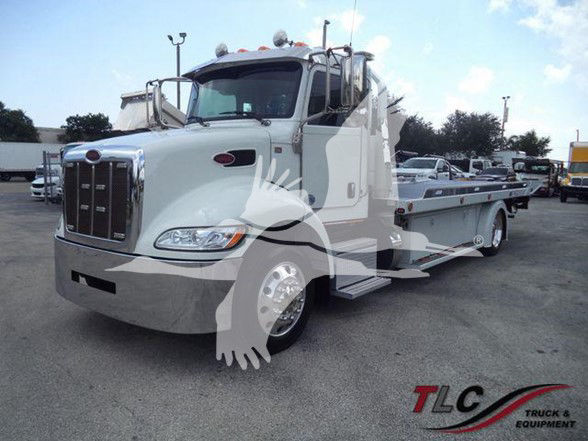
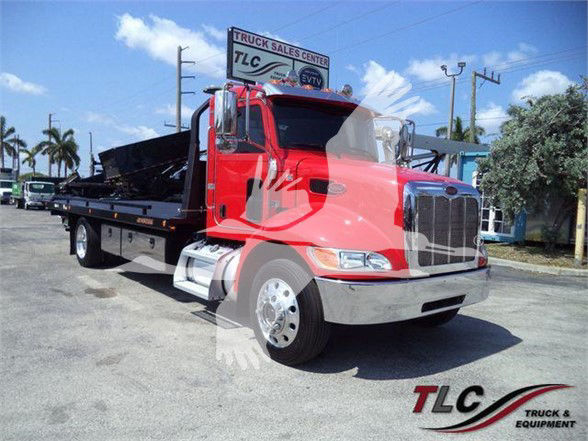
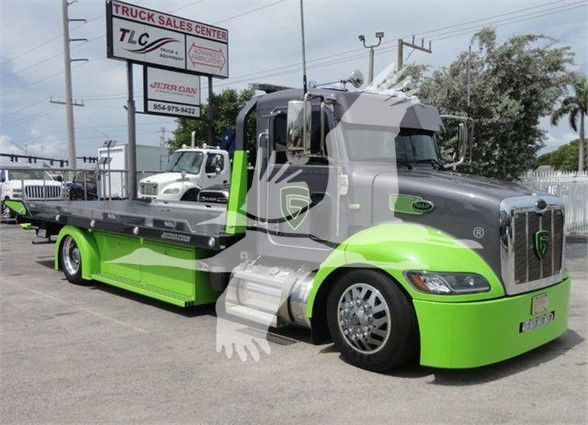
For light- and medium-duty towing, the Peterbilt 337 is one of the most common choices. Many are equipped with Cummins PX-7 or 6.7L engines, Allison automatic transmissions, air brakes, and air ride suspension, usually with a 22-foot low-profile carrier body around 102 inches wide. A typical setup includes a 6-ton steel rollback bed, an 8,000-lb winch, a 3,500-lb wheel lift, removable rails, toolboxes, and LED warning lighting. That combination works well for cars, pickups, vans, and light commercial units, and it is especially practical for urban repossession, accident recovery, dealer transport, and municipal towing where maneuverability matters.
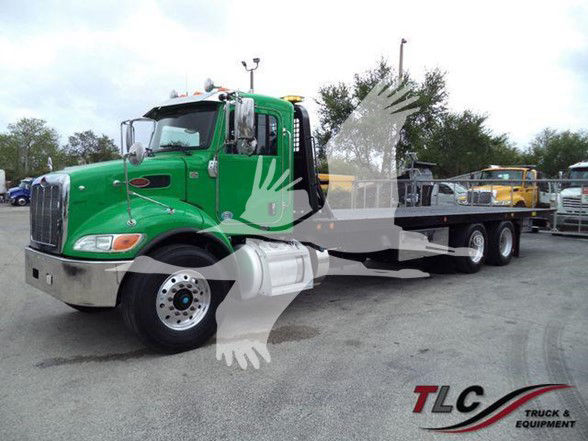
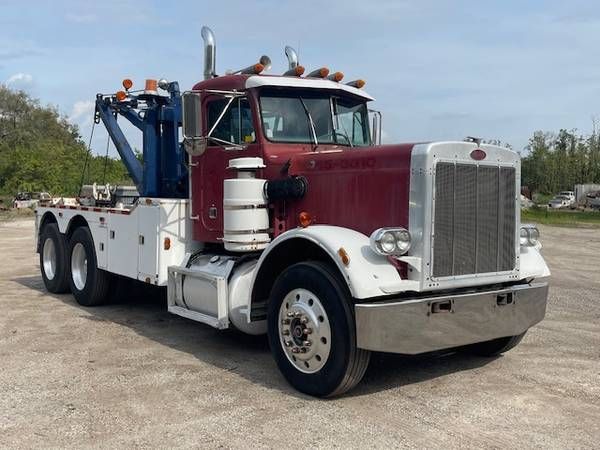
On the heavier end, Peterbilt tow trucks can be spec'd for serious recovery with tandem axles, double frames, larger front and rear axle ratings, and manual transmissions or heavy-duty automated setups. Trucks in the 567 class are often paired with higher-horsepower Cummins engines, 18-speed transmissions, PTOs, and substantial wheelbase to support larger rollback bodies or integrated wreckers. Older Peterbilt 359 wreckers still draw interest when they carry proven Holmes or Zacklift equipment, twin-line winches, and strong underlift ratings. Buyers comparing heavy-duty units should look closely at boom rating, underlift capacity retracted and extended, tow rating, frame reinforcement, steering configuration, suspension type, and service history on both the chassis and the recovery body.
Condition matters as much as brand in this category. On a used Peterbilt tow truck, inspect the carrier deck for corrosion, cracked crossmembers, bent rails, cylinder seepage, and winch performance under load. Check the PTO engagement, hydraulic response, wheel-lift pins and bushings, remote functions, light bar operation, and the condition of chains, L-arms, straps, and storage boxes. For Florida use, cab A/C performance, cooling system condition, and any rust or corrosion from coastal exposure deserve extra attention. A well-matched Peterbilt tow truck should fit the work mix first: a 26,000-GVWR rollback for day-to-day local calls, or a tandem-axle wrecker with stronger underlift and recovery gear for heavier commercial jobs.
Frequently Asked Questions
What is the most common used Peterbilt tow truck setup?
The most common used Peterbilt tow truck setup is a Peterbilt 337 rollback carrier with a 22-foot bed, Cummins diesel engine, Allison automatic transmission, air brakes, and a Jerr-Dan or similar body. Many include a low-profile 102-inch-wide deck, an 8,000-lb winch, and a 3,500-lb wheel lift. This configuration is popular because it handles routine towing, recovery, and vehicle transport without moving into heavy-duty operating costs.
What should I check on a used Peterbilt rollback or wrecker before buying?
Start with the chassis and the towing equipment as separate systems. On the truck, review engine hours, maintenance records, transmission operation, brake condition, axle ratings, frame condition, and suspension wear. On the tow body, inspect the deck structure, hydraulic cylinders, hoses, PTO engagement, winch condition, wheel-lift wear points, boom or underlift operation, and all warning lights and remotes. It is also important to confirm that the body ratings match the type of vehicles you plan to tow.
Is a Peterbilt 337 enough for most towing work?
For many fleets, yes. A Peterbilt 337 is commonly used for light- and medium-duty towing, especially for passenger vehicles, light trucks, and local transport jobs. It offers good maneuverability, a comfortable cab, and a practical chassis for 22-foot rollback bodies. If the job mix includes buses, loaded box trucks, severe recovery, or heavier commercial units, a larger tandem-axle Peterbilt with a stronger underlift or integrated wrecker setup is usually the better choice.
Are older Peterbilt wreckers still worth considering?
Older Peterbilt wreckers can still be good buys if the chassis and recovery equipment have been maintained properly. Models such as the Peterbilt 359 are valued for heavy frame construction, rebuildable drivetrains, and proven wrecker bodies from brands like Holmes and Zacklift. The key is to verify the condition of the engine, driveline, hydraulic system, winches, booms, and underlift, since repair costs on neglected recovery equipment can add up quickly.
Why do Florida buyers pay close attention to cooling and corrosion on used tow trucks?
Florida service conditions put extra stress on A/C systems, engine cooling systems, and exposed metal components. Tow trucks spend long periods idling, operating hydraulics, and working roadside in high heat, so cooling performance matters. Coastal humidity and salt exposure can also accelerate corrosion on carrier decks, toolboxes, electrical connections, light mounts, and frame components. A truck that looks clean but has hidden rust or weak A/C can become expensive to put into daily service.