
New Mack Rolloff Trucks For Sale
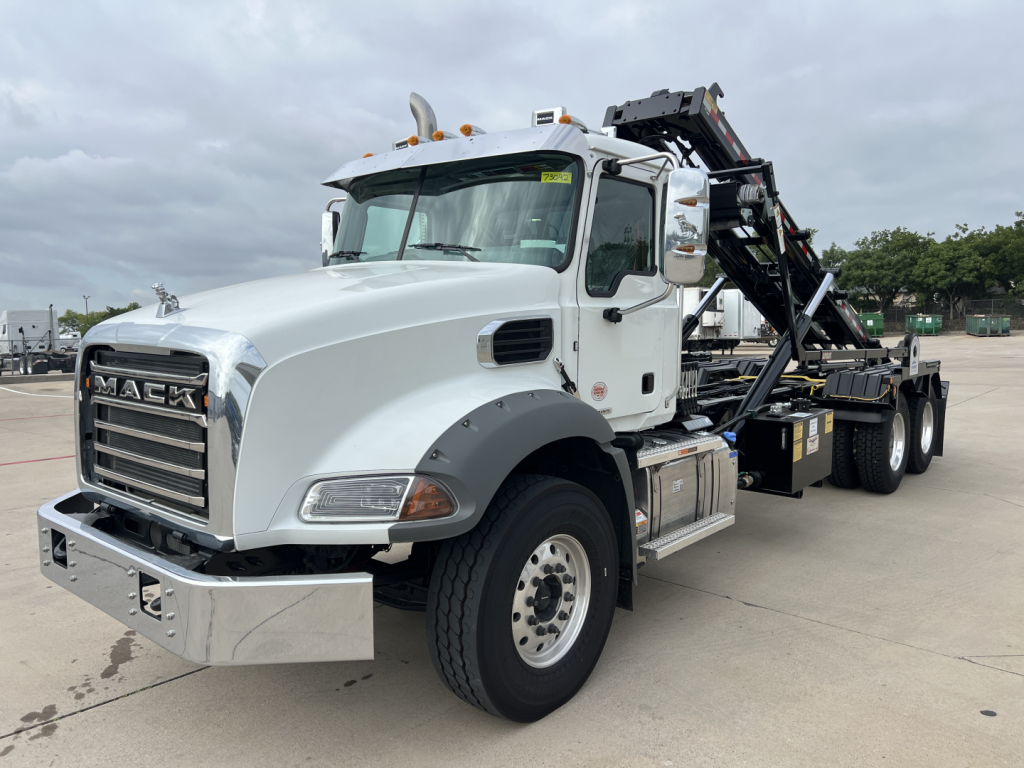
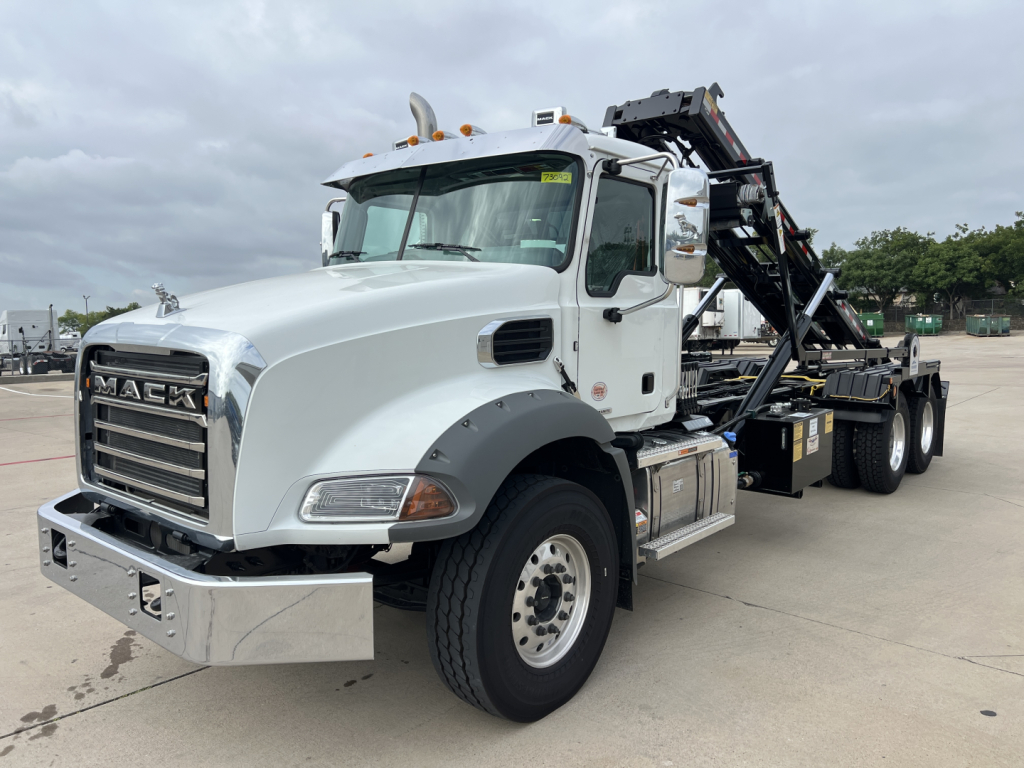
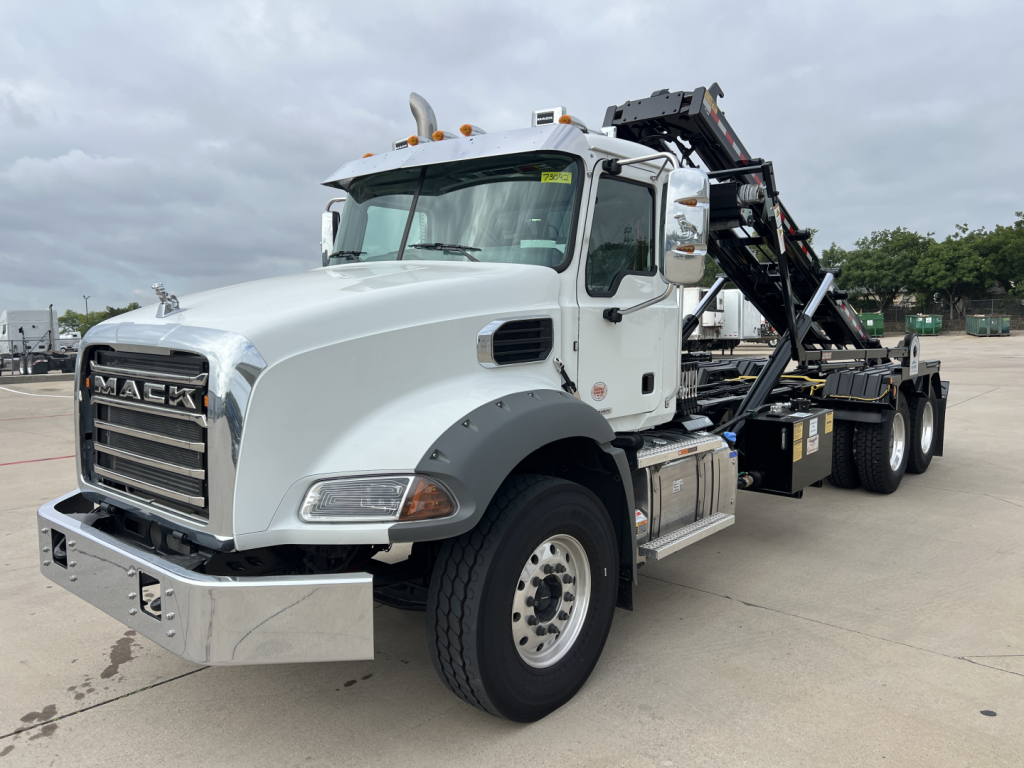
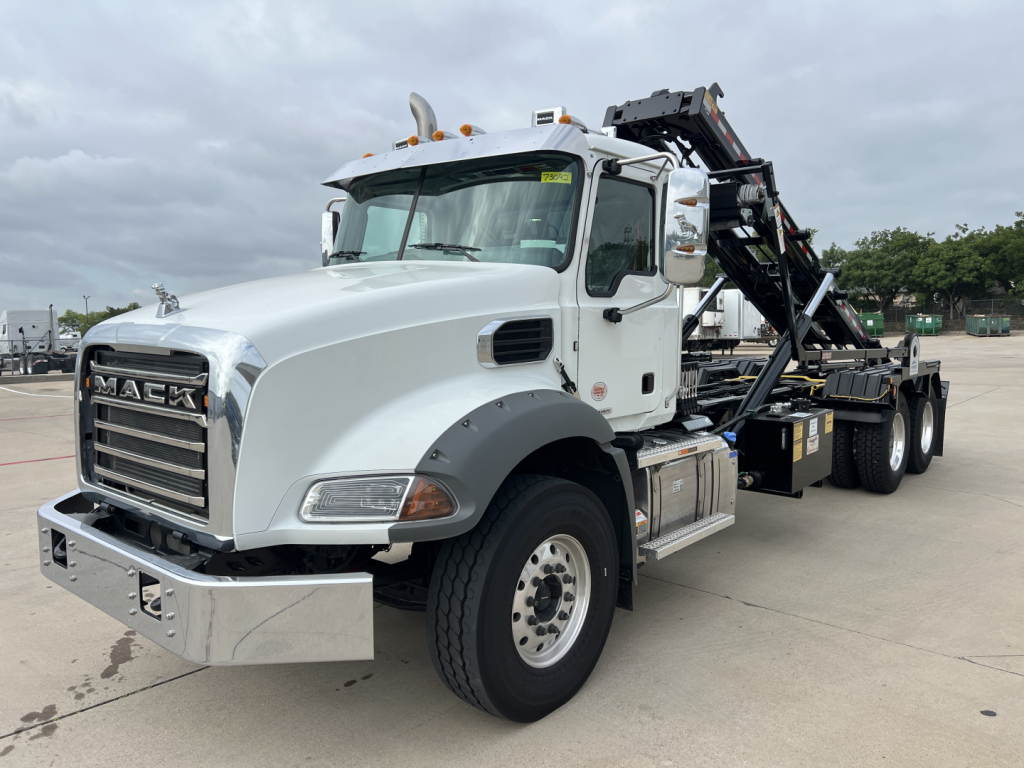
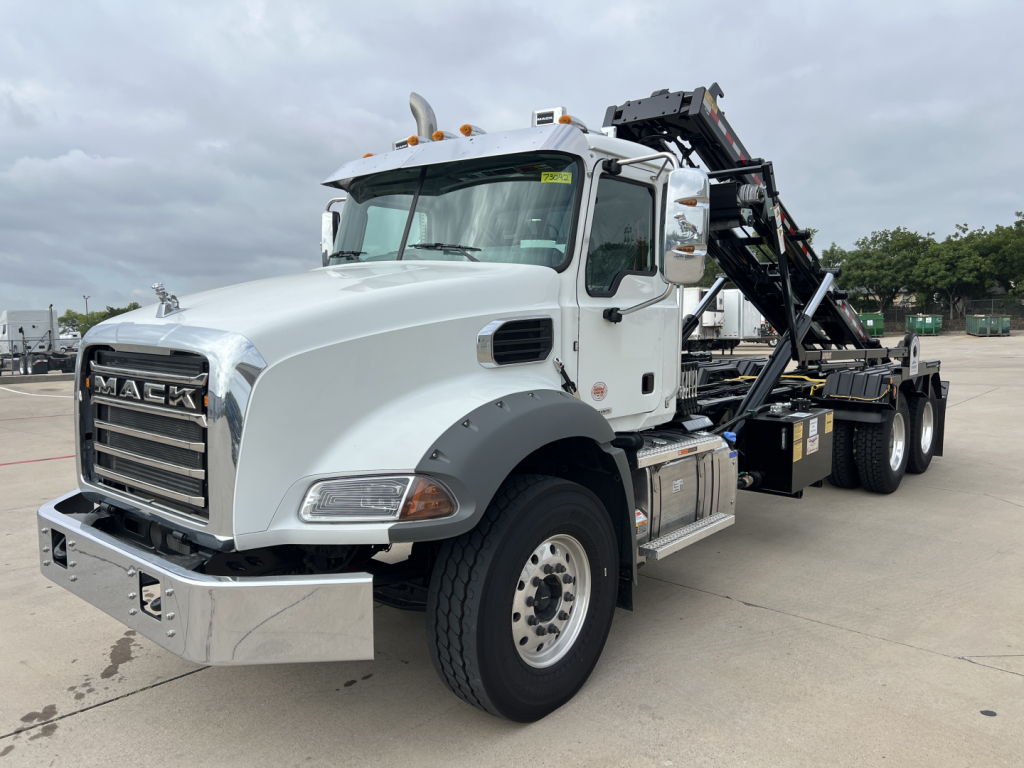
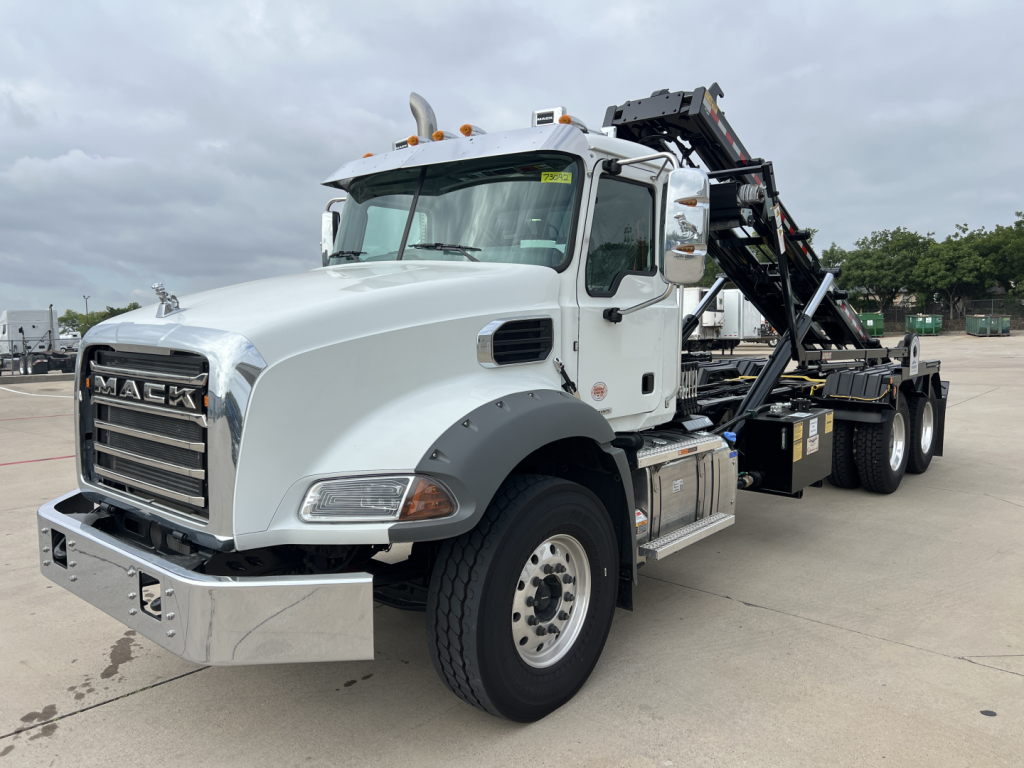
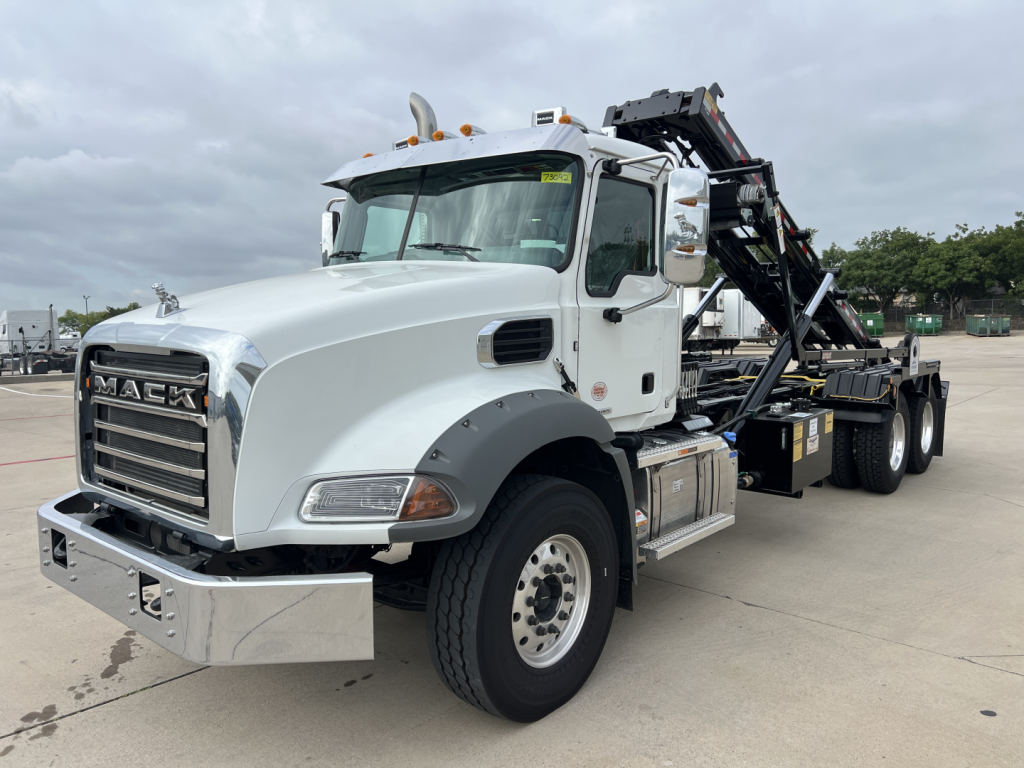
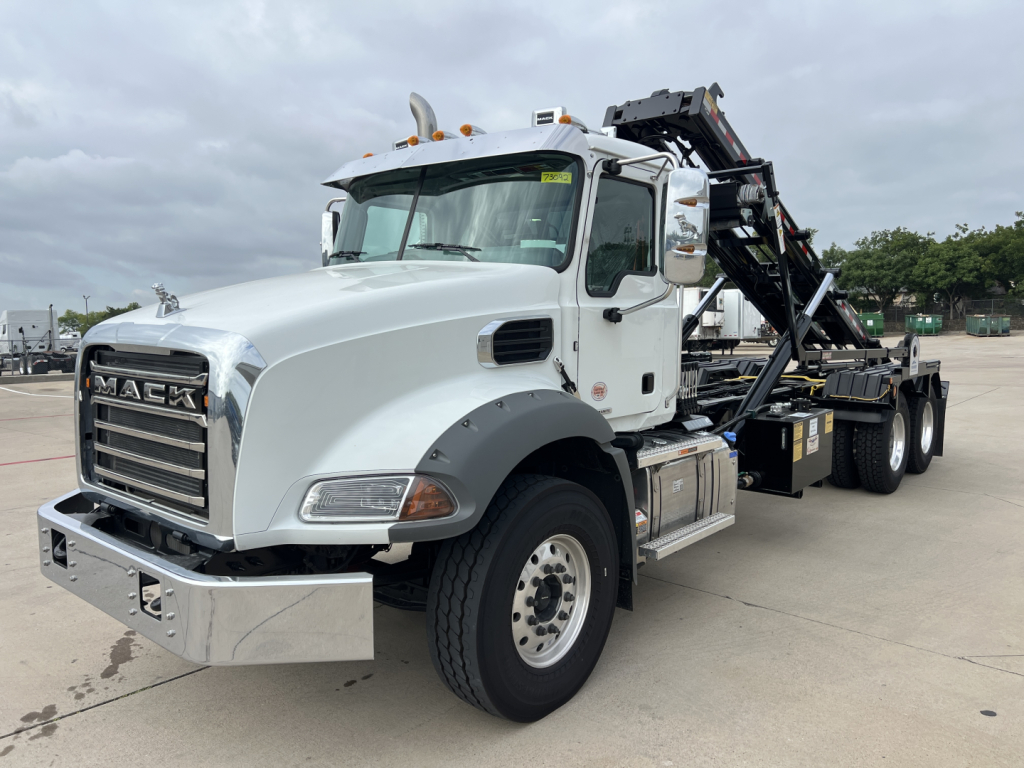
Shop new Mack rolloff trucks built for waste, scrap, demolition, and container hauling with strong chassis specs and PTO-ready upfits.
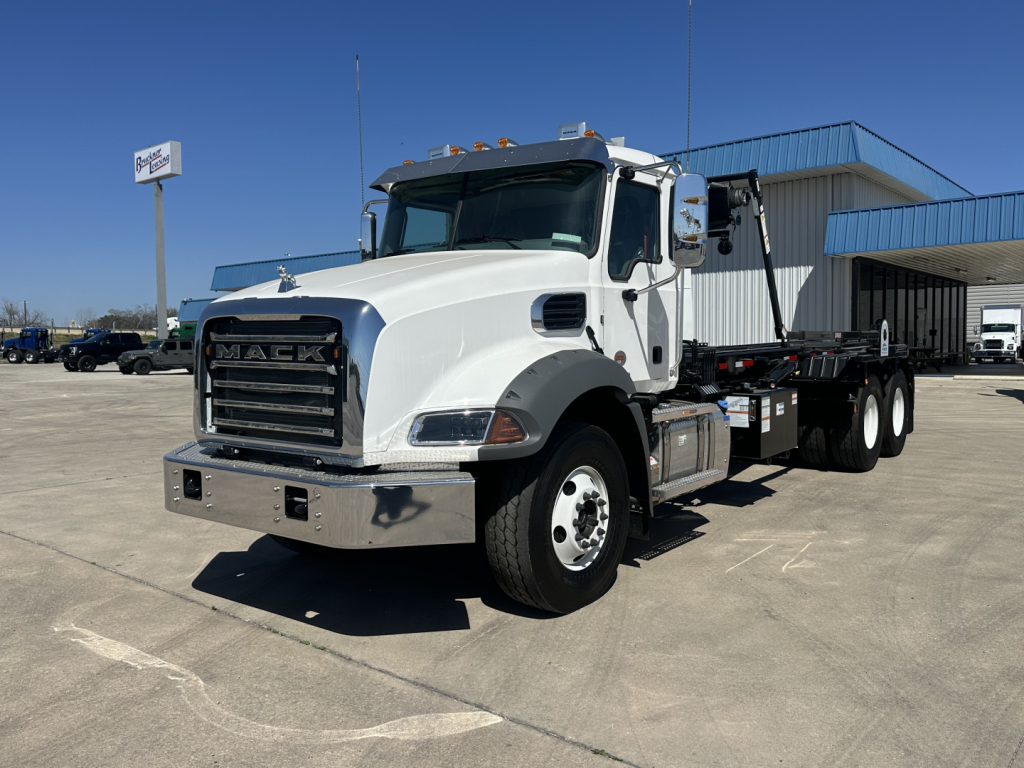
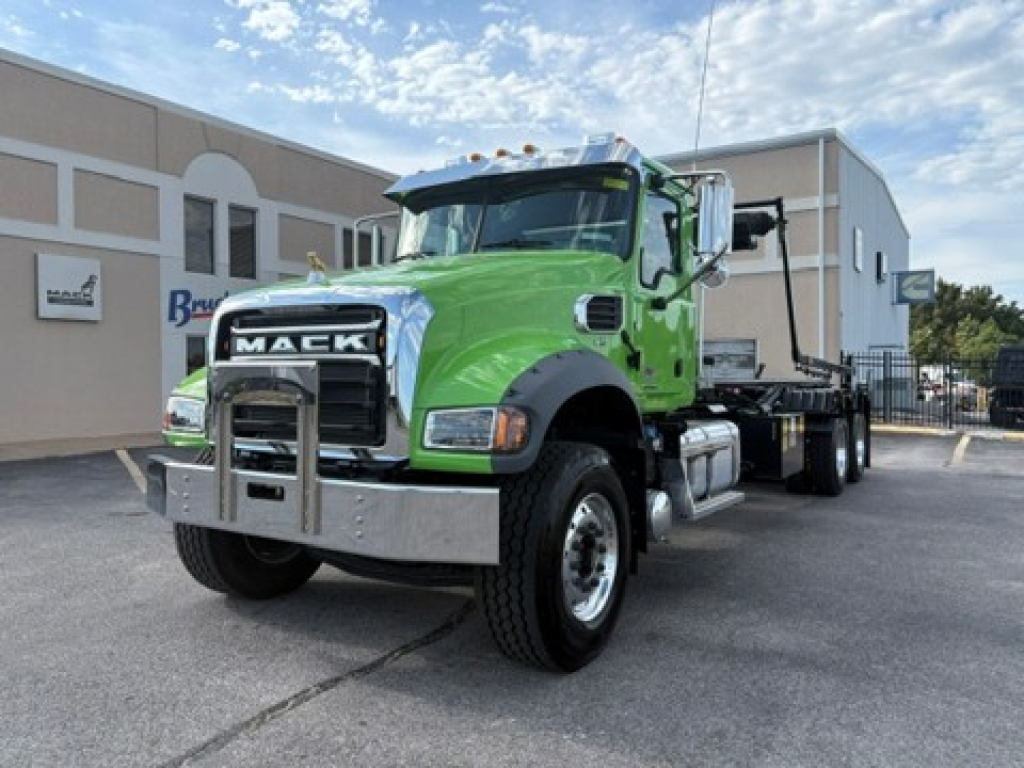
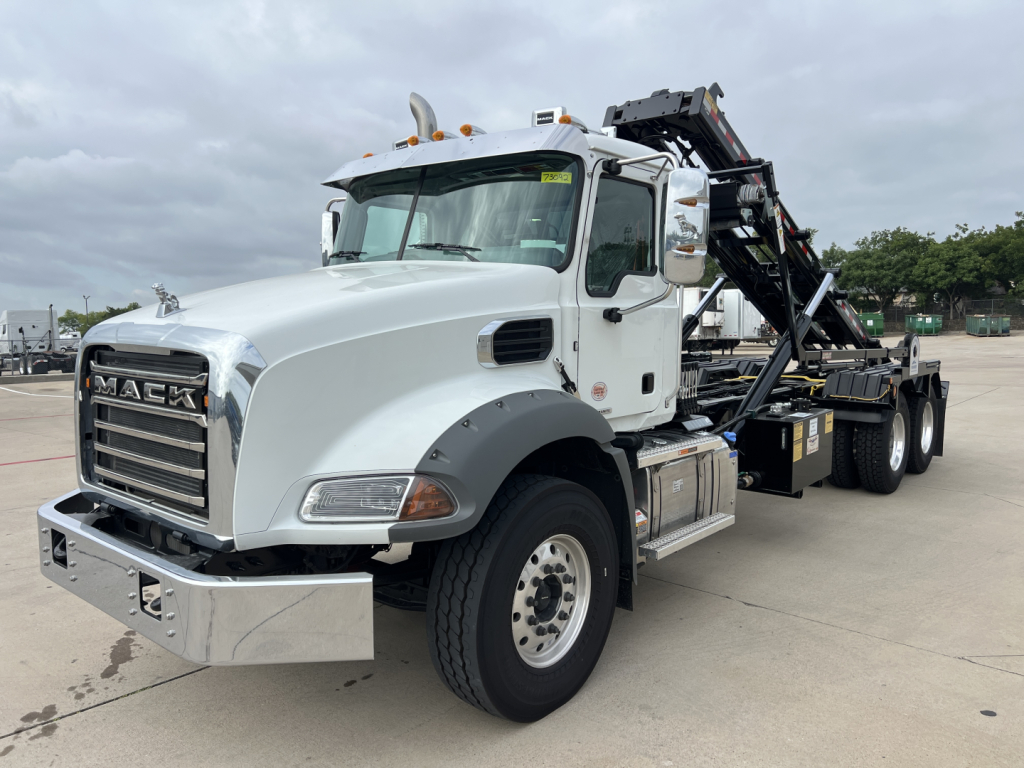
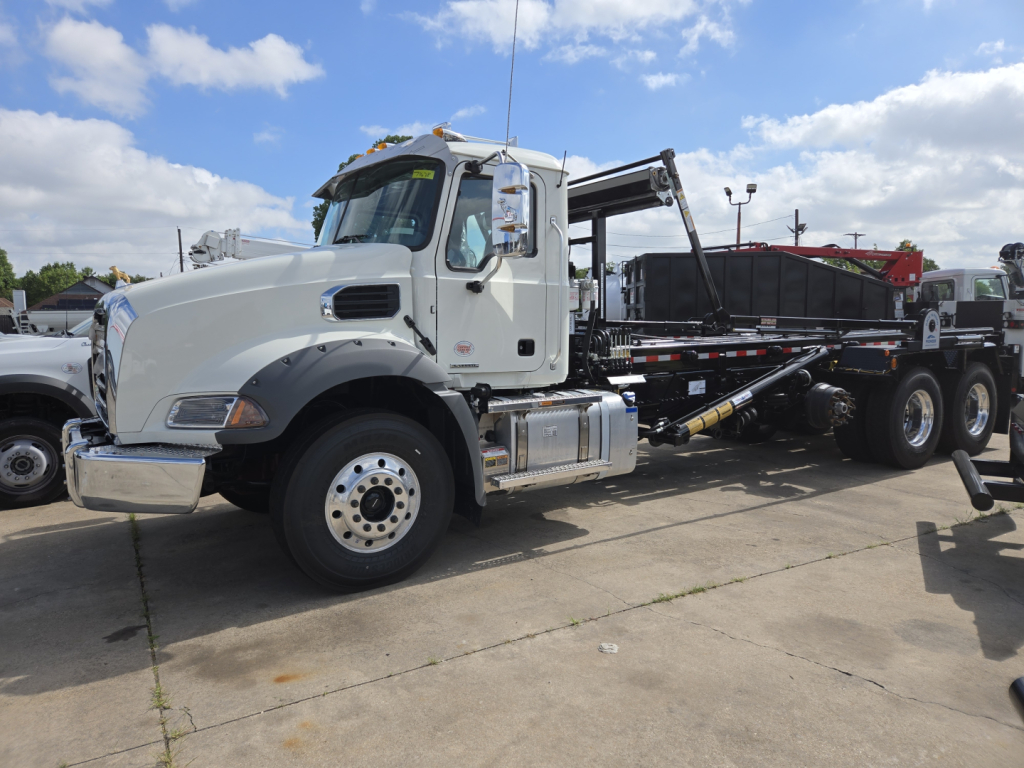
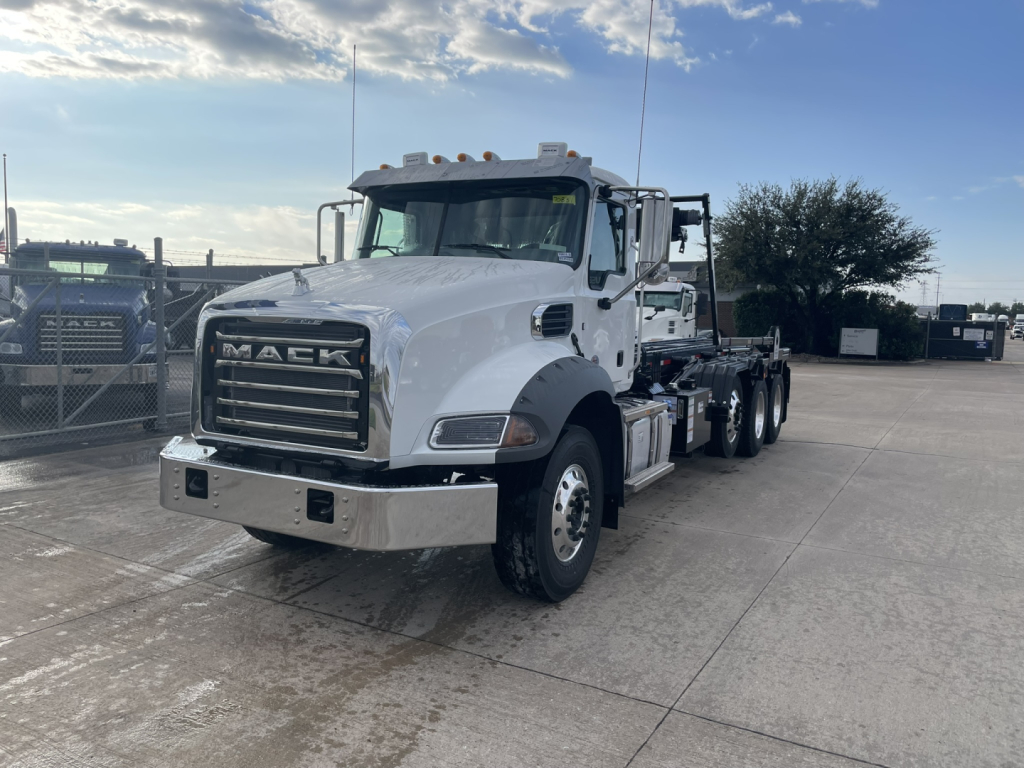
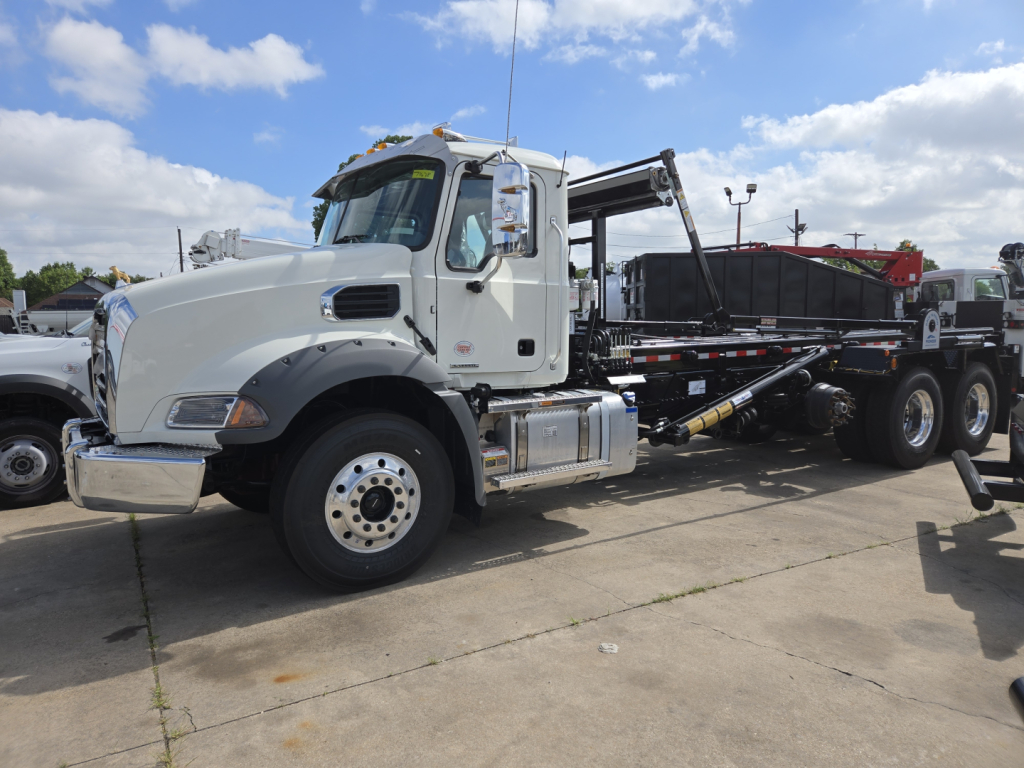
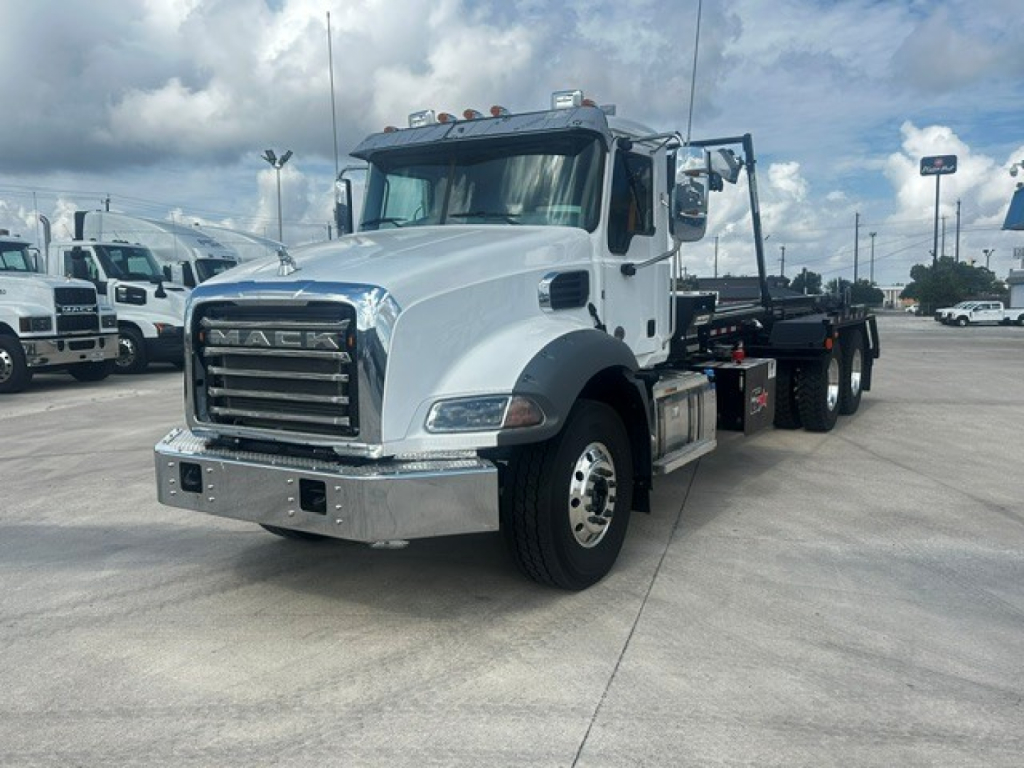
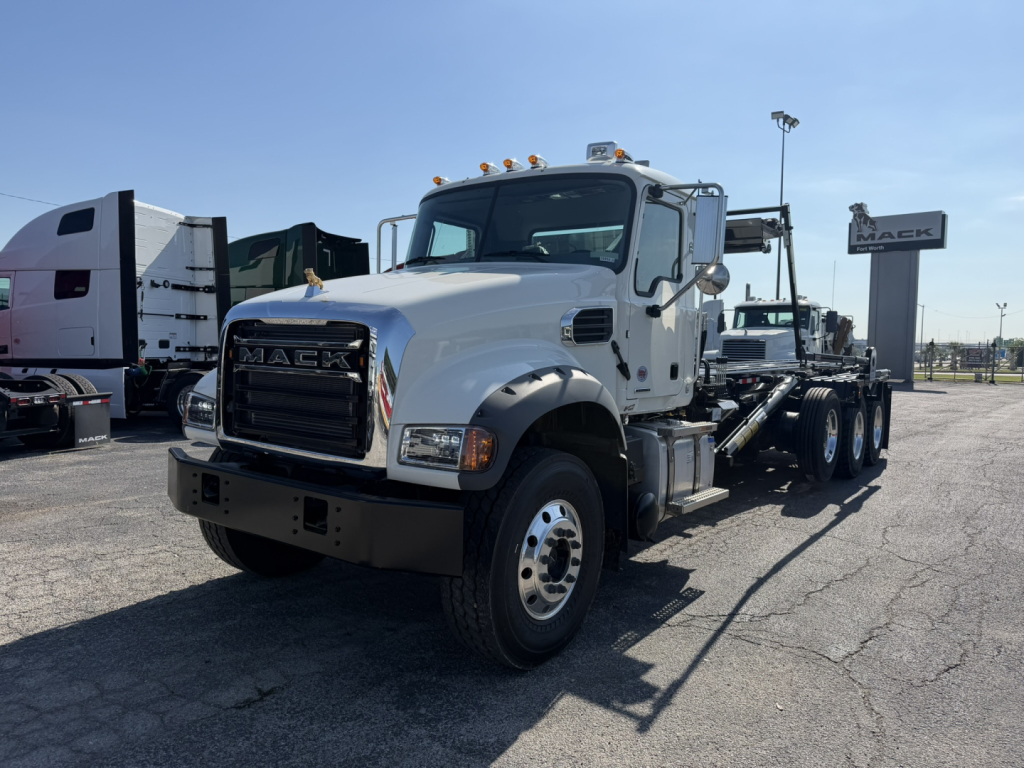
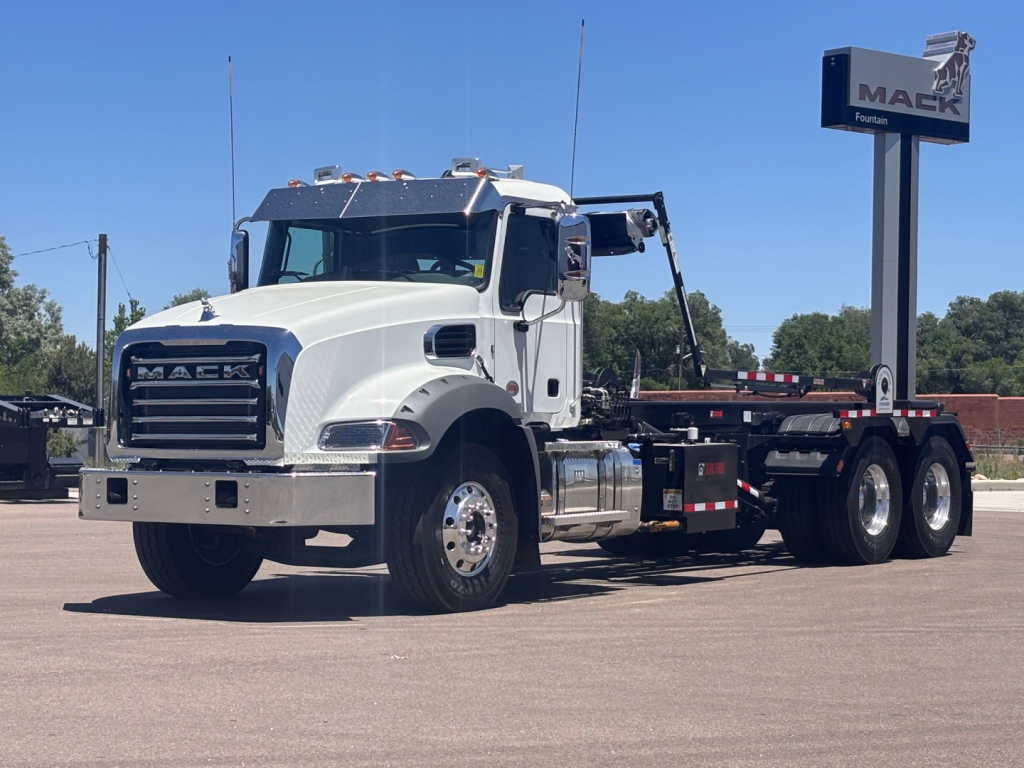
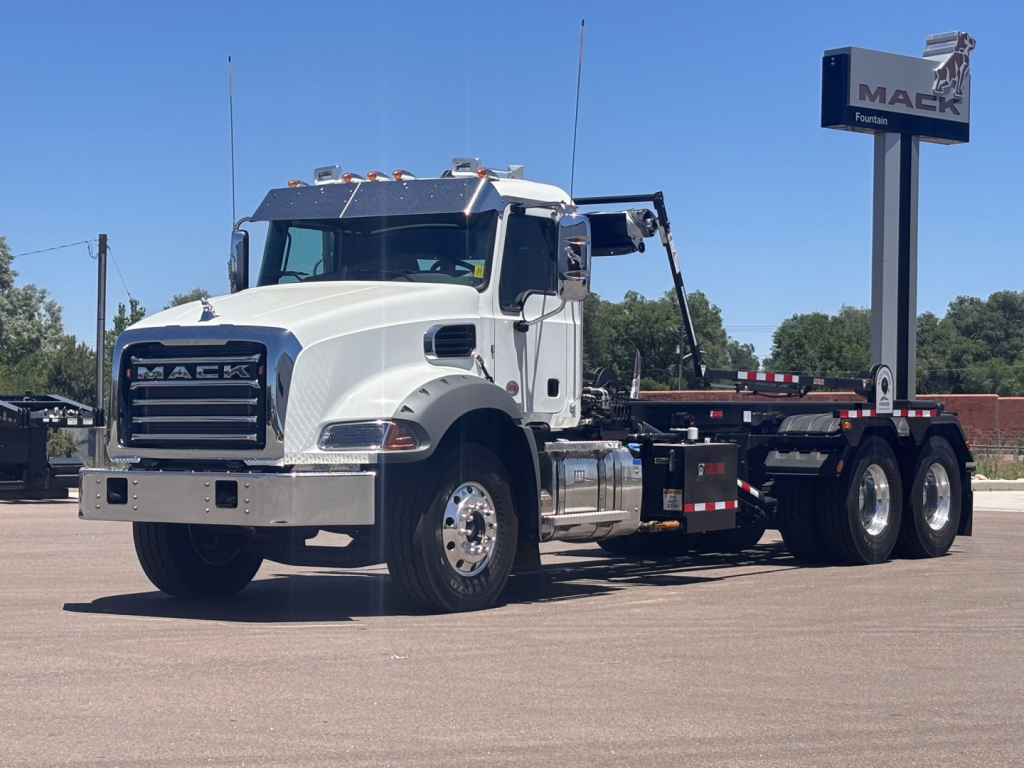
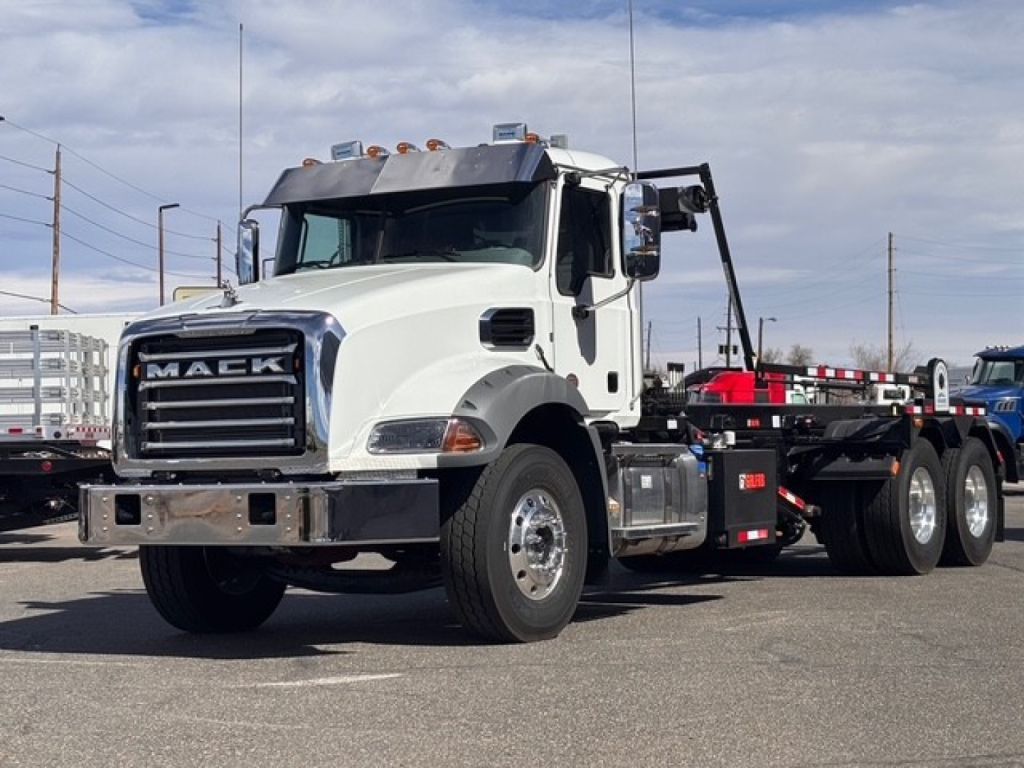
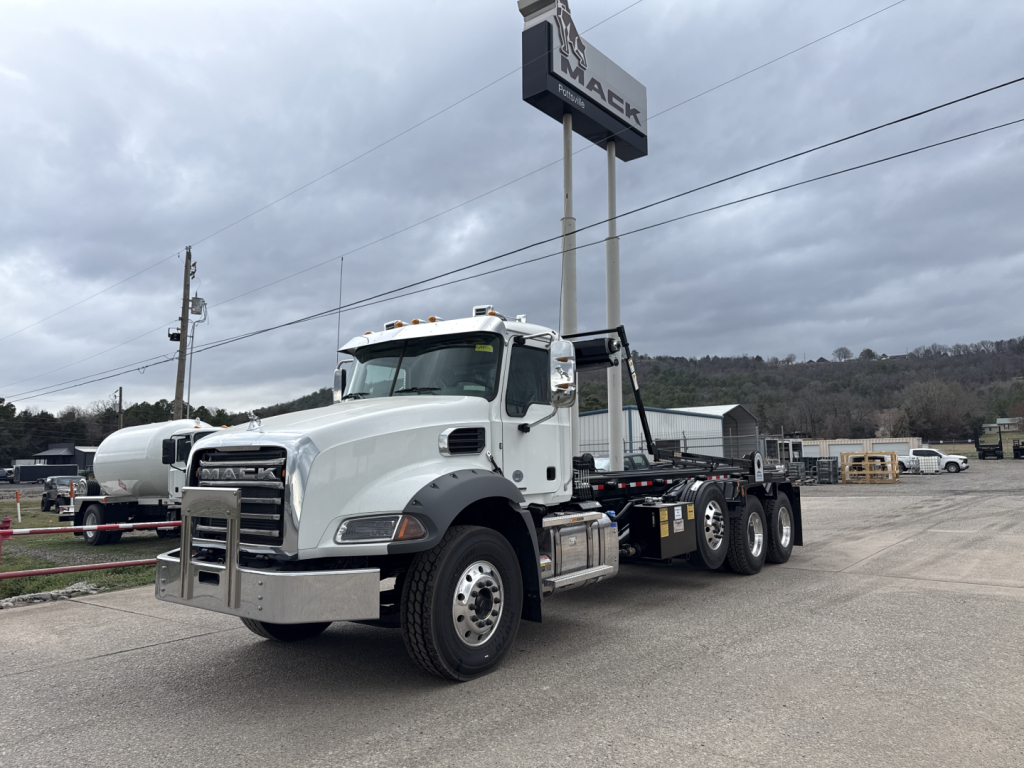
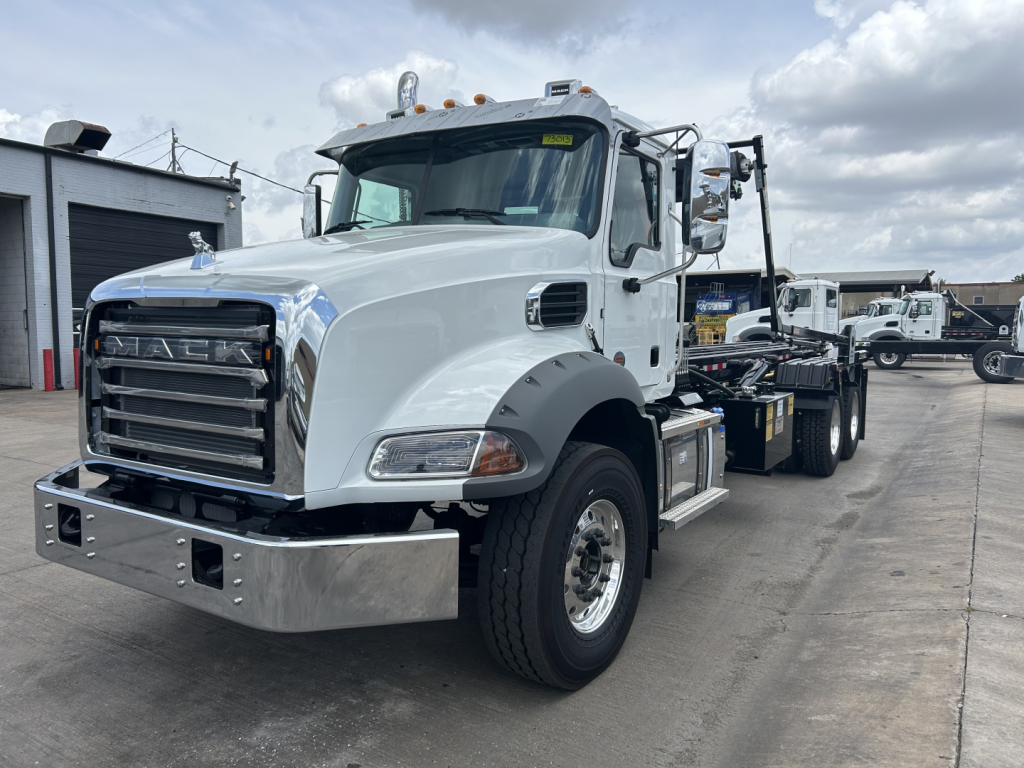
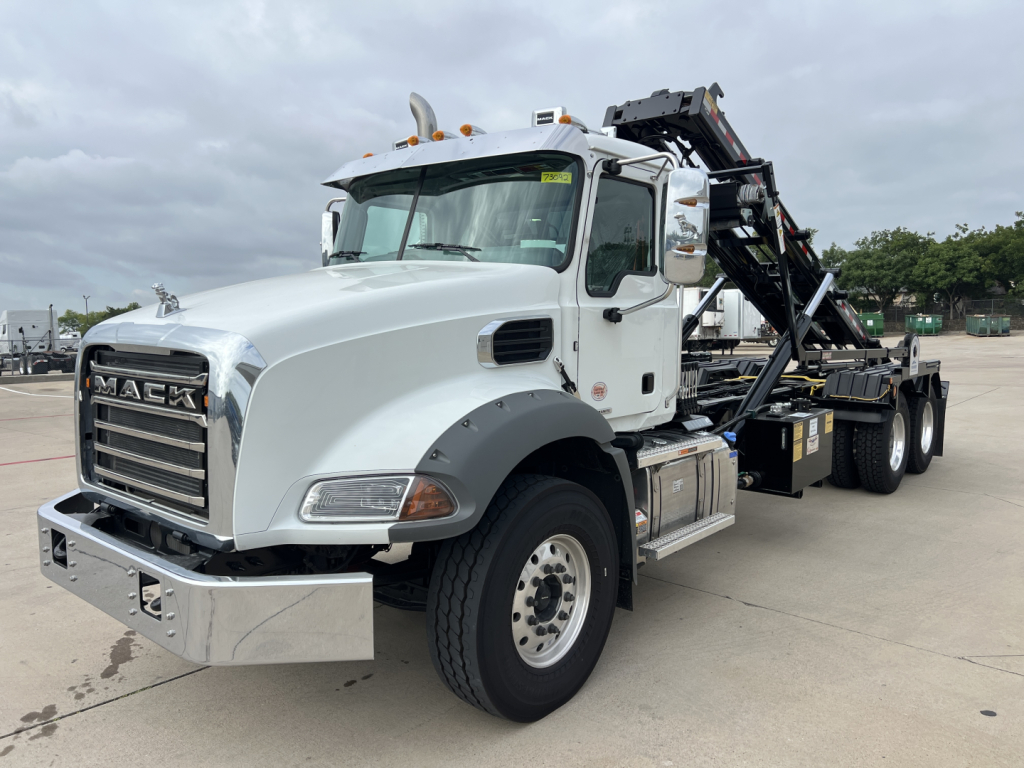
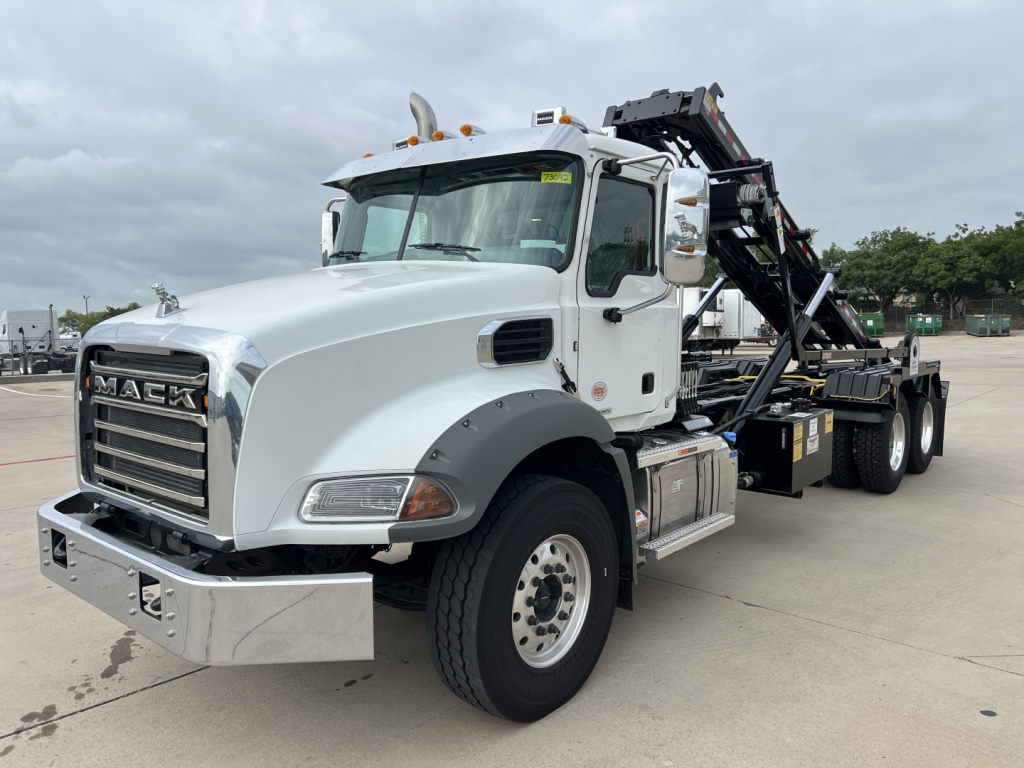
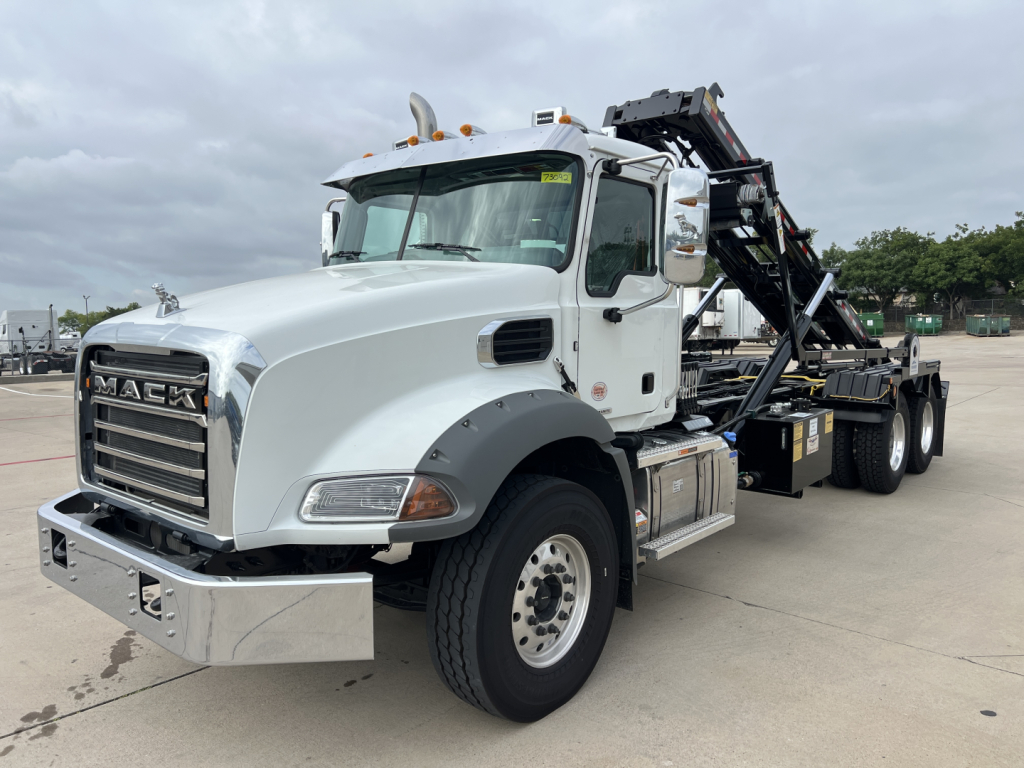
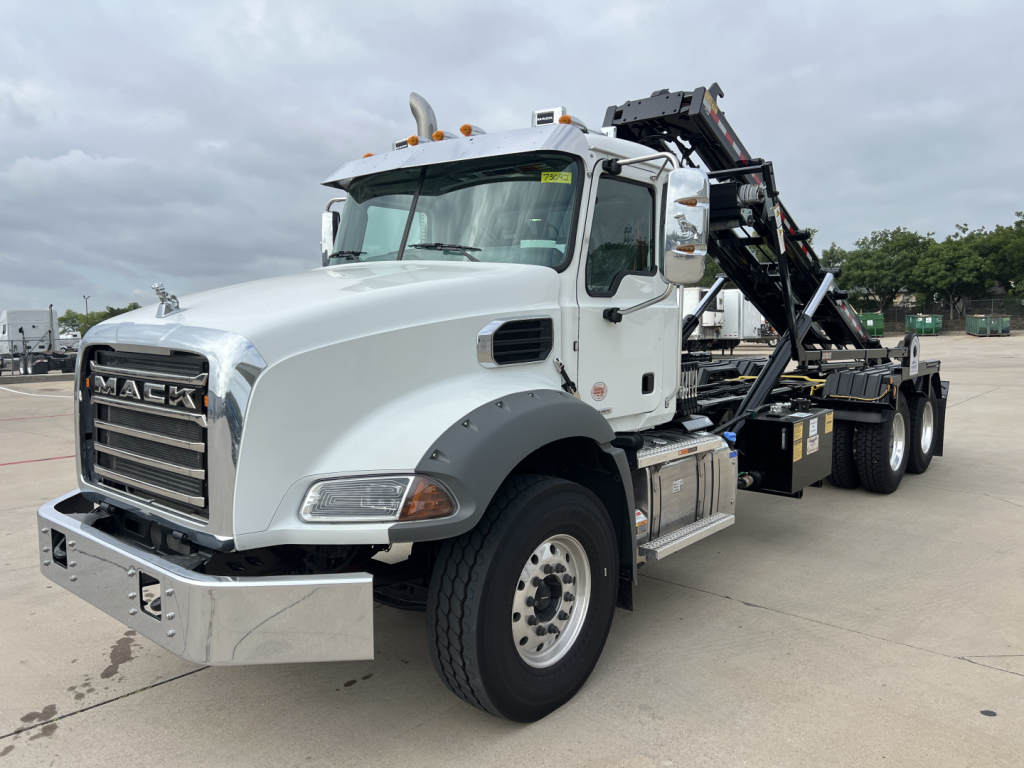
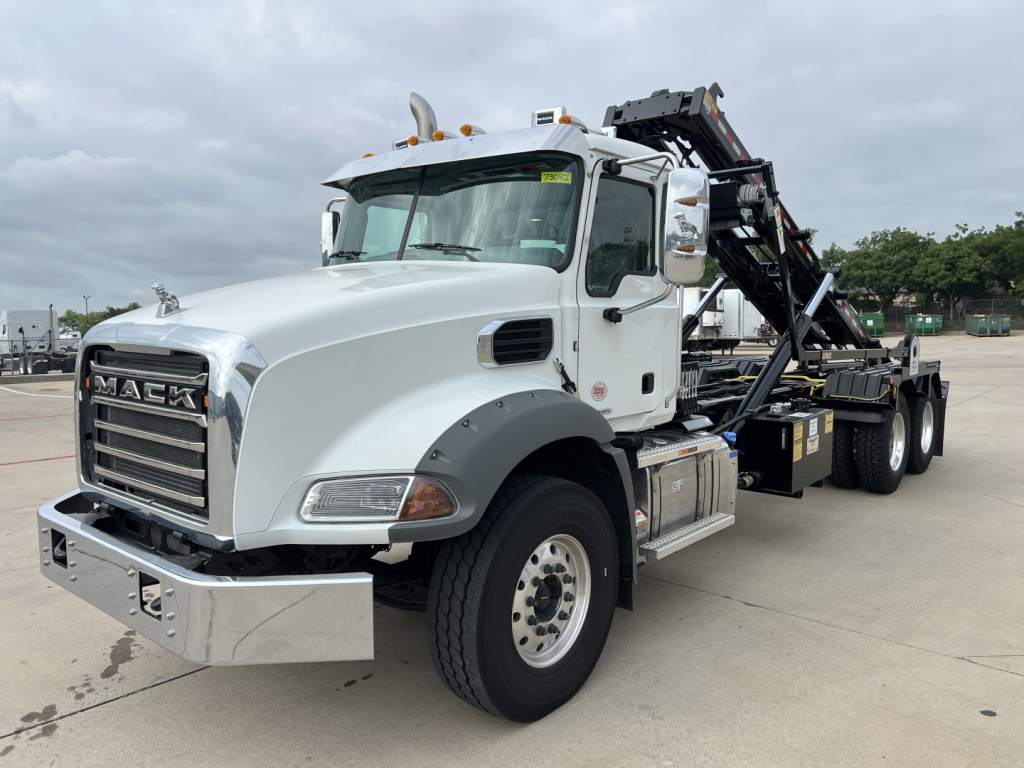
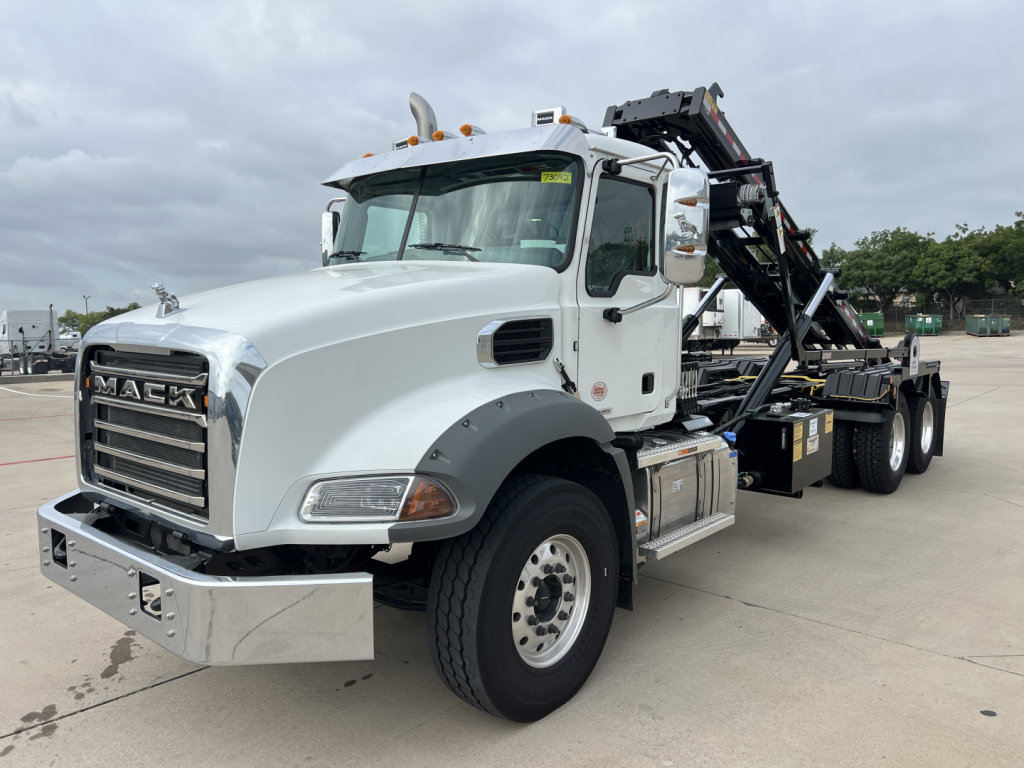
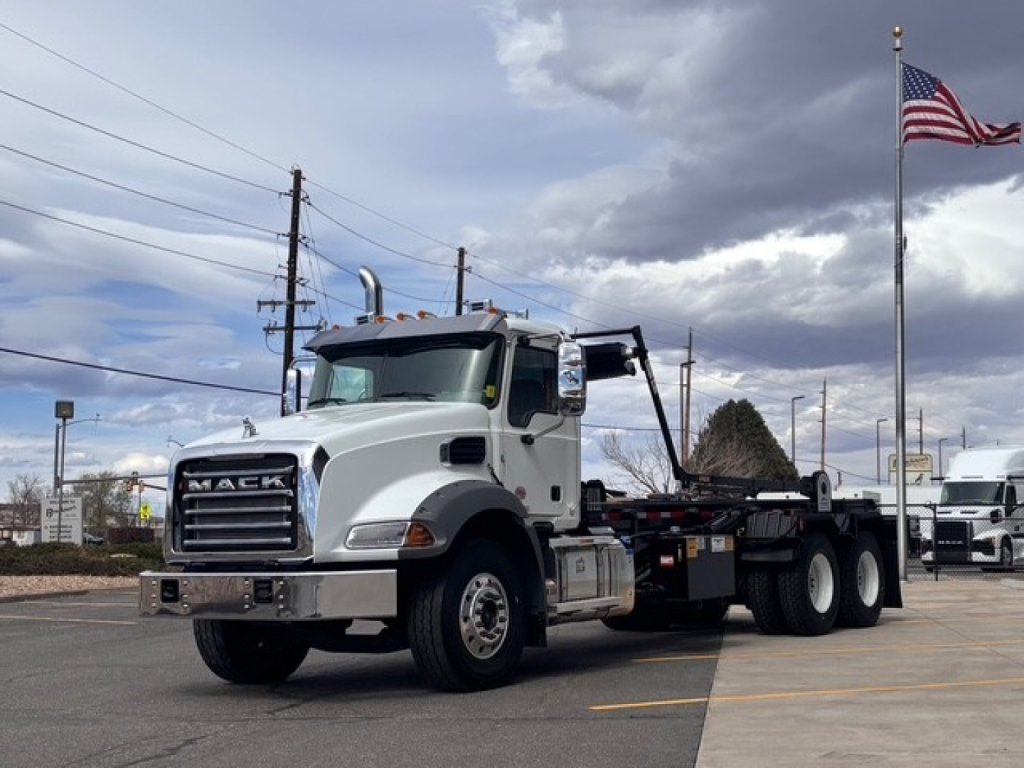
Showing 1 to 28 of 71 results
Selling a new mack rolloff truck? List your new mack rolloff truck for sale and reach thousands of commercial buyers.
New Mack Rolloff Trucks
A smart buying decision starts with the chassis layout. Most new Mack rolloff trucks in this class are spec’d as tandem-axle units for legal payload and container handling stability, though exact GVWR, bridge compliance, and suspension choice should match the routes you run. Buyers should pay close attention to frame reinforcement, cab-to-axle dimension, PTO and hydraulic compatibility, front axle capacity, and rear suspension ratings. Engine and transmission specs also matter because rolloff work depends on low-speed control, start-and-stop durability, and enough torque to handle loaded cans on grades. Automated manual and automatic transmissions are both common depending on driver preference and duty cycle.
The hoist package deserves as much attention as the truck itself. Hooklift and rolloff are sometimes confused, but a true rolloff truck is generally set up to load rectangular open-top containers using a cable hoist or an outside-rail or inside-rail system. Container lengths, hoist tonnage, hoist geometry, and tare weight all affect productivity. A lighter hoist can improve payload, while a heavier-duty setup may be better for dense scrap, roofing debris, concrete, or industrial waste. Buyers should also review ground roller design, body lock system, tarp options, fender coverage, lighting protection, and hydraulic oil tank placement because these details influence safety, service access, and long-term durability.
For municipal contractors, waste haulers, and demolition fleets, a new Mack rolloff truck offers the advantage of current emissions systems, factory-backed chassis support, and a fresh service life on one of the toughest vocational platforms in the market. The best spec is the one that matches your container fleet, average haul distance, dump environment, and target payload. If the truck will spend most of its time in city routes, turning radius and cab visibility may matter most. If it will run heavier industrial or regional work, prioritize axle ratings, cooling capacity, and hoist capacity with enough margin for the material you actually move.
Frequently Asked Questions about New Mack Rolloff Trucks
What is the difference between a rolloff truck and a hooklift truck?
A rolloff truck is designed to load and unload open-top containers that ride on rails or rollers, usually with a cable hoist or rail-based hoist system. A hooklift truck uses a hydraulic hook arm to pick up interchangeable bodies with hook bars. For buyers, the difference matters because the truck must match the container style already used in the fleet or required by customers. Rolloff trucks are especially common in waste, scrap, demolition, and construction debris service where standardized rolloff cans are the norm.
Why do many buyers choose a Mack chassis for rolloff applications?
Mack is a strong choice for rolloff work because its vocational chassis are built for severe-duty applications with robust frame options, axle ratings suited to high payload work, and driveline configurations that handle frequent stops, PTO use, and rough surfaces. Mack Granite models are widely recognized in refuse and construction fleets for durability, serviceability, and driver-friendly visibility. The value is usually found in long-term uptime and a chassis that accepts body-builder equipment well when properly spec’d.
What specs matter most on a new Mack rolloff truck?
The most important specs are axle configuration, GVWR, front and rear axle ratings, suspension type, wheelbase, cab-to-axle dimension, frame strength, engine torque, transmission type, and PTO compatibility. On the body side, buyers should verify hoist capacity, hoist type, container length compatibility, hydraulic system design, and overall tare weight. These specifications determine legal payload, jobsite performance, turning ability, and whether the truck will operate efficiently with the containers and materials in your business.
Are tandem-axle Mack rolloff trucks better than single-axle models?
For most commercial rolloff operations, tandem-axle trucks offer better payload capability, better stability with loaded containers, and more flexibility for heavier waste or scrap applications. Single-axle rolloff trucks can make sense for lighter containers, tighter urban routes, or operations where maneuverability is more important than maximum legal payload. The right choice depends on local weight laws, the density of material hauled, and the size of the container fleet the truck will serve.
What applications are new Mack rolloff trucks commonly used for?
New Mack rolloff trucks are commonly used in construction debris hauling, municipal waste collection, recycling, scrap transport, roofing tear-off work, demolition cleanup, and industrial container service. They are built for repeated container swaps, short-cycle urban work, and demanding environments where drivers back into alleys, jobsites, transfer stations, and landfills throughout the day. A properly spec’d Mack rolloff truck can support both high-frequency local routes and heavier regional hauling depending on axle and hoist configuration.