
New Mack Rolloff Trucks For Sale in New Mexico
New Mack rolloff trucks for sale in New Mexico. Compare hooklift and cable hoist specs, axle ratings, body lengths, and PTO setup.
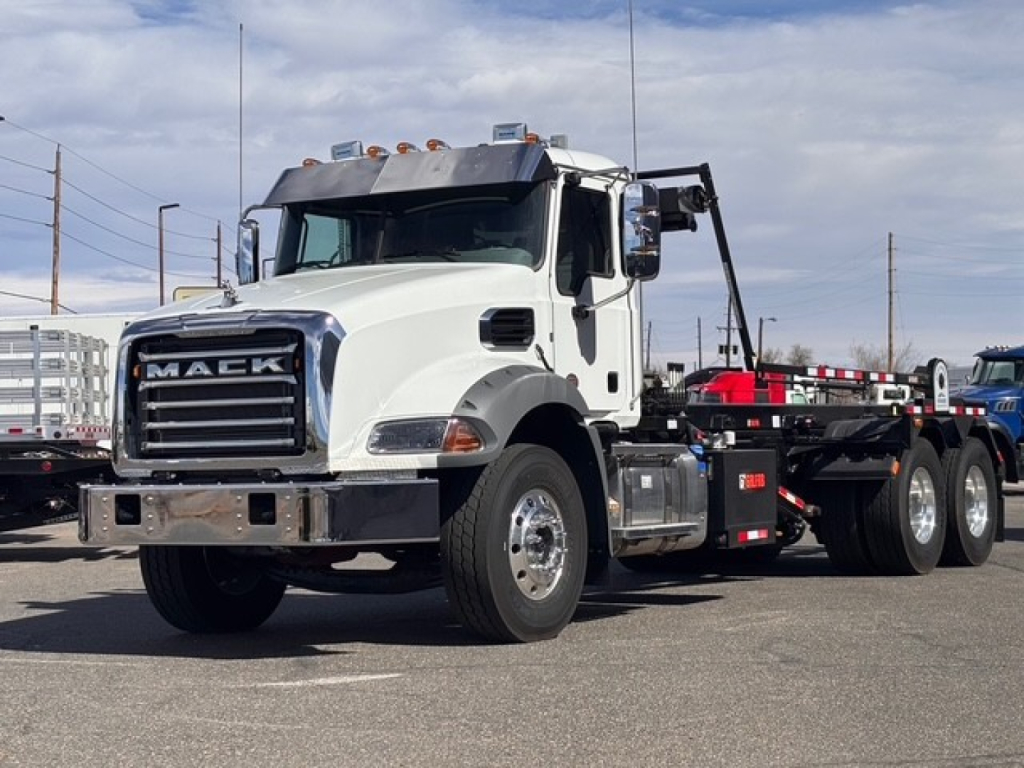
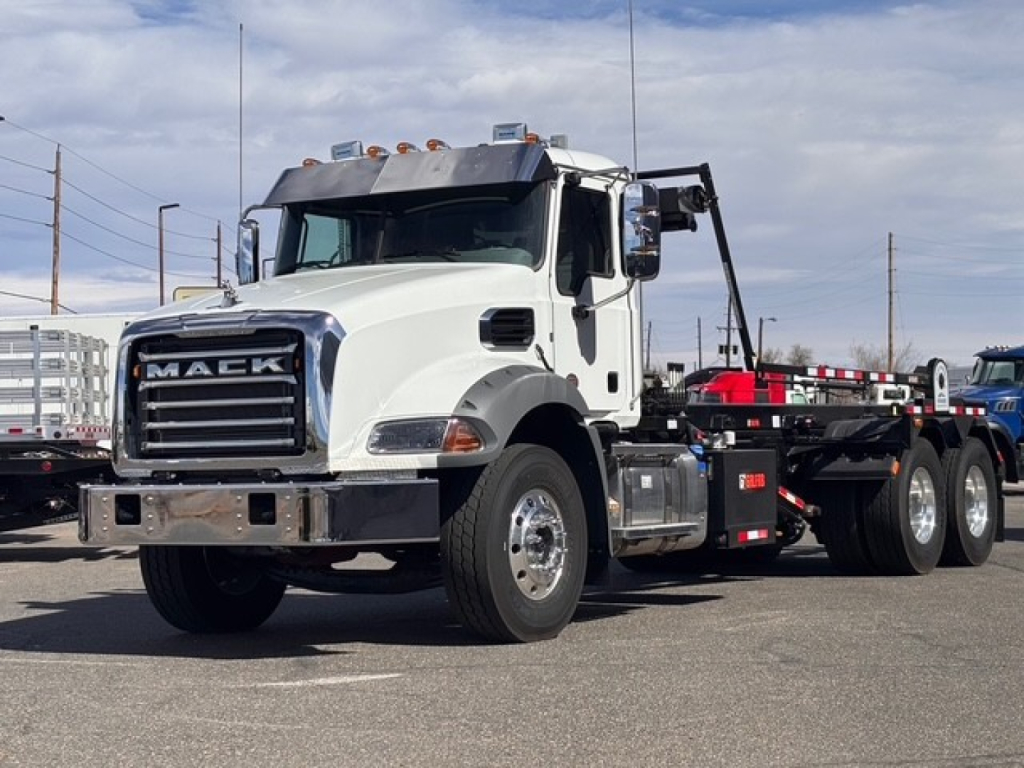

Selling a new mack rolloff truck? List your new mack rolloff truck for sale and reach thousands of commercial buyers.
New Mack Rolloff Trucks in New Mexico
The first buying decision is usually hoist style and chassis rating. Most rolloff trucks use either a cable hoist or a hooklift-style system, and each setup changes how the truck fits your operation. Cable hoists remain common for dedicated waste and scrap container service, while hooklift systems add flexibility if you plan to handle different bodies or specialty containers. On a Mack, buyers often look closely at axle configuration, wheelbase, rear suspension capacity, PTO provision, and the transmission spec needed to match stop-and-go vocational work. Front axle ratings, rear axle ratios, and bridge law considerations also matter if your containers will be loaded heavy with demolition material, roofing tear-off, concrete, or metal.
For buyers comparing new Mack rolloff trucks, the chassis details are just as important as the hoist. Typical considerations include diesel engine horsepower and torque, automatic or automated manual transmission choice, double-frame or frame reinforcement, exhaust layout, fuel tank placement, and cab configuration. Container length compatibility, hoist capacity, winch performance, tarp system design, and inside rail width should be reviewed alongside legal payload expectations. In a dry climate like New Mexico, it also makes sense to think about radiator protection, air filtration, hydraulic line routing, and body component durability where dust and temperature swings can shorten service life if the truck is not vocationally spec'd from the start.
A properly spec'd new rolloff truck should load straight, transfer weight predictably, and keep hydraulic cycle times consistent under repeated use. Buyers typically compare approach angle, ground clearance, hoist geometry, and the balance between wheelbase and container capacity, because an oversized chassis can give away maneuverability while an underspec'd one can limit payload and body options. Mack remains a strong fit for fleets that want a purpose-built vocational truck with parts support, proven severe-service components, and a cab designed around driver visibility and daily jobsite use.
Frequently Asked Questions about New Mack Rolloff Trucks in New Mexico
What should I look for first when buying a new Mack rolloff truck?
Start with the work the truck will do every day. The most important decisions are hoist type, container size range, target payload, and axle configuration. Once those are set, review wheelbase, frame spec, suspension rating, PTO and hydraulic requirements, and transmission choice. A rolloff truck that is matched correctly to container weight and route conditions will perform better, last longer, and avoid problems with maneuverability or legal payload limits.
Are Mack rolloff trucks good for heavy vocational use in New Mexico?
Yes. Mack chassis are widely used in severe-duty applications because they are designed around heavy frames, vocational suspensions, and cooling systems suited for repeated loading cycles and harsh operating conditions. In New Mexico, buyers often value durability in heat, dust, and mixed on-road and off-road use. The right spec still matters, especially for air filtration, cooling, hydraulic layout, and axle ratings, but Mack is a strong platform for construction, waste, and scrap applications.
What is the difference between a cable rolloff and a hooklift on a Mack chassis?
A cable rolloff is usually preferred for dedicated container service where the truck handles standard rolloff boxes all day. It is a common setup in waste, demolition, and scrap operations. A hooklift uses a hydraulic hook arm and is often chosen when one truck needs to swap between different bodies or containers. Hooklifts add versatility, but the decision should be based on body compatibility, cycle times, operating environment, and how standardized your container fleet is.
Which chassis specs affect payload and handling the most on a rolloff truck?
The biggest factors are axle ratings, wheelbase, suspension capacity, frame strength, rear axle ratio, and hoist placement. Those specs determine how weight transfers during loading and unloading, how much legal payload the truck can carry, and how stable it feels on uneven surfaces or in tight turns. Tire choice, lift axle configuration if equipped, and container length compatibility also play a major role in real-world handling and productivity.