
New Trucks For Sale in New Mexico
Shop new trucks for sale in New Mexico, including sleepers, cab and chassis, vocational and medium-duty models for highway and jobsite use.
Learn more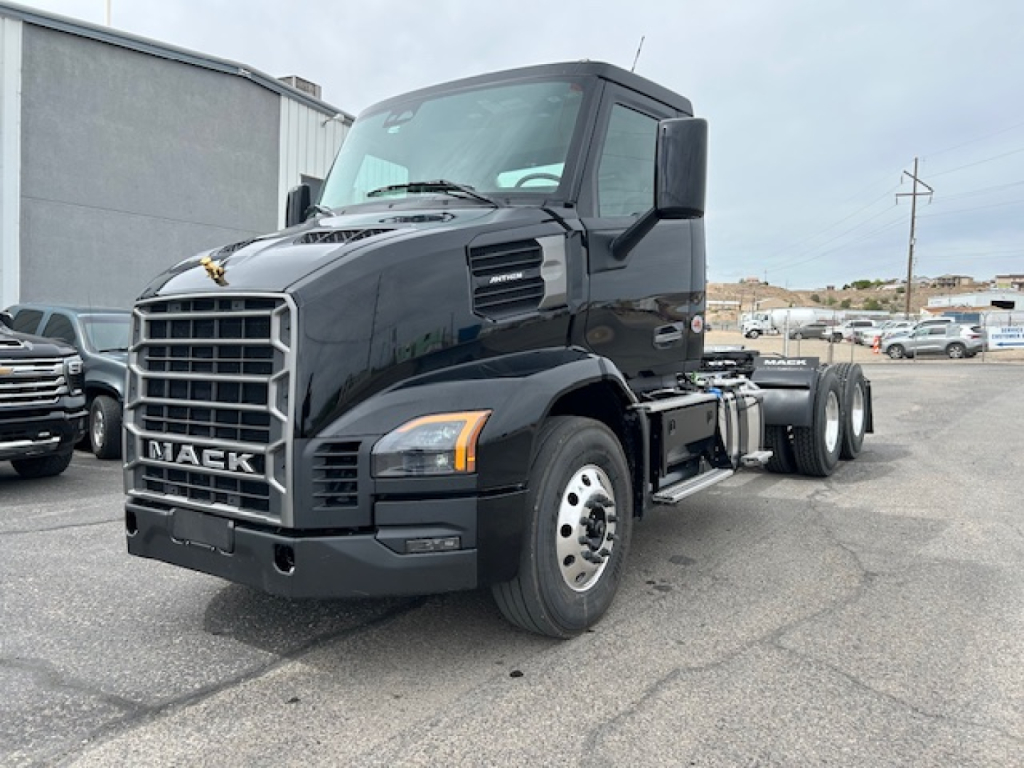
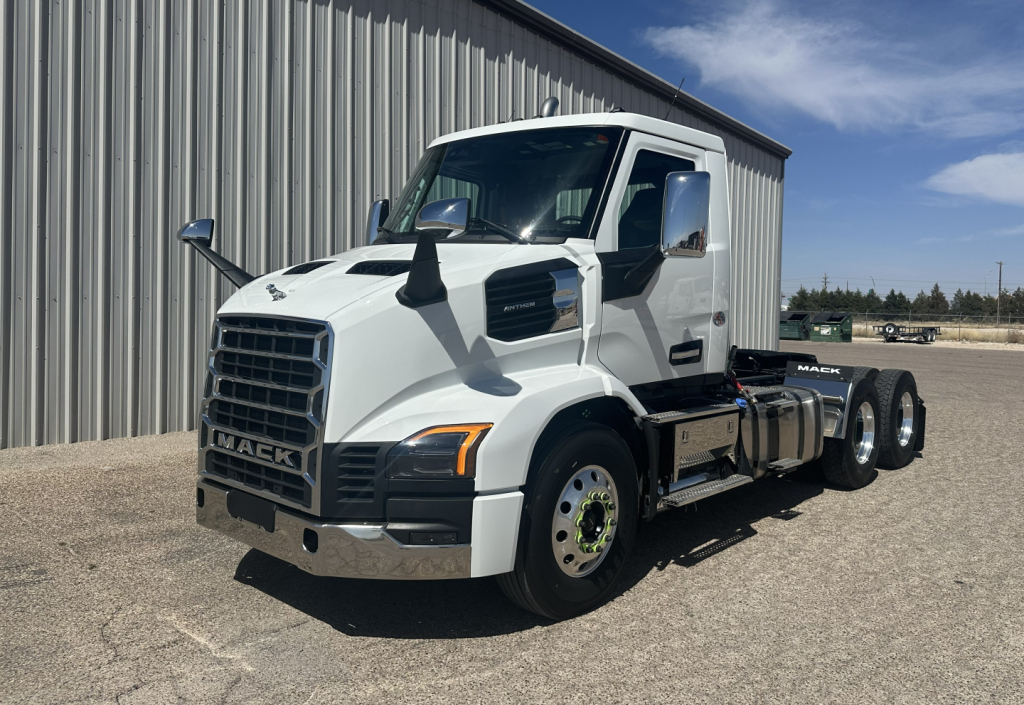
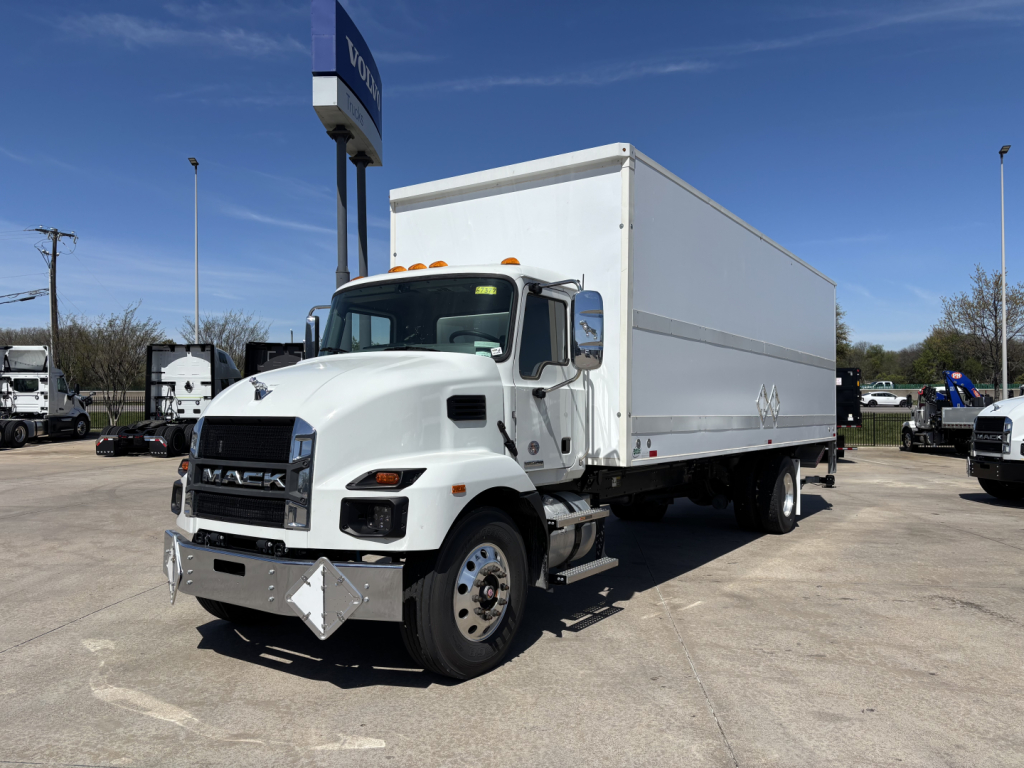
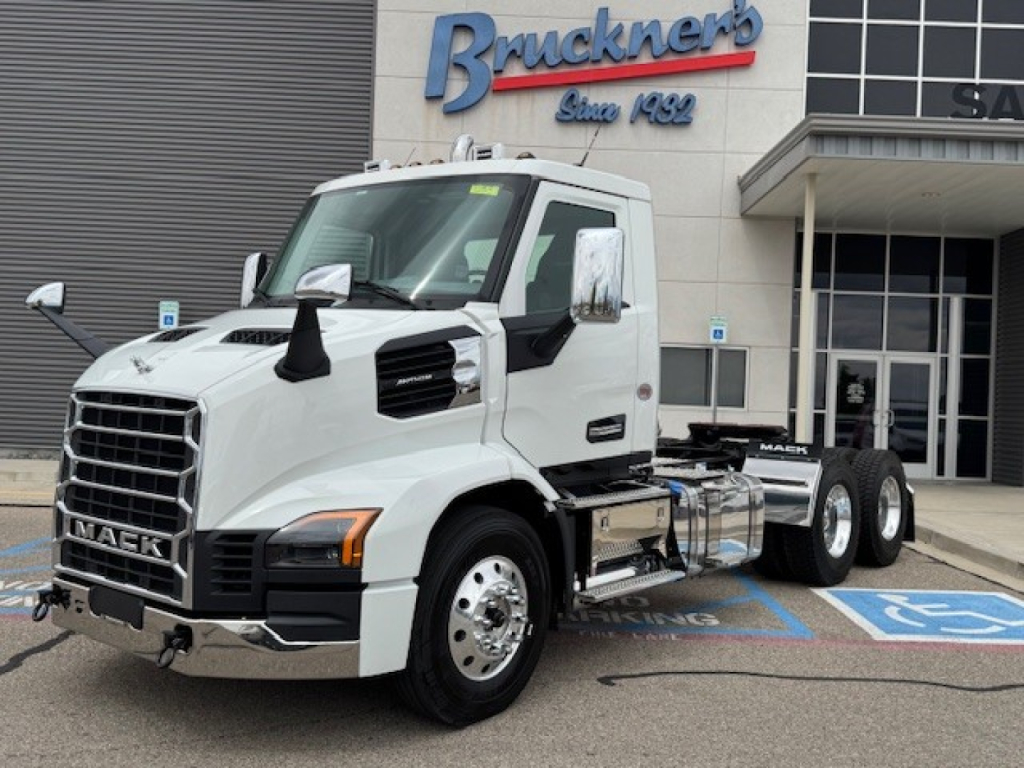
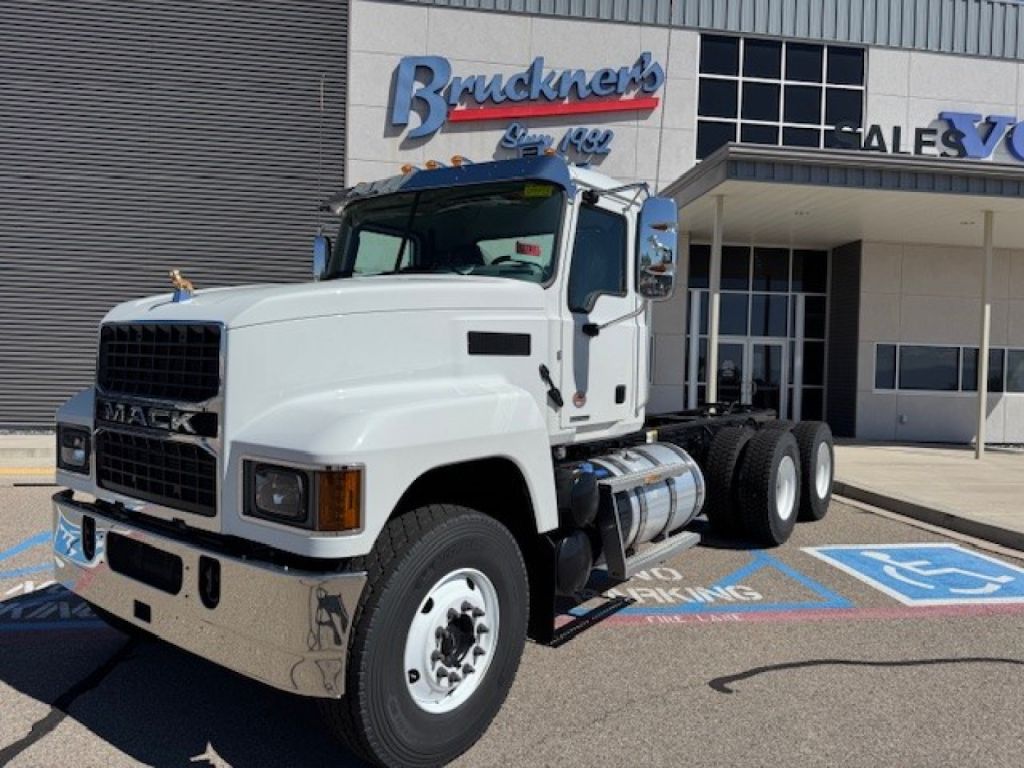
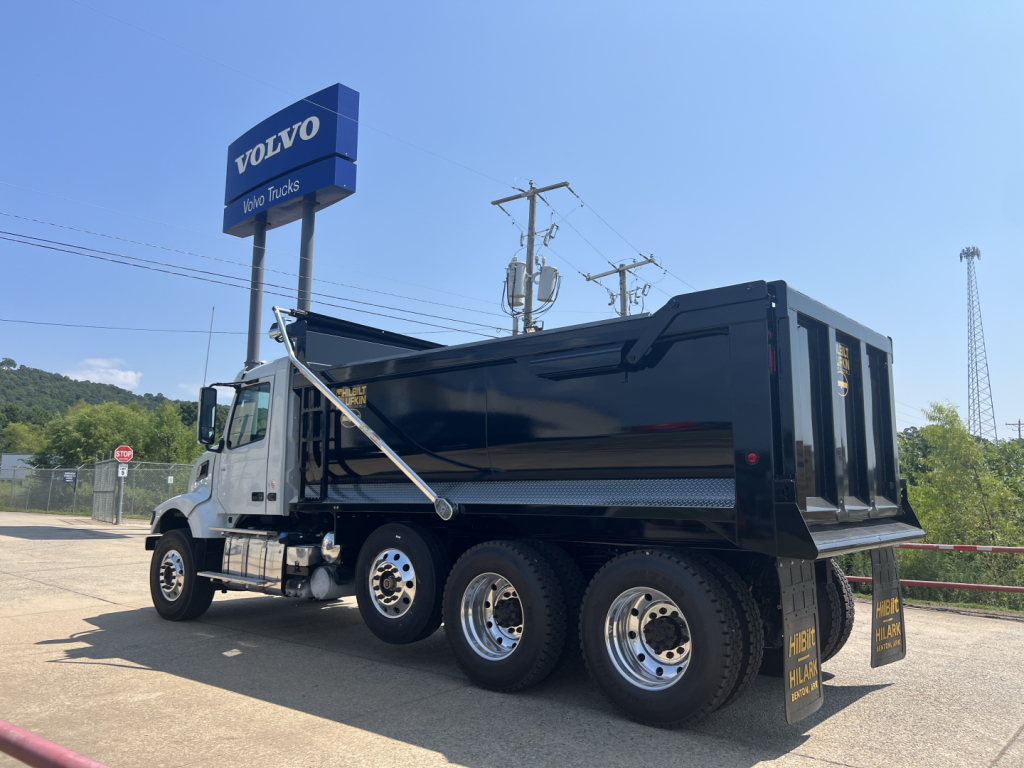
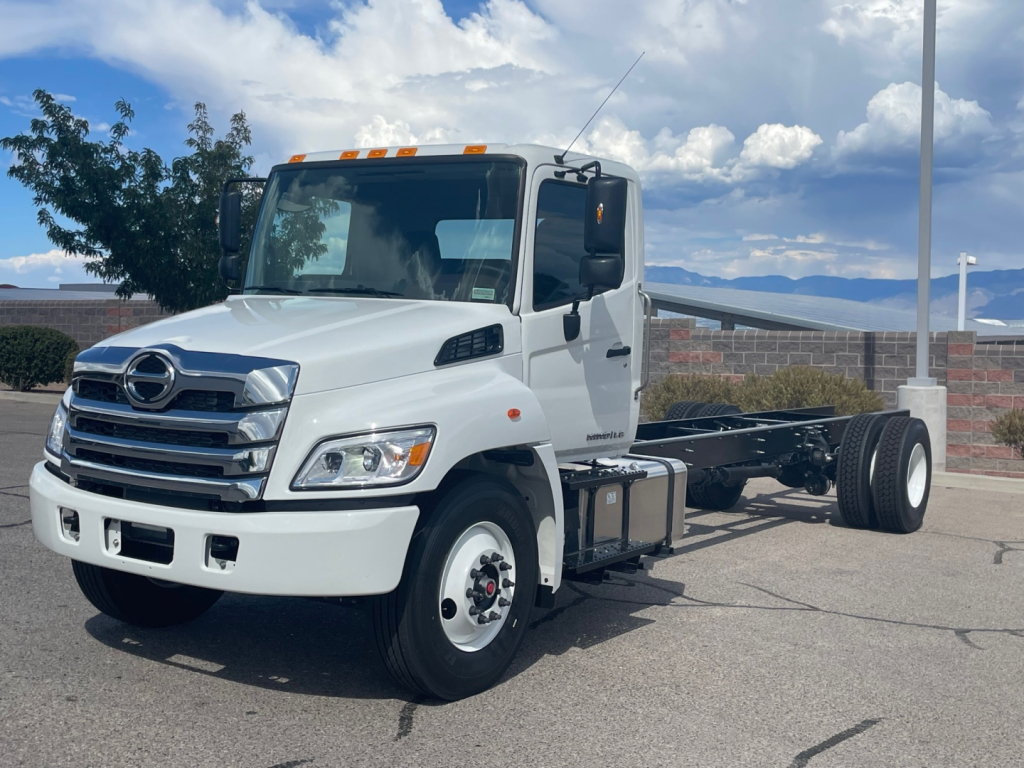
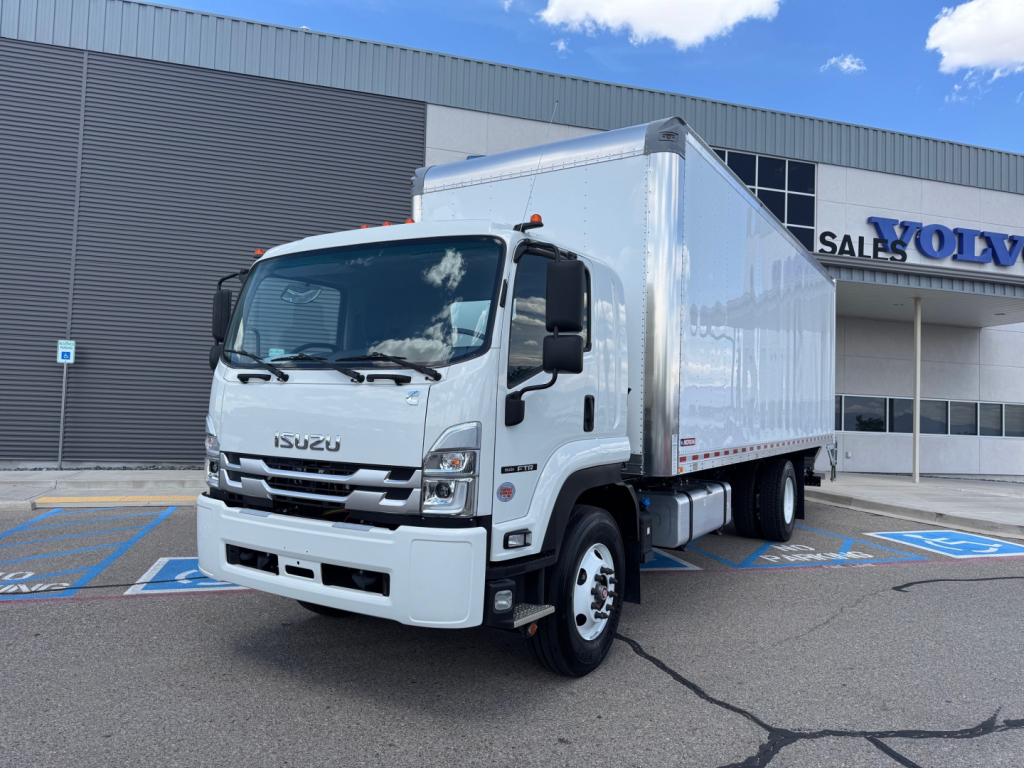
Showing 25 to 34 of 34 results
Have new truck to sell? List it here to reach thousands of buyers.
About New Trucks in New Mexico
For highway tractors, common choices include tandem-axle conventional sleeper trucks with aerodynamic cabs, integrated powertrains, and overdrive automated manual transmissions. Buyers typically compare engine ratings in the 400 to 500 horsepower range, rear axle ratios tuned for fuel economy or gradeability, and wheelbase based on sleeper size and trailer swing clearance. New sleeper tractors from brands such as Mack and Volvo are often spec'd for lower maintenance intervals, driver comfort, and telematics integration. Items like front axle capacity, suspension rating, and gross vehicle weight rating should still be reviewed closely, especially for fleets pulling heavier regional freight or operating in mountain corridors where gearing and cooling package decisions have a direct impact on performance.
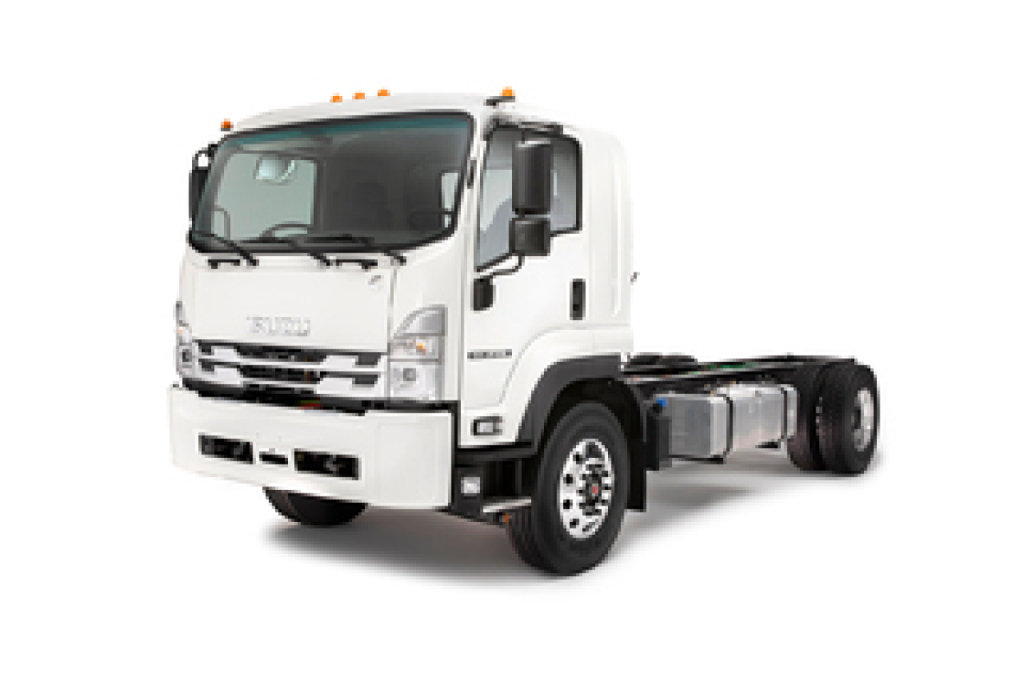
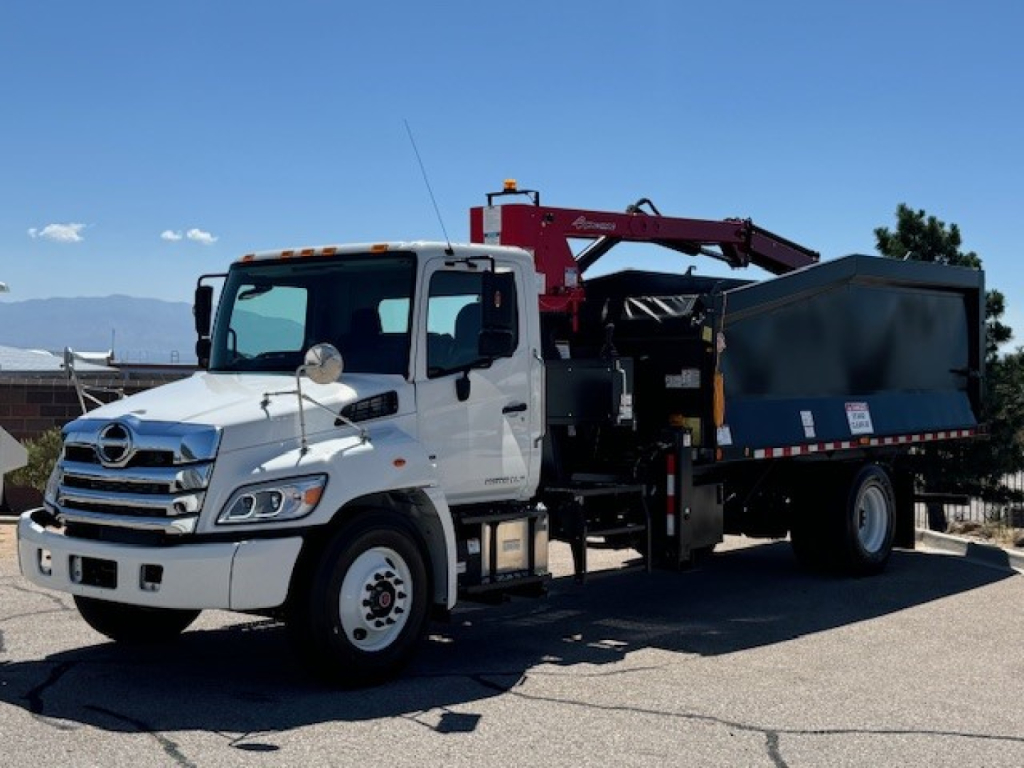
On the vocational and medium-duty side, new trucks in this category often include cab and chassis units for van bodies, flatbeds, service bodies, tank applications, propane delivery, and other upfits. A medium-duty chassis with a diesel engine in the 260 to 325 horsepower range, an Allison automatic, and wheelbases sized for 22-foot to 26-foot bodies is a common fit for local and regional work. Buyers should look closely at GVWR, usable payload after body installation, frame strength, PTO compatibility, brake type, and rear suspension design. If the truck will carry a tank, compressor, crane, or other mounted equipment, axle placement and weight distribution become critical before the body is installed.
New Mexico operating conditions add a few practical considerations. Heat, elevation, long service intervals between towns, and a mix of highway and unimproved-road use can all influence the right spec. Cooling capacity, air ride versus spring suspension, fuel tank size, vocational tire selection, and rear axle ratio can make a noticeable difference in uptime and operating cost. New trucks also give buyers access to current emissions systems, safety technology, and warranty coverage, which can be especially valuable for fleets trying to control repair planning and standardize equipment across drivers and routes.
Frequently Asked Questions
What should I look for first when comparing new trucks for sale in New Mexico?
Start with the job requirement, not the make. The most important decisions are truck class, GVWR, axle configuration, wheelbase, engine rating, transmission type, and whether the chassis will carry a body or pull a trailer. In New Mexico, elevation changes, longer distances between service points, and hot-weather operation make cooling performance, fuel capacity, and gearing especially important. A truck that is well-matched to route, payload, and body application will usually deliver better uptime and lower operating cost than a mismatched higher-horsepower spec.
What is the difference between a cab and chassis truck and a sleeper tractor?
A cab and chassis truck is sold as a bare chassis behind the cab so it can be upfitted with a box, flatbed, service body, tank, dump body, or other equipment. A sleeper tractor is built primarily to pull semi-trailers and includes a sleeper compartment for over-the-road use. Cab and chassis models are common in delivery, utility, and vocational service, while sleeper tractors are the standard choice for linehaul and regional freight operations.
How important is wheelbase on a new truck?
Wheelbase is one of the most important spec points because it affects body fitment, weight distribution, turning radius, bridge law positioning, and ride quality. On a cab and chassis truck, wheelbase must match the intended body length and any axle setback requirements. On a highway tractor, wheelbase influences trailer clearance and overall maneuverability. A wheelbase that is too short or too long for the application can create problems with payload balance, drivability, and upfit compatibility.
Are automated manual transmissions and automatic transmissions both common on new trucks?
Yes. Automated manual transmissions are common in heavy-duty highway tractors because they improve shift consistency, support fuel-efficiency programming, and reduce driver fatigue. Fully automatic transmissions, especially Allison models, are common in medium-duty and vocational trucks because they perform well in stop-and-go work, PTO applications, and routes with frequent starts and reverses. The right transmission depends on duty cycle, terrain, driver pool, and the type of body or equipment installed on the chassis.
Why do axle ratings and suspension specs matter on a new truck?
Axle and suspension ratings determine how much weight the truck can legally and safely carry, and they affect ride, durability, and body compatibility. Front axle capacity matters when a truck carries heavy equipment behind the cab or has a large engine and front-mounted accessories. Rear axle and suspension ratings are critical for payload support, off-road stability, and resistance to wear in severe service. On a new truck, these specs should be reviewed before purchase so the final configuration aligns with the intended load and operating environment.