
New Rolloff Trucks For Sale in New Mexico
New rolloff trucks for sale in New Mexico. Compare hooklift and cable-style waste trucks built for containers, scrap, demolition, and hauling.

Selling a new rolloff truck? List your new rolloff truck for sale and reach thousands of commercial buyers.
New Rolloff Trucks in New Mexico
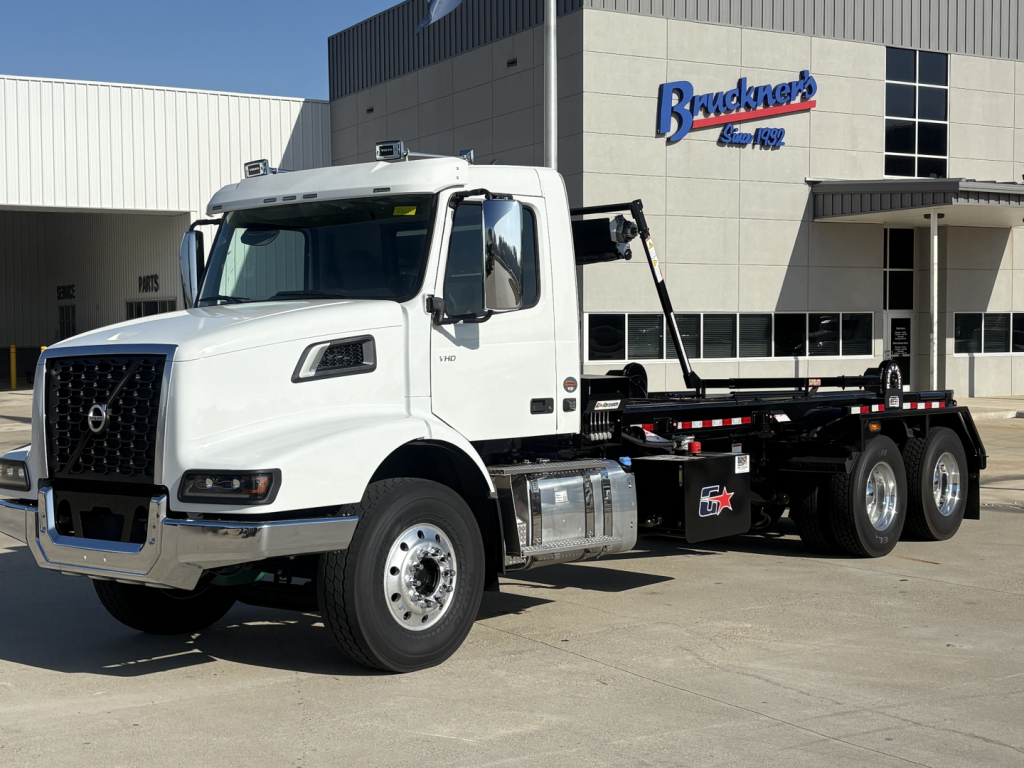
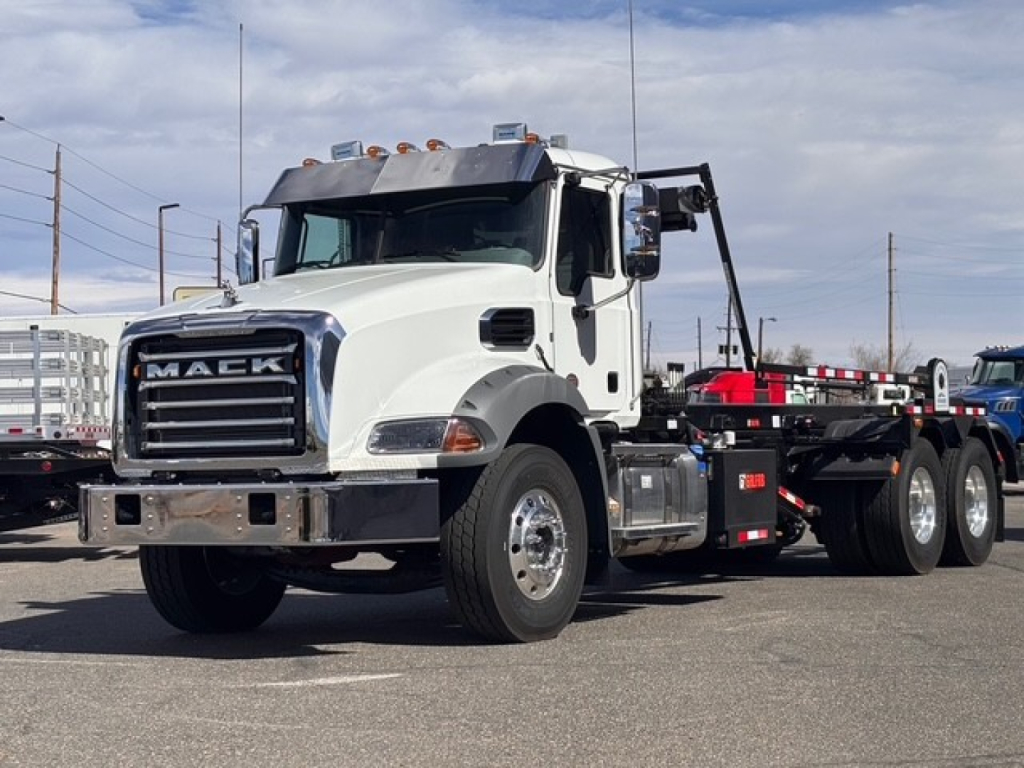
The key buying decision is usually the hoist system. Cable rolloff trucks remain common for waste and demolition fleets because they are simple, proven, and well suited to standard rolloff container work. Hooklift-style systems offer more flexibility when a fleet wants to handle multiple body types, but traditional rolloff units are often preferred when container compatibility and straightforward operation matter most. Important specs include hoist capacity, inside rail width, cable capacity, container length range, and the truck's ability to maintain legal weight distribution with loaded cans. Wheelbase, back-of-cab clearance, and kingpin-to-axle style dimensional thinking also matter here, even on straight trucks, because body placement directly affects bridge compliance, turning radius, and load transfer to the steer axle.
A buyer should also look closely at the chassis details that determine uptime. Common items include engine horsepower matched to startability and grade conditions, Allison automatic transmissions for stop-and-go work, locking differentials, vocational suspension packages, and front axle ratings that can handle container pickup dynamics. For New Mexico applications, cooling performance, dust control, and durability on rough jobsite entrances deserve extra attention. Double-frame sections, body up warning systems, tarp systems, pintle hitches, trailer plugs, and camera packages are common vocational options. If the truck will see landfill work or abrasive debris, details like hydraulic hose routing, rear light protection, fender coverage, and easy-to-clean chassis layouts can make a real difference in service life.
New rolloff trucks also appeal to fleets focused on standardization, emissions compliance, and lower early-life maintenance. Buying new gives the operator access to current safety systems, cleaner hydraulic integration, and factory-backed chassis support. The best spec is the one that matches the containers already in service, the average material density being hauled, and the roads the truck actually runs every day. A well-matched rolloff truck should load smoothly, track straight under a full can, and keep enough reserve in the hoist and axle package to handle real-world vocational abuse without being overbuilt for the job.
Frequently Asked Questions about New Rolloff Trucks in New Mexico
What is the difference between a rolloff truck and a hooklift truck?
A rolloff truck is typically designed to load, unload, and transport rolloff containers using a cable hoist or similar dedicated system. A hooklift truck uses a hydraulic hook arm to pick up interchangeable bodies such as dumpsters, flatbeds, tanks, or equipment bodies. For fleets moving standard waste or demolition containers, a traditional rolloff truck is often the more common choice. For fleets needing multi-body flexibility, a hooklift may be the better fit.
What axle configuration is most common on new rolloff trucks?
The most common configuration is a 6x4 tandem-axle chassis because it balances legal payload, frame strength, and traction for vocational work. Tandem rear axles also support the load shift that occurs during container pickup and dumping. Some applications may require heavier front axles, lift axles, or bridge-sensitive setups depending on container size, material density, and state weight laws.
What should buyers in New Mexico look for in a new rolloff truck spec?
New Mexico buyers should pay close attention to cooling capacity, gradeability, axle ratings, and durability on mixed pavement and jobsite surfaces. Regional use can include urban transfer work, rural hauls, landfill access roads, and construction debris routes, so the truck should be matched to terrain and distance as much as payload. Dust exposure, heat, and rough entrances also make hydraulic protection, wiring layout, and severe-duty suspension components especially important.
How do you choose the right hoist capacity for a rolloff truck?
Hoist capacity should be matched to the heaviest loaded container the truck is expected to handle, not just the empty can size. Demolition debris, scrap, roofing tear-off, and wet waste can vary widely in density, so buyers need to account for real operating weights and pickup angles. Choosing too little hoist can slow cycle times and increase component strain, while an oversized system can add unnecessary weight and cost.
Are automatic transmissions common in rolloff trucks?
Yes, Allison automatic transmissions are very common in rolloff applications because they perform well in stop-and-go work, repeated backing, and tight urban or landfill maneuvering. They can reduce driver fatigue and help improve consistency across multiple operators. Manual and automated manual transmissions still appear in some vocational fleets, but full automatics remain a frequent choice for refuse and container-handling work.