
New Volvo Trucks For Sale in New Mexico
Shop new Volvo trucks in New Mexico, including VNL and VHD models built for long haul, regional, day cab, and severe-duty applications.
Learn more
Have new volvo truck to sell? List it here to reach thousands of buyers.
About New Volvo Trucks in New Mexico
For highway and regional use, the Volvo VNL is the name most buyers start with. It is available as a day cab or sleeper and is commonly spec’d for fuel-conscious freight, dedicated lanes, and long-haul work. Typical specs include the Volvo D13 in horsepower ratings around the mid-400s up to 500 HP, tandem axles, aerodynamic bodywork, and automated manual transmissions tuned for cruise efficiency and grade management. Wheelbase, rear axle ratio, and sleeper size matter here. A shorter wheelbase day cab can be a practical choice for local and regional operations, while a larger VNL sleeper is better suited for teams, extended over-the-road service, and higher driver retention expectations. Buyers comparing new Volvo sleepers should also pay attention to interior storage, bunk layout, idle-reduction options, and driver-assist technology.
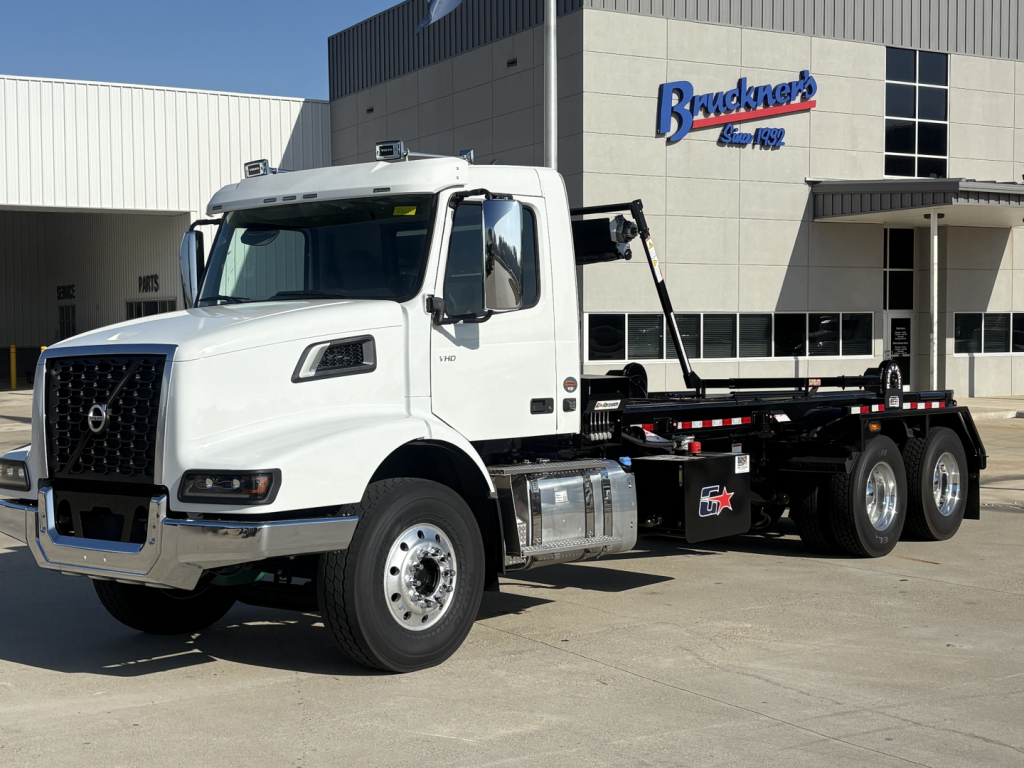
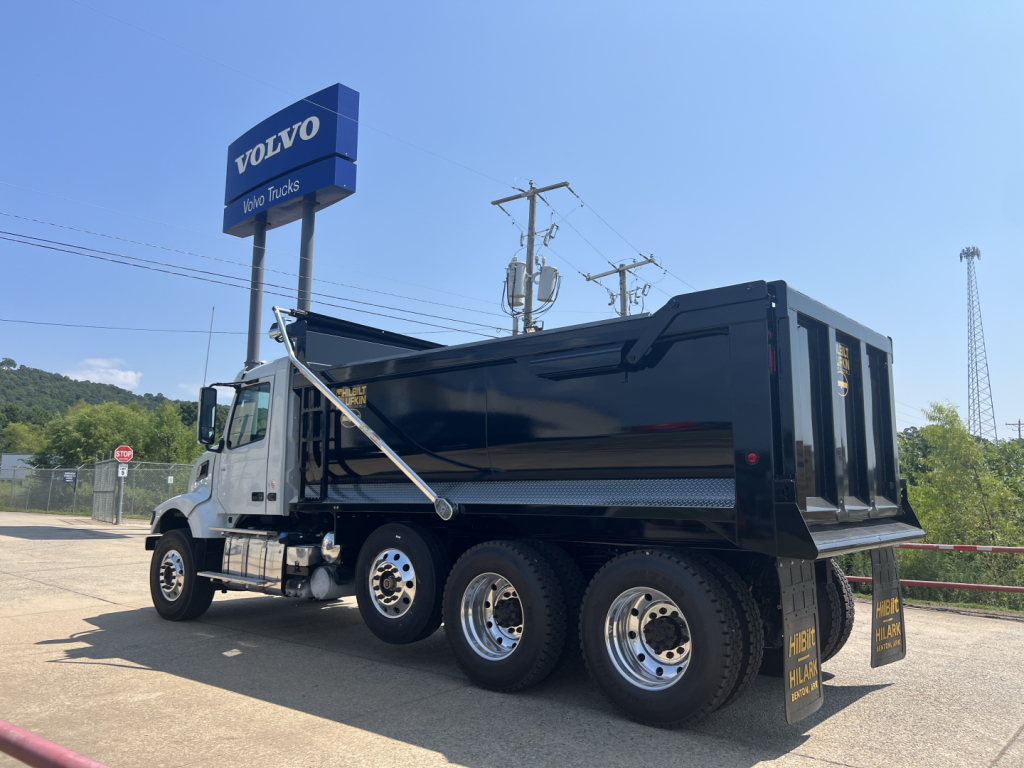
For heavier vocational work, the Volvo VHD is built with a more rugged chassis, higher axle ratings, and specs that support construction, equipment hauling, and severe-service tractor applications. Common configurations include heavier front axles, 46,000 lb rears, full locking differentials, higher ride height, and shorter or application-specific wheelbases. In this category, transmission calibration, rear suspension, and frame spec are just as important as horsepower. A VHD with a 500 HP D13, 12-speed I-Shift for severe duty, and a 3.73 rear ratio is a different tool than an aerodynamic linehaul tractor, even if both carry the Volvo badge. If the truck will pull lowboys, end dumps, or work on rough access roads, it is worth checking axle spread, PTO readiness, fifth wheel position, and tire and wheel package along with suspension capacity.
Across the Volvo truck line, buyers should compare disc brakes versus drum setups, air ride versus vocational suspensions, axle ratings, and safety systems as carefully as they compare engine output. Volvo is known for integrated driveline strategy, and that matters in real operating cost, especially with automated shifting, predictive cruise functions, and engine brake performance in rolling terrain. In a state like New Mexico, where routes can include wide temperature swings, open highway, oilfield traffic, and elevation changes, the right spec is the one matched to payload, trailer type, and duty cycle rather than just the highest horsepower number. A well-matched new Volvo truck can deliver lower driver fatigue, strong resale appeal, and predictable performance in both freight and severe-duty service.
Frequently Asked Questions
What is the difference between a Volvo VNL and a Volvo VHD?
The Volvo VNL is primarily a highway truck designed for regional and long-haul freight, with an emphasis on aerodynamics, ride comfort, and fuel economy. The Volvo VHD is a vocational and severe-duty platform built for heavier chassis demands, higher axle capacities, and tougher jobsite conditions. Buyers typically choose a VNL for van, reefer, and general freight applications, while a VHD is more common in construction, heavy haul, dump, and equipment transport work.
Is the Volvo I-Shift transmission a good choice for new truck buyers?
The Volvo I-Shift is one of the most widely accepted automated manual transmissions in the market and is a major reason many buyers look at new Volvo trucks. It improves shift consistency, reduces driver fatigue, and can help fuel economy when matched correctly to axle ratio and duty cycle. For vocational use, severe-duty calibrations are available, while linehaul and regional trucks benefit from automated shift logic designed for grade changes and cruise efficiency.
What engine is most common in new Volvo trucks?
The Volvo D13 is the most common engine in new Volvo highway and vocational tractors. It is widely spec’d in horsepower ratings from the mid-400s up to 500 HP, depending on the application. The D13 is popular because it offers a broad torque curve, works closely with the I-Shift transmission, and fits a wide range of operations from regional haul to heavier severe-service tractor work.
What should buyers in New Mexico look for when spec’ing a new Volvo truck?
Buyers in New Mexico should pay close attention to gearing, cooling capacity, axle ratings, and the truck’s intended terrain and trailer match. Long highway stretches, elevation changes, wind, and high temperatures can all affect performance and operating cost. For highway freight, rear ratio and aerodynamics are key. For oilfield, construction, or heavy haul work, heavier axles, locking differentials, PTO provisions, and a vocational suspension package often matter more than a purely fuel-economy-focused spec.
Are Volvo day cabs a good option for regional operations?
Yes, Volvo day cabs are a strong option for regional and local operations where overnight accommodations are not necessary. A VNL day cab can provide much of the same powertrain efficiency, safety technology, and driver comfort found in sleeper models while keeping wheelbase and weight more manageable. They are commonly used in dedicated freight, short regional lanes, port or terminal work, and other applications where maneuverability and lower tare weight are important.