
Commercial Trucks For Sale in Nevada
Compare commercial trucks in Nevada. See specs for sleepers, day cabs and vocational builds, plus desert heat and mountain grade considerations.
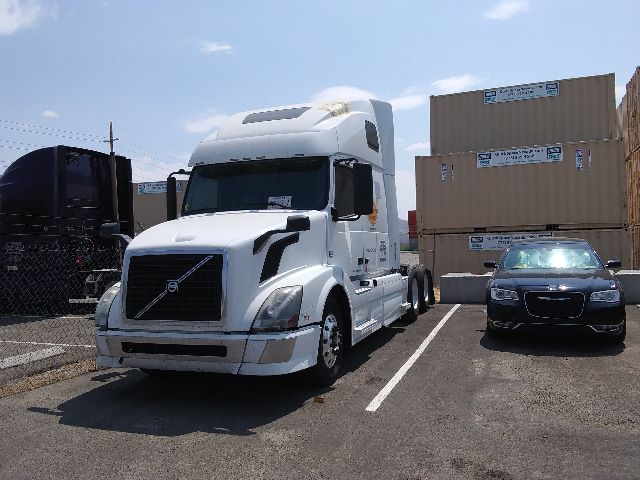
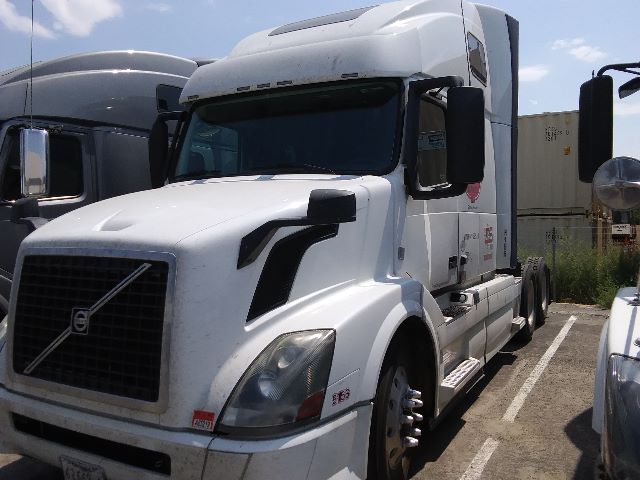
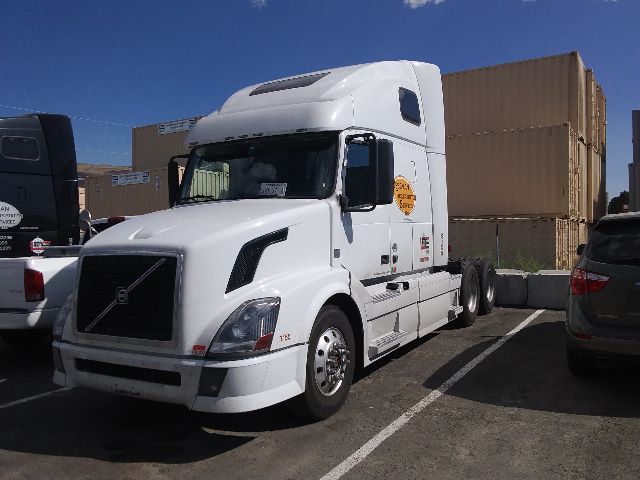
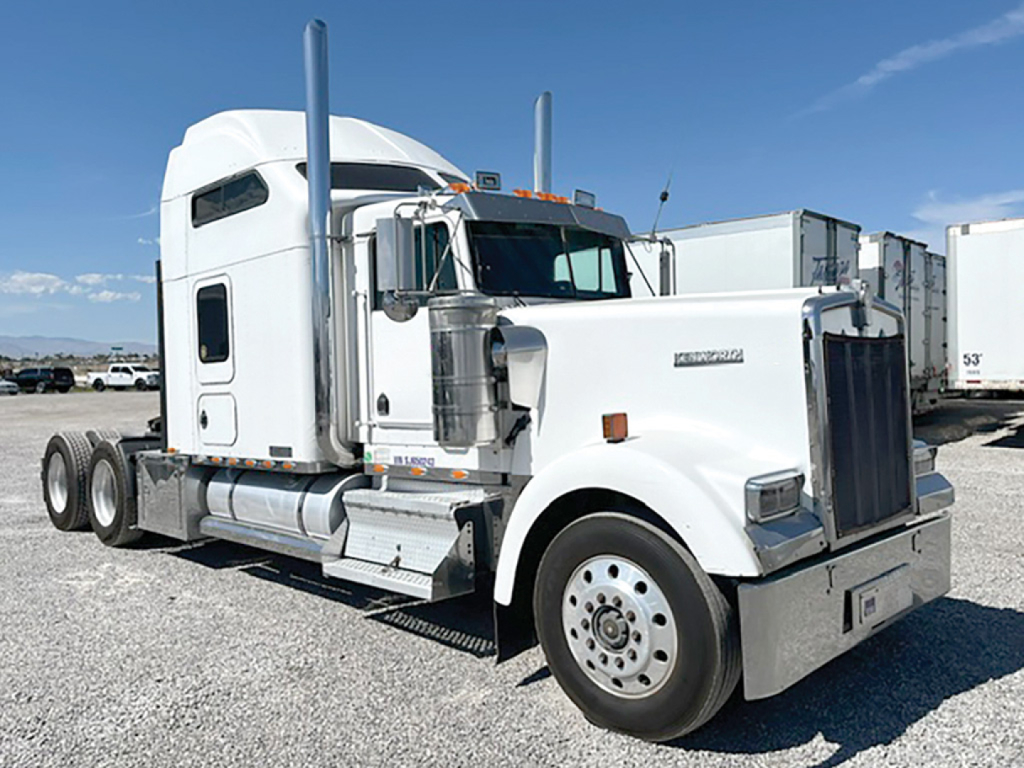
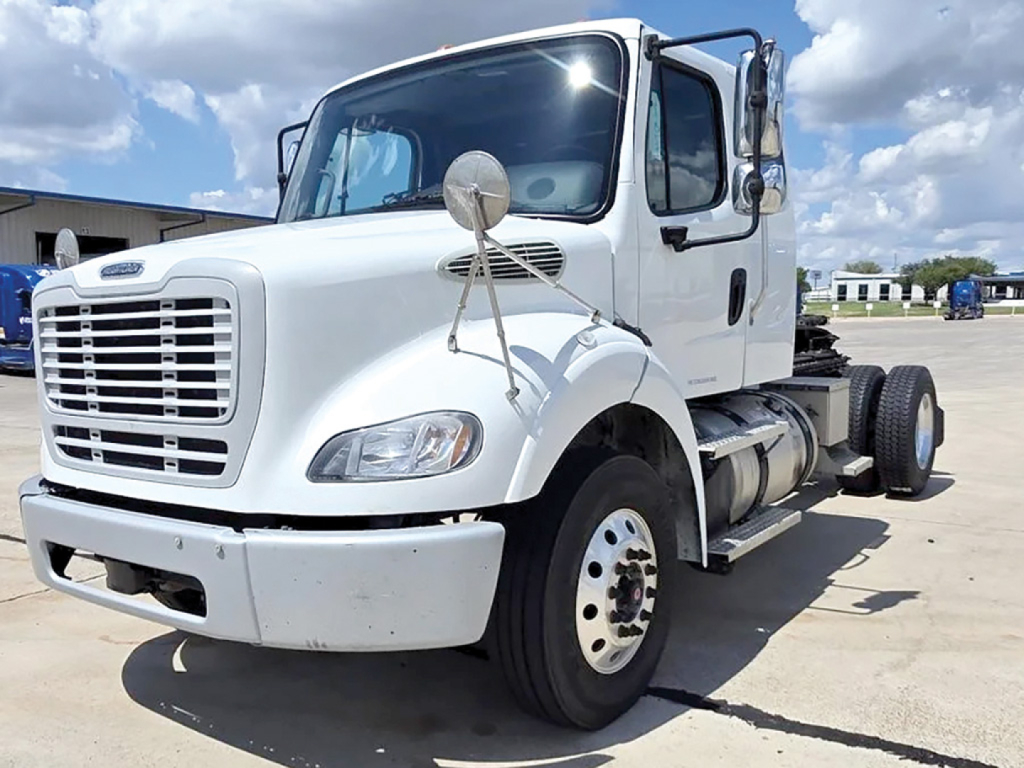
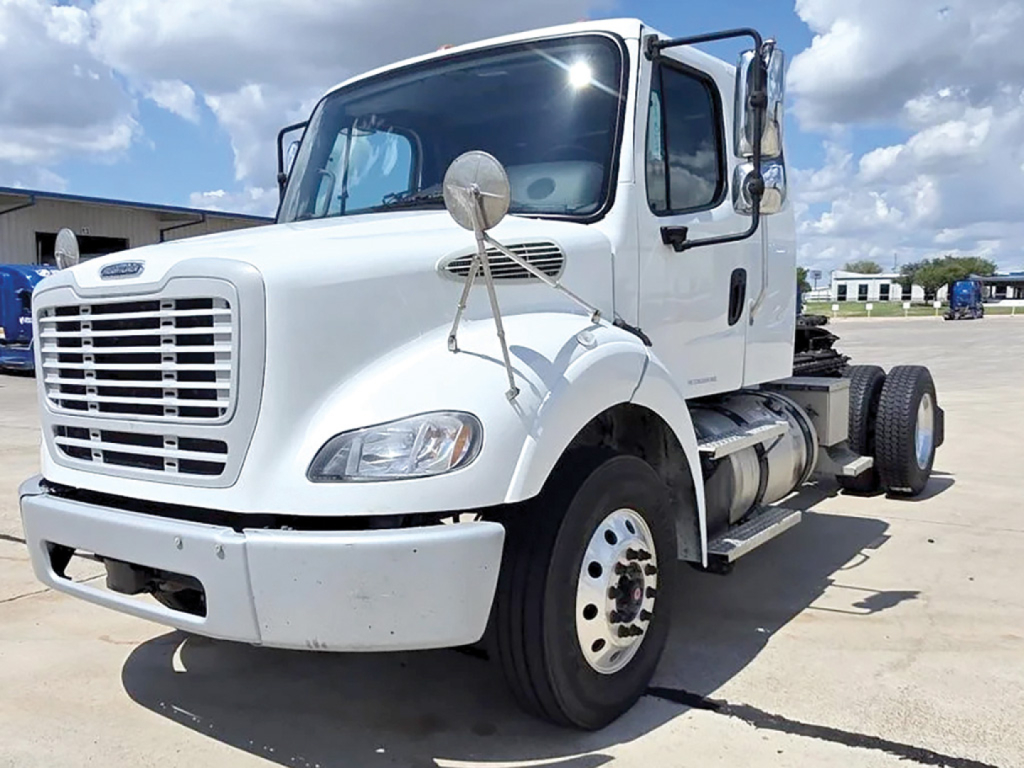
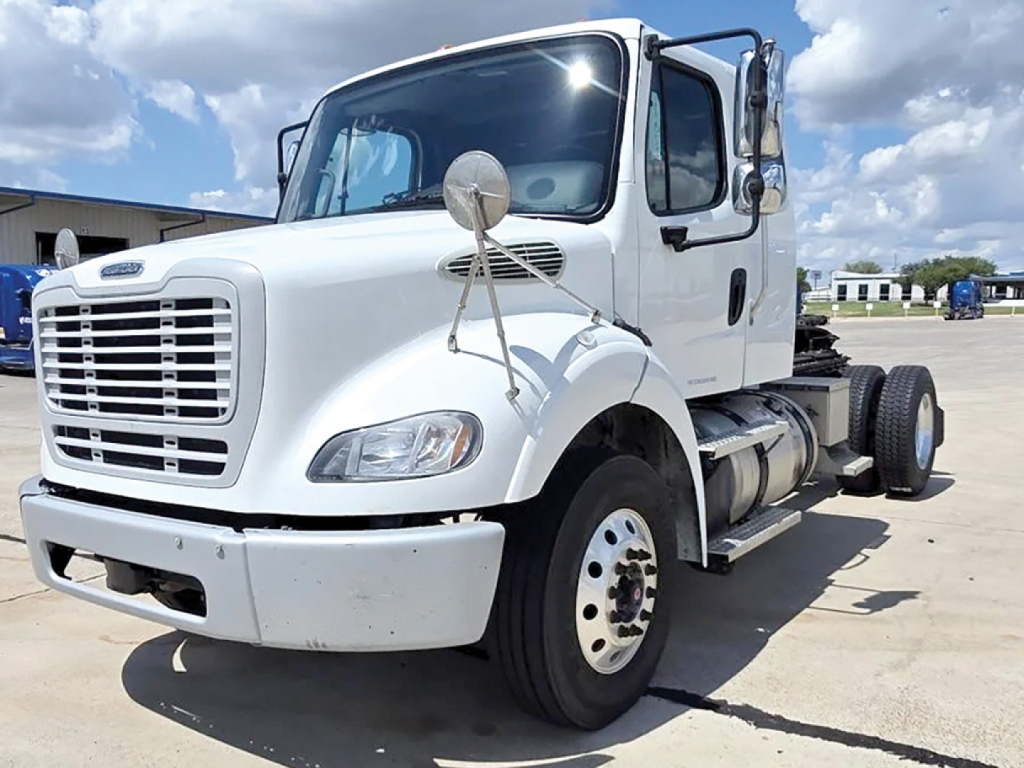
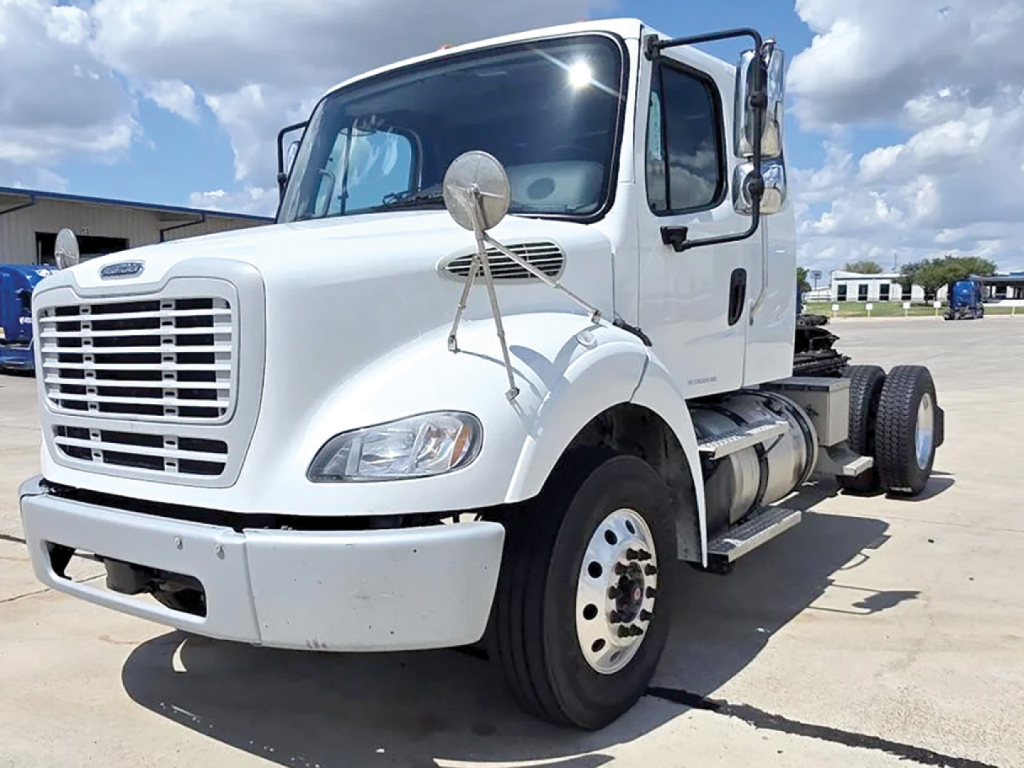
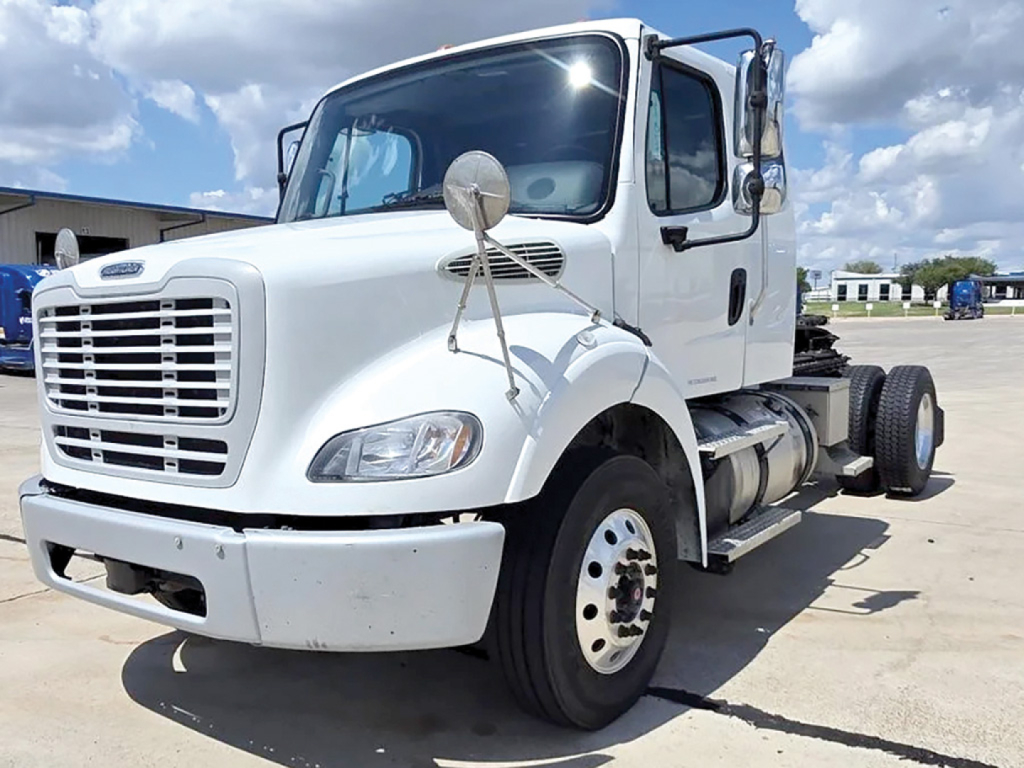
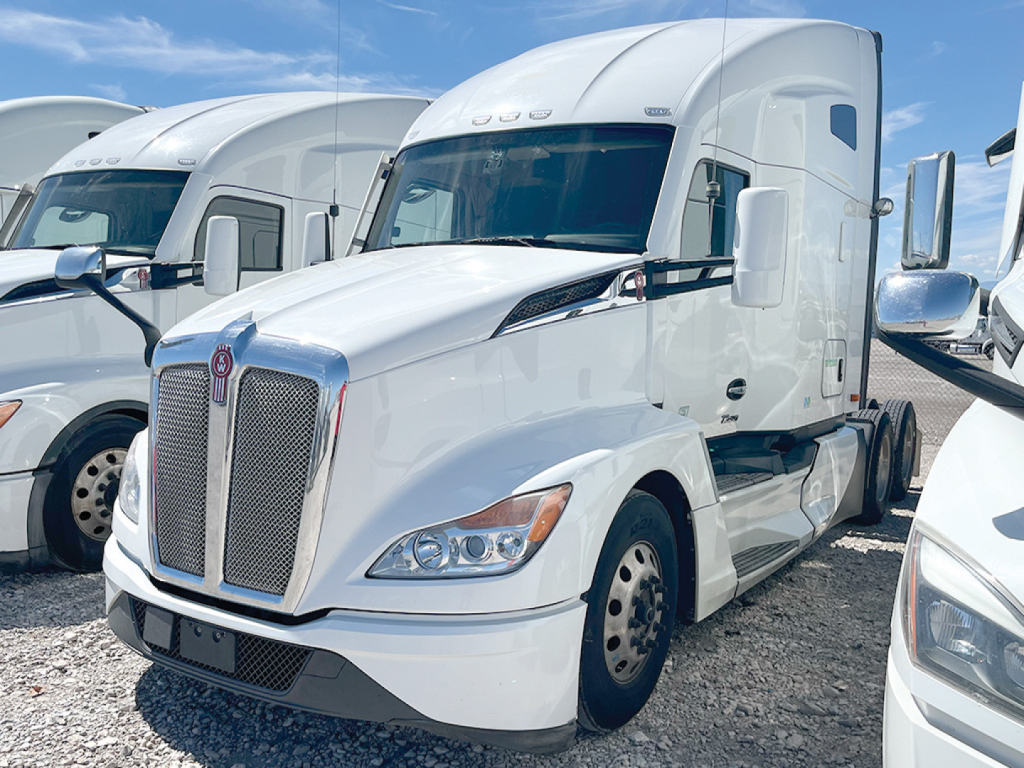
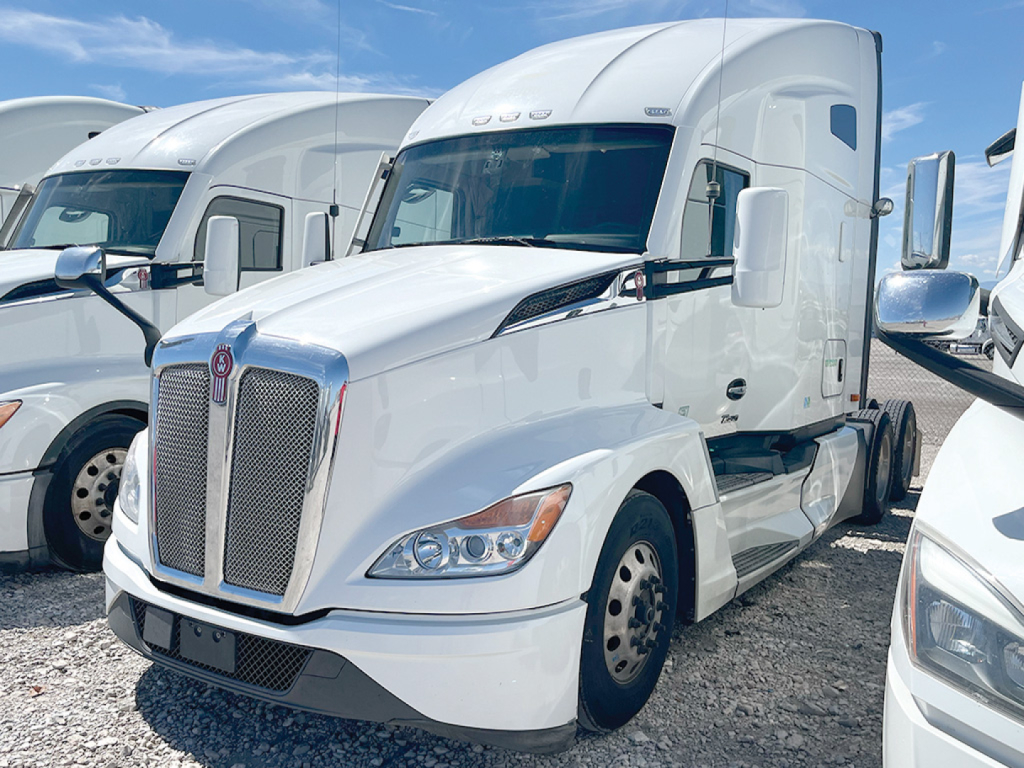
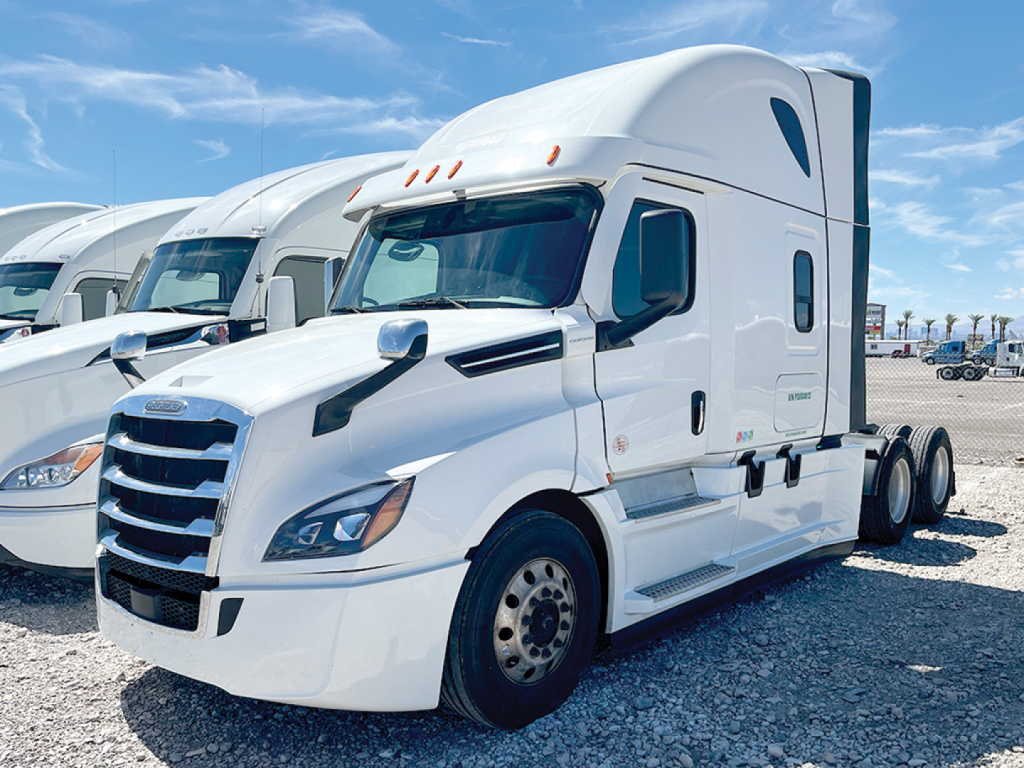
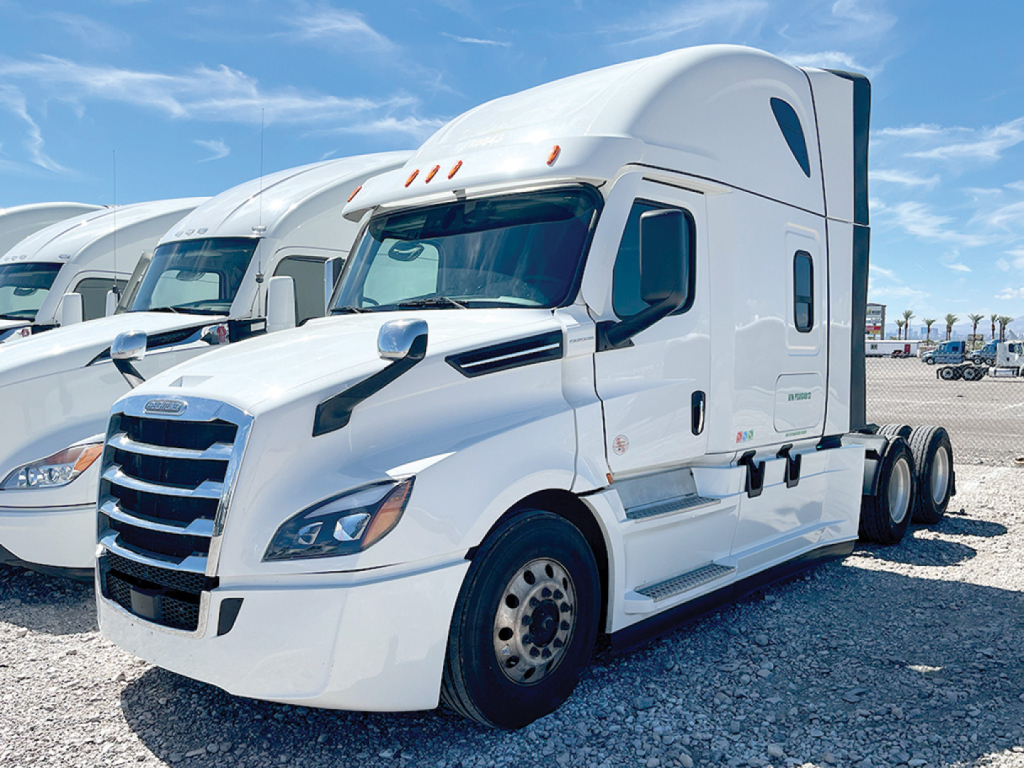
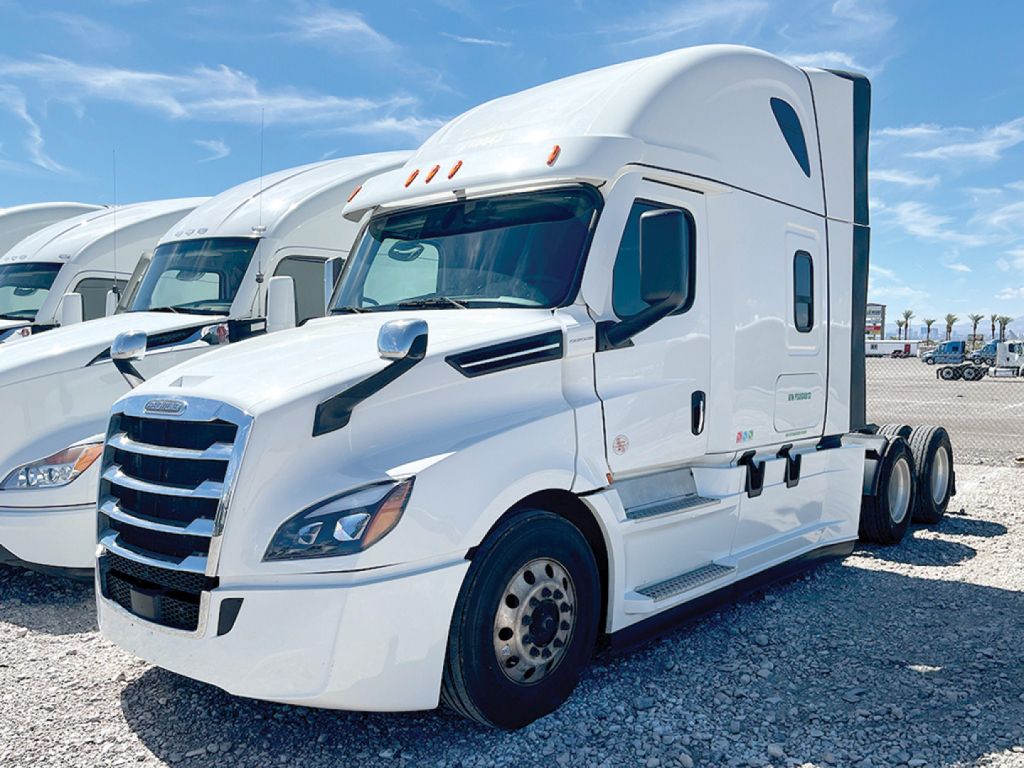
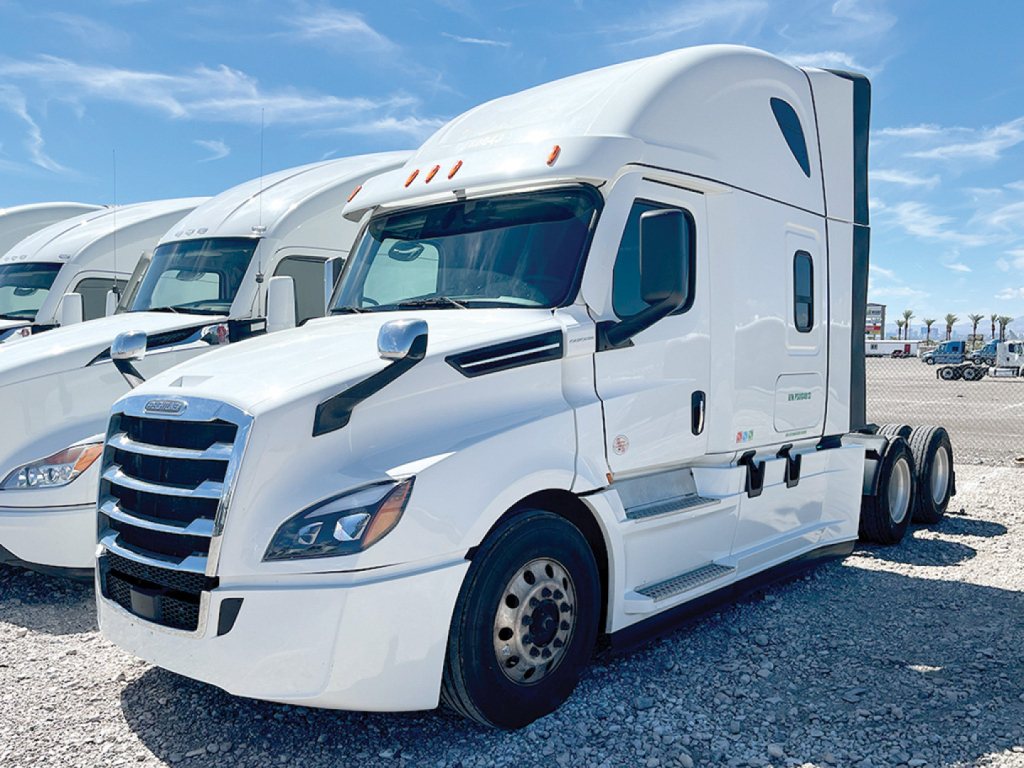
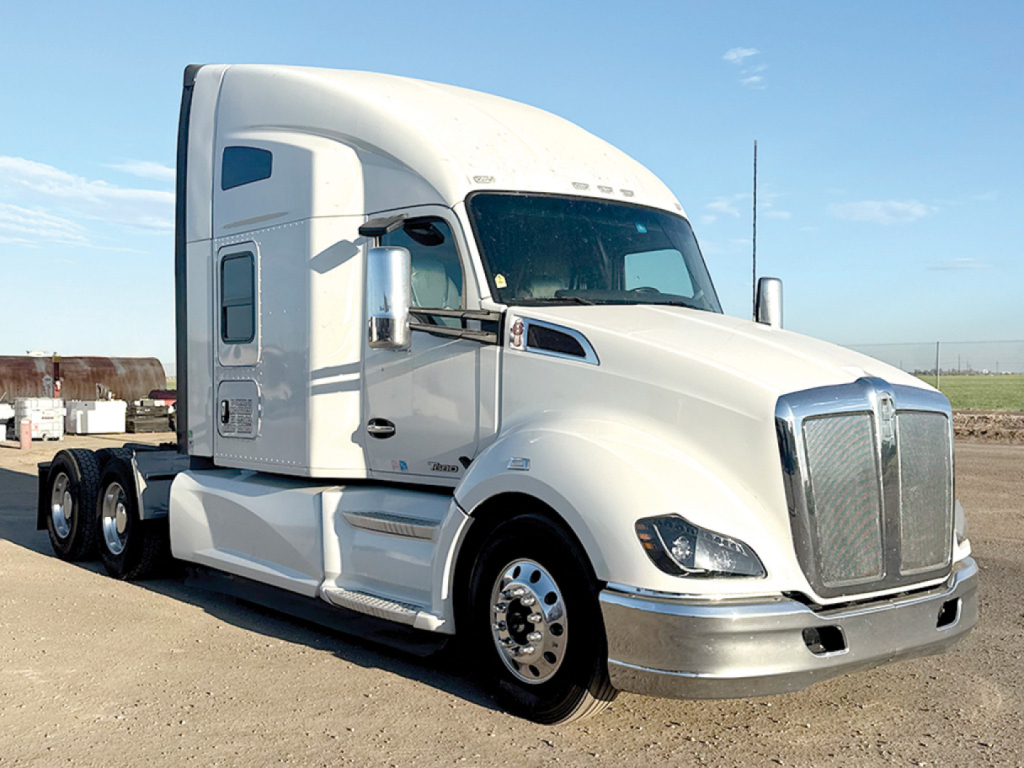
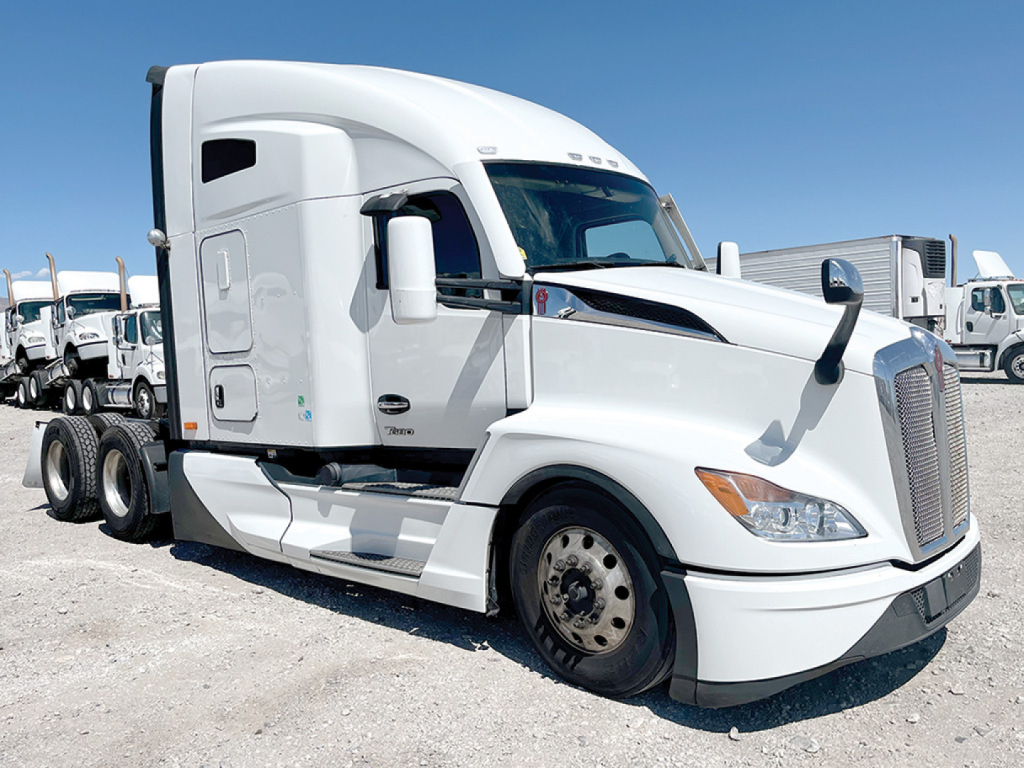
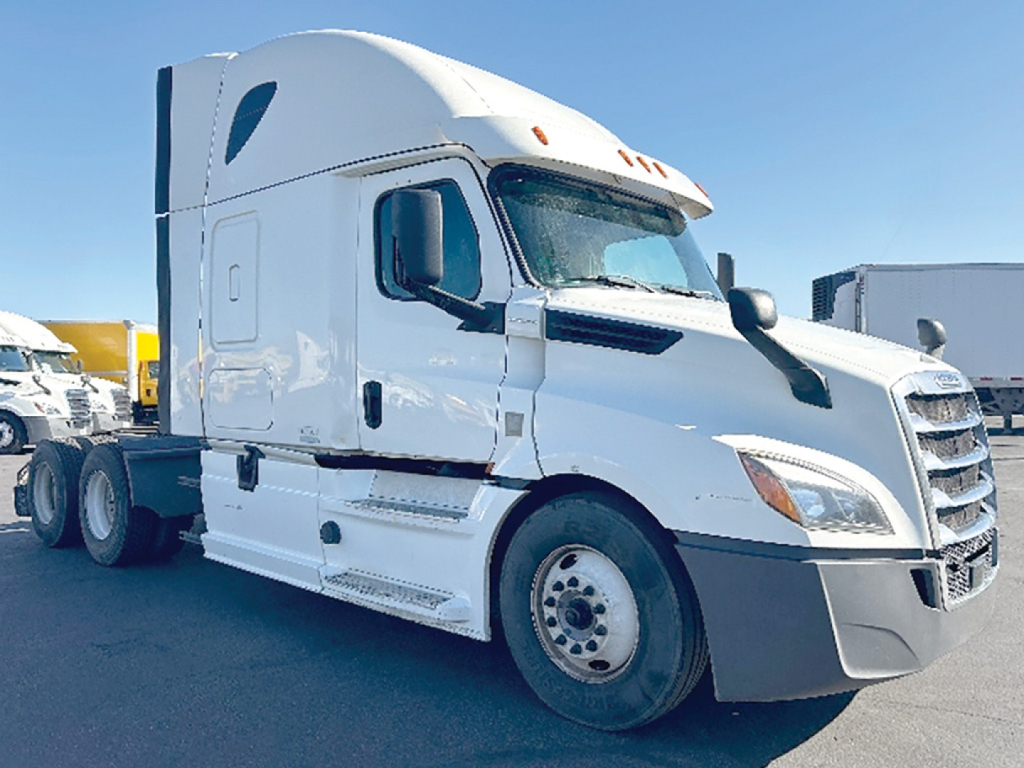
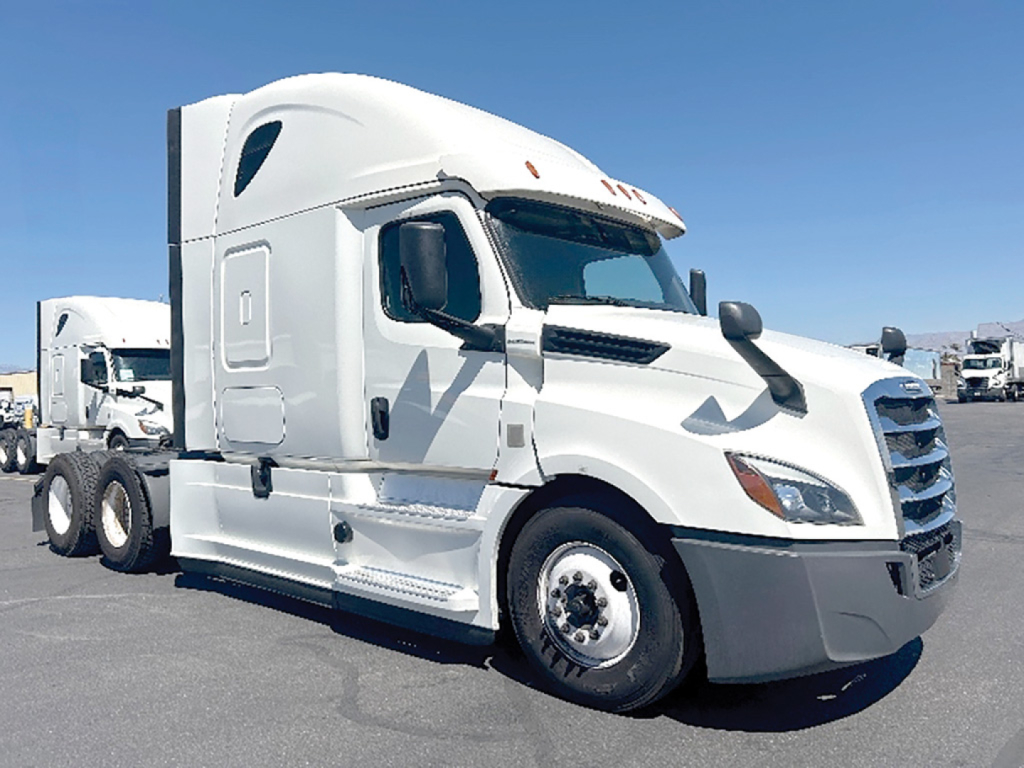
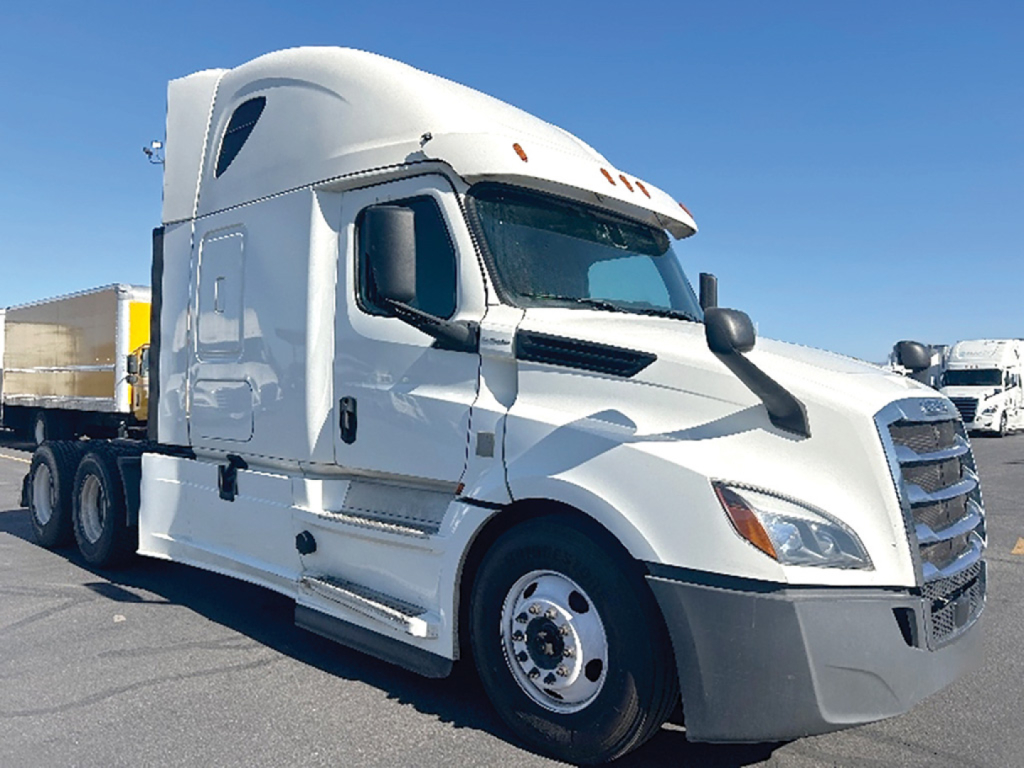
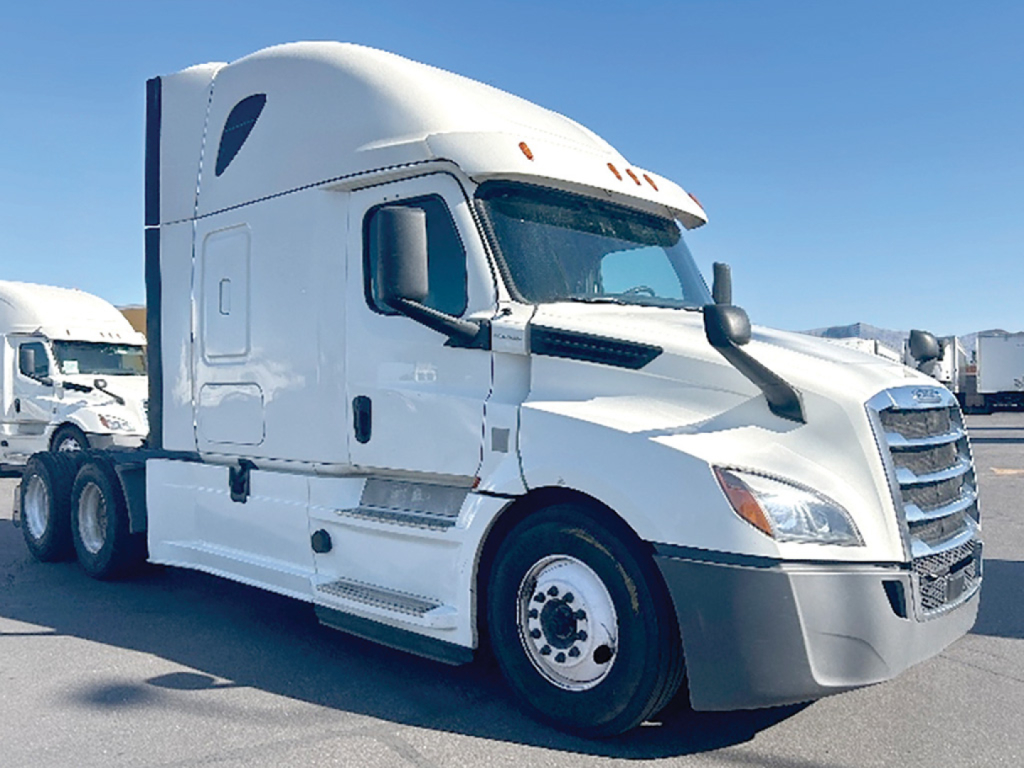
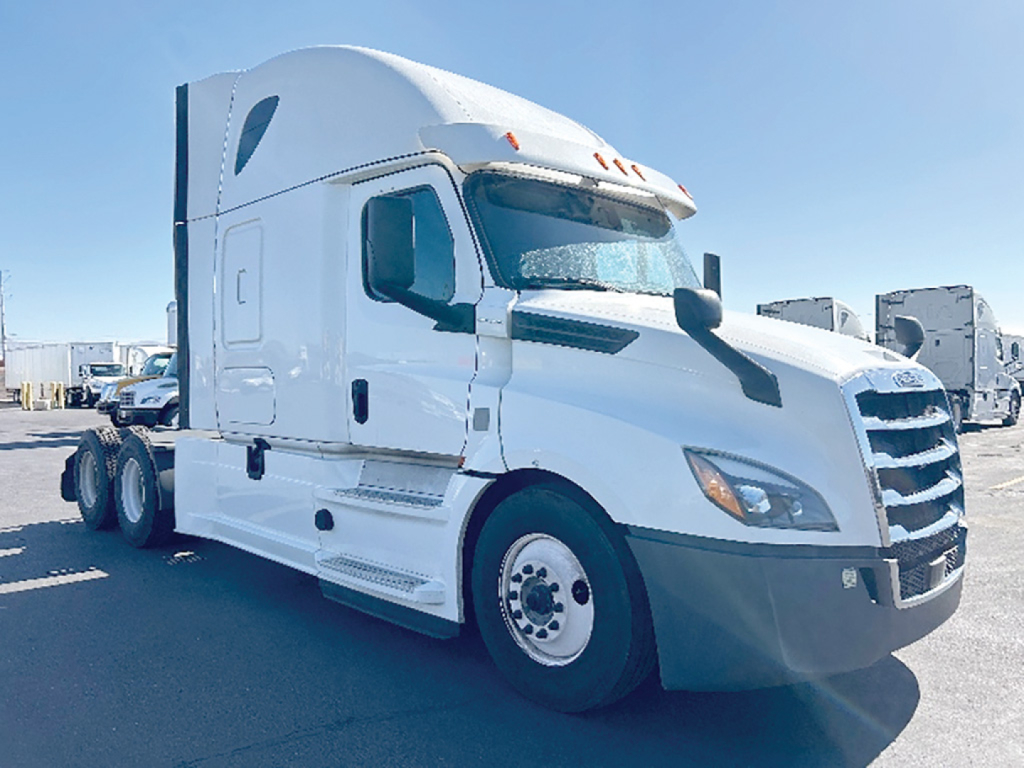
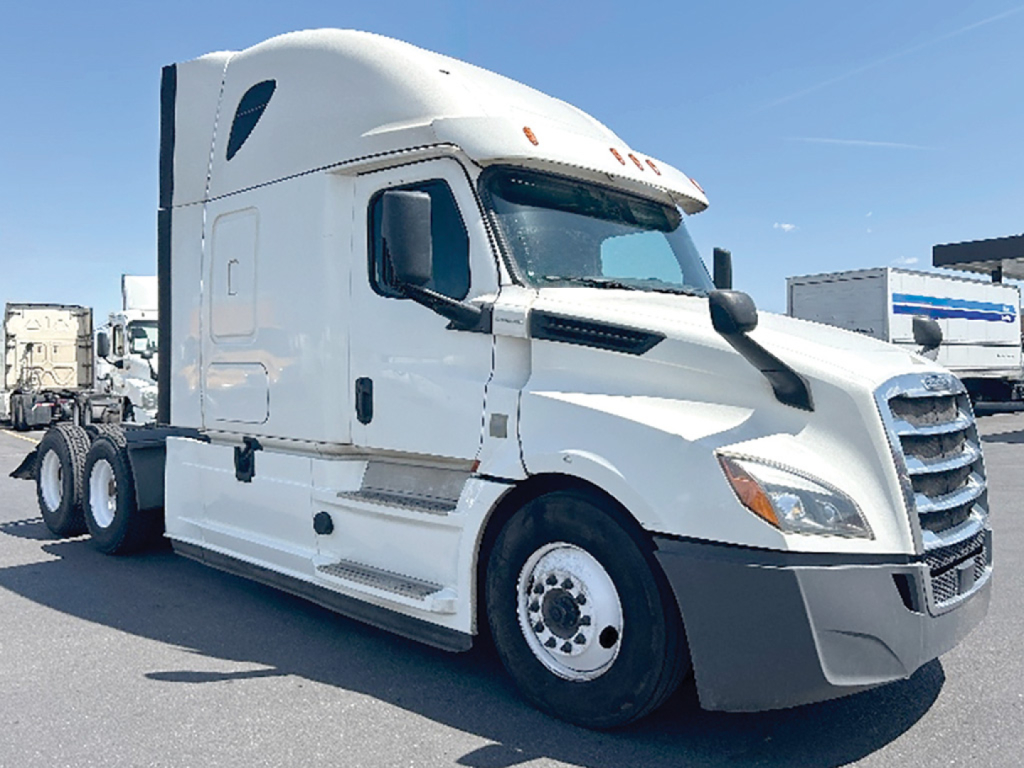
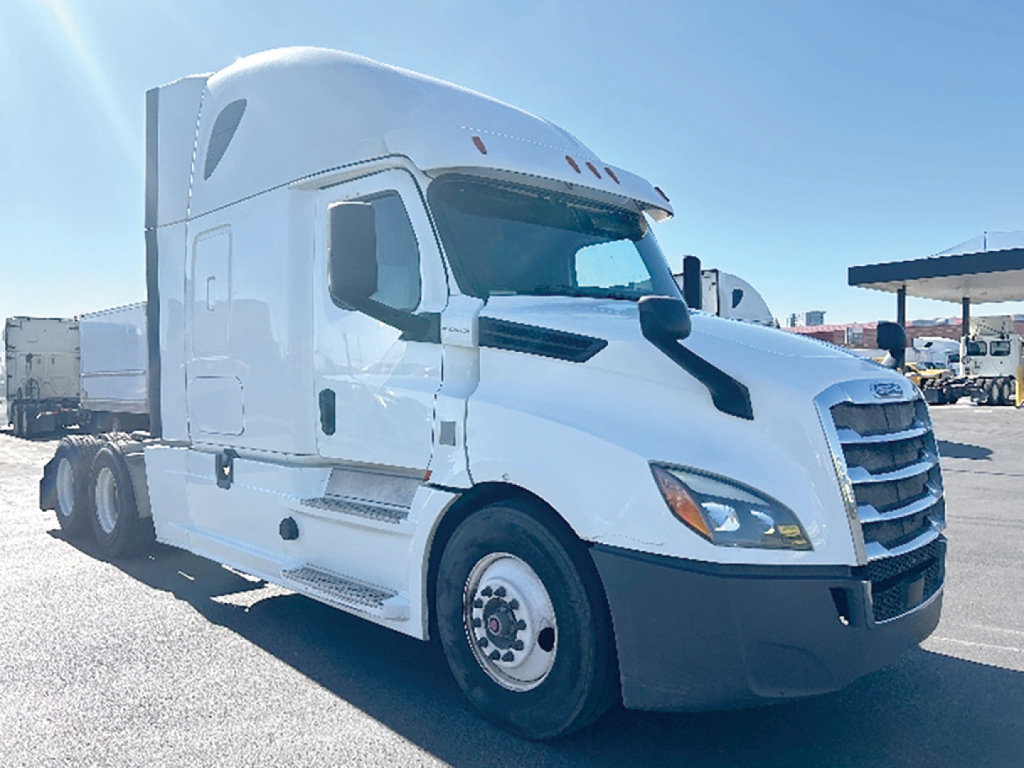

Showing 1 to 28 of 38 results
Selling a commercial truck? List your commercial truck for sale and reach thousands of commercial buyers.
Commercial Trucks in Nevada
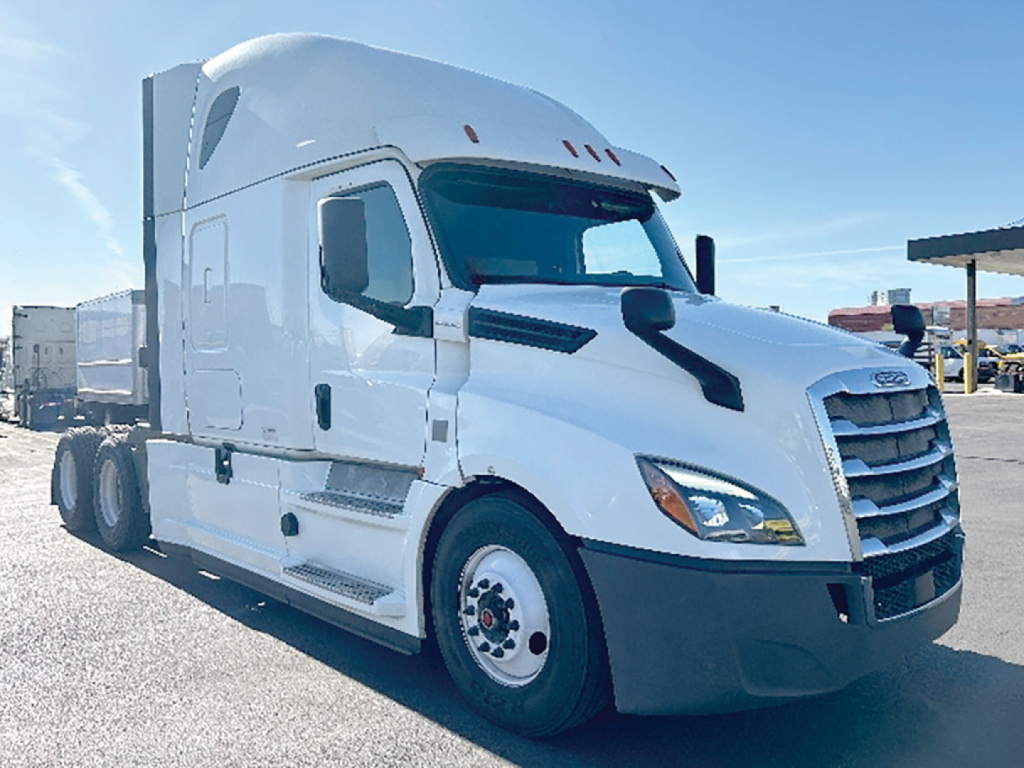
Linehaul sleepers, also known as semi trucks or 18 wheelers, dominate interstate freight into Las Vegas and the Reno-Sparks corridor. Look for aerodynamic packages, chassis fairings and larger dual tanks for spacing between fuel stops. Regional and urban freight favors day cabs with shorter wheelbases, tighter turning radius and rear axle ratios tuned for stop-and-go. Vocational chassis for construction, mining and municipal work benefit from full-locking differentials, 18-speed manuals or high-torque AMTs, double-frame or insert frame rails, 40k to 46k rears, heavy front axles, PTO provisions and high-capacity cooling. Medium duty box trucks and reefer straight trucks that run dense city routes do well with automatic transmissions, hydraulic or air disc brakes and wide-vision cabs for tight docks.
Nevada’s weight rules generally mirror federal bridge laws at 80,000 lb on standard configurations, with permitted longer combination vehicles on designated corridors. Operators running Rocky Mountain doubles or turnpike doubles typically spec higher axle ratings, long wheelbase tractors with robust fifth wheels and strong driveline torque for higher GCWs, subject to permits and route restrictions. If the operation crosses into California, prioritize 2010-and-newer EPA engines, CARB Clean Idle labeling and compliant reefer units to avoid downtime at the border. Battery HVAC or diesel APUs help manage driver comfort in hot climates while staying within local idling limits that may be enforced in metro areas.
When comparing trucks in Nevada, evaluate aftertreatment health, cooling system integrity and tires that handle high pavement temperatures. Review DPF ash loading, SCR dosing history and active fault codes, then pressure test the cooling system and inspect the charge air cooler for leaks. Verify brake lining life and look for heat checking, especially on units that run mountain corridors. Desert environments reduce corrosion, but many fleets rotate equipment across regions, so inspect frames and wiring for prior rust exposure. Safety tech like adaptive cruise, collision mitigation and disc brakes improves uptime and driver retention, and telematics can help manage regen cycles and fuel economy across long, hot routes.
Frequently Asked Questions about Commercial Trucks in Nevada
What axle ratio works best for Nevada routes?
For mostly interstate hauls between Las Vegas, Reno and neighboring states, a downspeeded setup with 2.47 to 2.79 rears and a 12-speed automated manual delivers low rpm at cruise. If your operation includes frequent grades, heavy regional freight or vocational work, 3.08 to 3.42 improves startability and hill performance. Match ratios to tire size, governed road speed and engine torque curve to keep cruise rpm in the efficient band without sacrificing gradeability.
Do I need a high-capacity cooling package for Nevada?
High ambient temperatures and long climbs strain cooling systems, so a larger radiator core, high-flow fan drive, shrouding in good condition and a clean charge air cooler are smart choices. Verify coolant concentration, inspect hoses and clamps, and ensure the A/C condenser and engine fan can maintain cab comfort without overheating the engine at idle. Heat-rated tires and regular checks on wheel-end bearings and brakes help manage thermal loads on summer pavement.
Are longer combination vehicles allowed in Nevada, and how should I spec a tractor for them?
Nevada permits certain doubles and, on designated corridors with permits, longer combination vehicles. Tractors typically need higher-capacity fifth wheels, strong torque output, adequate wheelbase for stability, full-locking differentials and higher rear axle ratings, often 40k to 46k. Brake performance and engine braking are critical for control on grades. Always verify current route eligibility, permitting and equipment requirements with Nevada DOT before specing or operating LCVs.
What emissions or idling considerations affect truck buyers in Nevada?
Nevada generally follows federal emissions standards, and enforcement focuses on safety and opacity. If your routes enter California, plan on 2010-or-newer EPA engines with CARB Clean Idle labeling, and make sure any reefer units meet CARB TRU requirements. For heat management and compliance with local idling restrictions that may apply in metro areas, consider battery HVAC systems or an APU to reduce main engine idle time.
Should I choose a day cab or sleeper for Nevada operations?
Pick based on duty cycle and lane length. Day cabs suit regional distribution and local work with frequent stops, easier maneuvering and lower tare weight. Sleepers fit interstate hauls with long distances between services, offering driver rest, larger fuel capacity and better aerodynamics when spec’d with full fairings. In hot climates, sleepers benefit from APUs or battery HVAC to maintain comfort without idling the main engine.