
2017 Trucks For Sale in Nevada
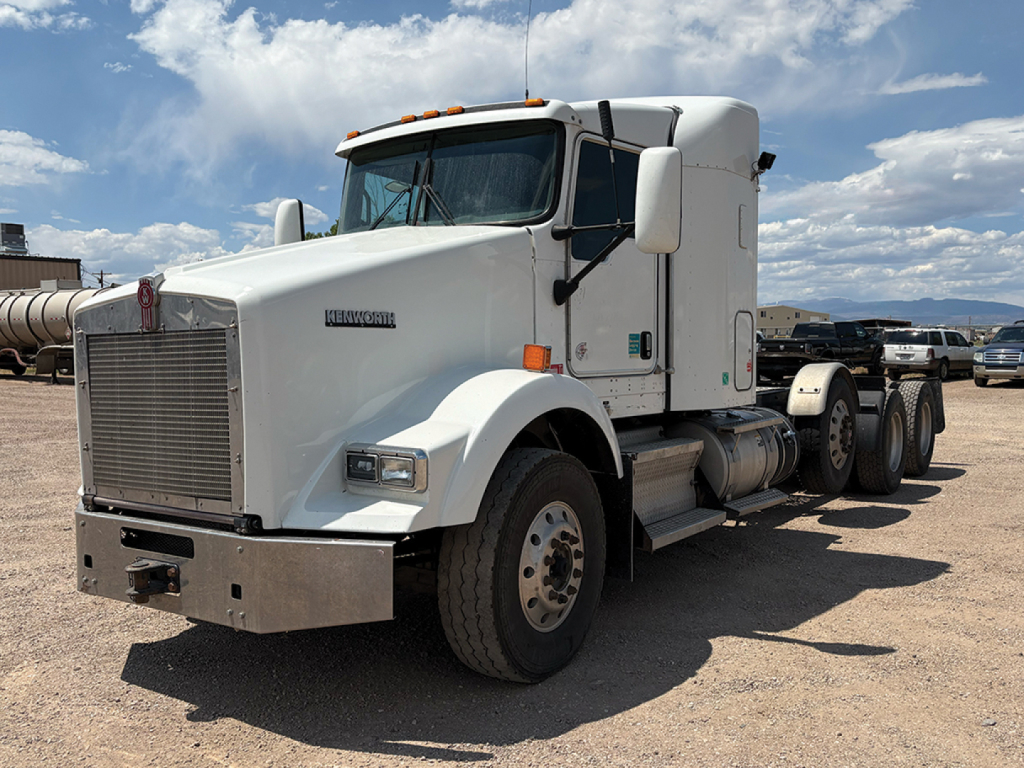
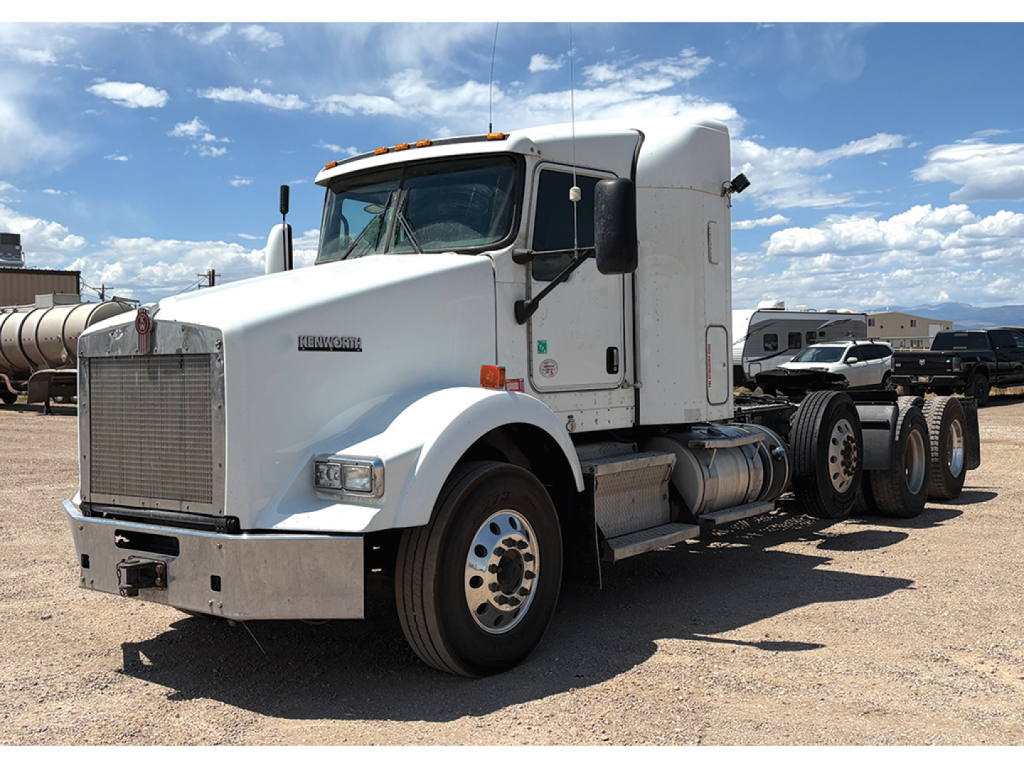
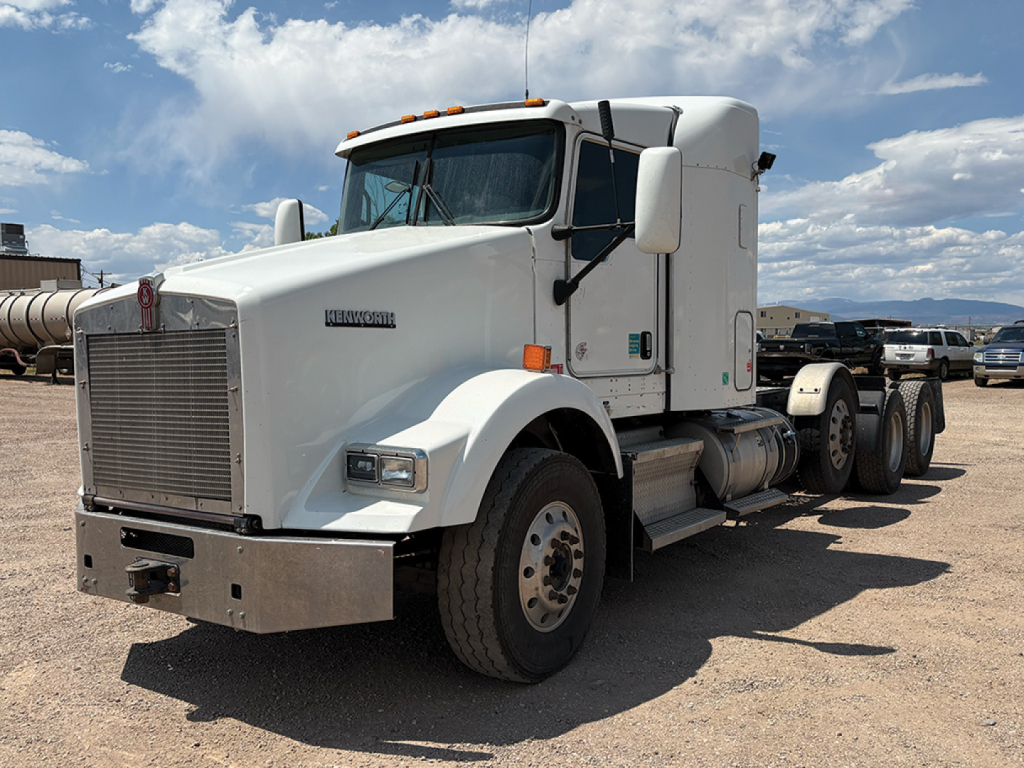

Have 2017 truck to sell? List it here to reach thousands of buyers.
2017 Trucks in Nevada
For highway tractors, key buying points on a 2017 truck are engine platform, transmission type, axle ratio, and wheelbase. Many buyers look for proven combinations such as Cummins, Detroit, PACCAR, or Volvo power paired with automated manuals, though manual transmissions are still found in some fleet and vocational specs. Day cabs are typically favored for short-haul and port, yard, or metro freight, while sleeper trucks are built for longer runs and driver comfort. On a 2017 sleeper, pay close attention to bunk size, fuel capacity, fairings, APU setup, collision mitigation features, and whether the truck has disc brakes or drums. Rear axle ratings, fifth wheel type, and suspension also tell you a lot about whether the truck was spec'd for general van freight, heavier loads, or dedicated regional lanes.
For straight trucks and medium-duty conventionals, 2017 models often show up with van bodies, liftgates, rollup doors, E-track, wood floors, and scuff liners. These trucks are commonly used in furniture delivery, beverage distribution, parcel work, and final-mile applications. Buyers should compare body length, door opening height, rear axle capacity, and transmission setup carefully. An Allison automatic and higher numerical rear ratio can be a practical fit for stop-and-go routes, while wheelbase and body configuration affect turning radius and dock access. In Nevada, cooling system condition, A/C performance, and overall chassis wear can be especially important because heat and long distances put extra stress on equipment.
A 2017 truck is old enough that maintenance history matters as much as the original spec. Look closely at aftertreatment service records, engine brake operation, suspension condition, brake wear, tire age, and signs of hard vocational use. For sleepers, inspect bunk HVAC, inverters, refrigerator systems, and idle-reduction equipment if equipped. For any category, verify GVWR or GCWR, front and rear axle ratings, and emissions compliance before matching the truck to the intended load and route. Buyers comparing 2017 trucks for sale in Nevada usually get the best long-term value by focusing on spec alignment, service history, and total operating cost instead of odometer alone.
Frequently Asked Questions about 2017 Trucks in Nevada
What should I look for first when buying a 2017 truck?
Start with the truck’s intended application, then match the core specs to that job. Engine make, horsepower, transmission type, rear axle ratio, wheelbase, axle ratings, and suspension setup will tell you far more than appearance alone. On a 2017 truck, maintenance records are especially important because this is an age range where aftertreatment repairs, suspension wear, and brake work may already have occurred or may be coming due soon.
Is a 2017 truck a good choice for regional or over-the-road work?
Yes, a well-maintained 2017 truck can still be a practical option for regional and long-haul service. Many 2017 highway tractors offer modern aerodynamics, automated manual transmissions, and engine platforms that are still widely supported for parts and service. The best candidates are trucks with documented maintenance, the right sleeper or day cab configuration, and gearing that matches your typical load and cruising speed.
Are 2017 straight trucks still a good fit for delivery routes?
They can be, especially for local and regional delivery operations where body configuration matters as much as the chassis. A 2017 straight truck with a van body, liftgate, E-track, and a dependable automatic transmission can still be productive in final-mile, furniture, parcel, and distribution work. Buyers should pay close attention to body condition, floor wear, rear door hardware, and liftgate operation, since these items directly affect uptime.
What maintenance issues are common on 2017 trucks?
Common areas to inspect include the emissions system, including DPF, DEF, and SCR components, along with turbocharger condition, coolant system integrity, and any signs of oil or exhaust leaks. Suspension bushings, shocks, steering components, and brake systems also deserve a close look at this age. If the truck has automated shifting, verify clutch and calibration history, and if it is a sleeper, check bunk HVAC and auxiliary electrical equipment.
Does Nevada use affect what I should inspect on a used 2017 truck?
Yes. Nevada service can mean long highway runs, high ambient temperatures, and severe-duty city use depending on the truck’s assignment. Buyers should inspect cooling performance, A/C operation, tire condition, brake wear, and signs of heat-related stress in hoses, wiring, and seals. Desert miles can be easier on rust, but they can still be hard on interiors, paint, rubber components, and overall chassis systems if preventive maintenance was inconsistent.