
Peterbilt Trucks For Sale in Nevada
Have peterbilt truck to sell? List it here to reach thousands of buyers.
Peterbilt Trucks in Nevada
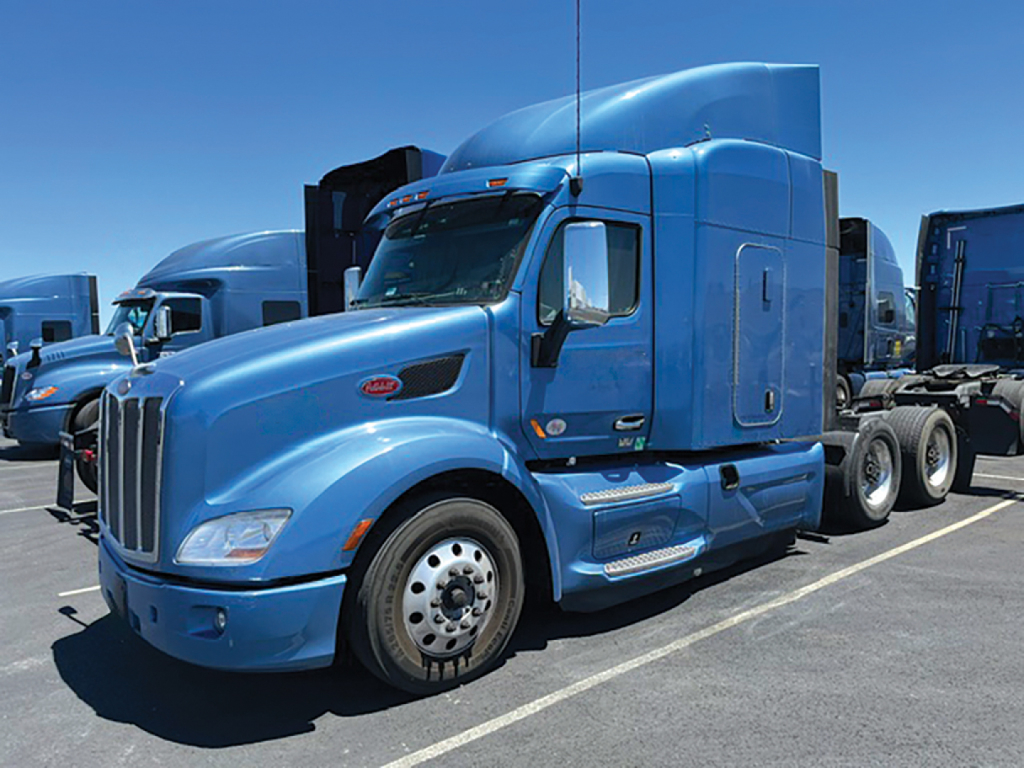
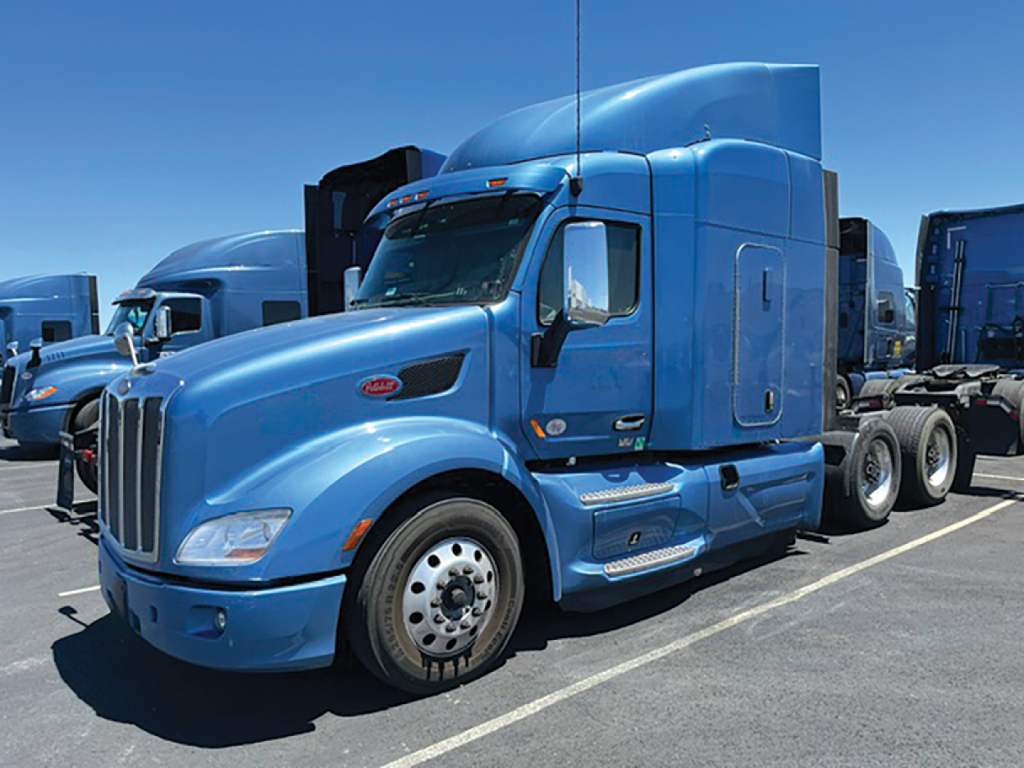
For sleeper tractors, the Peterbilt 579 is one of the most common choices for long-haul and regional freight. Buyers usually compare engine ratings in the 400 to 500 horsepower range, automated transmissions, rear axle ratios, and sleeper layout. High-roof sleepers such as the Unibilt and UltraLoft are popular because they improve driver space without giving up the aerodynamic profile needed for fuel economy. Features like collision mitigation, digital dash packages, APUs, bunk heaters, and air slide fifth wheels add real operational value, especially for fleets trying to manage driver retention and idle time. If the truck will spend most of its life on interstate freight, pay close attention to wheelbase, fairings, fuel capacity, and axle ratio. A 2.79 or 3.36 rear ratio can make a noticeable difference in cruise RPM, gradeability, and overall operating cost depending on load and terrain.
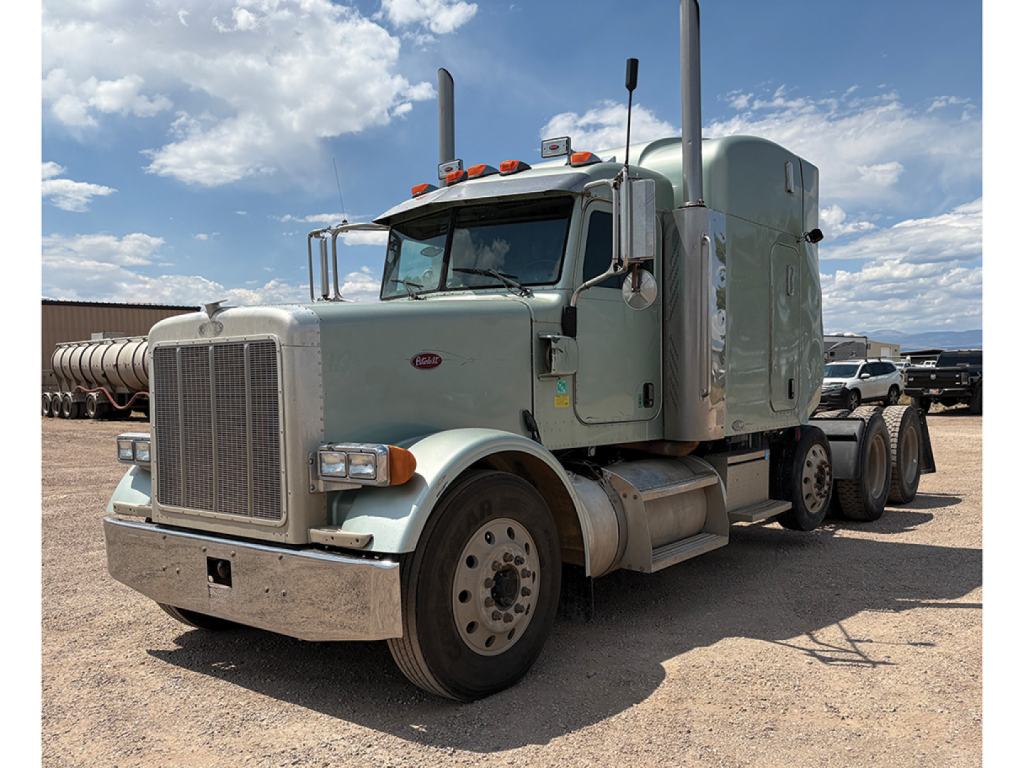
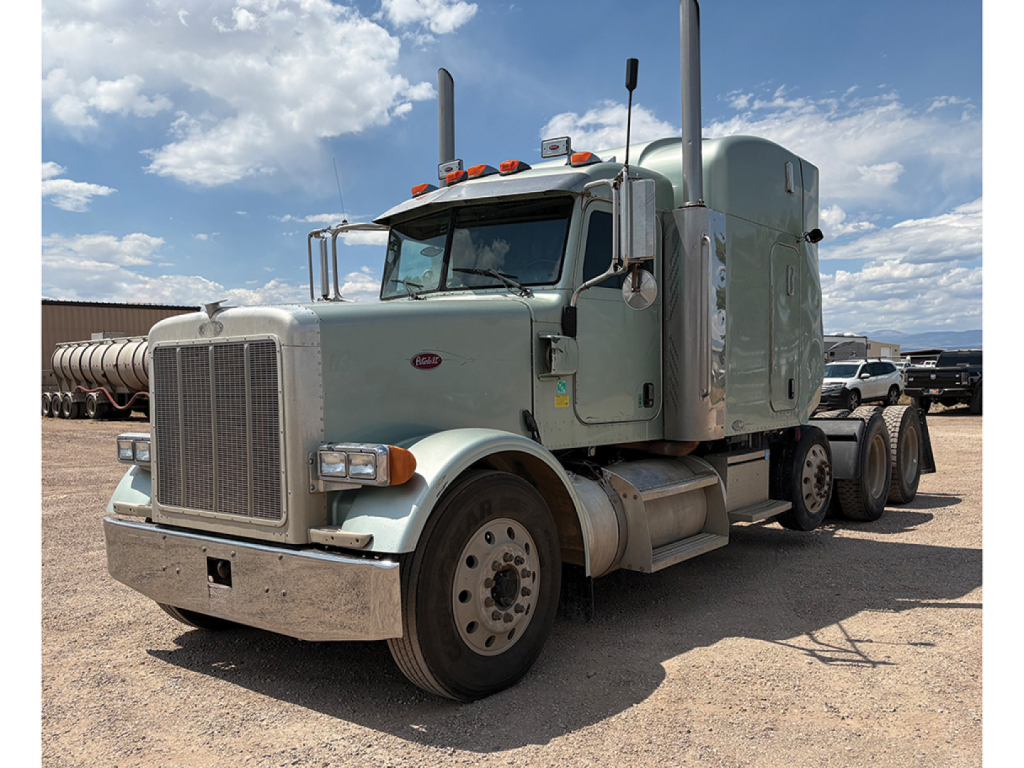
The Peterbilt 389 serves a different buyer. It is a classic long-hood conventional, also known in many applications as an owner-operator spec tractor, but it is just as relevant in vocational work when configured as a dump truck or heavy-duty day cab. These trucks are commonly spec'd with Cummins ISX15 or X15 engines, manual or automated transmissions, and 40,000 lb rear axles, with higher front axle ratings and lift axles showing up in dump and severe-service applications. A buyer looking at a 389 should focus on intended use first. For highway day cab work, check fifth wheel setup, wheelbase, fuel capacity, and gearing. For dump or construction service, look harder at PTO provisions, body length, suspension type, pusher axle design, brake spec, frame condition, and whether the truck has the locking rears and steering components needed for off-pavement maneuvering.
Across the Peterbilt line, build quality and serviceability are a big part of the appeal, but the right spec still matters more than the badge. In Nevada, buyers should pay close attention to cooling performance, emissions system history, cab HVAC, and signs of wear from heat and dust exposure. Disc brakes, air ride suspension, aluminum wheels, and modern driver-assist features can improve uptime and resale, but drivetrain match is still the key decision. A truck with the right engine, transmission, axle ratio, and wheelbase for the job will usually outperform a nicer-looking truck with the wrong spec. Peterbilt remains a strong choice for buyers who want a conventional truck with broad parts support, proven Cummins power options, and configurations that fit both highway freight and vocational hauling.
Frequently Asked Questions about Peterbilt Trucks in Nevada
What are the most common Peterbilt truck models buyers look for in Nevada?
The Peterbilt 579 and Peterbilt 389 are two of the most commonly searched models because they serve very different needs. The 579 is an aerodynamic conventional built for regional and over-the-road freight, usually with a sleeper, automated transmission, and fuel-economy-focused axle ratios. The 389 is a long-hood conventional that is popular as a day cab, owner-operator tractor, heavy haul platform, or vocational truck such as a dump configuration. The right model depends less on appearance and more on duty cycle, terrain, and how the truck is spec'd.
Is a Peterbilt 579 or 389 better for long-haul freight?
For most long-haul freight operations, the Peterbilt 579 is the better fit because it is designed around aerodynamics, driver comfort, and lower operating cost at highway speeds. Sleeper options like the 80-inch Unibilt High Roof and UltraLoft give drivers more living space, and these trucks are commonly spec'd with automated transmissions and faster rear axle ratios for better cruise efficiency. A Peterbilt 389 can still be used in linehaul service, especially by owner-operators who prefer a traditional long-hood truck, but it is generally less focused on aerodynamic efficiency than a 579.
What specs matter most when buying a used Peterbilt truck?
The most important specs are engine model, horsepower, transmission type, rear axle ratio, suspension, wheelbase, and axle ratings. Buyers should also check whether the truck's configuration matches the intended application. A sleeper tractor for highway freight needs different gearing, fairings, and fuel capacity than a dump truck or day cab. In used Peterbilt trucks, emissions system history, cooling system condition, brake type, PTO setup, and any signs of frame or suspension wear are also critical because they directly affect uptime and repair cost.
Are Peterbilt trucks good for vocational work like dump applications?
Yes, Peterbilt trucks are widely used in vocational service, especially when built on a 389 or similar conventional platform with the correct chassis components. Dump applications usually require higher front axle ratings, locking rear differentials, PTO capability, heavy suspension specs, and sometimes a steerable lift axle. Buyers should evaluate the complete truck, not just the cab and engine, because body spec, frame reinforcement, hydraulic setup, and brake package are what determine how well the truck will perform on paving, aggregate, excavation, or municipal work.
Why does axle ratio matter so much on a Peterbilt truck?
Axle ratio affects cruise RPM, pulling power, startability, and fuel economy. A numerically lower ratio such as 2.79 is often used in highway applications where the truck spends most of its time at steady interstate speeds. A higher ratio such as 3.36 or 3.73 gives better mechanical advantage for heavier loads, stop-and-go work, and grades, which can be important in mountain terrain or vocational service. On a Peterbilt, the axle ratio needs to be matched to the engine, transmission, tire size, and actual hauling job or the truck may feel underpowered or run inefficiently.