
Peterbilt Conventional Sleeper Trucks For Sale in Nevada
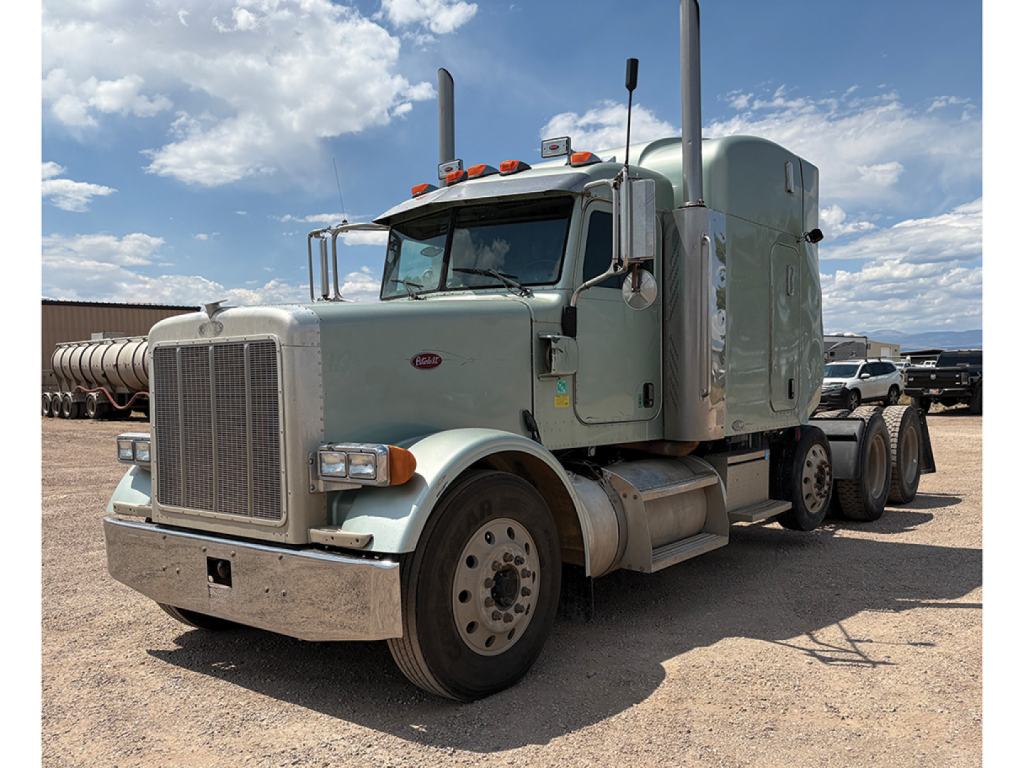
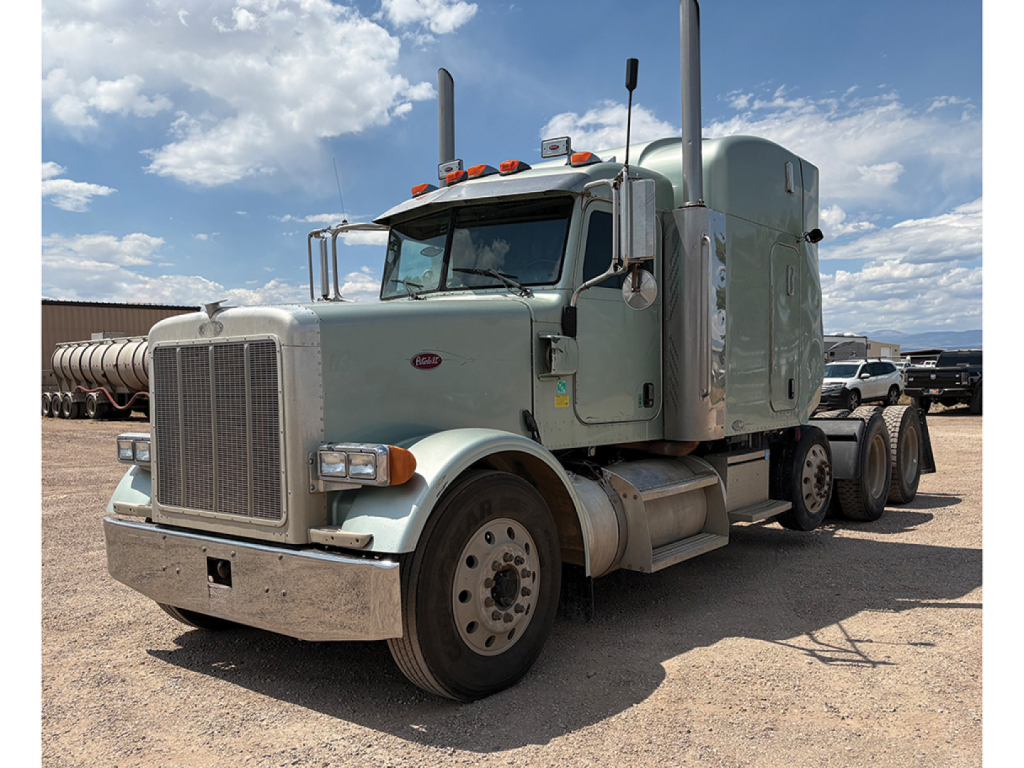
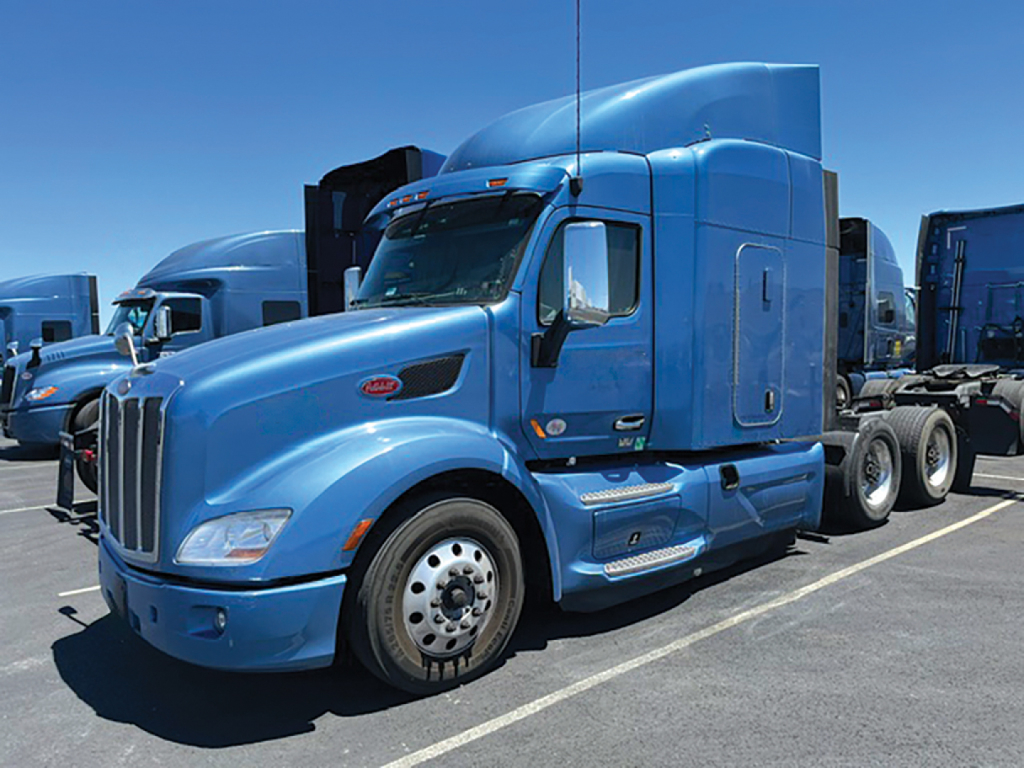
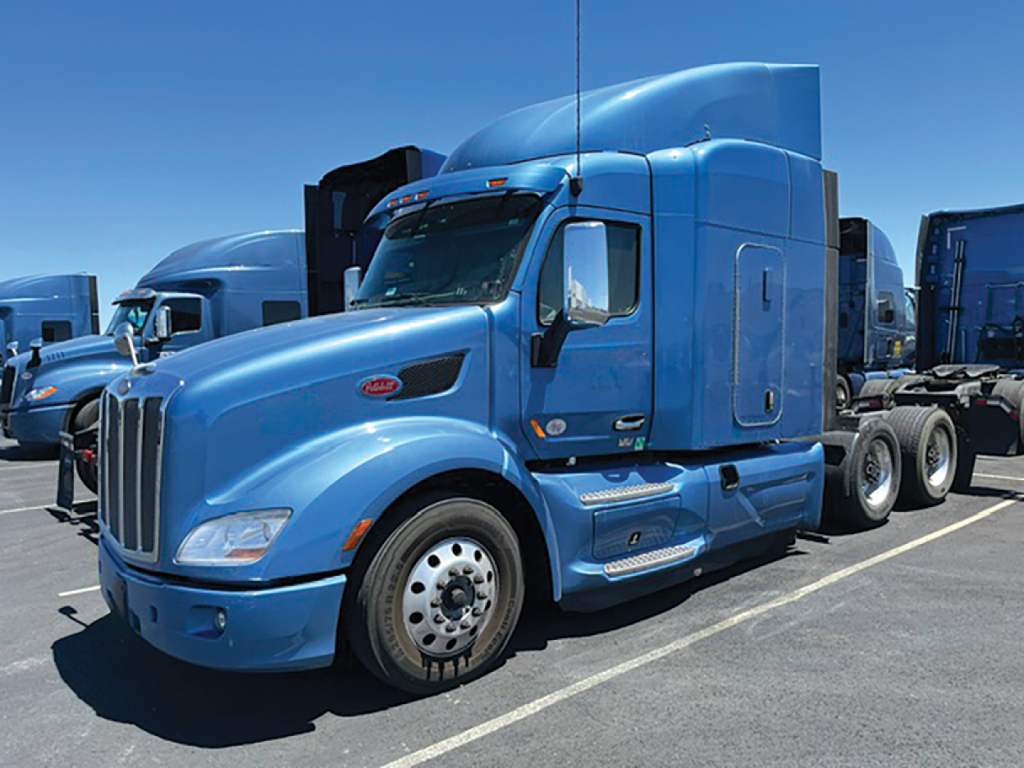
Have peterbilt conventional sleeper truck to sell? List it here to reach thousands of buyers.
Peterbilt Conventional Sleeper Trucks in Nevada
Powertrain choice is a major buying point in this class. Many Peterbilt sleeper tractors are equipped with Cummins ISX15 or X15 engines in the 450 HP range, commonly paired with automated manual transmissions and 40,000 lb rear axles. Rear axle ratios such as 2.79 or 3.36 tell you a lot about the truck's intended duty cycle. A 2.79 ratio usually points to fuel-efficient linehaul operation at highway speed, while a 3.36 ratio can be better suited to fleets that need a little more flexibility in varied terrain or heavier gross weights. Buyers should match horsepower, transmission calibration, and ratio to the freight they actually pull, especially when running dry van, reefer, or general long-haul lanes across desert grades and mountain corridors.
Sleeper specification matters as much as drivetrain on a conventional sleeper truck. High-roof 80-inch sleepers with upper bunks, bunk heaters, refrigerators, APUs, and storage upgrades are better suited for teams or drivers staying out for extended periods. Features like digital dash systems, collision mitigation, keyless entry, and disc brakes are becoming more common on newer Peterbilt conventionals and can improve both driver acceptance and operating safety. Practical spec details also deserve attention, including fuel tank capacity, wheelbase, low-profile 22.5 tires, and whether the truck has aluminum wheels, horizontal exhaust, cab extenders, and quarter fenders. Each of those details affects weight, maintenance access, and how efficiently the truck performs in highway service.
A good Peterbilt conventional sleeper should be evaluated beyond model year and appearance. Look at engine hours versus miles, aftertreatment history, transmission service records, brake type, tire wear pattern, and signs of fairing or sleeper damage from crosswinds or docking contact. In Nevada and the surrounding Southwest, sun exposure, idle time, and HVAC performance are especially important, as are bunk climate systems for driver retention. Buyers comparing Peterbilt sleeper trucks often focus on the balance between premium driver amenities and total operating cost, and that is the right approach. The best spec is the one that fits your lanes, your trailer type, and the amount of time the truck is expected to live on the road.
Frequently Asked Questions about Peterbilt Conventional Sleeper Trucks in Nevada
What is the most common Peterbilt conventional sleeper model for long-haul work?
The Peterbilt 579 is one of the most common conventional sleeper models used in long-haul trucking. It is popular because it combines aerodynamic design, good driver visibility, modern interior layout, and a wide range of sleeper options. Buyers often see it spec'd with 80-inch high-roof sleepers, Cummins power, automated manual transmissions, and highway-friendly axle ratios for fuel-efficient linehaul service.
What axle ratio is best on a Peterbilt sleeper truck?
The best axle ratio depends on the freight, terrain, and cruising speed. A 2.79 ratio is typically chosen for fuel-efficient highway operation and works well for fleets running steady interstate miles. A 3.36 ratio can make more sense for heavier loads, mixed terrain, or operations that need stronger low-speed pulling performance. The ratio should always be considered together with engine rating, transmission gearing, and expected gross combination weight.
What sleeper size is common on Peterbilt conventional sleeper trucks?
An 80-inch sleeper is a very common spec on Peterbilt conventional sleepers, especially on long-haul tractors. High-roof versions such as the UltraLoft or Unibilt give drivers more standing room, storage, and room for features like upper bunks, refrigerators, and bunk heaters. For teams or drivers staying out for extended runs, sleeper layout and comfort features can have a direct impact on productivity and retention.
Are automated transmissions common in Peterbilt sleeper tractors?
Yes, automated manual transmissions are now standard in many Peterbilt sleeper tractors used for highway freight. They help with fuel economy consistency, reduce driver fatigue, and simplify training compared with traditional manual gearboxes. Buyers should still verify the transmission model, calibration, clutch history if applicable, and how well it matches the engine and axle ratio for the intended application.
What should buyers inspect on a used Peterbilt sleeper truck in Nevada?
In Nevada, buyers should pay close attention to cooling system condition, air conditioning performance, bunk HVAC, and signs of sun-related wear in the interior and exterior trim. It is also smart to review aftertreatment service records, engine and transmission fault history, brake condition, and tire wear. On aerodynamic sleeper trucks, inspect fairings, cab extenders, and sleeper panels carefully because heat, wind, and routine trailer contact can lead to expensive cosmetic and structural repairs.