
2021 Commercial Trucks For Sale in Nevada
Browse 2021 trucks for sale in Nevada, including sleeper and day cab models with modern powertrains, aero specs, and vocational options.
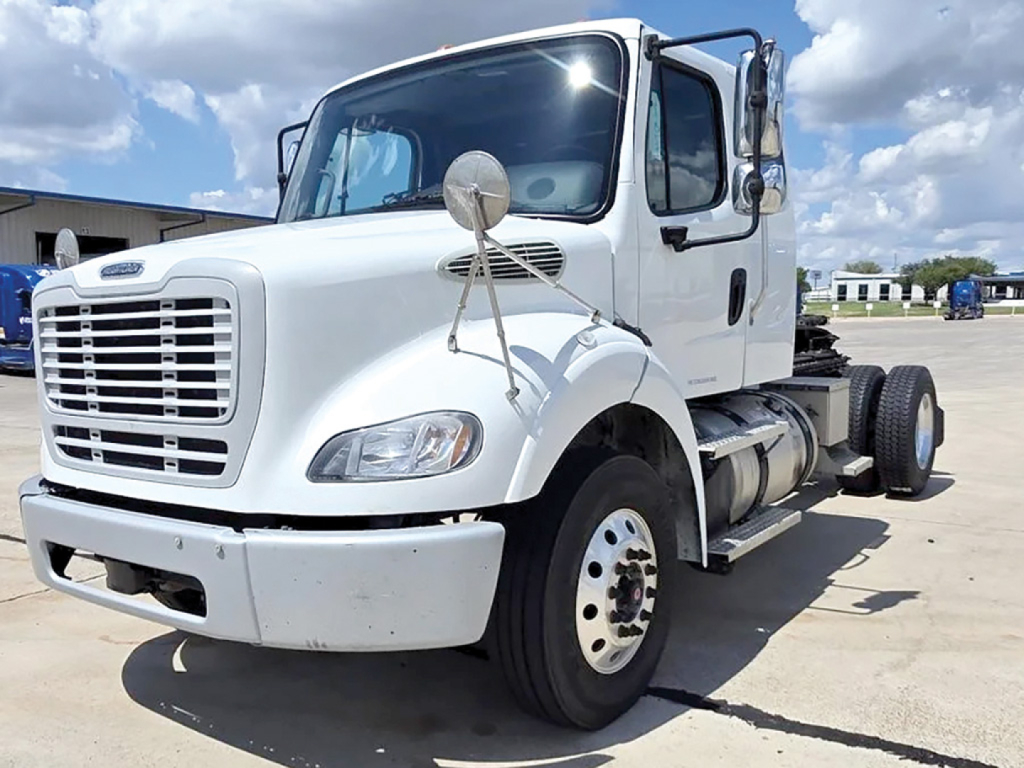
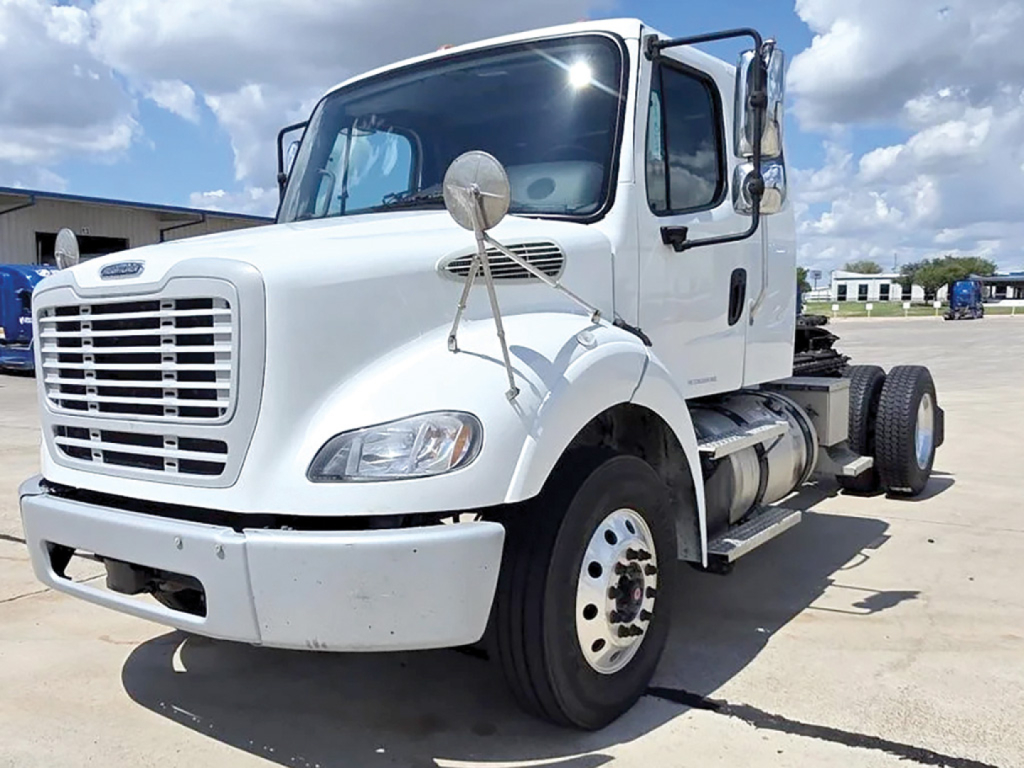
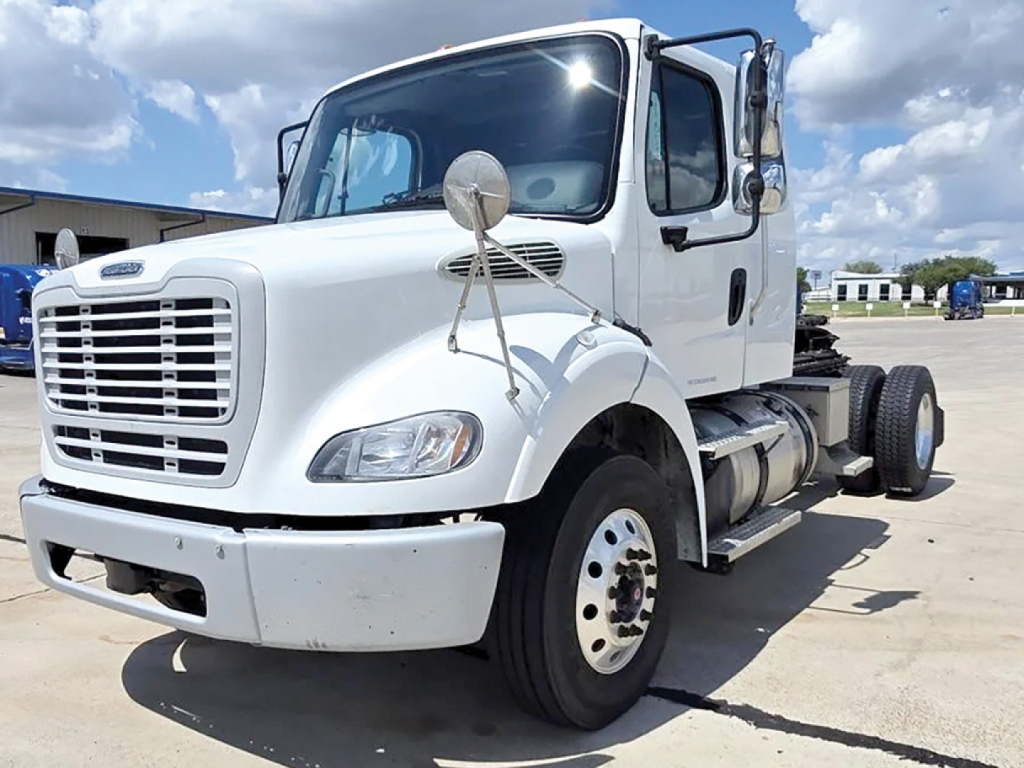
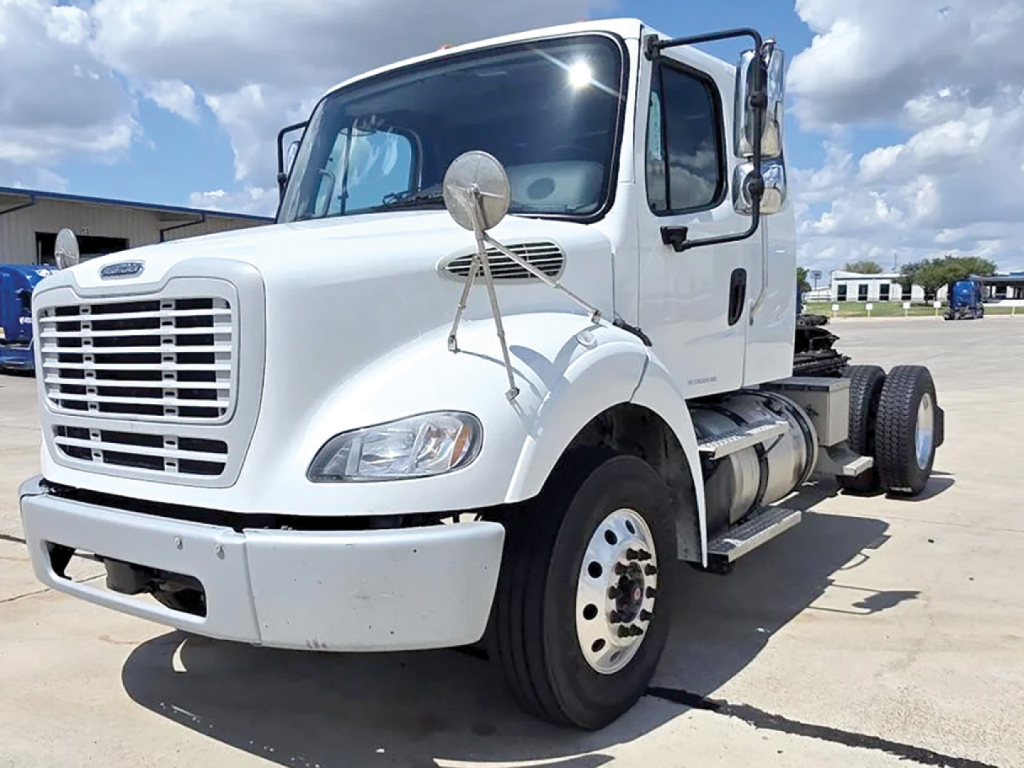
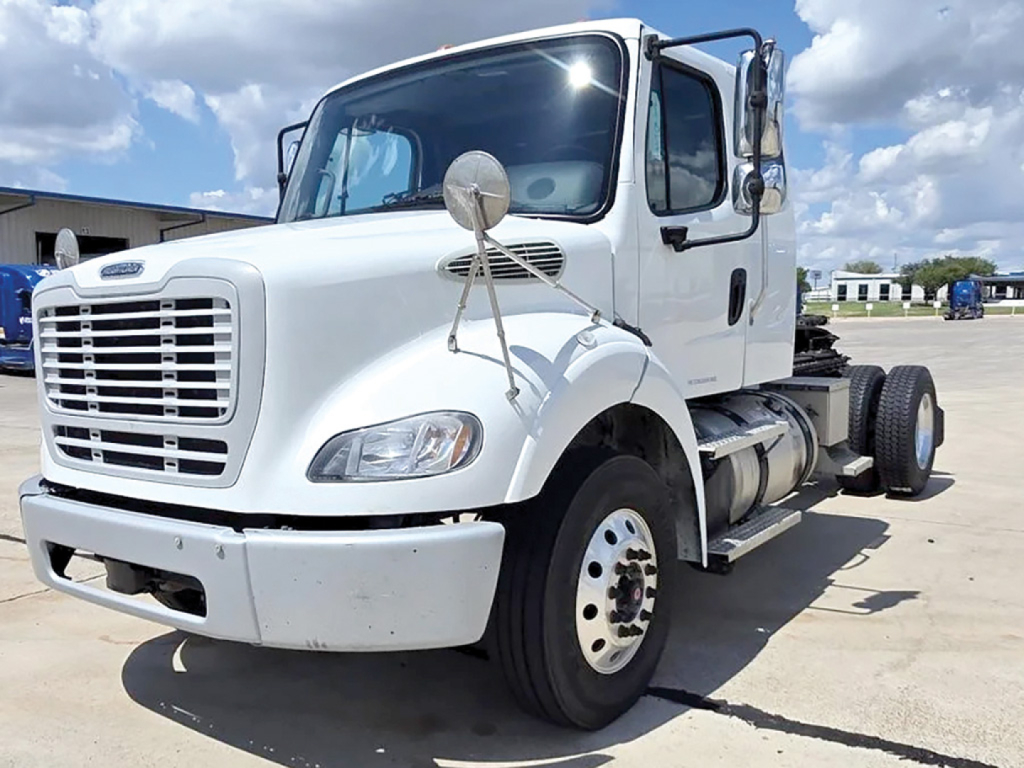
Selling a 2021 commercial truck? List your 2021 commercial truck for sale and reach thousands of commercial buyers.
2021 Commercial Trucks in Nevada
On the highway side, many 2021 sleeper and day cab tractors were spec'd with engines in the 400 to 455 horsepower range, paired with automated transmissions such as Volvo I-Shift, Detroit DT12, or comparable 12-speed and 13-speed options. Typical tandem rear axle ratings are around 40,000 pounds, with faster rear ratios like 2.79 to 3.08 aimed at fuel economy and lower cruise RPM. Buyers comparing 2021 road tractors should pay close attention to wheelbase, sleeper size, fairing package, air slide fifth wheel, and tire profile, since those details directly affect maneuverability, bridge law flexibility, and fuel burn. In Nevada, a well-matched aero spec can make a real difference on long desert corridors where steady highway speed and wind exposure are part of daily operation.
For local and regional work, 2021 trucks also include medium-duty conventionals and straight trucks commonly spec'd with 26-foot van bodies, liftgates, wood floors, E-track, scuff liners or scuff plates, and roll-up rear doors. These trucks are often powered by engines around 300 horsepower with Allison automatic transmissions, single rear axles in the 16,000-pound class, and deeper axle ratios for stop-and-go service. That setup fits beverage, parcel, moving, route delivery, and municipal support work. If the truck will spend most of its time in Las Vegas, Reno, or mixed urban and regional routes, body condition, liftgate capacity, rear door opening height, and suspension type usually matter more than peak horsepower.
A 2021 truck is old enough that maintenance history should carry as much weight as brand preference. Buyers should look at engine hours against odometer miles, transmission service records, aftertreatment history, tire wear patterns, brake life, suspension condition, and signs of body or frame repairs. On highway tractors, verify bunk configuration, fuel capacity, and any driver-assist or telematics systems that may affect fleet integration. On straight trucks, inspect the cargo box roof, floor integrity, threshold plate, and door hardware. The best 2021 truck for a Nevada buyer is not just the newest-looking unit. It is the one with the right axle rating, wheelbase, powertrain, and body spec for the route, terrain, and payload it will handle every week.
Frequently Asked Questions about 2021 Commercial Trucks in Nevada
What types of 2021 trucks are common in Nevada?
The Nevada market typically includes 2021 sleeper tractors, day cab tractors, and medium-duty straight trucks with van bodies. Sleeper tractors are common for long-haul and western regional freight, while day cabs fit port, local, and dedicated route work. Medium-duty box trucks are common in delivery and service applications, often with liftgates, E-track, and roll-up doors for city and regional distribution.
What engine and transmission specs are typical on 2021 trucks?
On 2021 highway tractors, buyers will often see engines in the 400 to 455 horsepower range from manufacturers such as Volvo, Detroit, Cummins, and PACCAR, paired with automated manual transmissions like I-Shift or DT12. Medium-duty 2021 trucks commonly run around 300 horsepower with Allison automatics for easier stop-and-go operation. Rear axle ratios vary by use case, with lower numerical ratios generally favored for highway fuel economy and deeper ratios better suited to local delivery or heavier start-and-stop work.
Is a 2021 truck a good choice for long-haul operation?
A 2021 truck can be a strong long-haul choice if the spec matches the freight and route. Look for an aerodynamic sleeper configuration, a fuel-efficient rear ratio, a tandem axle rating around 40,000 pounds, and a transmission calibrated for highway cruising. In Nevada and the broader western region, cooling system condition, engine brake performance, and overall aftertreatment service history are especially important because trucks often face long grades, heat, and extended highway miles.
What should I inspect first on a used 2021 straight truck?
Start with the body and payload-related components, because those are central to revenue in a straight truck. Check the box length, interior width and height, floor condition, roof condition, E-track, scuff protection, rear frame, and liftgate operation. Then review axle ratings, wheelbase, transmission type, and engine service records to confirm the truck is properly spec'd for the cargo and route density.
How important is axle ratio when buying a 2021 truck?
Axle ratio is one of the most important spec points because it changes how the truck performs every day. A highway tractor with a ratio such as 2.79 or 3.08 is usually aimed at lower RPM and better fuel economy at cruise speed. A medium-duty or local-route truck with a deeper ratio such as 5.29 is better suited to frequent starts, lower-speed work, and body applications that carry weight in urban service. Matching the ratio to the route is more important than chasing a single number.