
2019 International Trucks For Sale
2019 International trucks overview covering LT, MV, HV and LoneStar, engines, weight, corrosion protection, floor strength, and thermal performance.
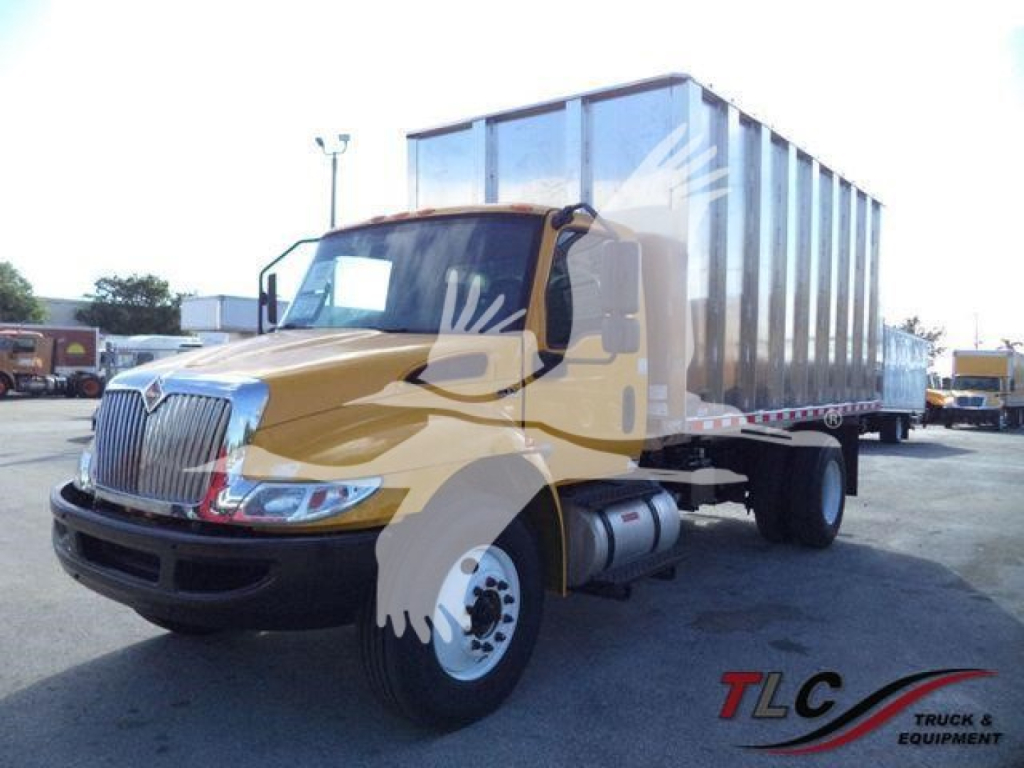
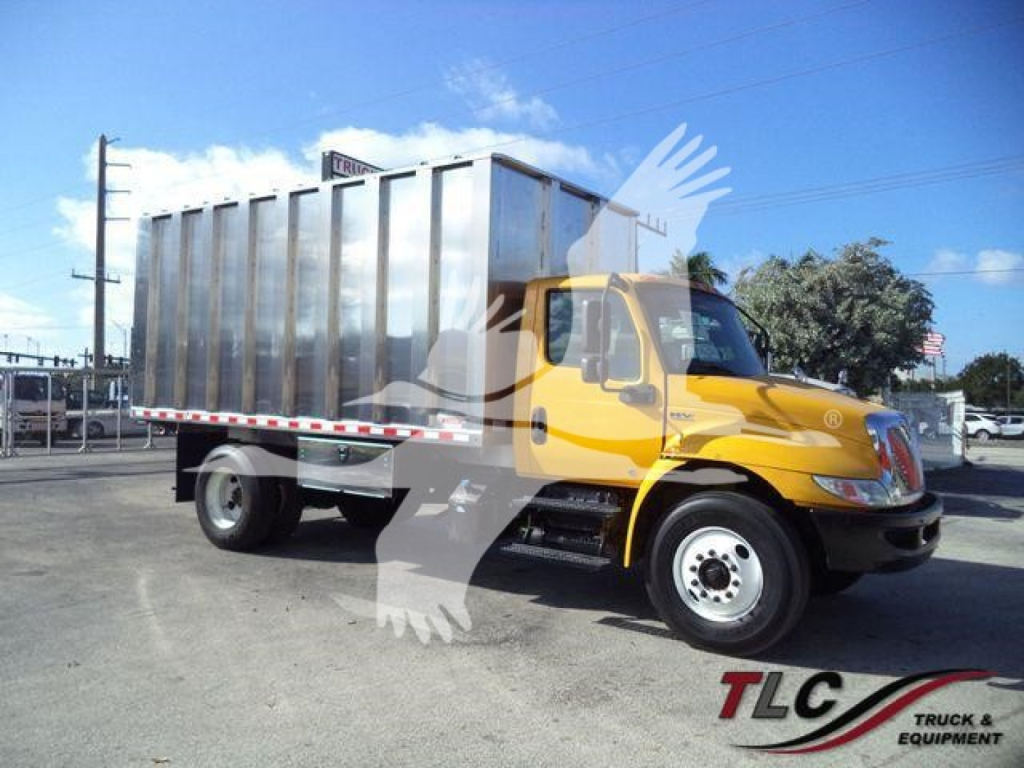
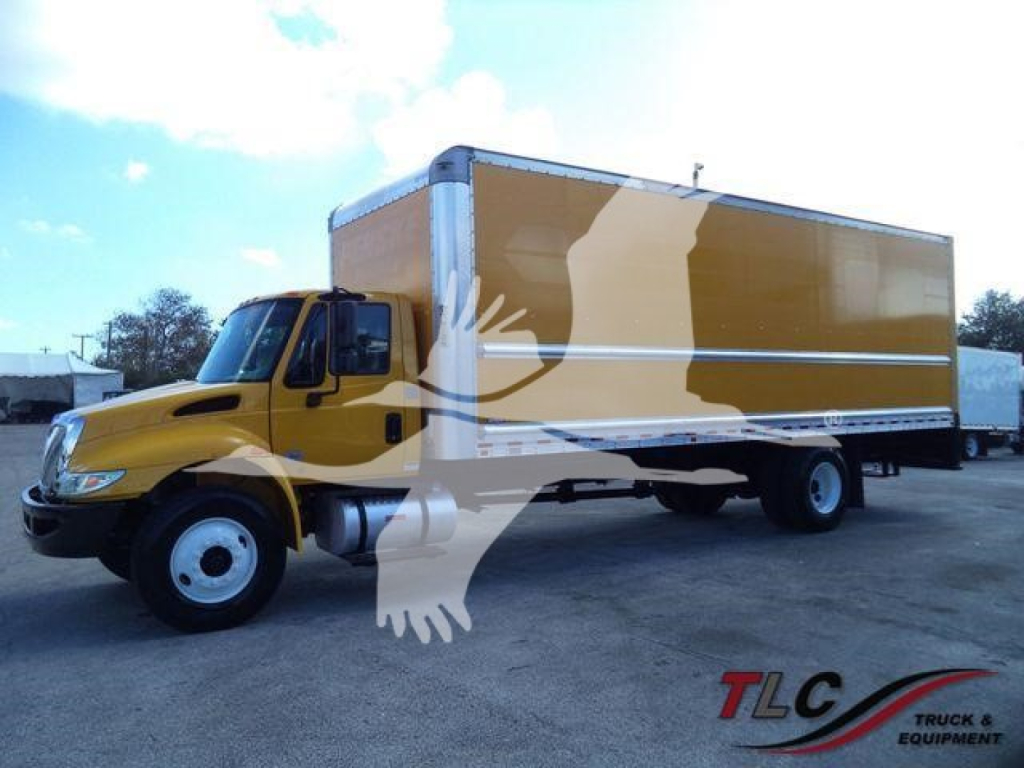
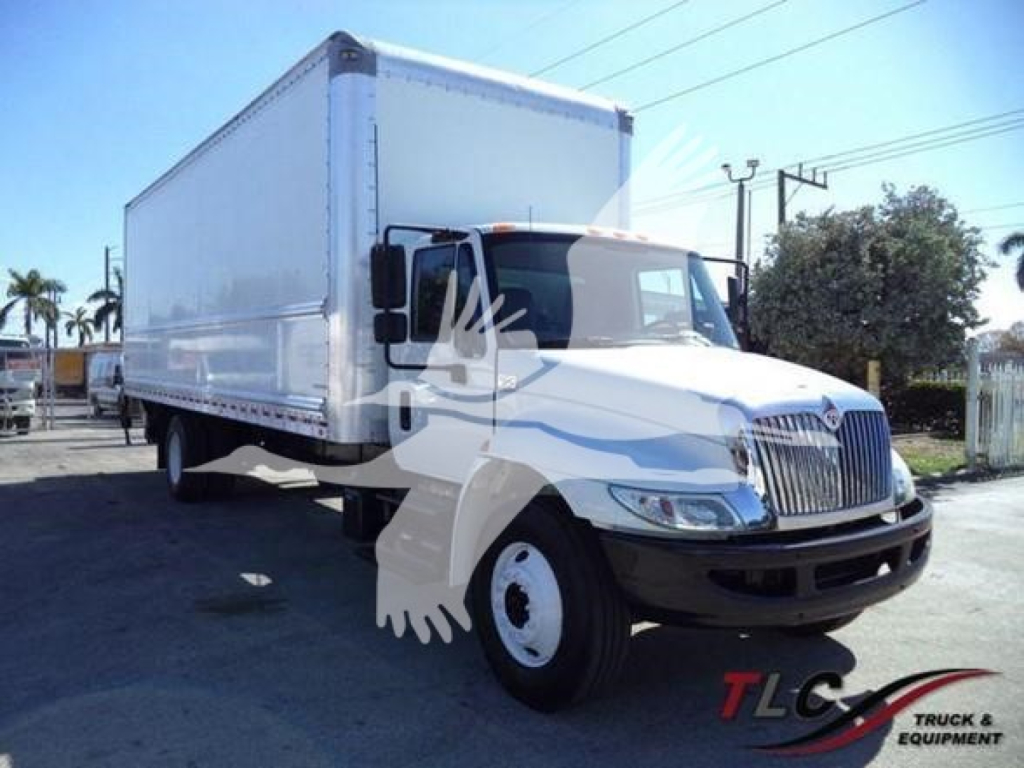

Showing 57 to 70 of 70 results
Have 2019 international truck to sell? List it here to reach thousands of buyers.
2019 International Trucks
Model year 2019 delivered meaningful weight and efficiency gains. An LT spec with the A26, aluminum wheels, optimized fuel tank sizing, and lightweight components can trim hundreds of pounds, which increases payload or leaves room for vocational gear. Some tractors were specd 6x2 to reduce tare weight, traction and tire wear become tradeoffs, so verify auto traction control, a liftable pusher, or driver controlled diff locks. Aerodynamic bumpers, chassis fairings, and roof extenders reduce drag at highway speed, inspect for cracks, missing panels, or loose mounts that negate fuel savings. Air disc brakes improve stopping power and thermal capacity, weight impact varies by axle and supplier.
Chassis durability ties to frame rail section, RBM, crossmember design, and corrosion countermeasures. International applies e-coat and galvanized components and uses sealed electrical connectors, which helps resist salt exposure, still inspect steps, battery boxes, frame flanges, hood hardware, aftertreatment mounting, aluminum fuel tank straps, and crossmembers for pitting or rust creep. Suspension choices range from taperleaf steel to Hendrickson or International air ride, ride quality, roll control, and tare weight differ by design. For straight trucks, evaluate body floor strength closely, look for laminated hardwood or aluminum plank floors with published forklift axle ratings, reinforced rear sills with steel or aluminum threshold plates, 12 to 24 inch scuff liners, and logistic posts or A track for securement. Refrigerated bodies should show foam in place insulation, thermal breaks at door frames, tight rear door seals, and a maintained Carrier or Thermo King unit, thermal integrity directly protects cargo and reduces fuel burn.
Cab and sleeper thermal performance affects driver comfort and idle time. 2019 sleepers use improved insulation, tight door and window seals, and efficient HVAC, many units add bunk heaters, battery powered HVAC, or diesel APUs to limit idling and manage DPF loading. Review DEF, DPF, and SCR service records, verify successful regens and software updates, and check for exhaust leaks or cracked mounts. Confirm brake life, air system integrity, tire wear, and alignment, and request oil and coolant analysis when possible. A thorough road test, verifying gear ratios versus cruise speed, AMT shift logic and clutch engagement, charge air and coolant temperatures under load, and any cab rattles or wind leaks, will confirm the truck is aligned with your duty cycle and cost targets.
Frequently Asked Questions about 2019 International Trucks
Which engines and transmissions are common in 2019 International trucks?
In Class 8, the International A26 12.4L and Cummins X15 are the most common, while medium duty MV models typically run the Cummins L9 or B6.7. Transmissions include Eaton UltraShift and Endurant automated manuals, Fuller 10 to 18 speed manuals, and Allison 2000 to 4500 series automatics. Match engine torque to rear axle ratios and tire size so cruise rpm sits in the engine’s most efficient band at your typical highway speed.
How do I evaluate tare weight and payload potential on a 2019 International tractor?
Start with a recent scale ticket, then review weight drivers like axle configuration, wheelbase, steel versus aluminum wheels, fuel tank capacity, double frame or liner, fifth wheel type, and auxiliary equipment such as APUs or headache racks. Aerodynamic packages reduce fuel use, not tare weight, while a 6x2 can save weight but affects traction and tire wear. Air disc brakes, wide base singles, and lightweight battery and aftertreatment brackets can also influence curb weight. Choose the lightest configuration that still meets durability and traction needs.
What should I inspect for corrosion on a 2019 International?
Even with e-coat and galvanized components, salt exposure can attack edges and hardware. Check frame flanges and crossmember junctions, spring hangers, suspension torque rod brackets, battery boxes, steps, cab mounts, aftertreatment and exhaust shields, aluminum fuel tanks and straps, and wheel hubs. Look for bubbling paint, white aluminum oxidation, and scaling on fasteners. Verify ground paths are clean and harness seals intact to prevent electrical issues that mimic component failures.
How can I assess floor strength and thermal integrity on a 2019 International straight truck or reefer?
For floor strength, confirm the body manufacturer’s forklift axle rating, floor material and thickness, rear sill reinforcement, and condition of threshold plates and crossmembers. Inspect for crushed boards, popped fasteners, and spread or cracked rails at the rear. For thermal integrity, measure box temperature pull down, inspect door gaskets and hinges, verify drain paths, and check wall and roof insulation for moisture or delamination. A well sealing box with intact scuff liners and tight logistics posts protects product and reduces reefer fuel use.
What emissions and aftertreatment considerations apply to 2019 International trucks?
These trucks use SCR with DEF, a DPF, and EGR. Review maintenance records for DPF cleanings, NOx sensor and dosing module replacements, and software updates. Confirm there are no exhaust leaks upstream of the aftertreatment, that the DEF system primes and doses correctly, and that regen frequency is normal for the duty cycle. Avoid excessive idling, consider bunk heaters or APUs, and ensure coolant and charge air systems maintain proper temperatures to keep aftertreatment healthy.