
2019 International Trucks For Sale in New York
Browse 2019 International trucks in New York. Compare LT, HV, MV and work-ready specs for regional haul, vocational jobs and fleet use.

Have 2019 international truck to sell? List it here to reach thousands of buyers.
2019 International Trucks in New York
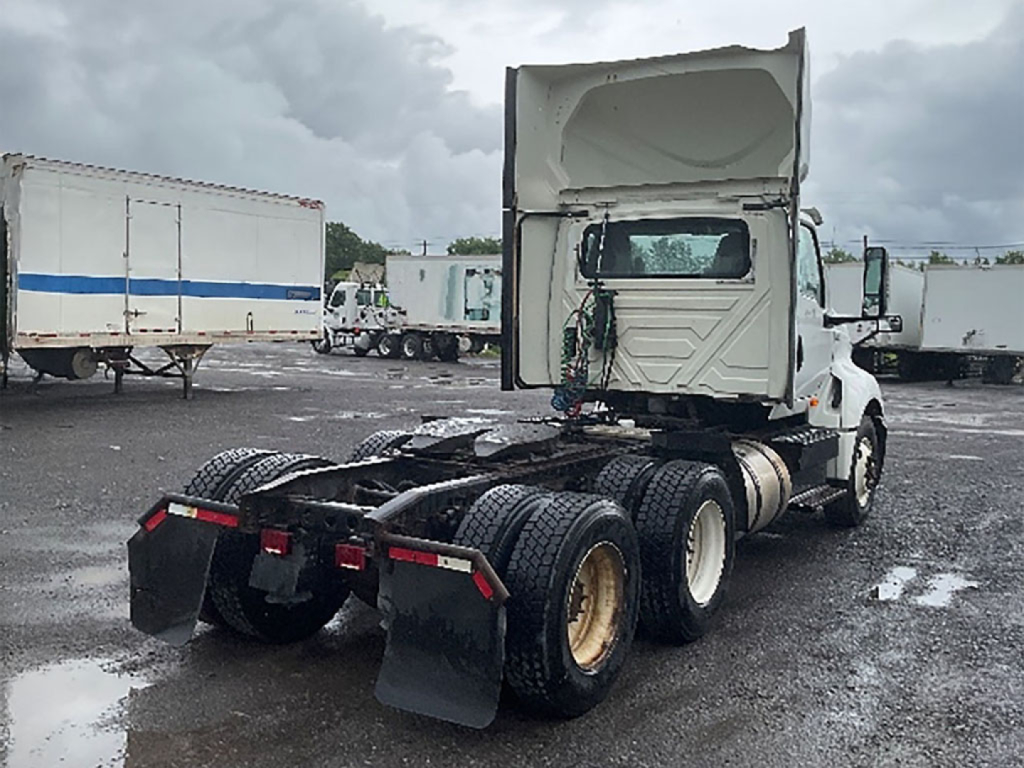
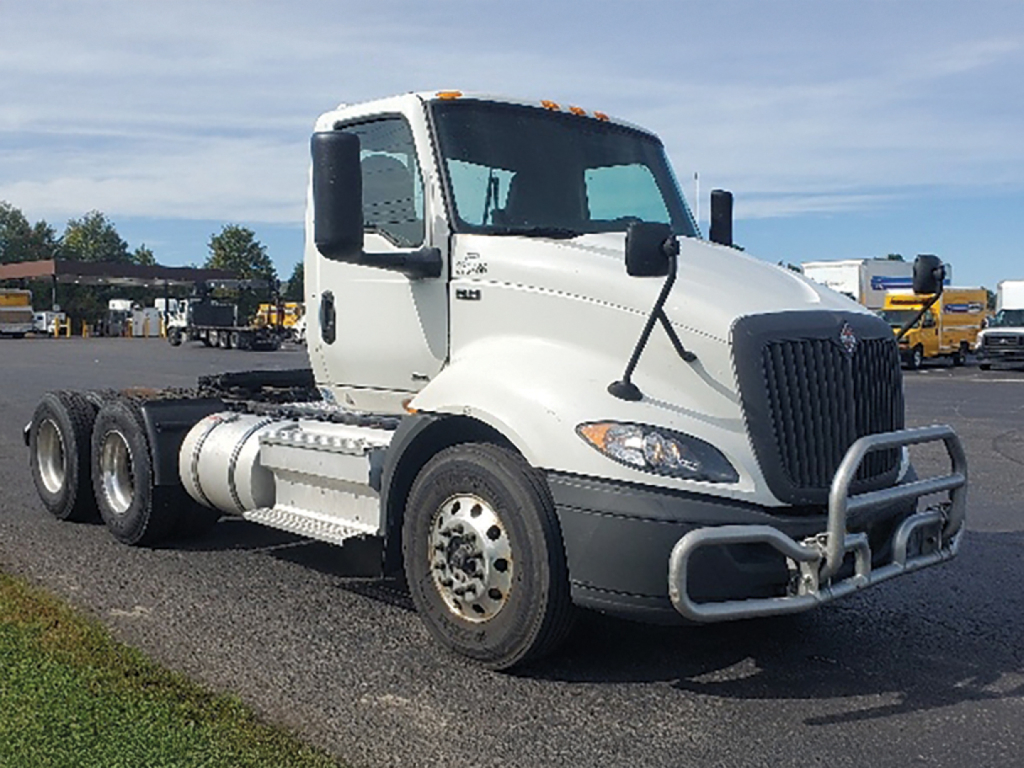
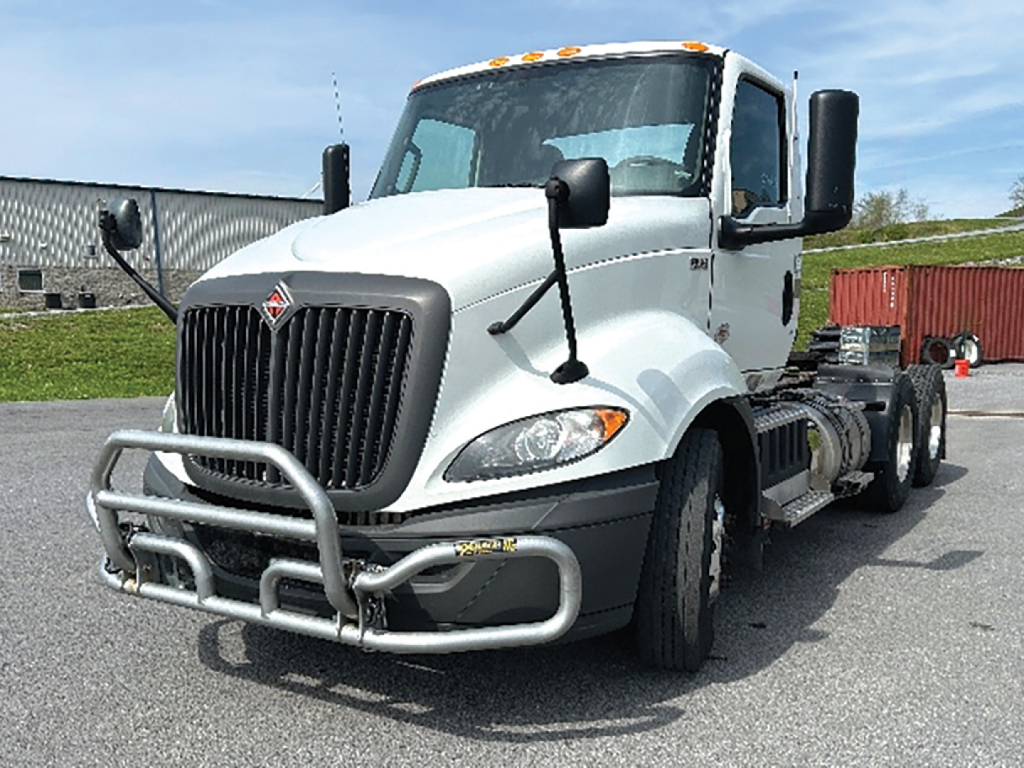
For highway use, 2019 International LT and related conventional tractor configurations are common choices for regional and linehaul service. Key items to compare include sleeper versus day cab, tandem versus single axle, wheelbase, fifth-wheel position, fuel capacity, and rear axle ratio. Many 2019 units are equipped with automated manual or full automatic transmissions paired with downsped drivetrains for fuel economy. Engine choices in this era often include the Cummins X15 for heavier duty tractor applications, while some fleet specs prioritize engine brake performance, cruise integration, and aerodynamic packages. A buyer should also look closely at emissions service history, idle hours, and any telematics or fleet maintenance documentation, since those factors can tell you more than mileage alone.
In medium-duty and vocational use, 2019 International trucks are often selected for body-builder flexibility. The MV series is commonly used for box trucks, stake bodies, flatbeds, reefers, utility bodies, and municipal service, while the HV platform is more at home with dump bodies, snow and ice equipment, plows, hooklifts, and heavier chassis applications. Critical measurements include cab-to-axle, cab-to-end-of-frame, frame reinforcement, PTO provisions, front axle capacity, and suspension type. Buyers in New York should also pay attention to corrosion exposure from winter road treatment, especially on crossmembers, wiring, hydraulic lines, brake components, and body mounts. On trucks intended for municipal or contractor work, hydraulic setup, plow harnesses, central hydraulics, and evidence of front frame stress are worth a close inspection.
The advantage of a 2019 International truck is that it sits in a modern enough range to offer current fleet features without moving into late-model pricing. Depending on the spec, you may find collision mitigation systems, air ride cabs, driver-assist technology, multiplex electrical architecture, and improved service access compared with older platforms. The right truck comes down to matching the chassis to the job, not just choosing by make and year. A regional tractor buyer will care about drivetrain efficiency and sleeper layout, while a vocational buyer will care more about axle spread, frame integrity, PTO capability, and how cleanly the truck was upfitted for its body or equipment.
Frequently Asked Questions about 2019 International Trucks in New York
What are the most common 2019 International truck models buyers look for?
The most common 2019 International truck models depend on the job class. The LT is a popular on-highway conventional tractor for regional and long-haul freight. The MV is a medium-duty platform frequently used for box trucks, flatbeds, reefer bodies, and service bodies. The HV is the vocational chassis most often associated with dump, plow, municipal, and severe-service applications. Buyers should identify the model first because it usually tells you the truck’s intended duty cycle, frame design, axle capacity range, and body compatibility.
What should I check on a used 2019 International truck before buying?
Start with the truck’s original application and current configuration. Confirm VIN-based spec information, engine model, transmission, axle ratings, wheelbase, and any body-builder modifications. Review maintenance records for emissions components, cooling system work, transmission service, and suspension or brake repairs. On New York trucks, inspect closely for rust and corrosion on the frame, cab mounts, wiring, air tanks, brake hardware, and underbody components. If it is a vocational unit, inspect PTO operation, hydraulic plumbing, front frame rails, and any signs of overload or plow-related stress.
Are 2019 International trucks good for fleet and regional use?
Yes, many 2019 International trucks were spec’d specifically for fleet and regional operations. Highway tractors from this year often include aerodynamic packages, automated transmissions, and driver comfort features that support fuel efficiency and uptime. Medium-duty variants also fit pickup and delivery, utility, and municipal routes well because they are available in a wide range of wheelbases and GVWR classes. The truck is only as strong as its spec, so buyers should match axle ratio, suspension, and engine rating to their actual route profile and payload.
Which matters more on a 2019 International truck: mileage or hours?
Both matter, but they tell different stories. Mileage reflects road use, while engine hours help reveal idle time and PTO or vocational usage. A tractor with moderate miles and reasonable hours may be a better candidate than a low-mile unit with excessive idle time. On vocational trucks, hours can be especially important because hydraulic or jobsite use can add wear that does not show up on the odometer. The best approach is to compare mileage, hours, maintenance records, and the truck’s physical condition together.
Why is cab-to-axle measurement important on a 2019 International straight truck?
Cab-to-axle measurement is one of the main dimensions that determines what body can be installed and how the completed truck will balance its load. A box truck, flatbed, dump body, utility body, and hooklift all require different frame space and axle placement. If the cab-to-axle is wrong, the truck may not accept the body size you need or may create weight distribution problems once upfitted. Buyers shopping 2019 International straight trucks should always verify cab-to-axle and cab-to-end dimensions before assuming body compatibility.