
New Garbage Trucks For Sale in Texas
Shop new garbage trucks for sale in Texas. Compare refuse truck specs, body types, axle setups, automation options, and route-ready features.

Selling a new garbage truck? List your new garbage truck for sale and reach thousands of commercial buyers.
New Garbage Trucks in Texas
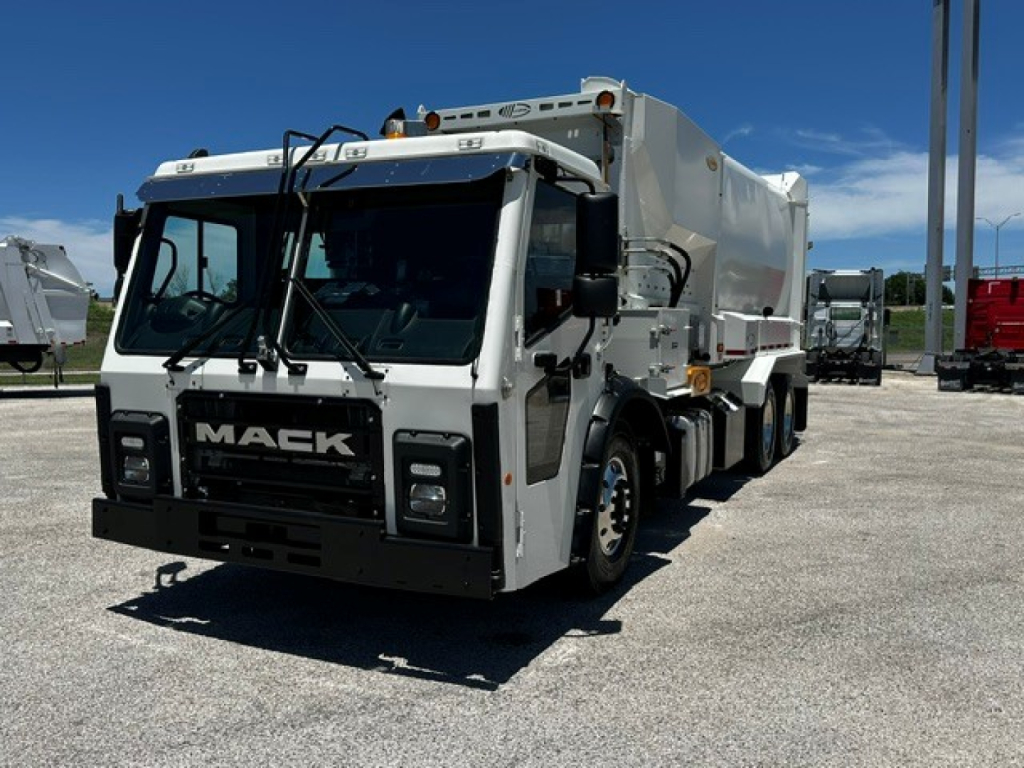
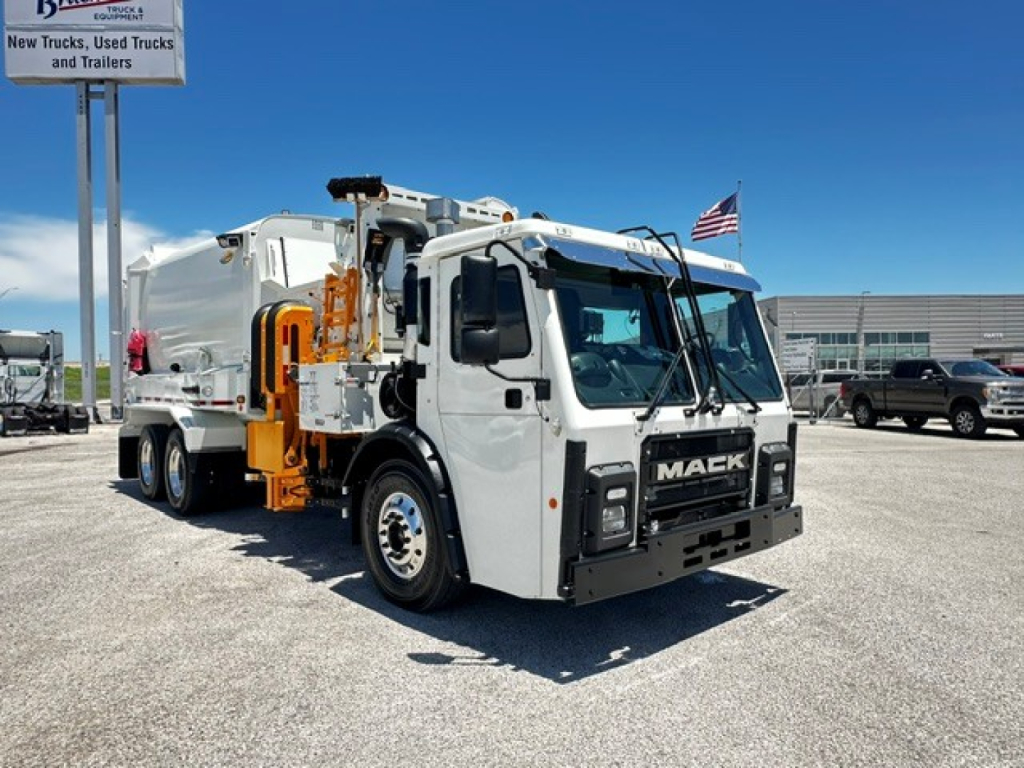
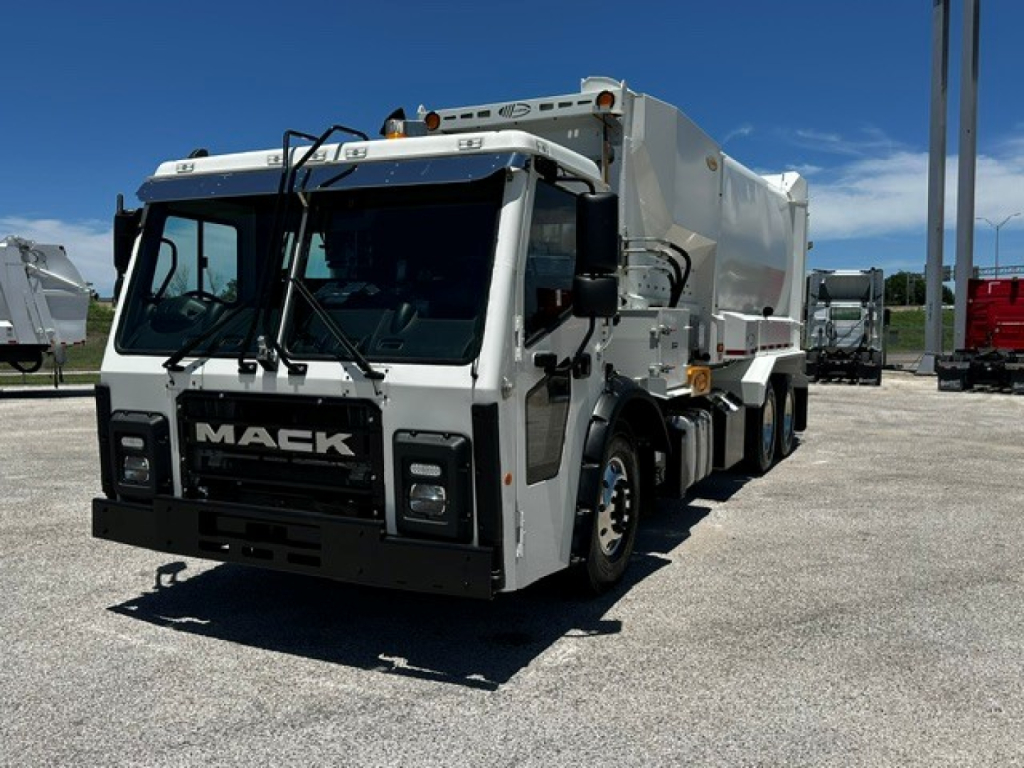
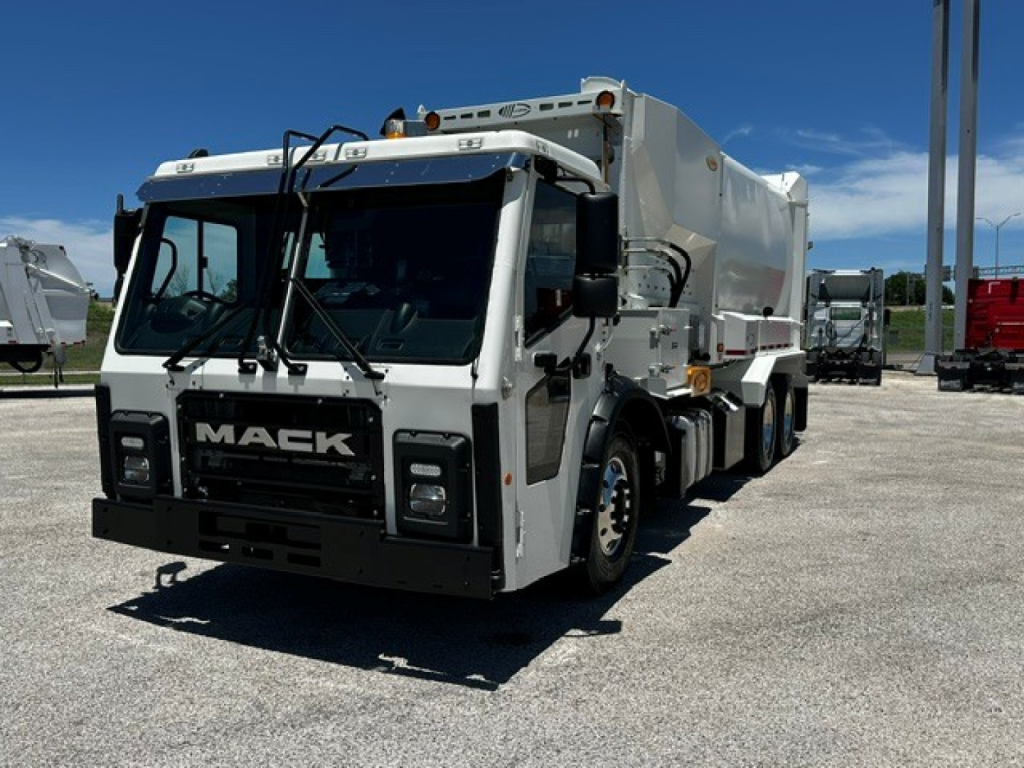
Body selection drives most of the truck's productivity. Residential fleets often prioritize automated side loader bodies with cart tippers, high cycle hydraulic systems, and camera packages that support one-person operation. Commercial collection may lean toward front loaders or rear loaders depending on container type, alley access, and dump frequency. Key specs to compare include body capacity in cubic yards, hopper size, packing force, payload target, and arm reach on automated units. Buyers should also look closely at axle ratings, bridge law considerations, wheelbase, and suspension setup, since refuse bodies place a lot of weight high and rearward during collection.
For Texas operations, heat, dust, and long service routes make cooling capacity, hydraulic reliability, and cab comfort more important than they look on paper. A new refuse truck should be evaluated for radiator protection, transmission cooling, PTO integration, and easy access to daily service points. Inside the cab, air ride seating, durable interior materials, backup and side-view camera systems, and intuitive body control placement all matter because drivers may make hundreds of stops per shift. Safety systems such as electronic stability control, collision mitigation, work lights, and audible warnings are increasingly common on new garbage trucks and can help reduce route incidents and damage claims.
The advantage of buying a new garbage truck is not just warranty coverage. It is the ability to match the truck to the route from day one, including body manufacturer, lift or arm configuration, container compatibility, fuel type, and expected tons per day. Refuse trucks are also known as trash trucks or refuse collection trucks, but the right spec depends on whether the work is municipal residential pickup, commercial dumpster service, industrial waste, or transfer station support. A well-matched new unit can improve route efficiency, reduce overtime, and hold up better under the constant start-stop stress that defines refuse work.
Frequently Asked Questions about New Garbage Trucks in Texas
What types of garbage trucks are most common for new refuse truck buyers in Texas?
The most common types are automated side loaders for residential cart collection, front loaders for commercial dumpster service, rear loaders for mixed routes or manual pickup, and roll-off trucks for open-top containers. The right choice depends on the route structure, container type, labor model, and dump frequency. In many Texas municipal and private fleet applications, automated side loaders are favored for residential efficiency, while front loaders remain a strong fit for commercial and industrial accounts.
Why is right-hand steer important on a garbage truck?
Right-hand steer is valuable on residential refuse routes because it gives the driver a direct view of the curb, carts, and mailbox line. That improves alignment during automated pickup and can reduce strain from constantly judging distance from the passenger side. It also supports safer operation in neighborhoods with tight streets, parked vehicles, and frequent stop-and-go movement. On side loader applications, right-hand steer is often a practical productivity and safety feature rather than just a preference.
What specs matter most when comparing new garbage trucks?
The most important specs usually include body type, body capacity, hopper size, packing force, payload target, axle ratings, wheelbase, suspension, and hydraulic system performance. Buyers should also confirm PTO compatibility, turning radius, arm reach on automated side loaders, and container or cart compatibility. If the truck will run heavy commercial routes, front axle capacity and frame strength deserve close attention. If it will run neighborhood routes, maneuverability, visibility, and cab ergonomics are often just as important as raw payload.
Are new garbage trucks usually diesel, CNG, or another fuel type?
Diesel remains common because it offers strong torque, broad service support, and proven severe-duty performance. CNG is also used in refuse fleets, especially where municipalities or large private operators want lower emissions and have fueling infrastructure in place. The best fuel choice depends on route length, idle time, fueling access, maintenance support, and total cost of ownership. For many buyers, infrastructure and technician familiarity are just as important as the fuel itself.
How do I choose the right garbage truck body for my operation?
Start with the waste stream and pickup method. Residential cart routes usually call for an automated side loader with the right arm geometry and cycle time. Commercial dumpster service is typically better served by a front loader, while rear loaders fit routes that require hand loading, rear tipping, or mixed account types. Then compare cubic yard capacity, legal payload, loading height, compaction performance, and how well the body integrates with your preferred chassis and maintenance practices.