
2013 Freightliner Trucks For Sale
Shop 2013 Freightliner trucks for sale, including Cascadia, M2 and vocational models with diesel power, day cab, sleeper and specialty setups.
Learn more
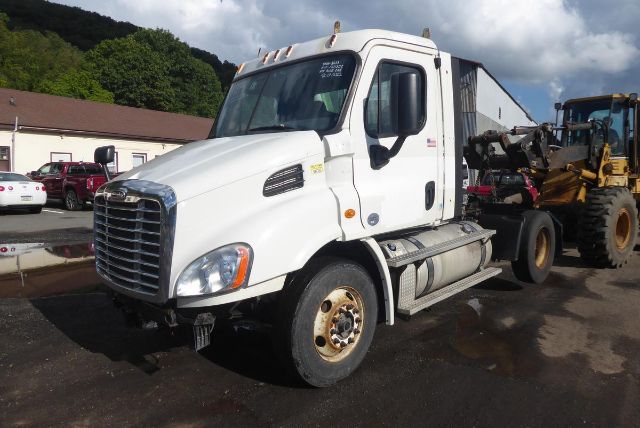
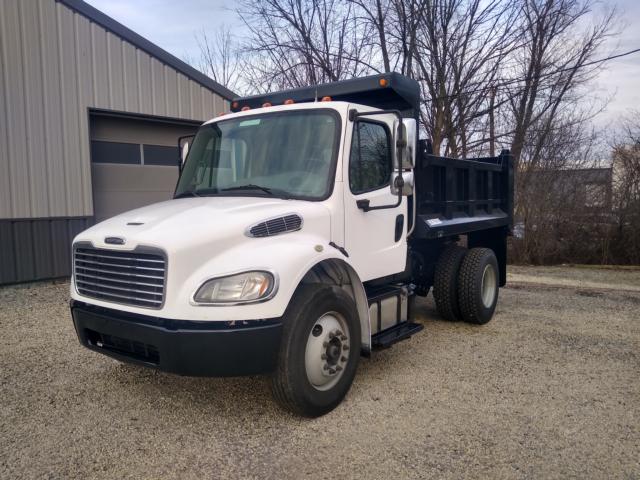
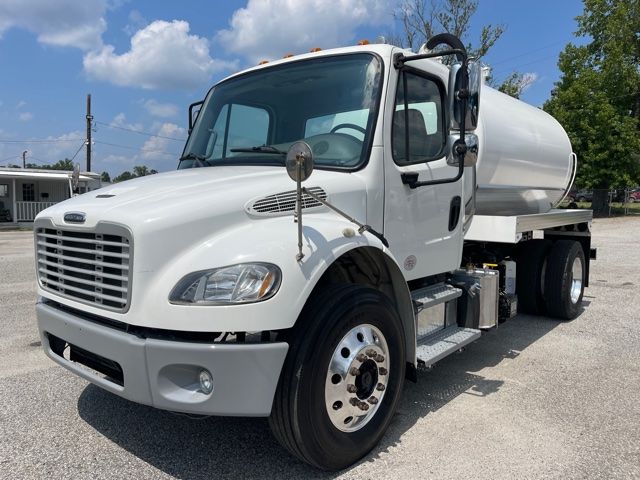
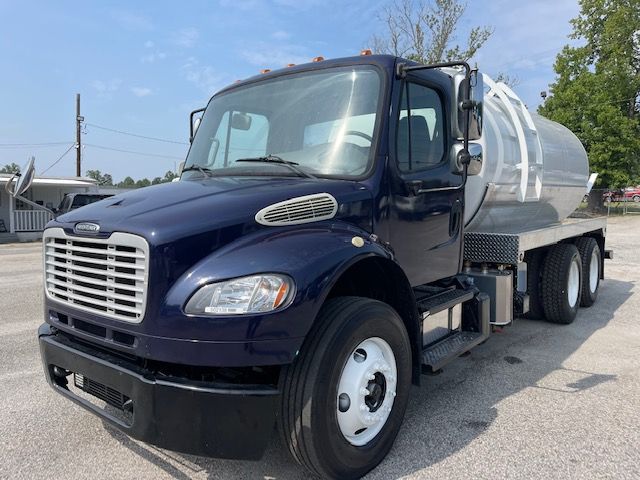
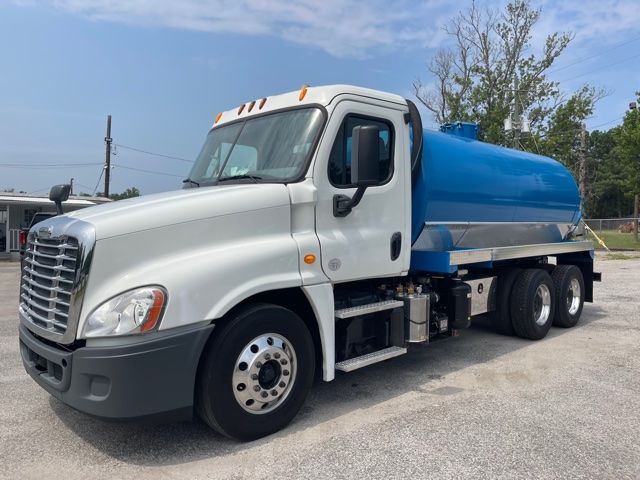
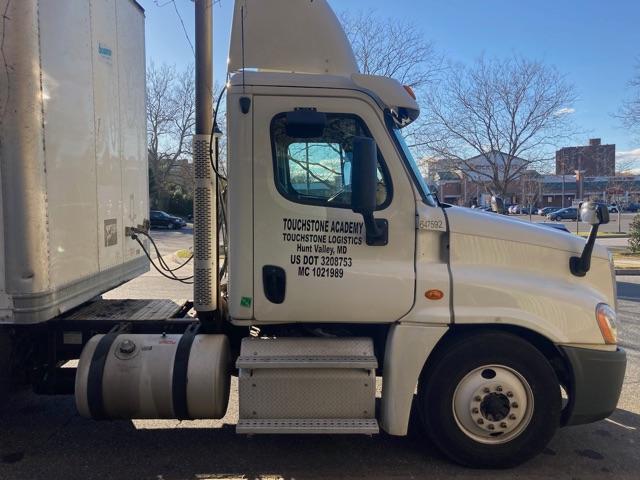
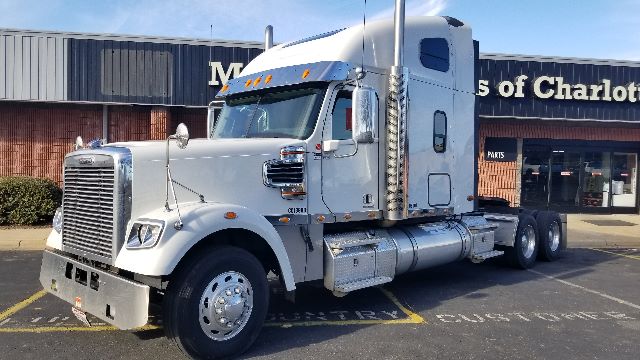
Showing 13 to 23 of 23 results
Have 2013 freightliner truck to sell? List it here to reach thousands of buyers.
About 2013 Freightliner Trucks
The first decision is usually chassis type and operating weight. A 2013 Freightliner Cascadia day cab or sleeper is typically spec'd with Detroit DD13 or DD15 engines, and in some cases Cummins power, paired with manual, automated manual, or automatic transmissions depending on the application. Highway tractors from this period are often found in 6x4 tandem axle configurations with air ride suspension, aerodynamic fairings, sliding fifth wheels, and wheelbases suited for van, reefer, or flatbed work. Medium-duty M2 trucks are more likely to appear as 4x2 or 6x4 units with Allison automatics, hydraulic or air brake systems, and PTO capability for body equipment. Buyers comparing listings should pay close attention to horsepower, rear axle ratio, suspension type, front and rear axle ratings, and whether the truck was built for regional stop-and-go service or sustained highway miles.
Condition matters more than badge alone on a 2013 truck. Service history, engine hours, aftertreatment maintenance, clutch or AMT calibration records, and evidence of suspension or steering work can tell more than odometer mileage by itself. On Cascadia tractors, inspect emissions components, dash fault history, fifth wheel wear, and cab condition, especially on former fleet units. On M2 and vocational Freightliner trucks, the truck chassis and the body equipment both need inspection, including hoists, winches, hydraulics, PTO operation, frame condition, and any corrosion around crossmembers or mounting points. A clean 2013 Freightliner with documented maintenance can still be a productive truck, but deferred repair items can quickly change the total cost of ownership.
Buyers also tend to compare 2013 Freightliner trucks by parts availability and ease of service. Freightliner has broad dealer coverage, and common drivetrain combinations from this era remain familiar to most independent shops. That matters if the truck will work daily and downtime has to stay predictable. A well-matched spec is the key: sleeper versus day cab, single axle versus tandem, diesel engine rating, transmission type, brake system, and wheelbase should all line up with the load, route, and body style the truck is expected to handle. When those fundamentals match the job, a 2013 Freightliner can still deliver solid value in regional hauling, vocational service, and general commercial truck operations.
Frequently Asked Questions
What are the most common 2013 Freightliner truck models buyers look for?
The most common 2013 Freightliner trucks on the used market are the Cascadia for Class 8 highway service and the M2 series for medium-duty and vocational work. A 2013 Cascadia is usually found as a conventional day cab or sleeper tractor for regional or long-haul use. A 2013 M2 is more commonly configured for box truck, rollback, dump, utility, tow, or municipal applications. The right choice depends on GVWR, axle setup, body style, and how the truck will be used day to day.
Is a 2013 Freightliner still a good truck to buy for commercial use?
A 2013 Freightliner can still be a good commercial truck if the specifications fit the work and the maintenance history is solid. At this age, documented service records, engine and aftertreatment condition, transmission performance, suspension wear, and frame integrity are more important than the model year alone. Many buyers target 2013 units because they are typically more affordable than late-model trucks while still offering strong parts support and familiar service procedures.
What should I inspect first on a used 2013 Freightliner Cascadia or M2?
Start with the engine, transmission, emissions system, and frame. On a Cascadia, check for active fault codes, blow-by, coolant or oil leaks, aftertreatment repairs, fifth wheel wear, and signs of heavy fleet use inside the cab. On an M2 or vocational Freightliner, inspect PTO operation, hydraulic components, body mounts, hoists or winches, brake type, and any corrosion around the chassis. Tire wear patterns, suspension bushings, kingpins, and driveline vibration should also be evaluated before purchase.
Which specs matter most when comparing 2013 Freightliner trucks for sale?
The most important specs are engine make and horsepower, transmission type, axle configuration, wheelbase, suspension, brake system, and axle ratings. For highway tractors, rear axle ratio, sleeper size, fuel capacity, and fifth wheel setup can affect productivity and operating cost. For medium-duty or vocational trucks, buyers should focus on GVWR, PTO compatibility, body capacity, cab-to-axle length, and whether the truck uses hydraulic or air brakes. Matching these specs to the intended load and route matters more than comparing price alone.
Are parts and service still easy to find for a 2013 Freightliner truck?
Yes, parts and service are generally still easy to find for a 2013 Freightliner because these trucks were built in large numbers and use drivetrain components that remain common across the commercial truck market. Freightliner dealer support is broad, and many independent repair shops are familiar with Cascadia and M2 platforms from this era. That said, buyers should still confirm support for any specialized body equipment, emissions components, and transmission calibration needs before putting a truck into service.