
Used Flatbed Trucks For Sale
Shop used flatbed trucks for sale. Compare deck materials, floor strength, GVWR, tare weight, and corrosion protection to match your payload.
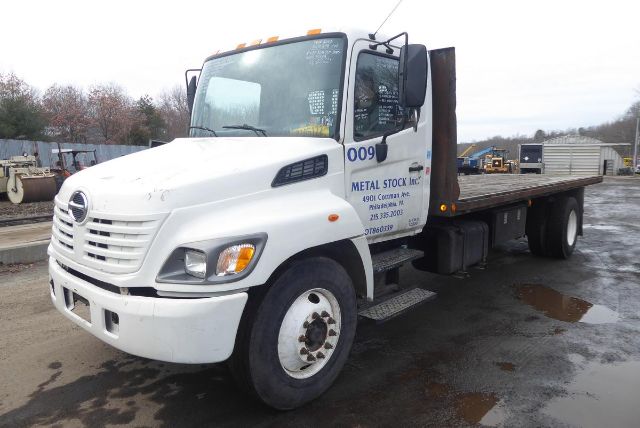
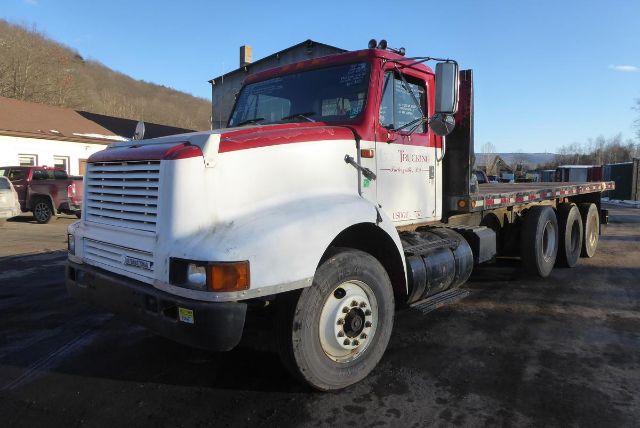
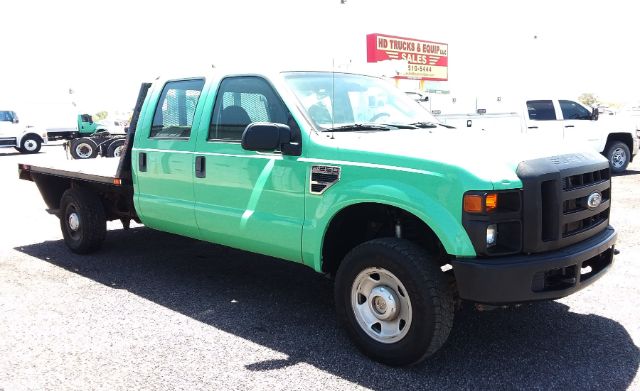
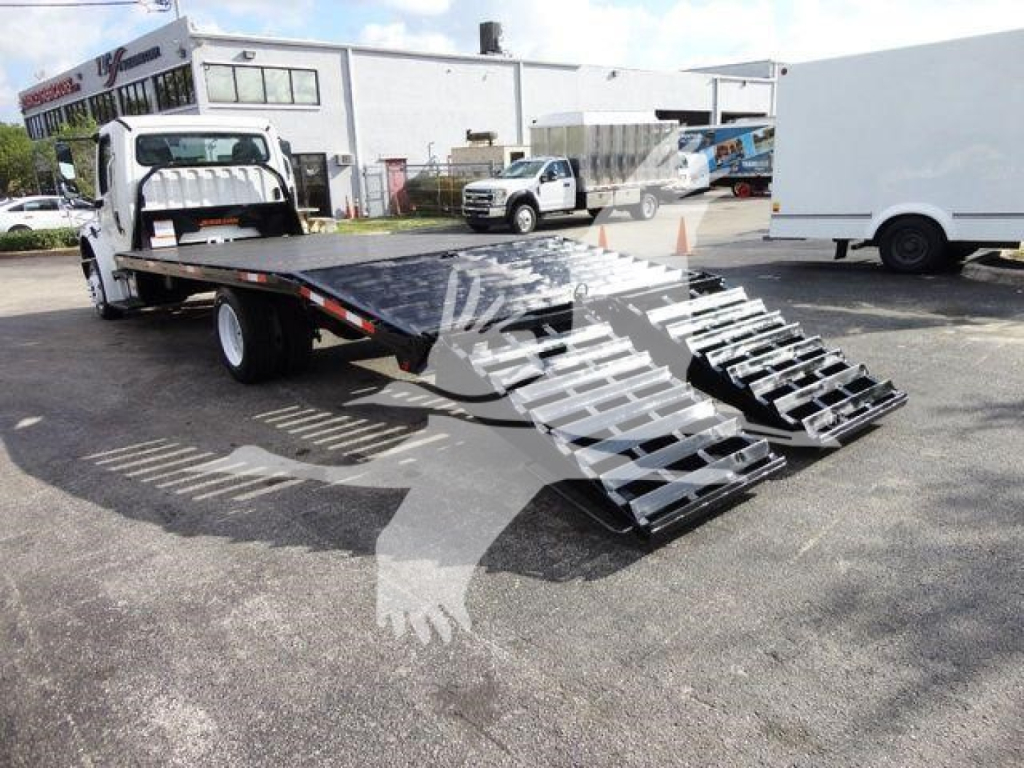
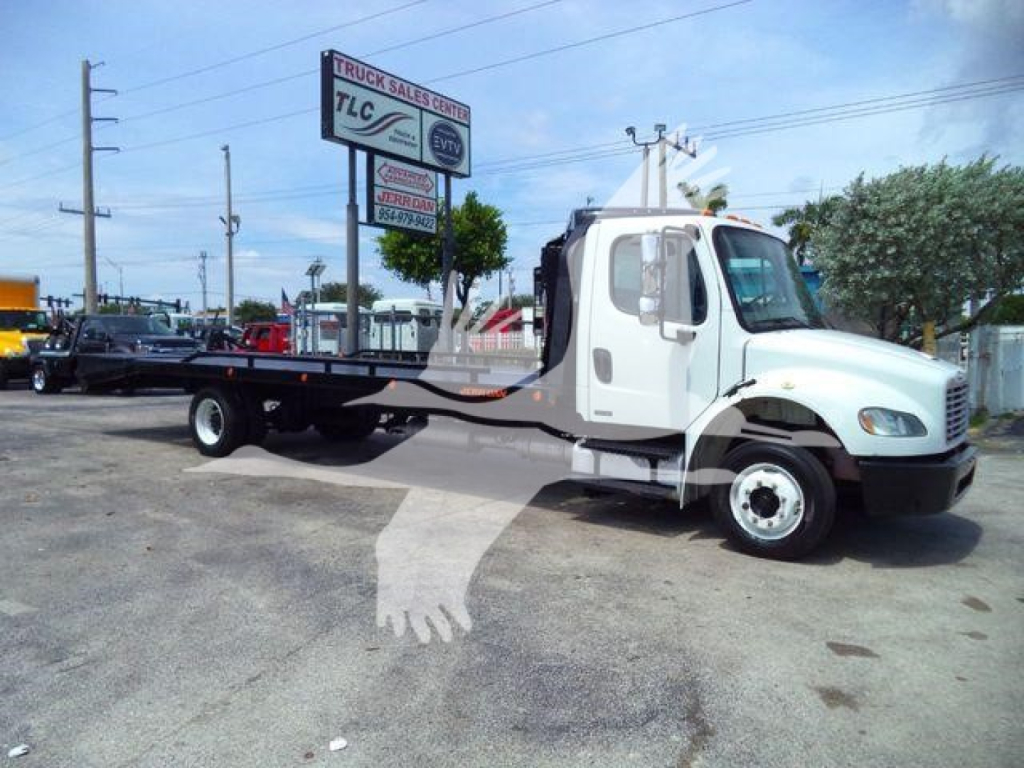
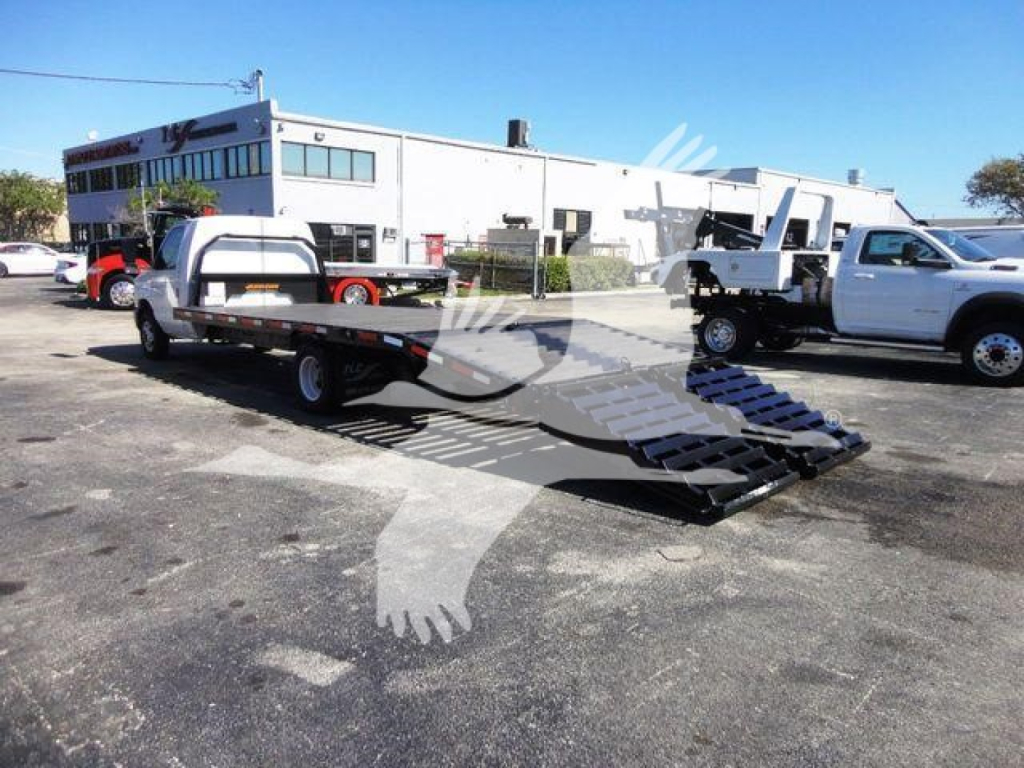
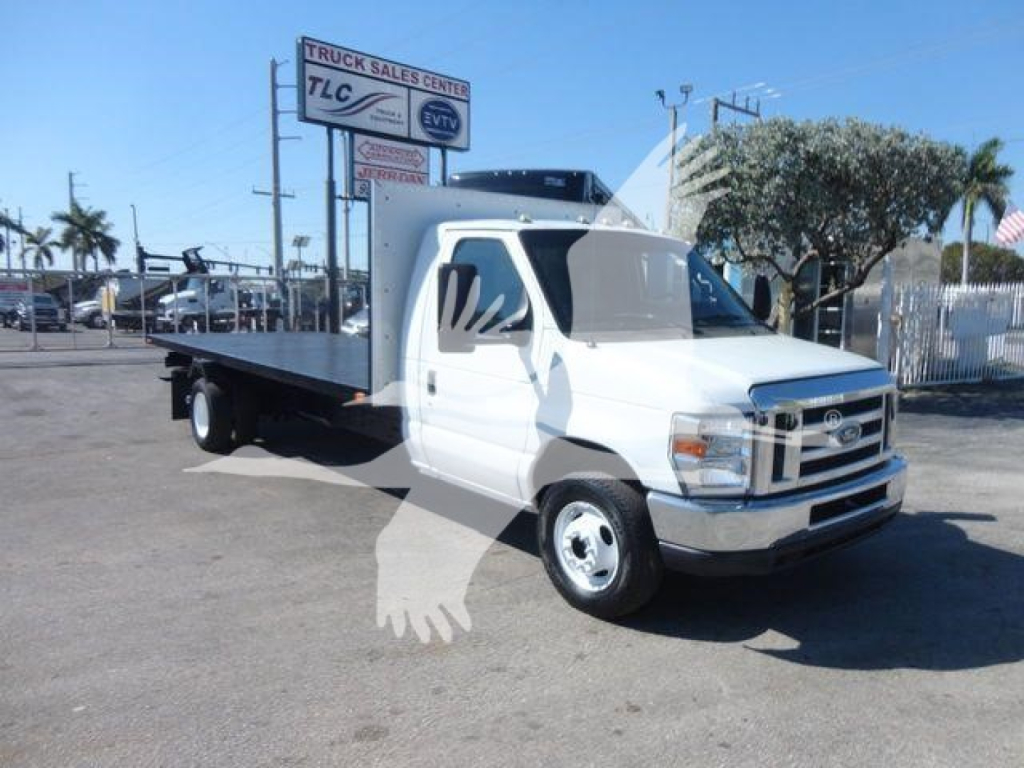
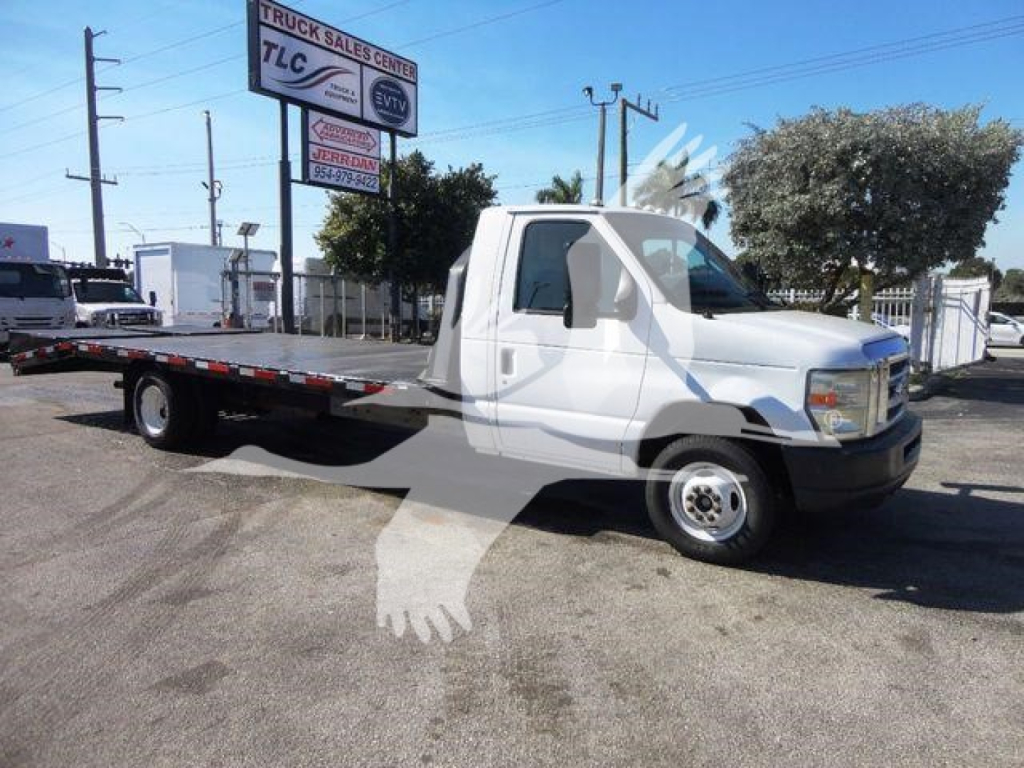
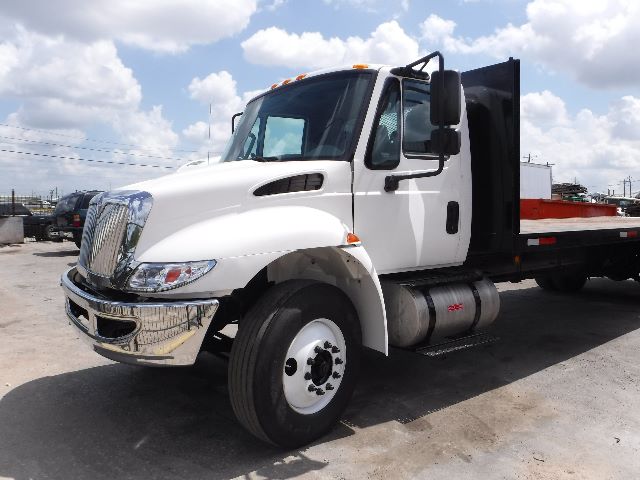
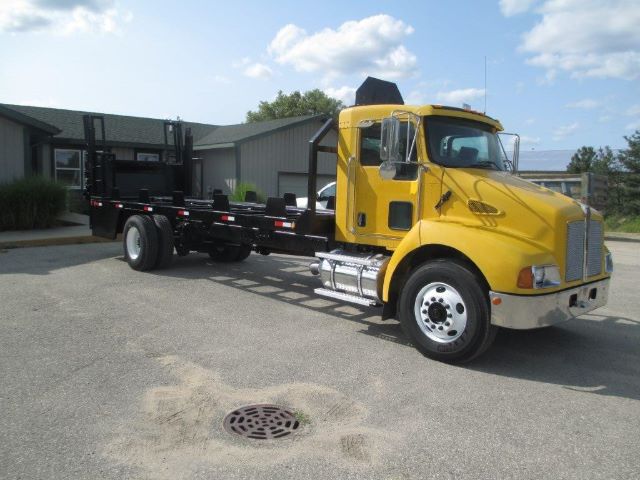
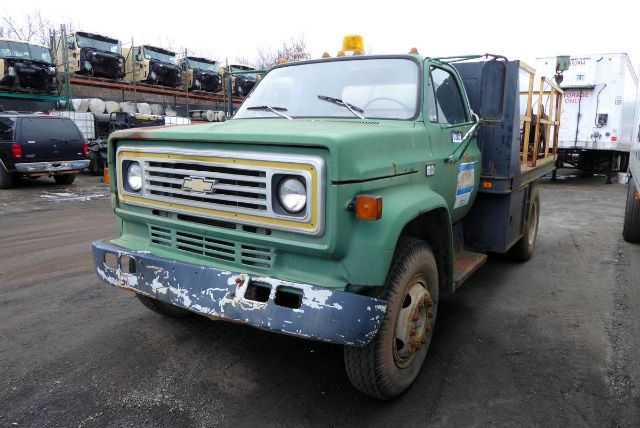

Showing 25 to 38 of 38 results
Have used flatbed truck to sell? List it here to reach thousands of buyers.
Used Flatbed Trucks
Floor strength is the critical spec on a flatbed body. Look at crossmember spacing, 12 inch centers handle heavier point loads than 16 inch, and at crossmember section height and material. Deck options include apitong hardwood planks around 1.25 inches thick, laminated hardwood, 3/16 inch steel tread plate, or extruded aluminum plank. Ask for a uniformly distributed load rating and a concentrated load or forklift point load rating, then inspect the bed for cracked welds at outriggers, crushed planks, or loose fasteners around stake pockets. A full length rub rail with DOT rated stake pockets and a winch track improves load securement flexibility without cutting into the deck.
Tare weight and corrosion resistance drive lifetime operating cost. An aluminum flatbed body can cut 800 to 1,200 pounds versus steel on a 24 foot deck, adding payload and easing axle splits, yet steel plate tolerates impact and is easier to repair in the field. Corrosion protection varies, hot dip galvanized subframes, e coated or powder coated surfaces, sealed wiring with heat shrink connectors, and stainless hardware all slow rust. Thermal integrity also matters, hardwood maintains grip when wet or cold, steel and aluminum can become slick in freezing conditions, and aluminum expands more with heat which can work fasteners if isolation pads are missing; anti skid coatings and deck mats help in extreme temperatures.
Match the chassis to the body and route profile. Spring suspensions are durable and light, air ride reduces shock to cargo and deck structure and can lower deck height for easier loading. Air brakes with 22.5 inch wheels suit heavier payloads and simplify parts sourcing; hydraulic brakes are common on lighter spec units. Consider a lift axle for dense freight or bridge sensitive routes, and confirm PTO provisions if you plan to run a crane, winch, or hydraulic dovetail. For used inspections, measure deck flatness, check bulkhead integrity, inspect frame rails and body sills for rust jacking, verify body mount U bolts are tight, look for bent rub rails or stretched chain pockets, and review aftertreatment history, DPF service, and any ABS or brake air system repairs.
Frequently Asked Questions about Used Flatbed Trucks
How do I size a used flatbed truck for my loads?
Start with payload, then select a GVWR and axle configuration that keeps axle group weights legal with your typical freight. Match deck length to your commodity footprint, and verify wheelbase and CA so the body sits correctly and the load center falls between the axles. Check local bridge and overhang limits, short wheelbases turn better in tight sites but shift more weight to the rear axle; long wheelbases ride smoother and spread weight but reduce maneuverability.
What indicates real floor strength on a flatbed body?
Crossmember spacing and section height, deck thickness and material, and the presence of a published uniformly distributed load and concentrated load rating are key. Twelve inch crossmember centers and taller sections resist forklift wheel loads better than wider, shorter members. Inspect for cracked welds near outriggers, loose or pulled fasteners at stake pockets and rub rails, crushed hardwood planks, and rippling or thinning on steel or aluminum plate. A straight, flat deck with tight fasteners and an undamaged bulkhead is a good sign.
Steel, aluminum, or hardwood deck, which is best?
Steel plate offers excellent impact resistance and is easy to weld in the field, but it adds weight and can corrode without strong coatings. Aluminum extrusions cut tare weight, resist rust, and help maximize payload, but they can be slick in freezing weather and require isolation to prevent galvanic corrosion at steel interfaces. Apitong or other dense hardwood provides good traction in wet or cold conditions and handles temperature swings well, but it needs periodic sealing and can crush under repeated point loads if crossmember spacing is wide.
How does tare weight affect my operation?
Lower tare weight increases legal payload, which improves revenue per trip and can reduce the need for a lift axle or higher GVWR. It also helps with axle splits and can improve fuel economy in stop and go work. Balance weight savings against durability and repairability; an ultra light body that dents or cracks easily may cost more in downtime than it saves. Verify actual curb weight on a scale, not just brochure numbers, especially when toolboxes, tarps, ramps, cranes, or headache racks are installed.
What should I check for corrosion on a used flatbed truck?
Look along frame flanges, body sills, crossmember ends, and under stake pockets for rust jacking or perforation. Inspect wiring harnesses for abrasion and unsealed splices, and check for galvanic corrosion where aluminum meets steel without isolation pads. Hot dip galvanized or e coated components age better in brine states. After purchase, wash the undercarriage regularly in winter, touch up chips promptly, apply dielectric grease to connectors, and consider fluid film or wax coatings in high salt environments.