
Used 2005 Flatbed Trucks For Sale
Browse used 2005 flatbed trucks with common specs, body sizes, GVWR ranges, drivetrain options, and hauling applications.
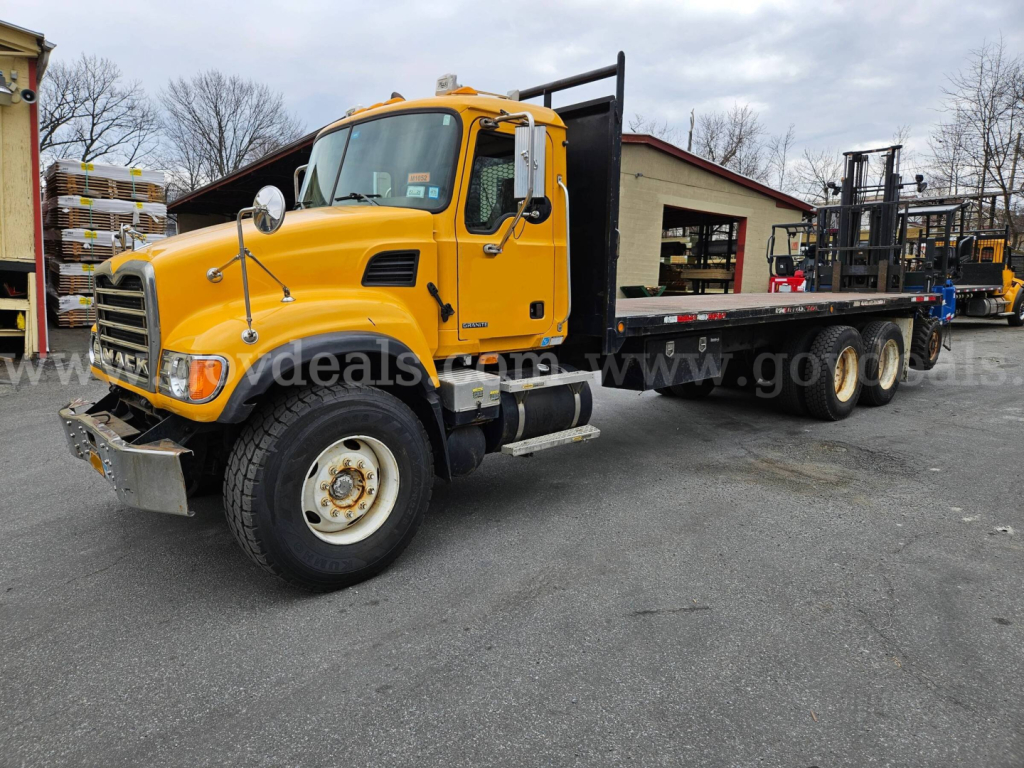
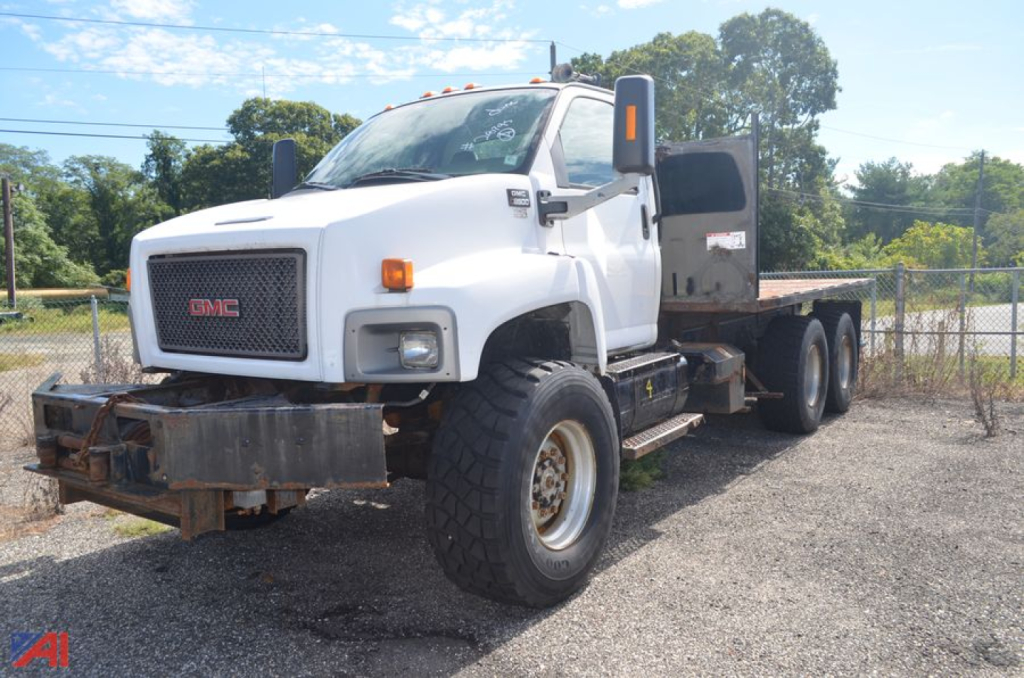
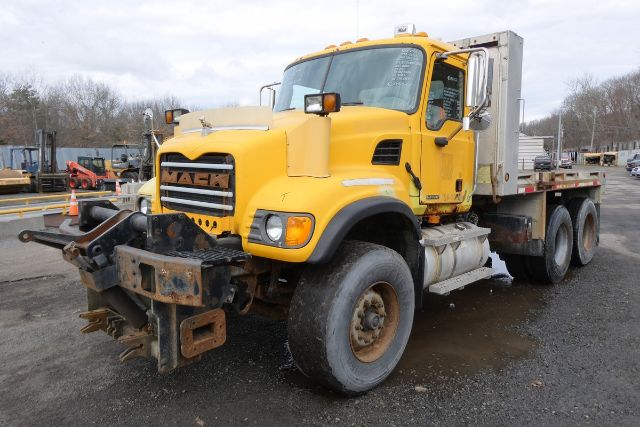
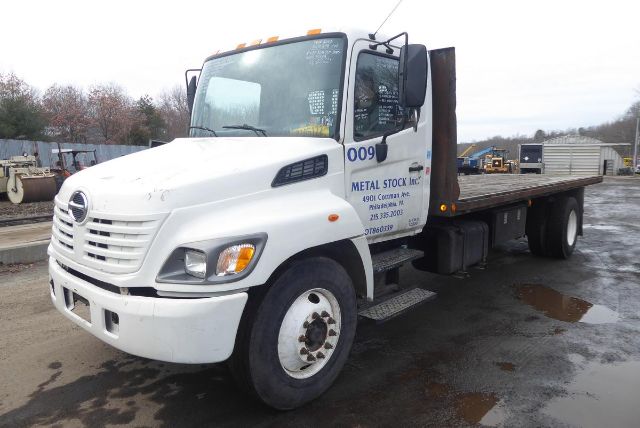
Looking for the easiest place to sell your used 2005 flatbed truck? List it here to reach thousands of buyers.
Used 2005 Flatbed Trucks
The first decision is usually chassis class and bed layout. Many 2005 flatbed trucks were spec'd as Class 6 or Class 7 straight trucks with diesel engines, spring or air suspension, air brakes on heavier models, and either manual or automatic transmissions. Bed construction matters as much as the cab and chassis. Buyers should look at deck length, deck height, floor material, rub rail condition, stake pockets, tie-down points, and the condition of the headache rack. A wood floor can be cost-effective and easy to repair, while steel and combo bodies may hold up better in harder service. Cab-to-axle measurement is especially important if body replacement or upfitting is part of the plan.
On a 2005 truck, condition and maintenance history usually matter more than brand preference alone. Pay close attention to frame corrosion, crossmember fatigue, deck damage from forklifts, and evidence of overloading around the suspension and rear axle area. Engine and transmission combinations from this era often appeal to buyers because they are familiar to independent shops and easier to service than later systems. Check for brake wear, driveline vibration, injector or turbo issues, steering play, and tire wear patterns that may point to alignment or suspension problems. If the truck will be used for machinery or dense building products, verify front axle capacity, rear axle rating, wheelbase, and overall GVWR so the truck matches the load instead of just fitting the deck size.
A 2005 flatbed truck can still be a strong fit for local delivery, construction supply runs, municipal work, farm support, and equipment transport when the spec matches the route and cargo. Shorter wheelbase units are easier to maneuver in city yards and jobsites, while longer bodies support mixed loads and forklift loading from multiple positions. Buyers comparing listings should focus on usable payload, body condition, tie-down setup, and service records before cosmetic details. On this type of truck, the value is in a straight frame, a solid deck, and a drivetrain that can still go to work without immediate reconditioning.
Frequently Asked Questions about Used 2005 Flatbed Trucks
What should I check first on a used 2005 flatbed truck?
Start with the frame, deck, and axle ratings. A 2005 flatbed truck may look serviceable from a distance, but rust, cracked crossmembers, damaged rub rails, worn suspension parts, and deck rot can quickly change the value. After that, review engine hours if available, odometer reading, brake condition, tire wear, steering components, and any maintenance records. On an older work truck, structural condition and service history usually matter more than paint or interior appearance.
What bed sizes are common on 2005 flatbed trucks?
Common bed lengths on 2005 flatbed trucks range from about 16 feet on smaller units to 24 feet or more on medium-duty straight trucks. Width is typically around 96 to 102 inches, depending on body style and application. The right size depends on the freight, how the truck is loaded, and local route access. Longer decks carry more versatile freight, but they also add turning radius and may reduce maneuverability on tighter jobsites.
Are 2005 flatbed trucks good for construction and material delivery?
Yes, many 2005 flatbed trucks are well suited for construction supply, lumber, palletized materials, pipe, steel, and equipment delivery. Their open deck allows side loading by forklift and overhead loading by crane, which is a major advantage over enclosed bodies. The key is matching the truck's GVWR, wheelbase, deck rating, and tie-down equipment to the cargo. A truck used for light pallet delivery may not be suitable for concentrated loads like masonry, steel bundles, or compact equipment.
Is a diesel engine the best choice in a used 2005 flatbed truck?
Diesel engines are common in 2005 flatbed trucks because they deliver strong low-end torque and are generally better suited for repeated hauling and stop-and-go commercial service. Many buyers also prefer this era because the emissions systems are typically less complex than on newer trucks. That said, the best choice depends on payload, route length, and service support in your area. A well-maintained diesel with documented repairs is usually a better buy than a neglected truck with a more desirable badge or engine model.
What body features add the most value on a used flatbed truck?
The most valuable body features are the ones that improve securement, loading efficiency, and structural life. Stake pockets, rub rails, winches or ratchets, multiple tie-down points, a solid headache rack, and a straight deck are all important. Buyers should also look for signs of clean body installation, intact lighting and wiring, and floor material that fits the intended use. A flatbed set up for real cargo control is usually more useful than one with a longer deck but limited securement options.