
Mack Conventional Sleeper Trucks For Sale
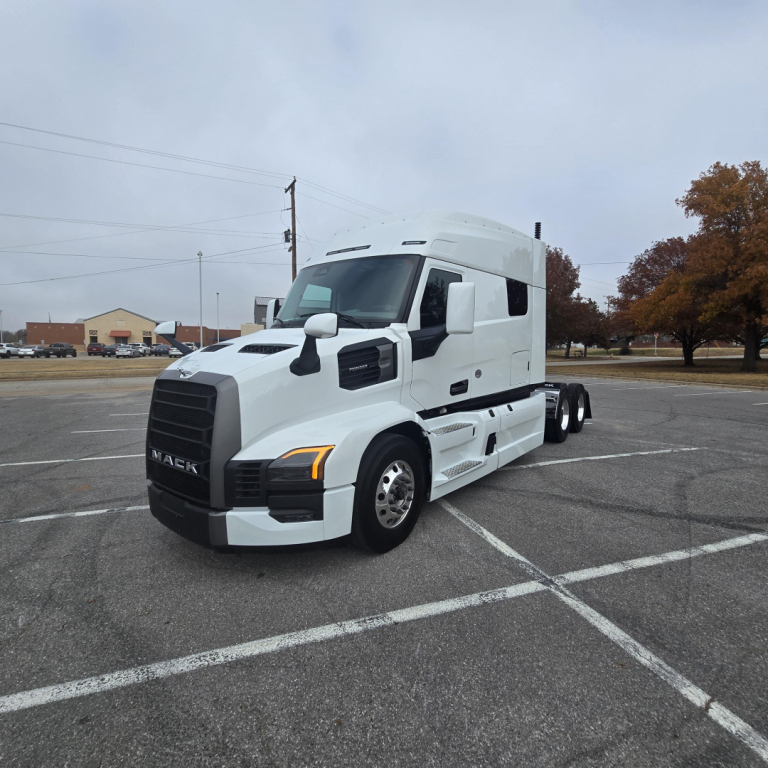
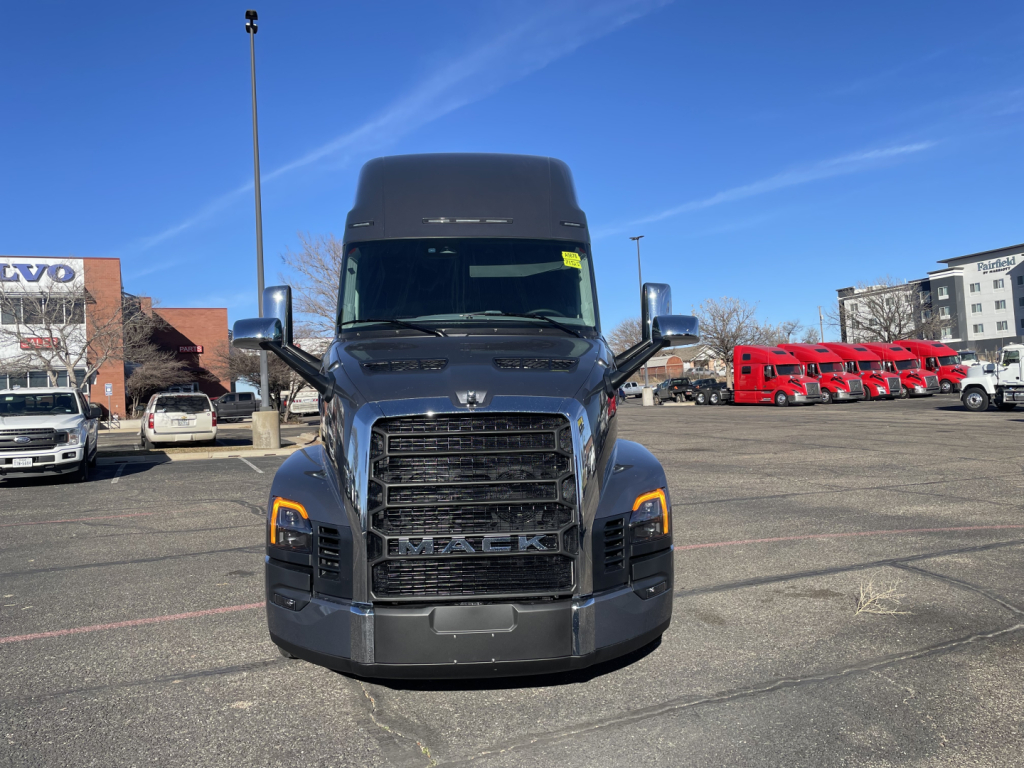
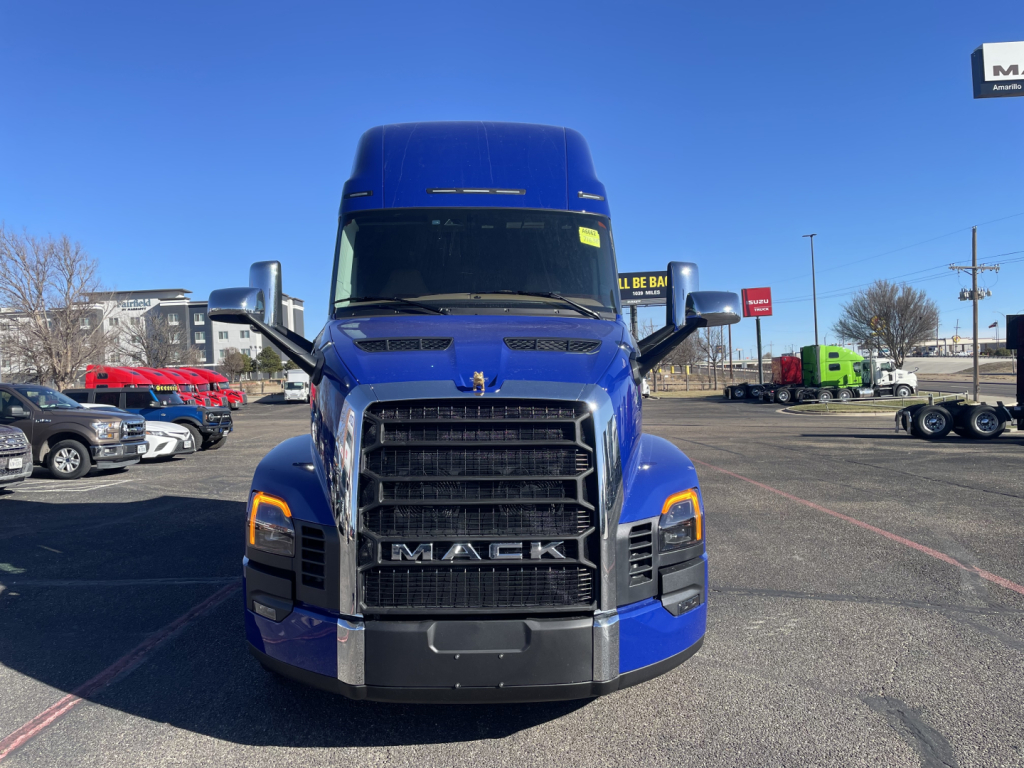

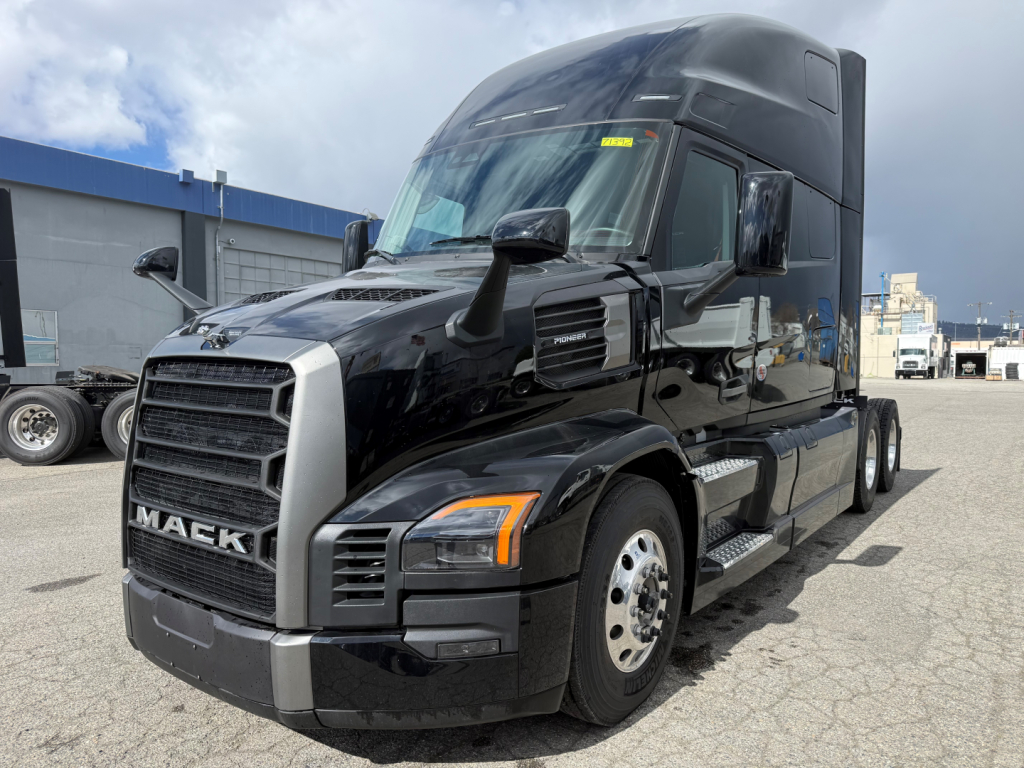
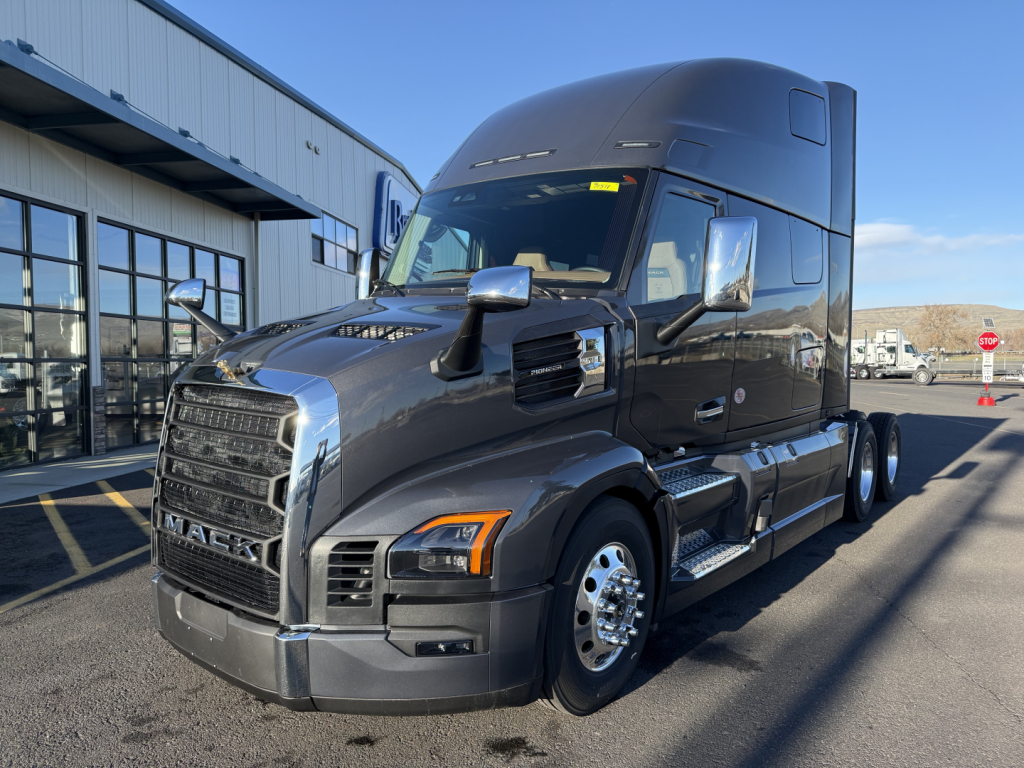
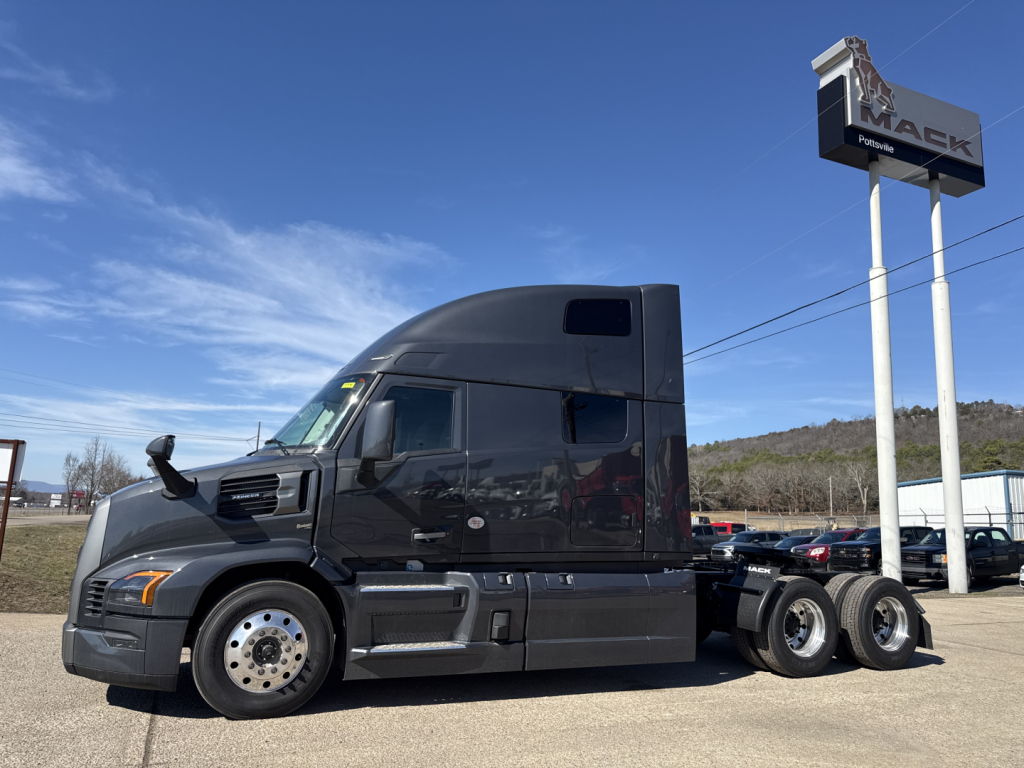
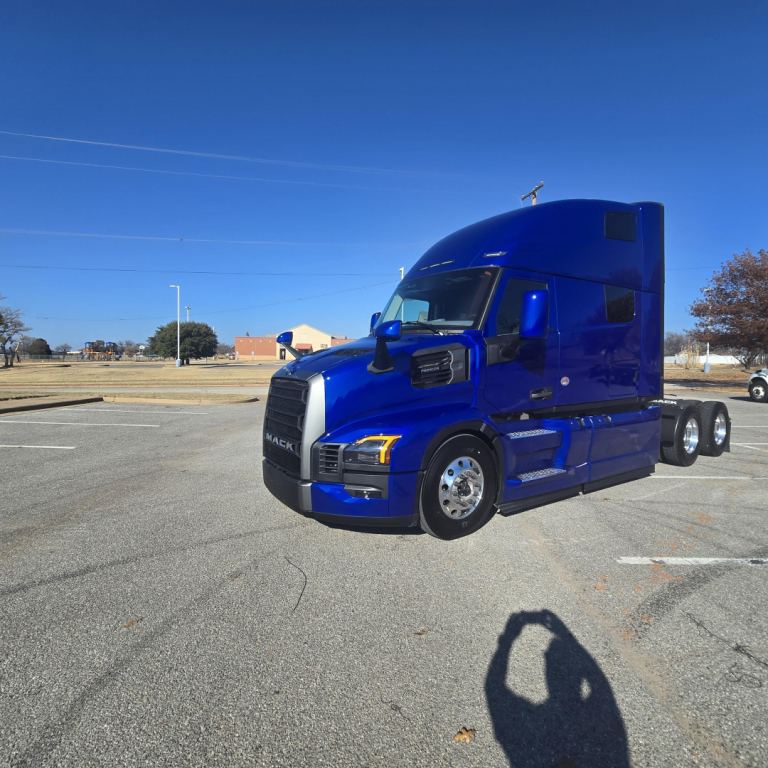
2026 Mack PR64T76H
2,100 mi
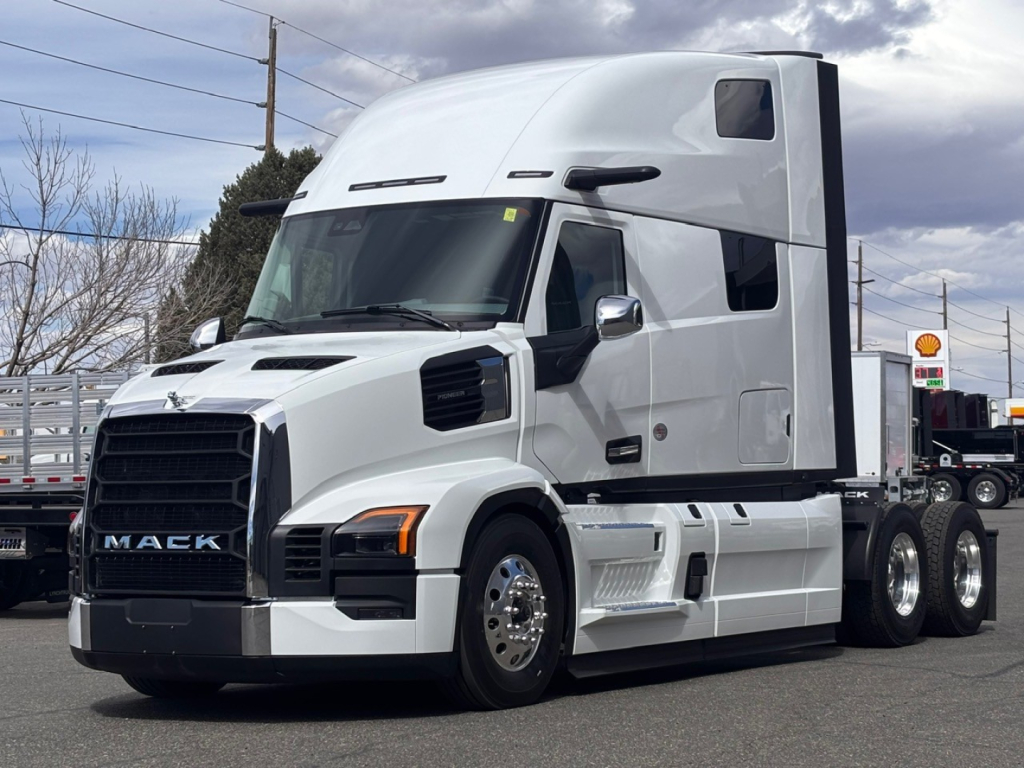
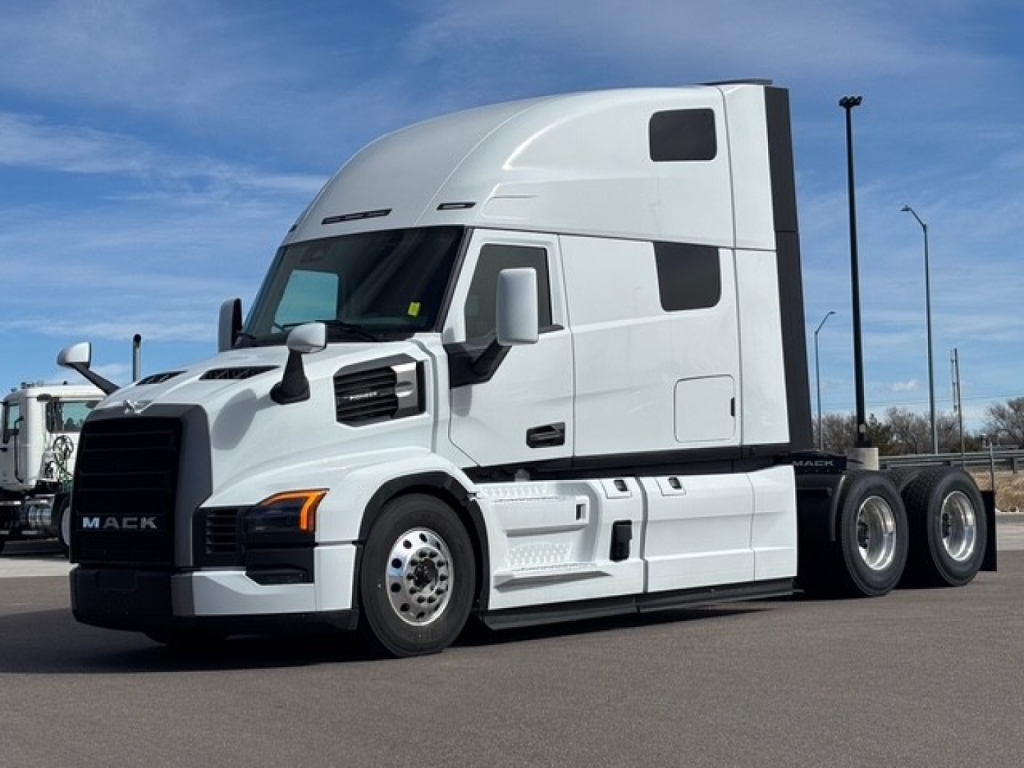
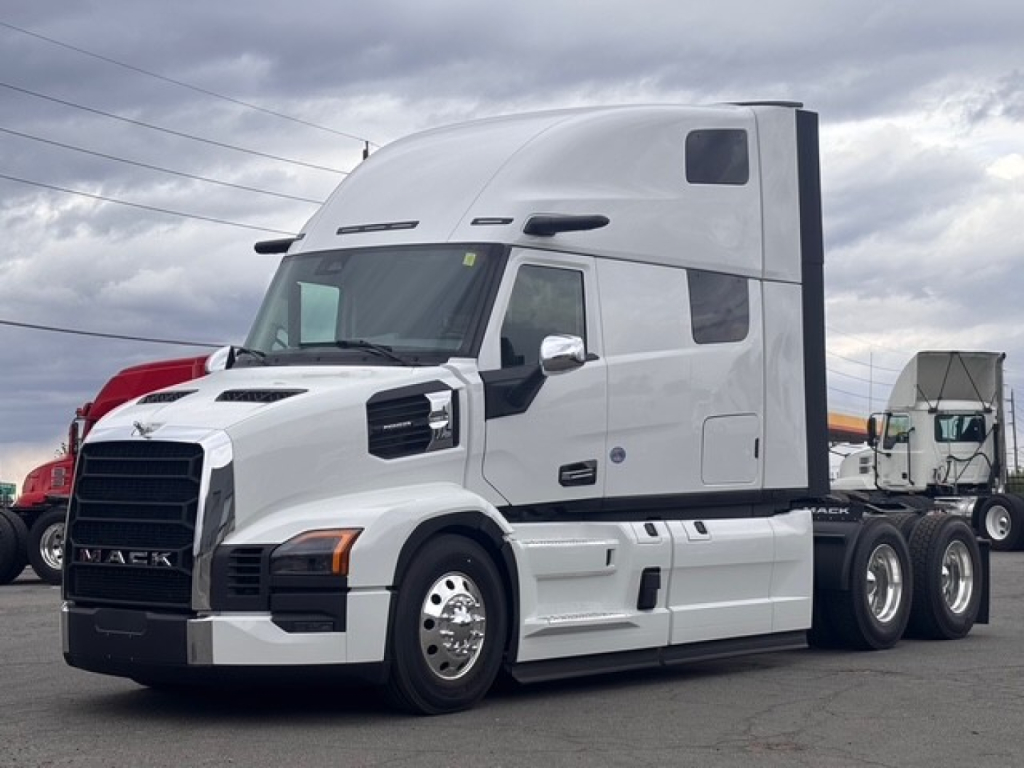
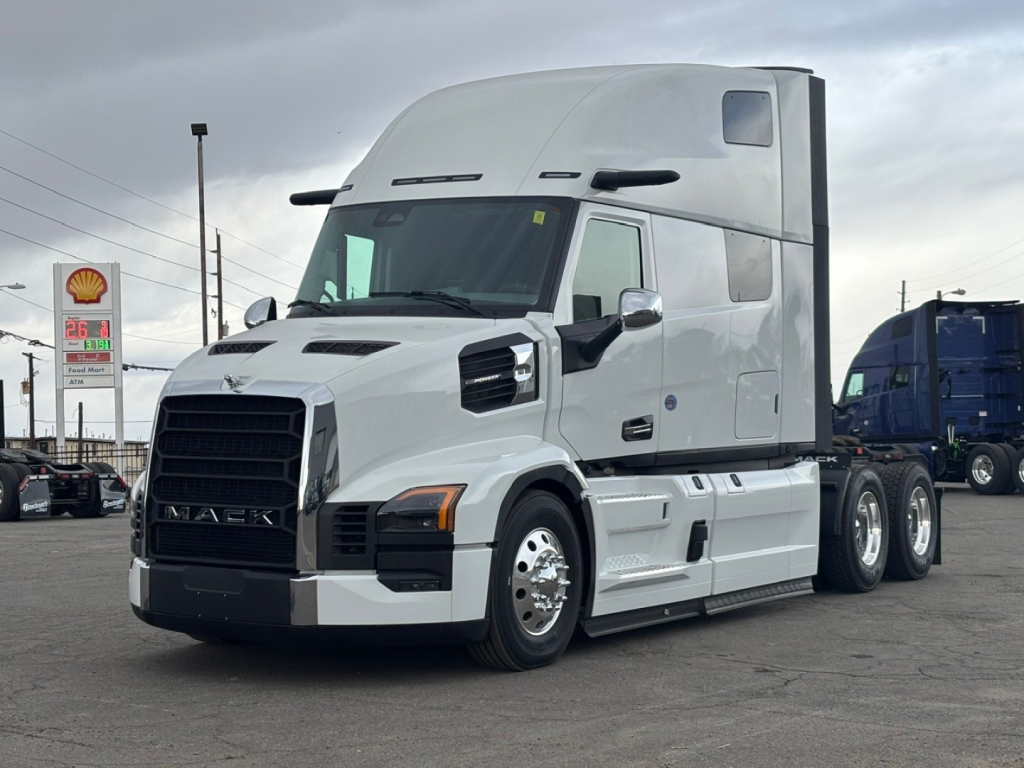
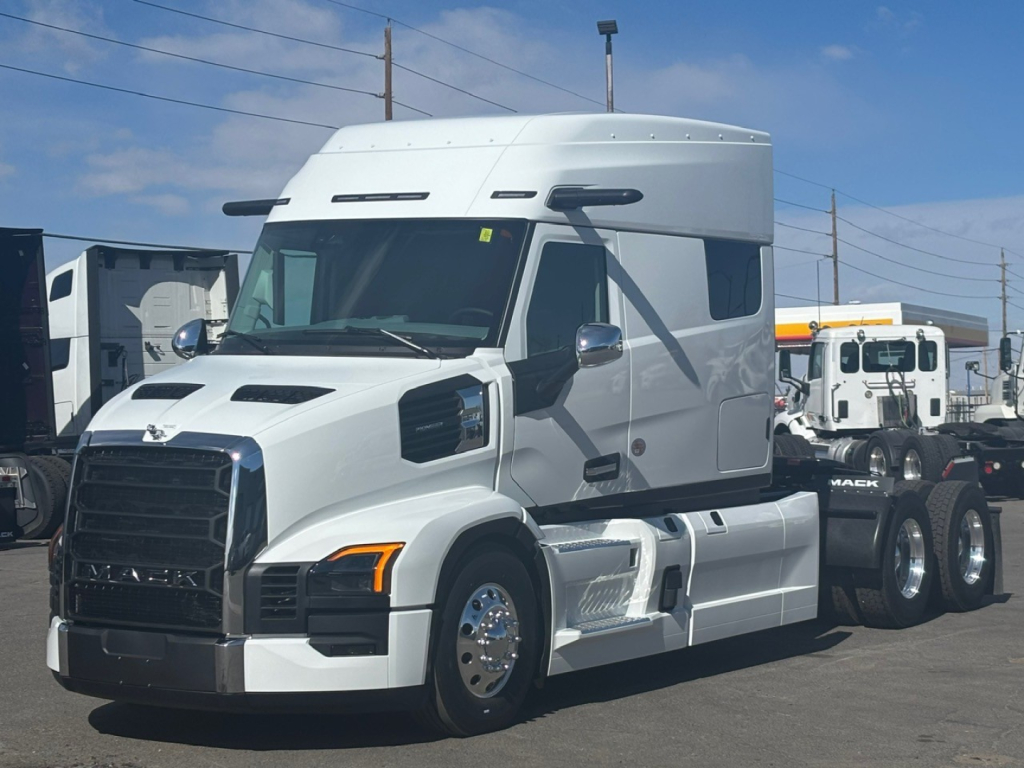
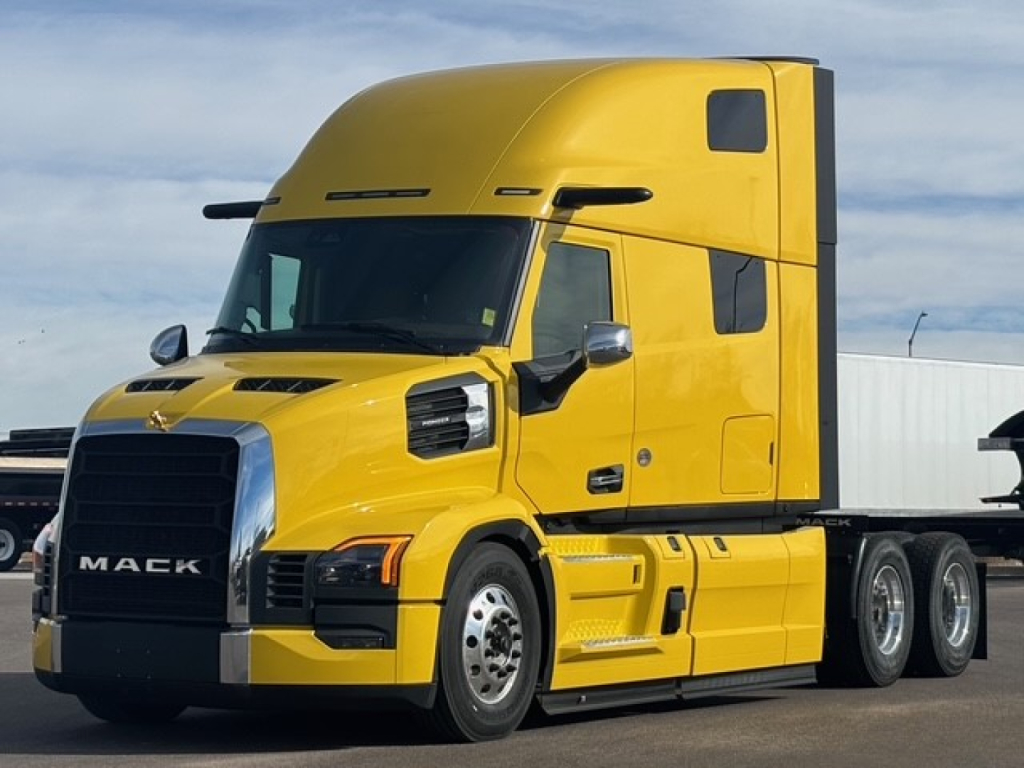
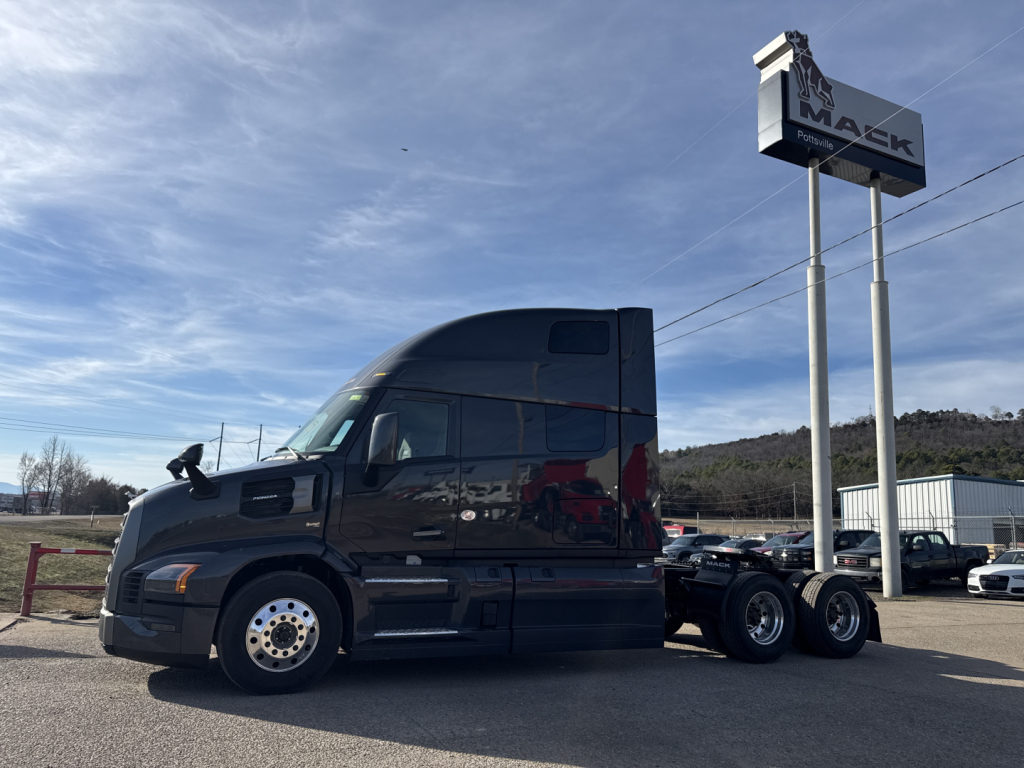
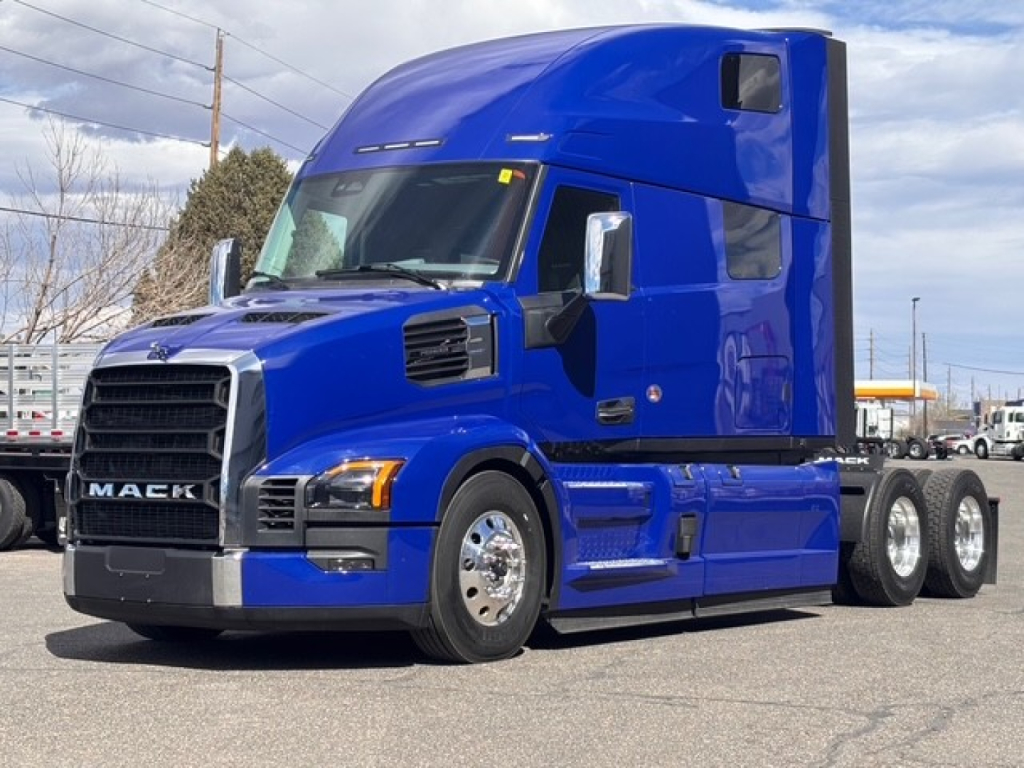
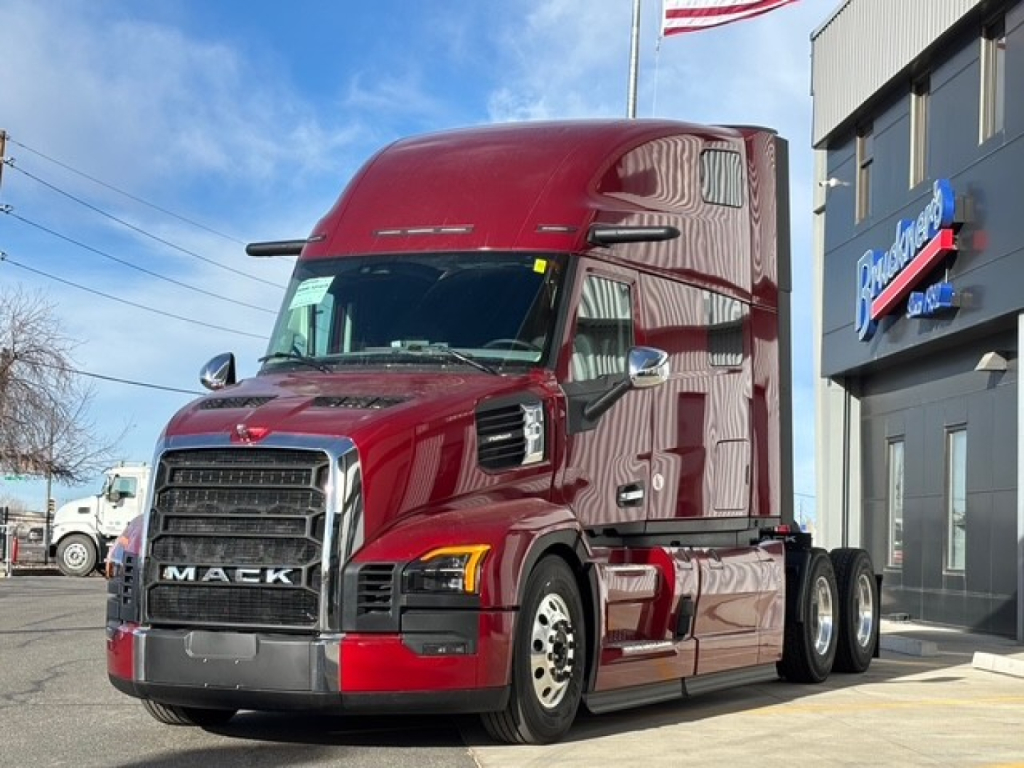
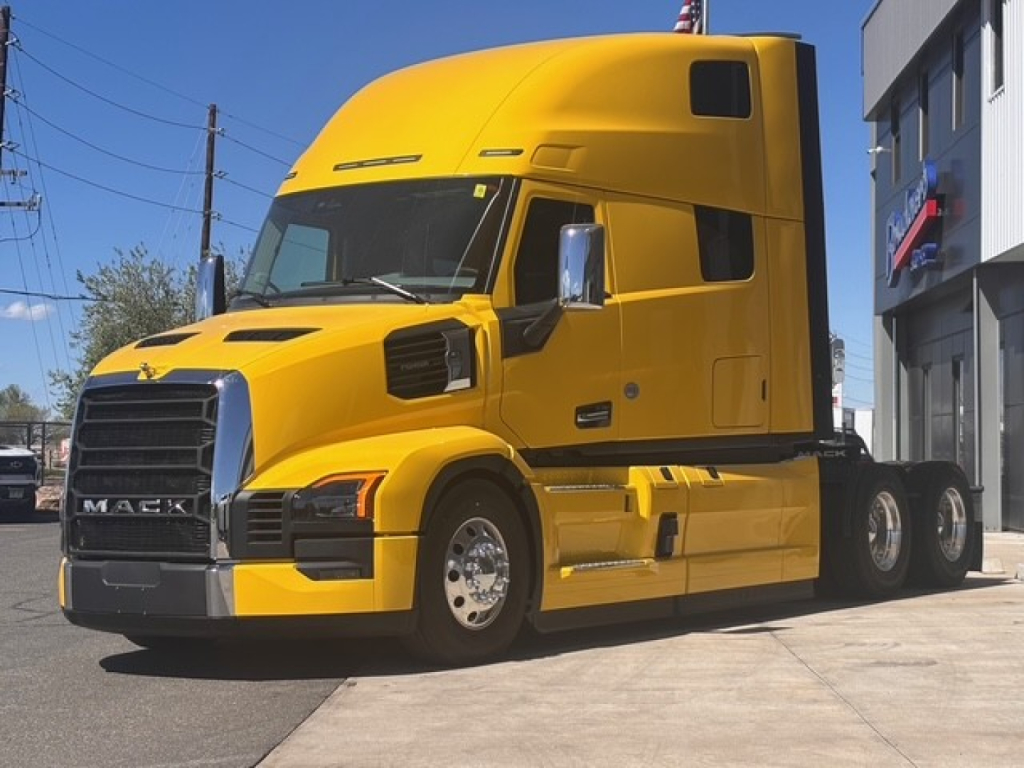
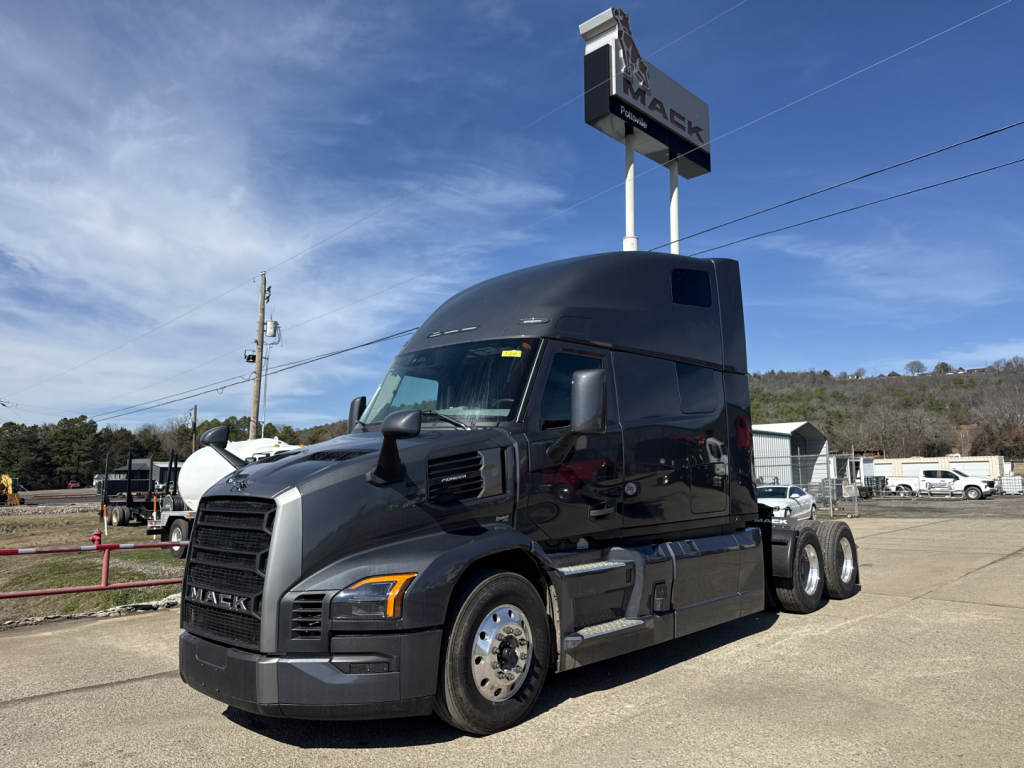
2026 Mack PR64T76H
1,707 mi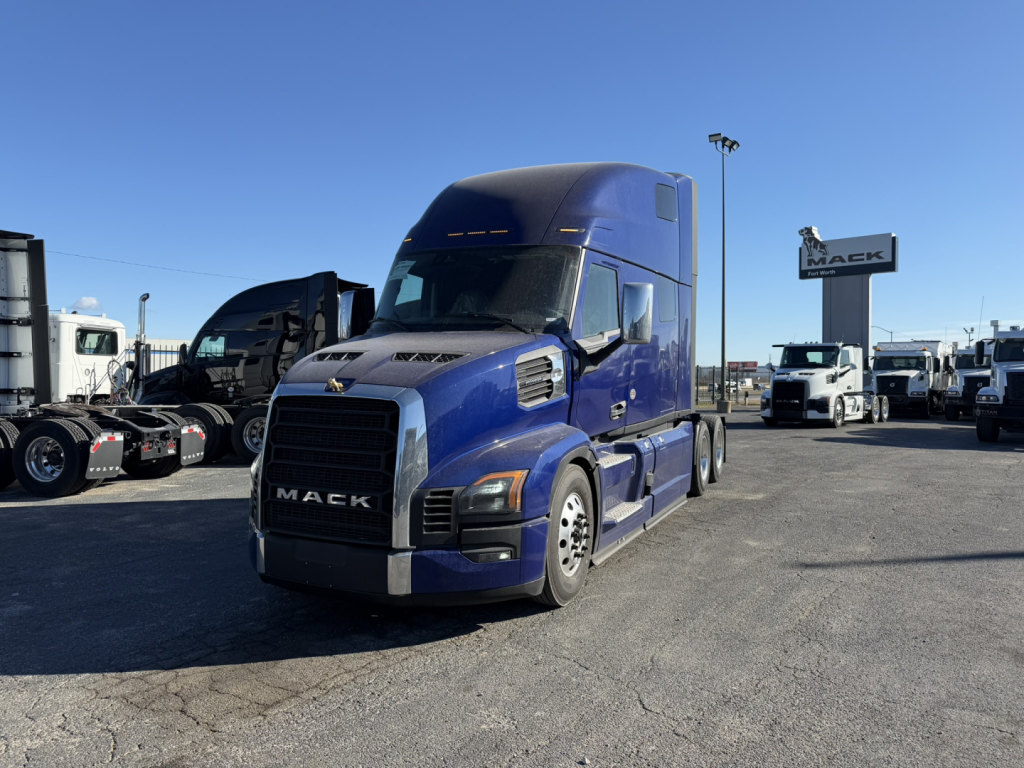
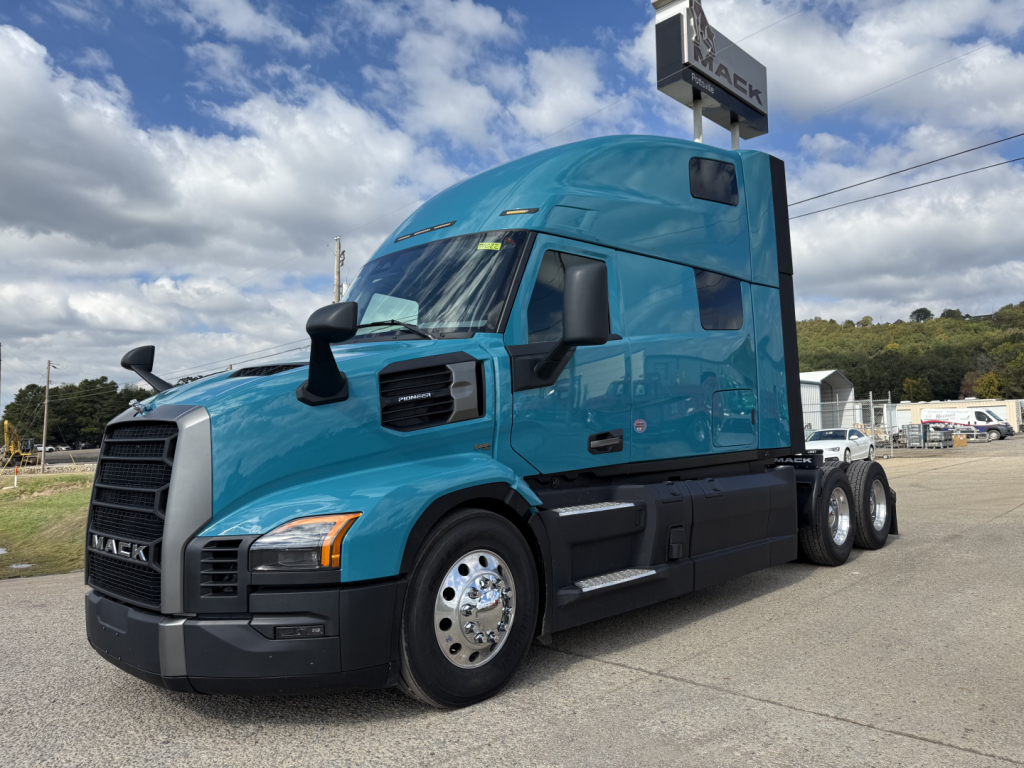
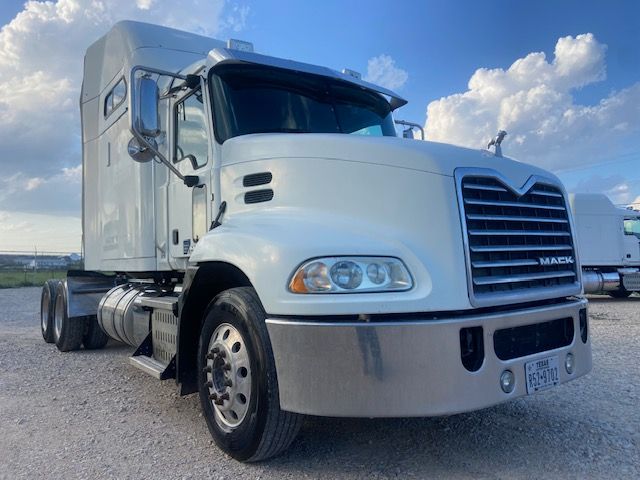
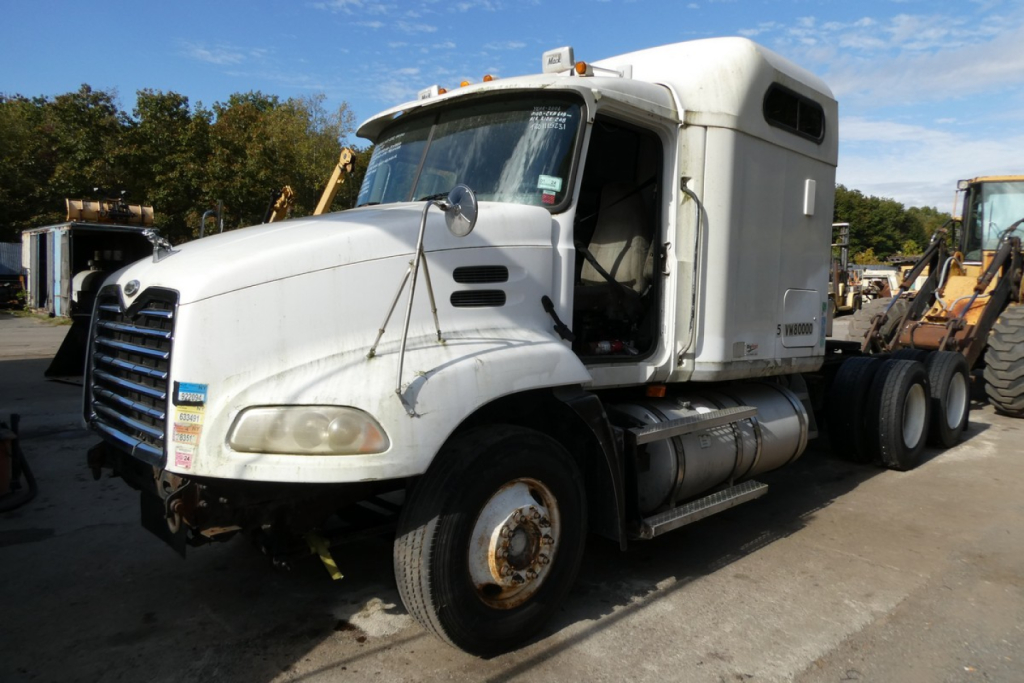
Showing 121 to 144 of 146 results
Have mack conventional sleeper truck to sell? List it here to reach thousands of buyers.
Mack Conventional Sleeper Trucks
The powertrain is a major buying point in this class. Many Mack conventional sleepers are spec'd with the MP8 or MP13 engine paired to the Mack mDrive automated manual transmission. Horsepower commonly falls in the mid-400s to low-500s, which is a practical range for 53-foot dry van and refrigerated freight, as well as heavier applications that still spend most of their life on the highway. Buyers should pay close attention to rear axle ratio, transmission gearing, and tire size because those three factors shape cruise rpm, gradeability, and fuel burn more than the headline horsepower number alone. A 2.15 or 2.64 ratio usually points to an economy-minded linehaul spec, while a 2.85 or 3.08 ratio can better support mixed terrain, heavier average payloads, or operations that want stronger launch characteristics.
Sleeper layout and driver amenities matter just as much as the drivetrain if the truck is running multi-day routes. Mack conventional sleepers in this segment often include stand-up bunks, double-bunk arrangements, bunk heaters, refrigerator space, storage cabinets, and integrated climate features such as parking coolers or APU-ready setups. Look closely at roof profile, fairings, cab extenders, fuel tank capacity, and fifth wheel setup because these details affect both operating range and trailer compatibility. Air ride suspension, 13,200 lb front axles, aluminum wheels, and disc brake specs also show up frequently and can make a difference in ride quality, stopping performance, and tare weight.
For used buyers, the best evaluation points are service history, idle hours, emissions system maintenance, clutch and mDrive calibration records, brake life, and signs of uneven tire wear that may point to alignment or suspension issues. For newer trucks, focus on how the spec matches the lane. A high-roof or 76-inch sleeper may be the right fit for teams or extended over-the-road work, while a lighter mid-roof sleeper can make sense for regional routes with frequent terminal access. Mack conventional sleeper trucks hold their strongest value when the spec is balanced: enough engine, the right ratio, a practical bunk, and highway equipment that supports the freight instead of overbuilding the truck.
Frequently Asked Questions about Mack Conventional Sleeper Trucks
What engine and transmission combinations are common in Mack conventional sleeper trucks?
Most Mack conventional sleeper trucks are equipped with a Mack MP8 or MP13 diesel engine and a Mack mDrive automated manual transmission. Typical horsepower ratings range from about 445 to 515 hp depending on the intended application. The MP8 is a common choice for standard highway freight, while the MP13 is often selected when buyers want more torque or a higher-output long-haul spec. The mDrive is popular because it simplifies driver operation while still delivering the efficiency and durability expected in over-the-road service.
What rear axle ratio is best for a Mack sleeper tractor?
The best rear axle ratio depends on average load, terrain, cruise speed, and transmission spec. Ratios like 2.15 and 2.64 are commonly used in fuel-economy-focused highway applications where the truck spends most of its time at steady interstate speeds. Ratios such as 2.85 and 3.08 are better suited to rolling terrain, heavier freight, or operations that need stronger startability and better performance at lower road speeds. Buyers should evaluate the complete drivetrain, including tire size and top gear, instead of choosing by ratio alone.
What sleeper sizes are typical on Mack conventional sleeper trucks?
A common sleeper size in this category is 70 inches, though 76-inch sleepers and mid-roof configurations are also widely seen. A 70-inch stand-up sleeper works well for many solo over-the-road operations because it offers solid living space without pushing the truck too far into a heavier or longer spec. A 76-inch sleeper can be a better fit for team service, extended trips, or fleets that want additional storage and comfort features. Mid-roof sleepers are often selected when aerodynamics, weight control, or route restrictions matter more than maximum interior volume.
Are Mack conventional sleeper trucks good for long-haul van and reefer work?
Yes. Mack conventional sleeper trucks are a strong fit for long-haul dry van, reefer, and dedicated contract freight because they are commonly spec'd with aerodynamic packages, highway axle ratios, automated transmissions, and livable sleeper interiors. Features such as roof fairings, cab extenders, air ride suspension, bunk heaters, and larger fuel capacity support over-the-road use. The right spec can deliver a good balance of fuel economy, driver retention, and durability on high-mileage lanes.
What should I inspect first on a used Mack sleeper truck?
Start with maintenance records, engine hours, and emissions system history because those items reveal how the truck was operated and maintained. Then inspect tire wear, suspension condition, brake life, wheel seals, and fifth wheel wear to identify signs of poor alignment, neglected chassis service, or heavy-duty use beyond the truck's intended lane. On mDrive-equipped trucks, confirm shift quality, software updates, and calibration history. Inside the sleeper, check HVAC performance, bunk equipment, cabinet condition, and any APU or parking cooler components because driver-comfort systems can be expensive to repair if they were ignored.