
Mack Conventional Sleeper Trucks For Sale in Illinois
Shop Mack conventional sleeper trucks in Illinois. Compare Anthem and CXU specs, sleeper sizes, MP7 and MP8 engines, and long-haul features.
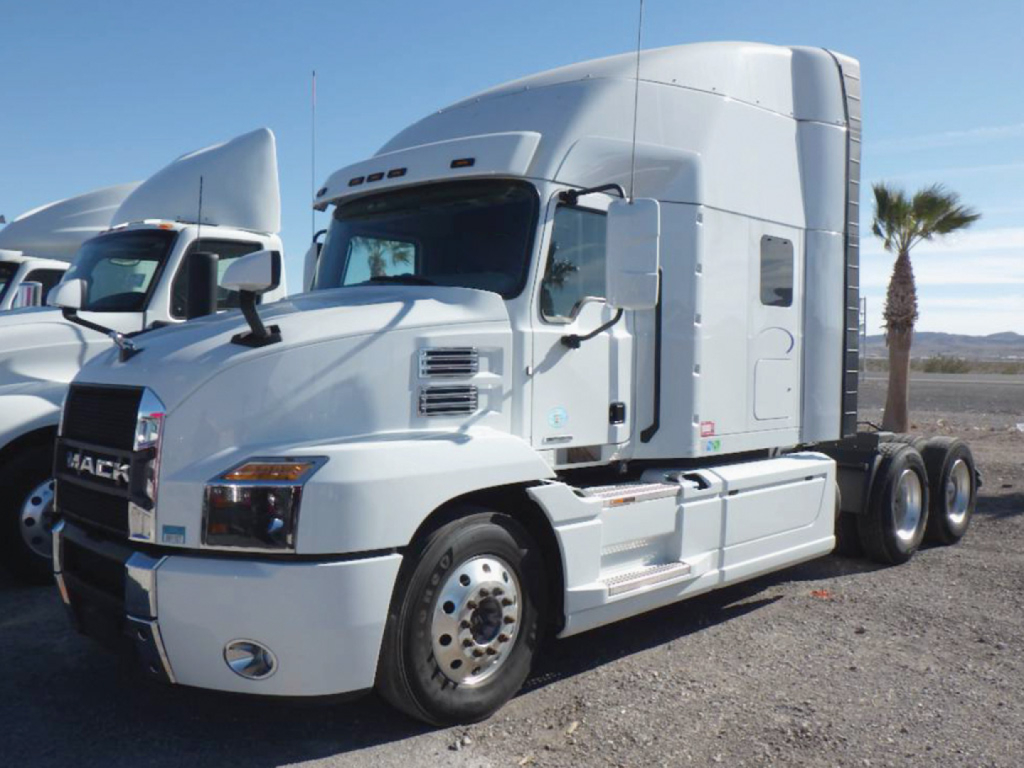
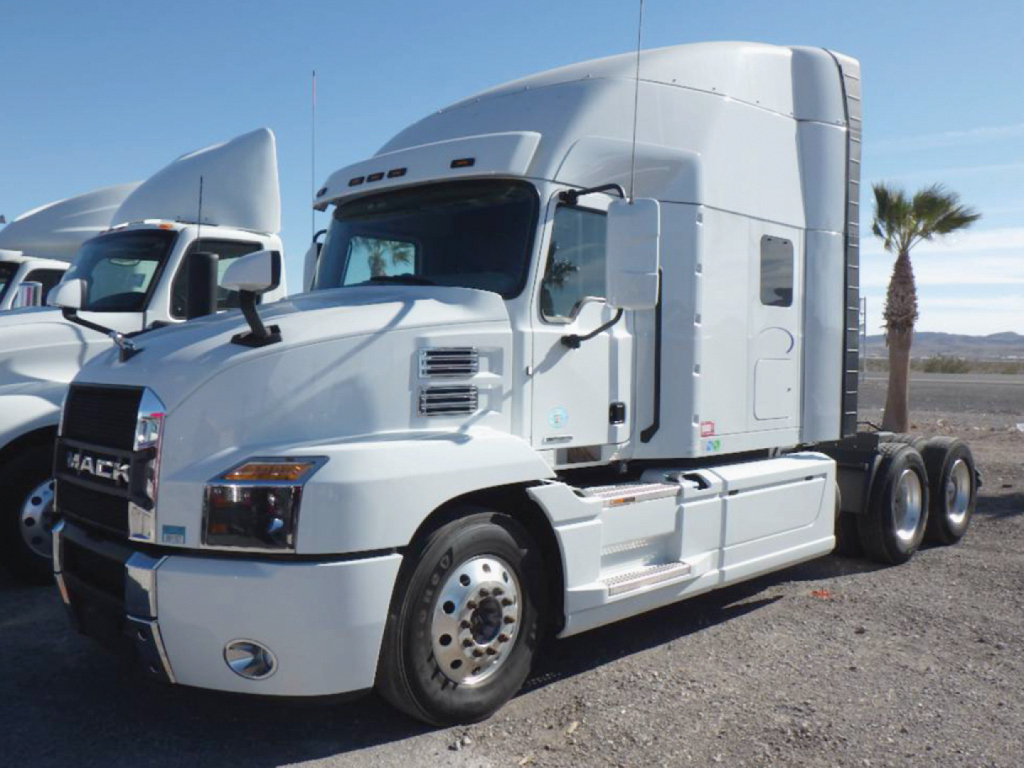

Have mack conventional sleeper truck to sell? List it here to reach thousands of buyers.
Mack Conventional Sleeper Trucks in Illinois
For most buyers, the first decision is powertrain and axle ratio. Mack MP7 and MP8 engines are both common in this class, with horsepower often landing around 400 to 455 HP. The MP7 is usually a solid match for fleets prioritizing fuel mileage and regional to long-haul freight, while the MP8 gives added displacement and pulling confidence for heavier loads or more demanding terrain. Mack mDrive automated manual transmissions are especially common in later conventional sleepers and are popular for fleet standardization, reduced driver fatigue, and consistent shift logic. Rear axle ratios such as 2.64, 2.79, and 3.08 can change how the truck performs. Lower numerical ratios generally favor highway cruising efficiency, while a 3.08 setup can be better for heavier freight or more start-and-stop operation.
Sleeper configuration matters as much as engine spec. Mack conventional sleeper trucks are often equipped with 60-inch mid-roof sleepers or 70-inch stand-up and hi-rise sleepers. A 60-inch sleeper can be the right call for shorter wheelbase requirements and regional lanes with occasional layovers. A 70-inch stand-up or hi-rise sleeper gives more room for long-haul use, better driver comfort, and easier movement inside the bunk area. Buyers should also pay attention to practical road-spec items such as bunk heaters, auxiliary power units, dual aluminum fuel tanks, roof and side fairings, cab extenders, quarter fenders, and adjustable or air-slide fifth wheels. Wheelbases in the 226-inch to 245-inch range are common and can affect trailer gap, bridge law flexibility, and turning radius.
A well-matched Mack sleeper should be evaluated as a complete operating package, not just by model year or mileage. Look at rear axle rating, suspension type, fifth wheel setup, fuel capacity, tire size, and whether the truck has the fairings and sleeper features needed for the route profile. Air ride suspension, engine brakes, low-profile 22.5 tires, and aluminum wheels are common on highway-spec trucks in this category. For Illinois buyers running I-55, I-57, I-80, and cross-country lanes beyond the Midwest, Mack conventional sleepers stand out for their straightforward vocational durability translated into a highway tractor platform that is comfortable, efficient, and easy to spec for fleet or owner-operator use.
Frequently Asked Questions about Mack Conventional Sleeper Trucks in Illinois
What is the difference between a Mack Anthem and a Mack CXU613 sleeper truck?
The Mack Anthem is the newer aerodynamic highway platform and is generally more focused on fuel efficiency, updated cab design, and modern long-haul spec choices. The CXU613 is an earlier conventional highway tractor that still has a strong reputation for durability and fleet service, but it typically has an older cab layout and less aerodynamic shaping than the Anthem. Buyers comparing the two usually look at emissions generation, cab comfort, powertrain updates, and the total maintenance picture rather than model name alone.
Which Mack engine is better in a conventional sleeper, the MP7 or MP8?
The right choice depends on the freight and duty cycle. The Mack MP7 is commonly selected for balanced fuel economy and highway performance in general freight service. The Mack MP8 offers more displacement and is often preferred when the truck will regularly pull heavier loads, run in tougher terrain, or need stronger performance without working as hard. Both are proven highway engines, so the better buy usually comes down to horsepower rating, maintenance history, axle ratio, and how closely the spec matches the loads you plan to haul.
What sleeper size is best for a Mack conventional truck?
A 60-inch sleeper is often enough for regional work, dedicated lanes, and operations where the driver needs basic overnight capability without adding unnecessary wheelbase. A 70-inch stand-up or hi-rise sleeper is usually the better fit for long-haul applications because it gives more living space, better storage, and improved comfort for multi-day trips. Sleeper size should be matched to route length, payload needs, and the overall wheelbase required for the trailer and fifth wheel setting.
Are Mack mDrive transmissions good for long-haul sleeper trucks?
Yes. Mack mDrive automated manual transmissions are widely used in highway sleeper applications because they reduce driver fatigue, deliver consistent shifting, and work well with integrated Mack engine programming. They are especially attractive to fleets that want easier driver onboarding and predictable operation across multiple trucks. As with any automated transmission, buyers should still review service records, clutch history, software updates, and how the transmission was geared with the rear axle ratio.
What should Illinois buyers check first on a used Mack sleeper truck?
Start with the core operating spec: engine model, horsepower, transmission, axle ratio, rear axle rating, wheelbase, and sleeper size. Then verify the truck's emissions system condition, engine brake operation, suspension type, fifth wheel functionality, tire wear pattern, and any signs of corrosion from Midwest winter road use. On a highway tractor, aerodynamic equipment, fuel tank capacity, bunk heater or APU presence, and overall cab condition also matter because they affect both operating cost and driver retention.