
Mack Conventional Sleeper Trucks For Sale in Washington
Browse Mack conventional sleeper trucks with MP13 power, M-Drive options, aero cabs, and specs built for long-haul and regional freight.
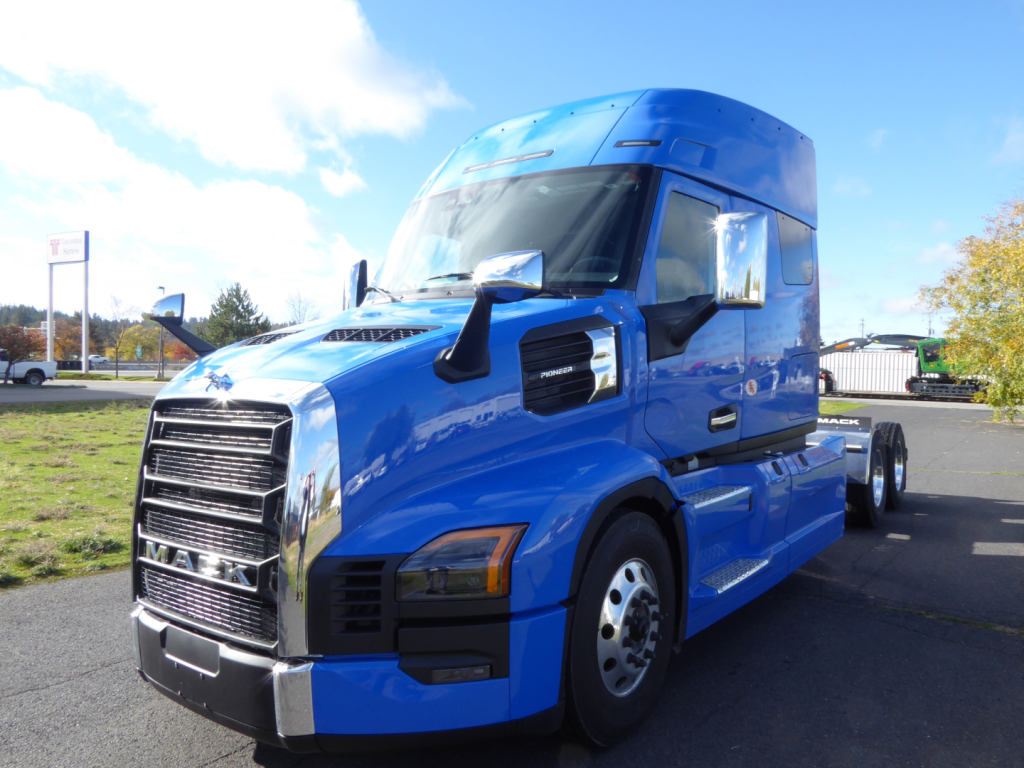
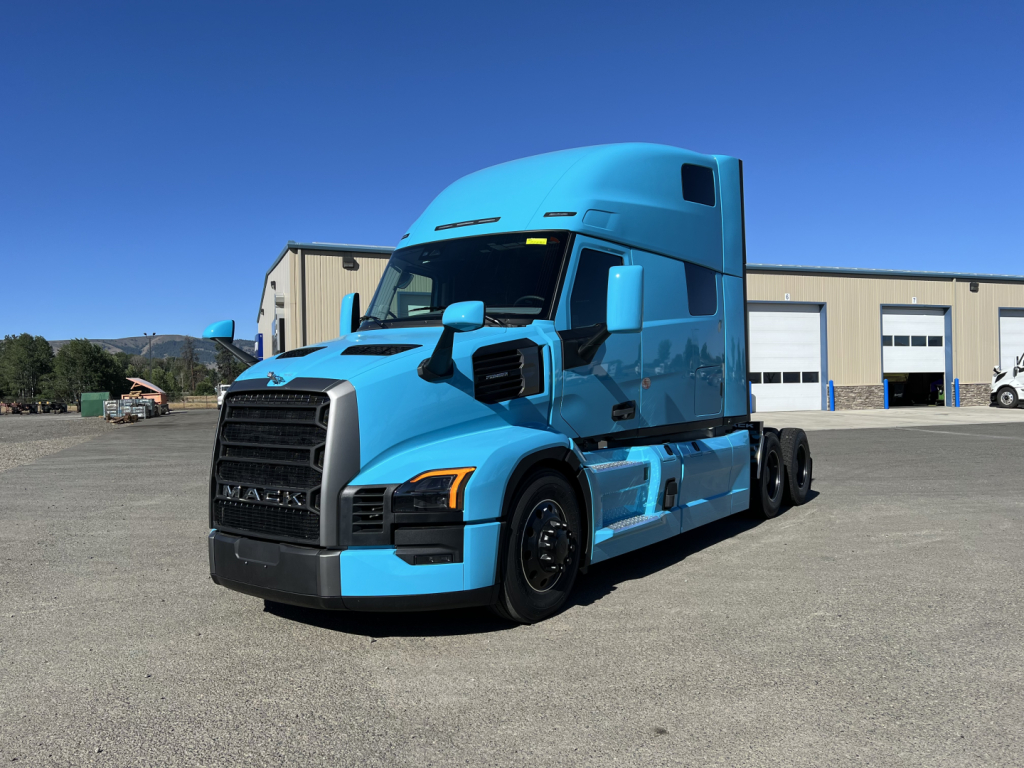
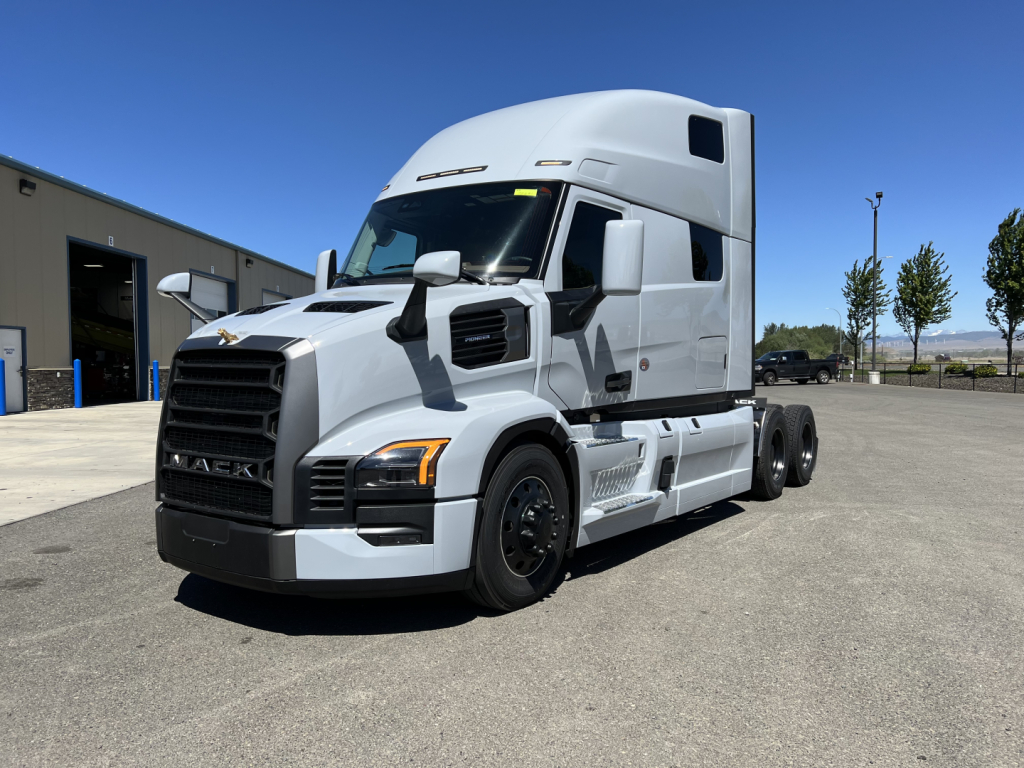
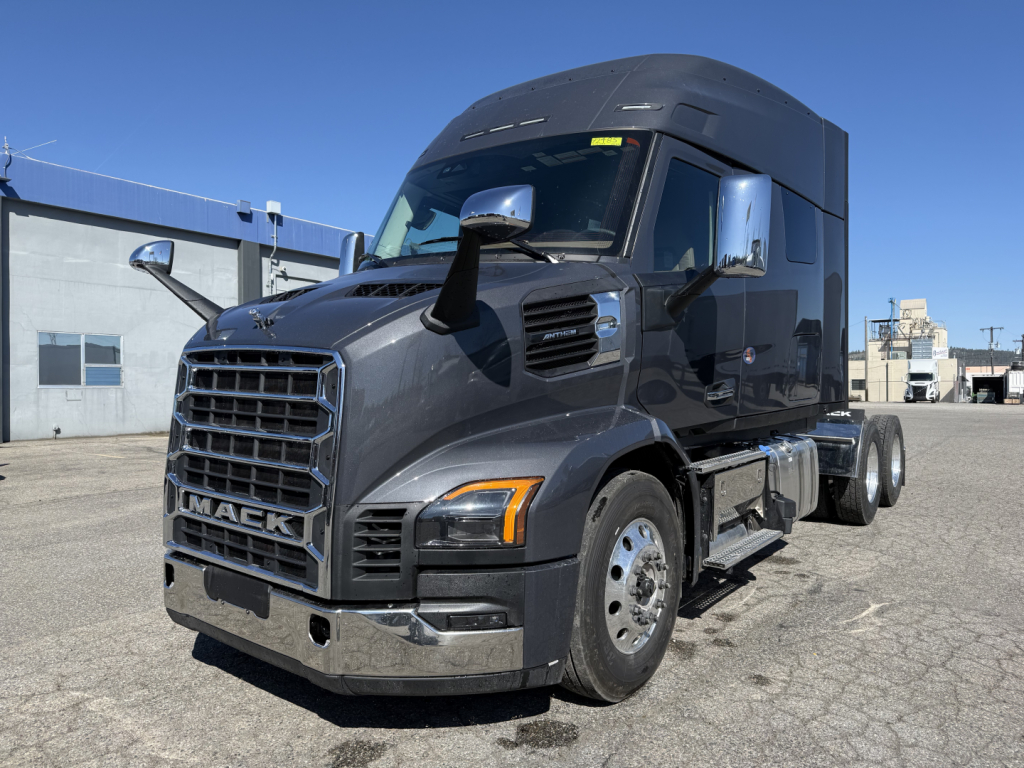
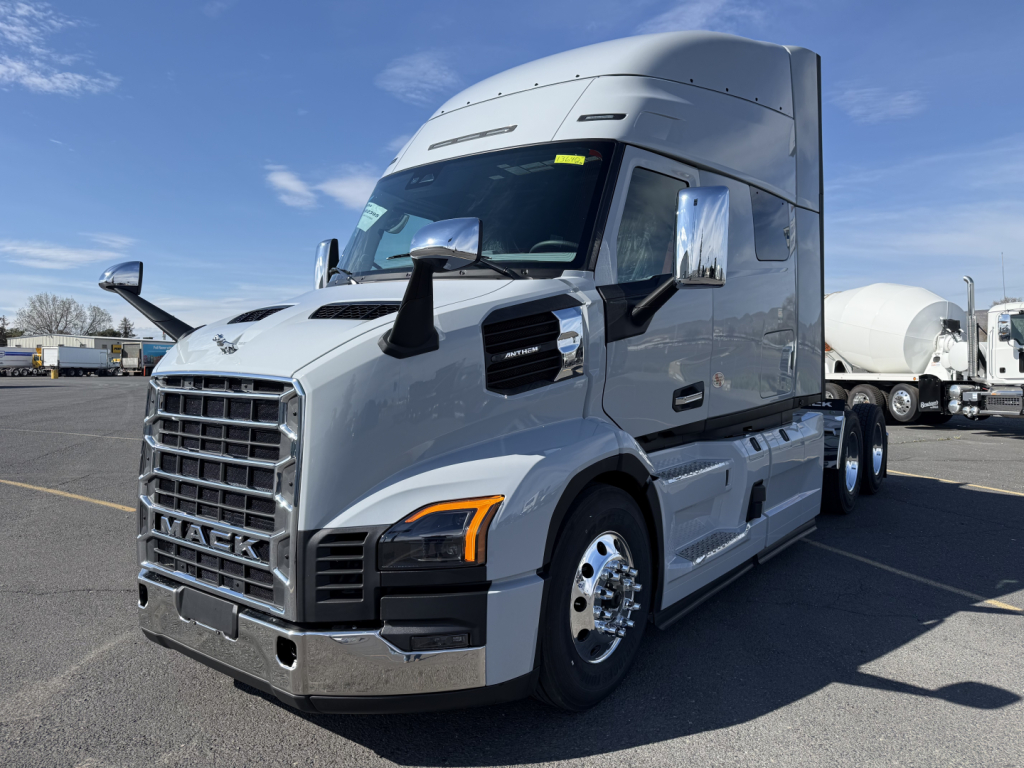
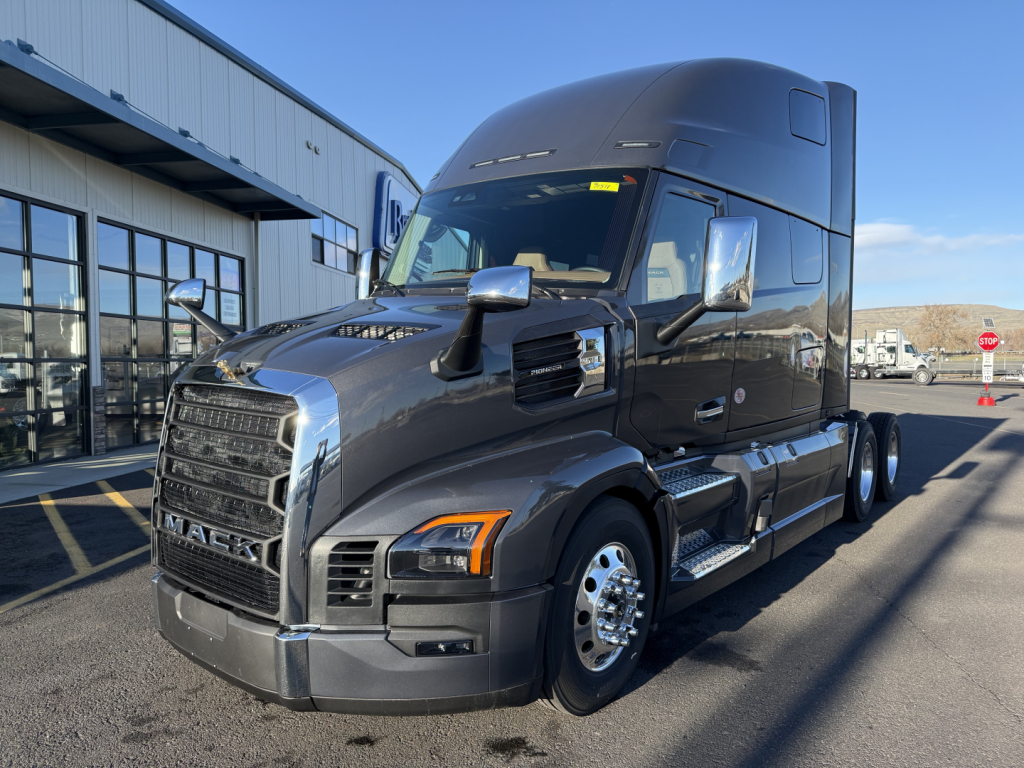
Selling a mack conventional sleeper truck? List your mack conventional sleeper truck for sale and reach thousands of commercial buyers.
Mack Conventional Sleeper Trucks in Washington
The first buying decision is usually sleeper size and roof height. A 64-inch sleeper is a practical fit for regional routes, slip-seat operations, and fleets trying to keep wheelbase manageable while still giving the driver usable bunk and storage space. A 76-inch high-roof sleeper adds standing room, more cabinet space, and better livability for teams or long-haul runs. Buyers comparing Mack conventional sleeper trucks should also pay close attention to wheelbase, fuel capacity, and cab equipment such as inverters, bunk HVAC, shore power, refrigerator packages, and upper bunk layout. Those details matter just as much as engine rating when the truck is expected to stay productive on multi-day runs.
On the spec side, Mack MP13 engines are common in this category, typically in ratings that fit both fuel-conscious fleets and heavier linehaul work. Horsepower in the mid-400s to low-500s is common, often paired with Mack mDRIVE automated manual transmissions in 12-speed or 13-speed configurations. Overdrive versus direct drive, rear axle ratio, and the availability of a creeper gear all affect launch performance, cruise RPM, and how well the truck matches your lanes. A 2.28 or 2.47 rear ratio generally points toward fuel-efficient highway cruising, while a 3.08 ratio can make more sense for tougher terrain, heavier loads, or more stop-and-go regional duty. Mack MaxLite air suspension, 13,200-pound front axles, 40,000-pound rears, and tandem axle layouts are typical specs buyers will see on late-model highway sleepers.
A serious buyer should also look beyond engine and bunk size to the total operating package. Disc brakes, tire size, axle spread, suspension rating, and driver-assistance features all affect maintenance cost and uptime. Mack conventional sleeper trucks are known for a solid highway ride, good cab ergonomics, and integrated powertrain design, which appeals to fleets looking for consistency across drivers and service intervals. If the truck will spend time crossing the Cascades, pulling van or reefer freight at gross weight, or running long mileage through the Northwest and beyond, the best spec is the one that matches your average load, cruising speed, and driver retention goals, not just the highest horsepower on the page.
Frequently Asked Questions about Mack Conventional Sleeper Trucks in Washington
What is the difference between a 64-inch and 76-inch Mack sleeper?
A 64-inch Mack sleeper is usually the better fit for regional hauling, shorter over-the-road lanes, and operations that want a lighter, more maneuverable tractor. A 76-inch sleeper adds more living space, standing room in high-roof configurations, and extra storage, which matters for long-haul drivers, team operations, and trucks that stay out for several nights at a time. The tradeoff is typically a longer wheelbase and a little more weight, so the right choice depends on route length, payload priorities, and how much in-cab comfort your operation requires.
Is the Mack MP13 a good engine for conventional sleeper trucks?
The Mack MP13 is a strong fit for conventional sleeper applications because it covers a wide horsepower range for linehaul, regional, and heavier on-highway work while pairing well with Mack automated transmissions. Buyers like it for its torque output, highway manners, and integration with the rest of the Mack driveline. The best MP13 rating depends on your freight and terrain. Lower horsepower specs can reduce fuel burn on lighter lanes, while 500-plus horsepower setups make sense for mountain routes, higher gross weights, and fleets that want stronger grade-climbing performance.
Should I choose a 12-speed or 13-speed Mack mDRIVE transmission?
A 12-speed mDRIVE is a common choice for general highway freight because it delivers simple operation, good fuel economy, and strong performance in standard over-the-road service. A 13-speed version can offer more flexibility when you need tighter ratio control, a creeper gear for low-speed maneuvering, or better matching for specialized lane demands. Buyers should compare transmission spec with rear axle ratio, tire size, and average gross combination weight rather than choosing by gear count alone.
What rear axle ratio is best for a Mack sleeper in Washington?
In Washington, rear axle ratio should match both highway speed and terrain. A 2.28 or 2.47 ratio is often selected for fuel-efficient linehaul work where the truck spends most of its time cruising on interstate lanes. A 3.08 ratio can be a better fit for mountain grades, heavier payloads, and more frequent starts and stops because it gives the truck more mechanical advantage. The best ratio depends on engine horsepower, transmission type, tire revolutions per mile, and the kind of freight the truck pulls most often.
What specs matter most when comparing Mack conventional sleeper trucks?
The most important specs are sleeper size, engine rating, transmission model, rear axle ratio, wheelbase, suspension, and fuel capacity. Buyers should also review front and rear axle ratings, brake type, cab roof height, and any driver-comfort features that affect retention on long runs. A well-matched spec sheet produces better fuel economy, easier service planning, and stronger driver satisfaction than a truck chosen on horsepower alone. For most fleets, the goal is a balanced highway tractor that fits the lane, not the most aggressive spec available.