
Conventional Sleeper Trucks For Sale in Iowa
Browse conventional sleeper trucks with highway specs, sleeper options, drivetrain choices, and long-haul features built for over-the-road work.
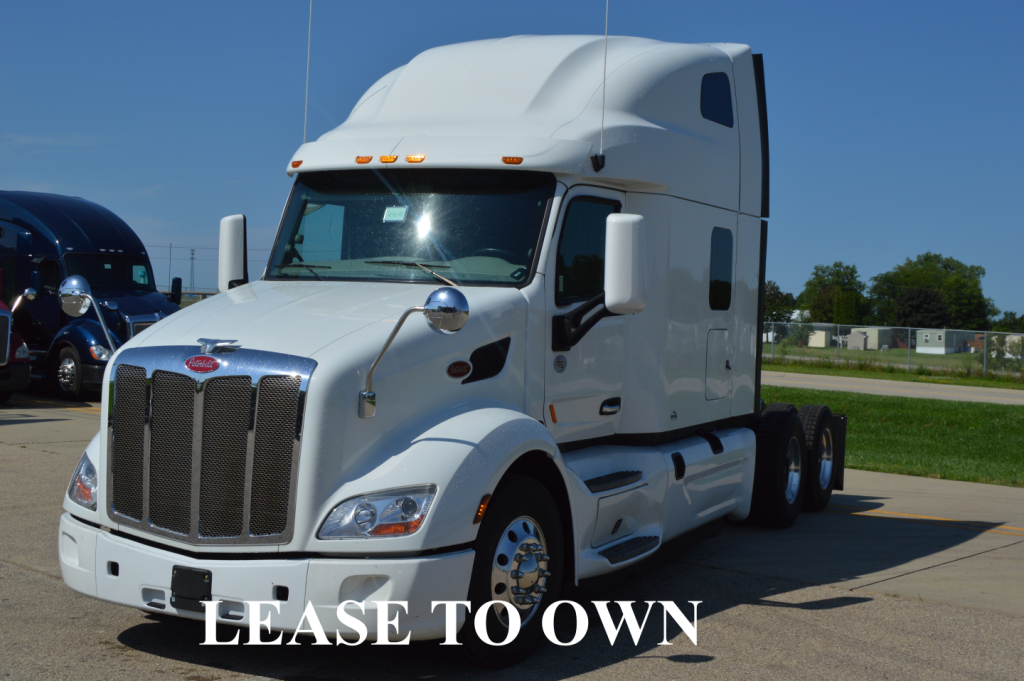

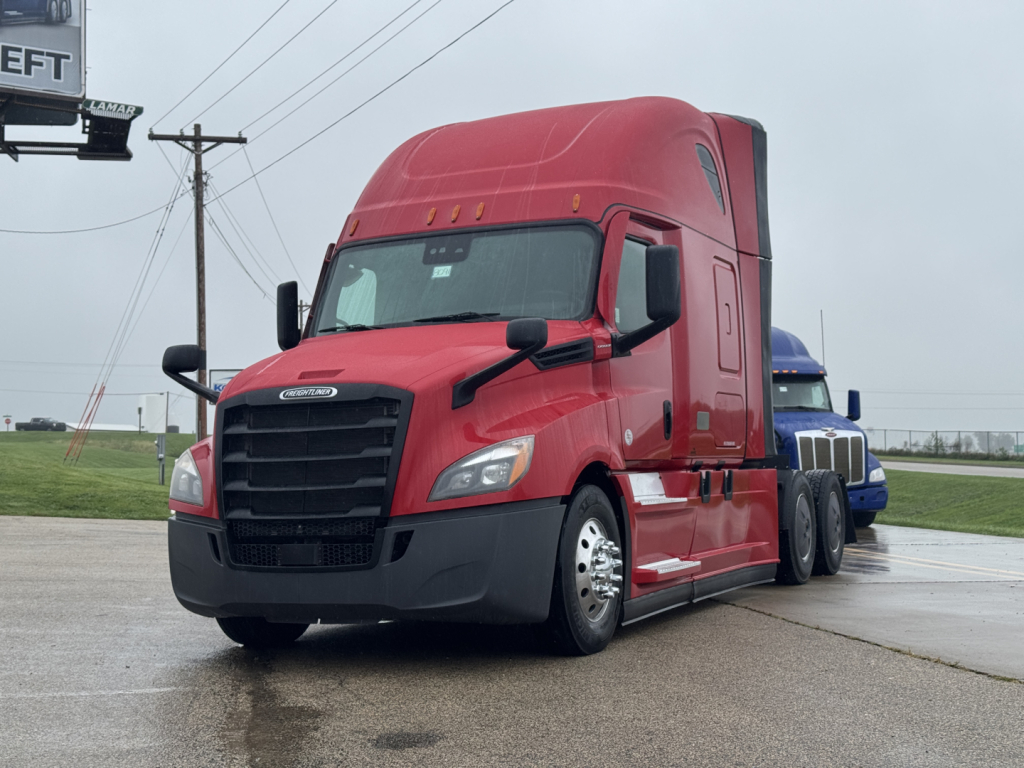


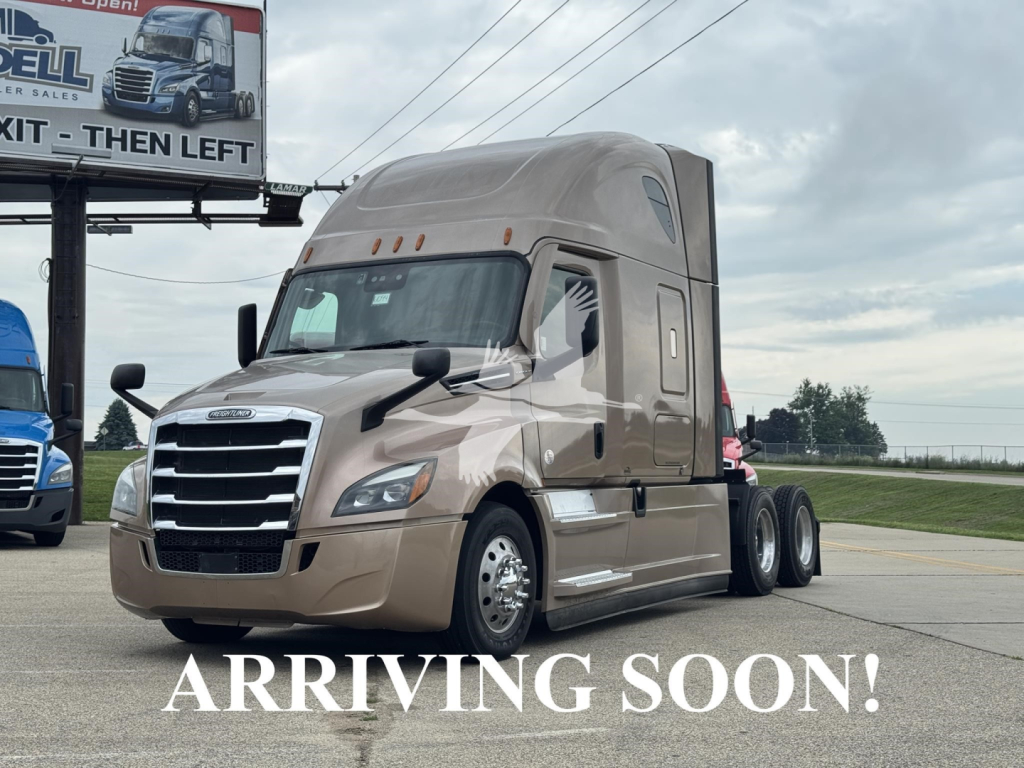

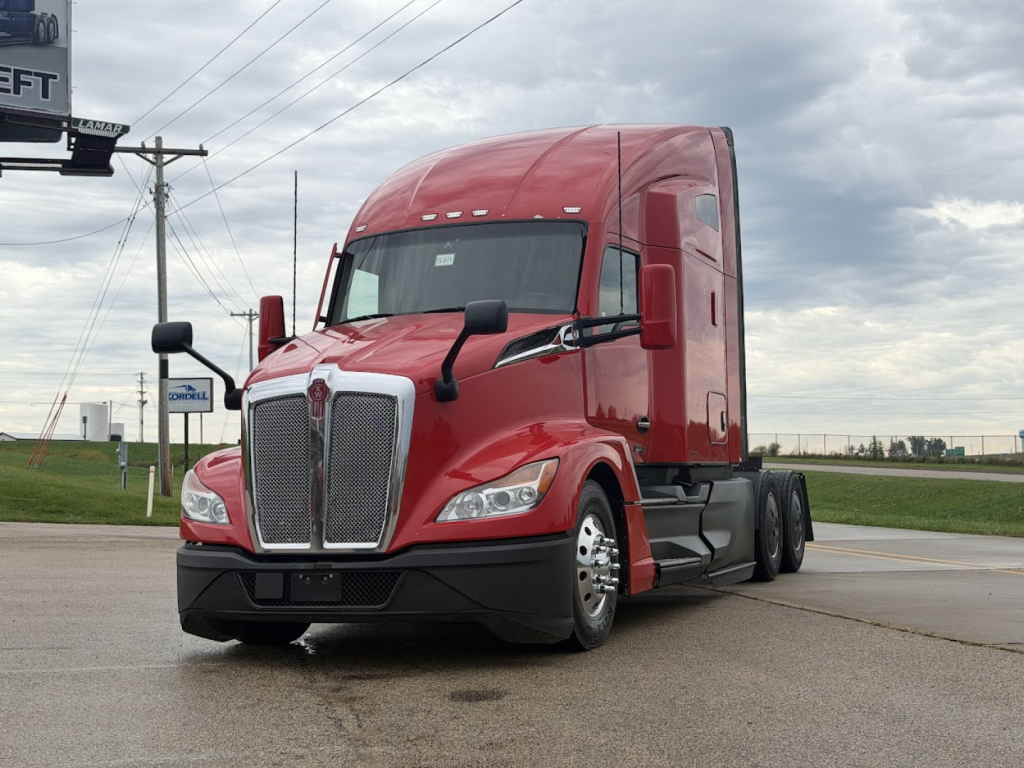
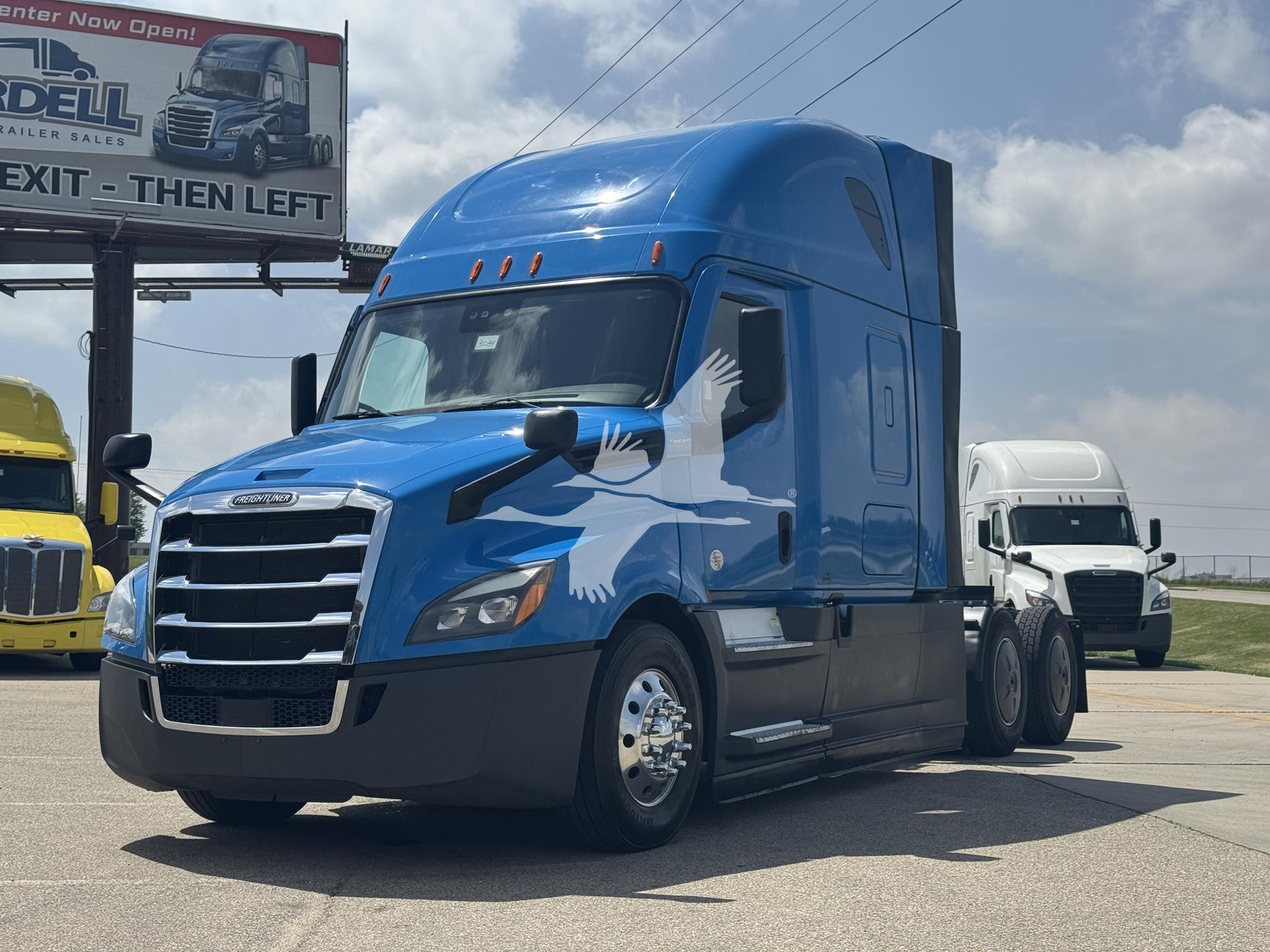
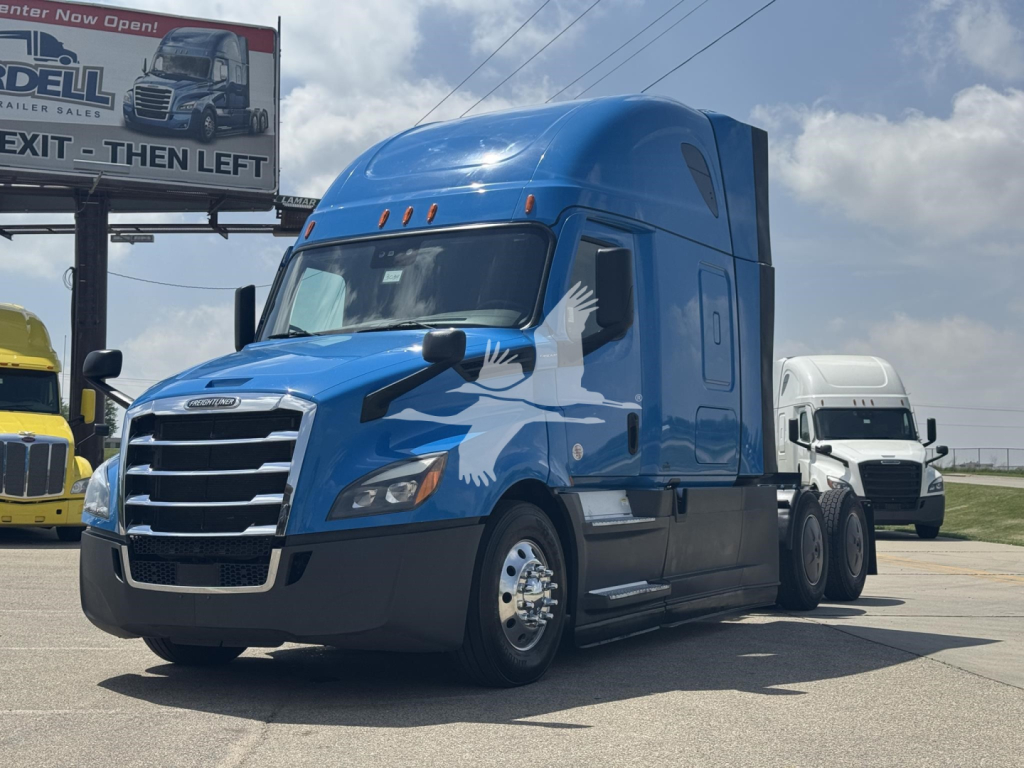
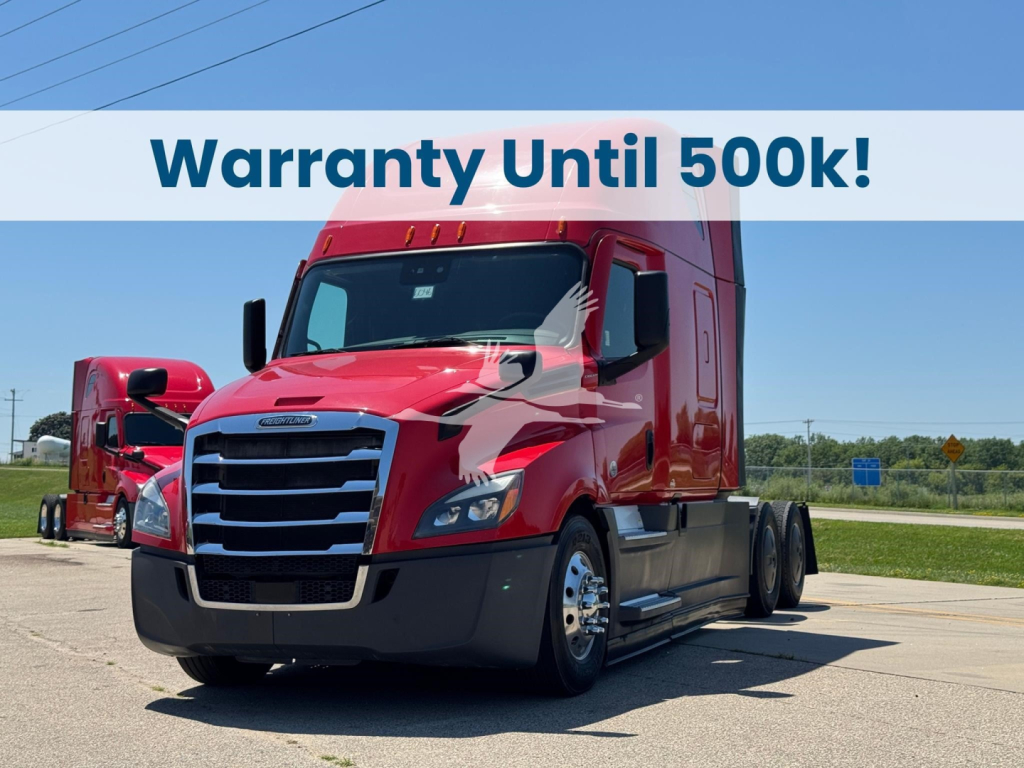
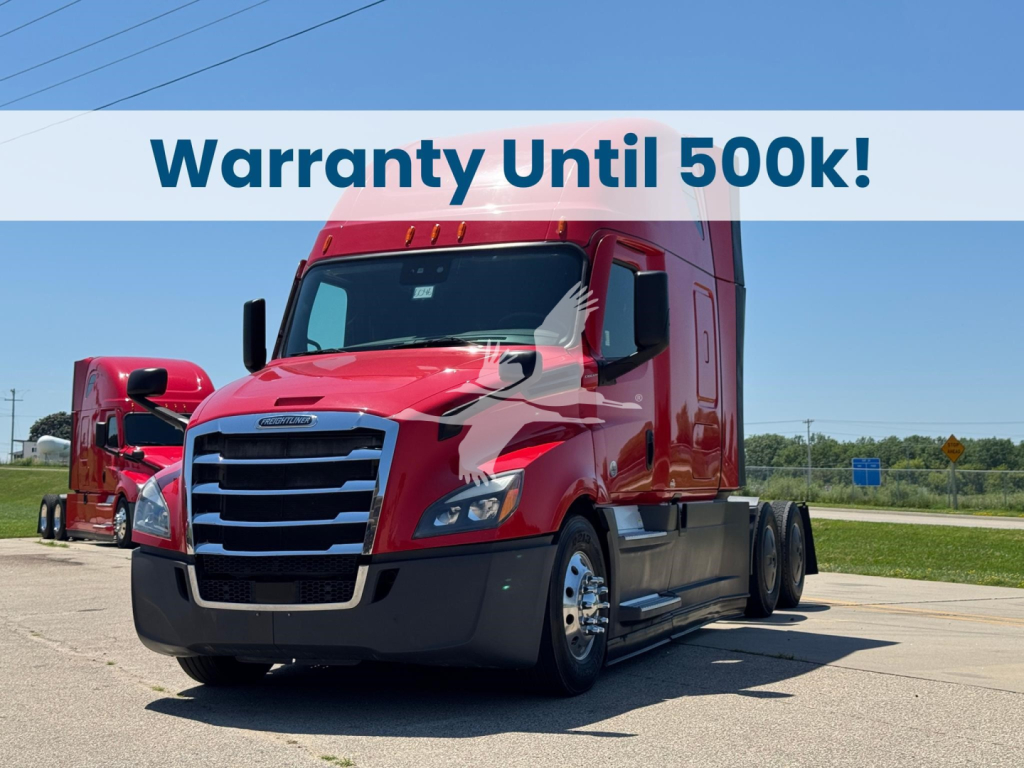
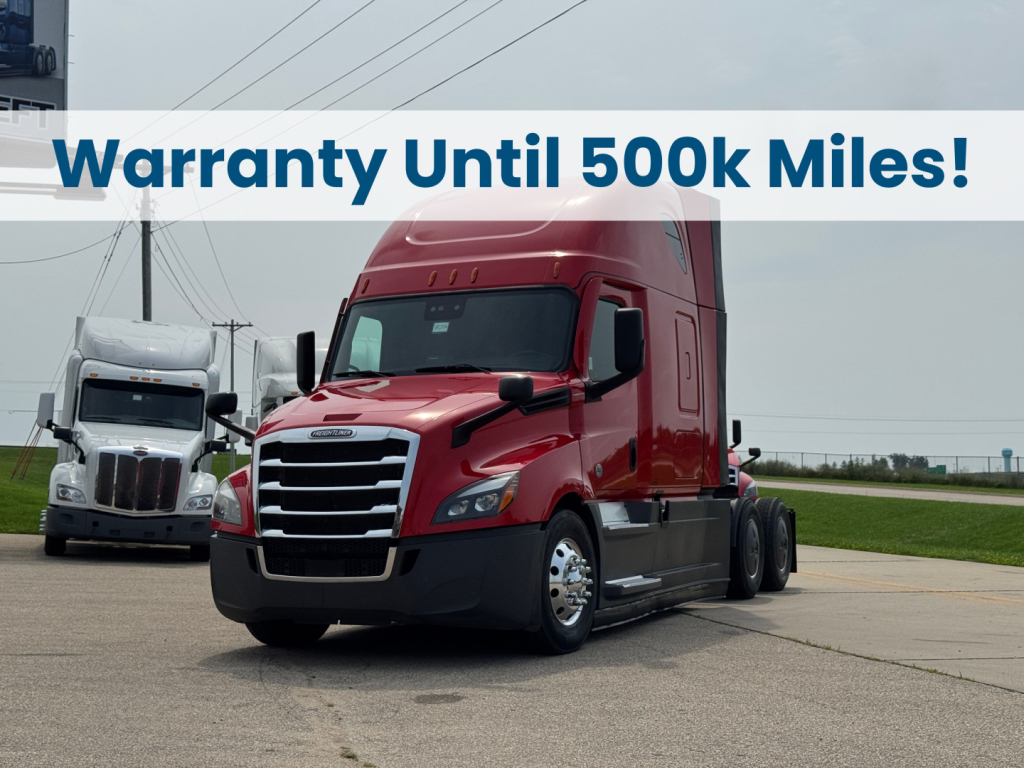

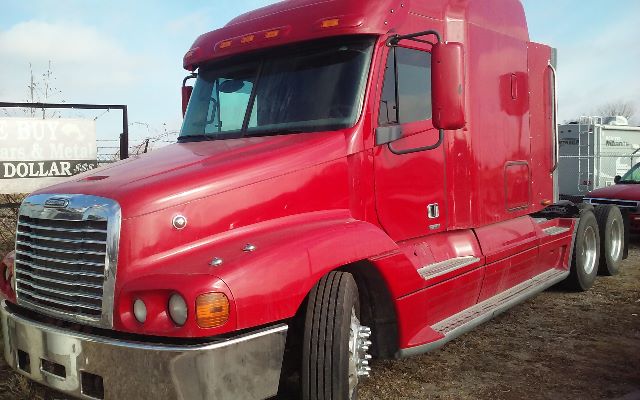
2022 Freightliner Cascadia 126
584,512 mi
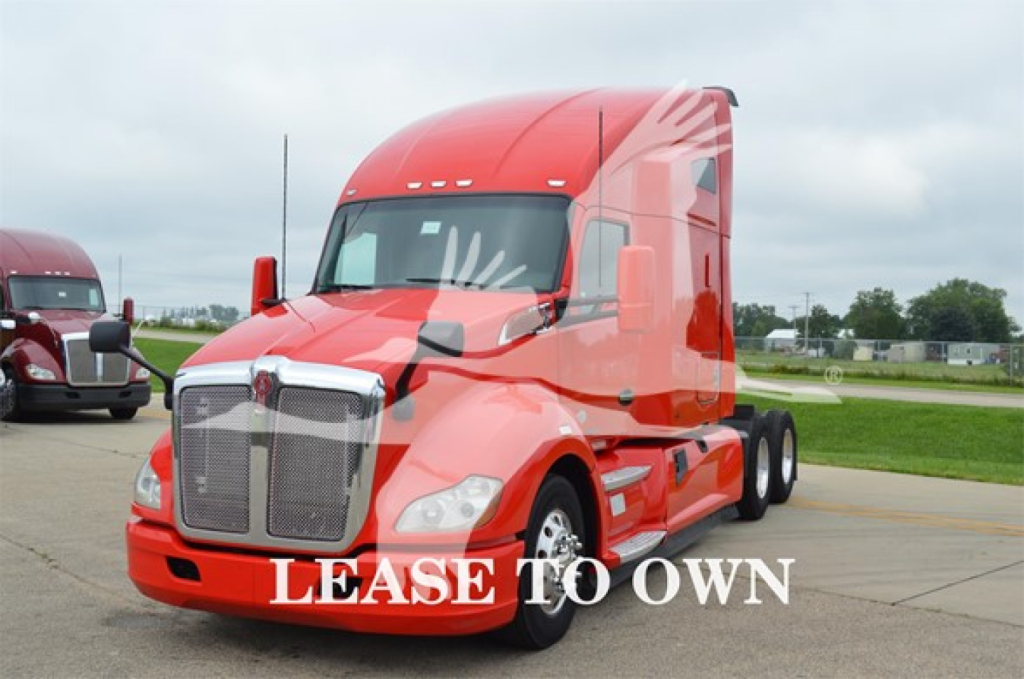
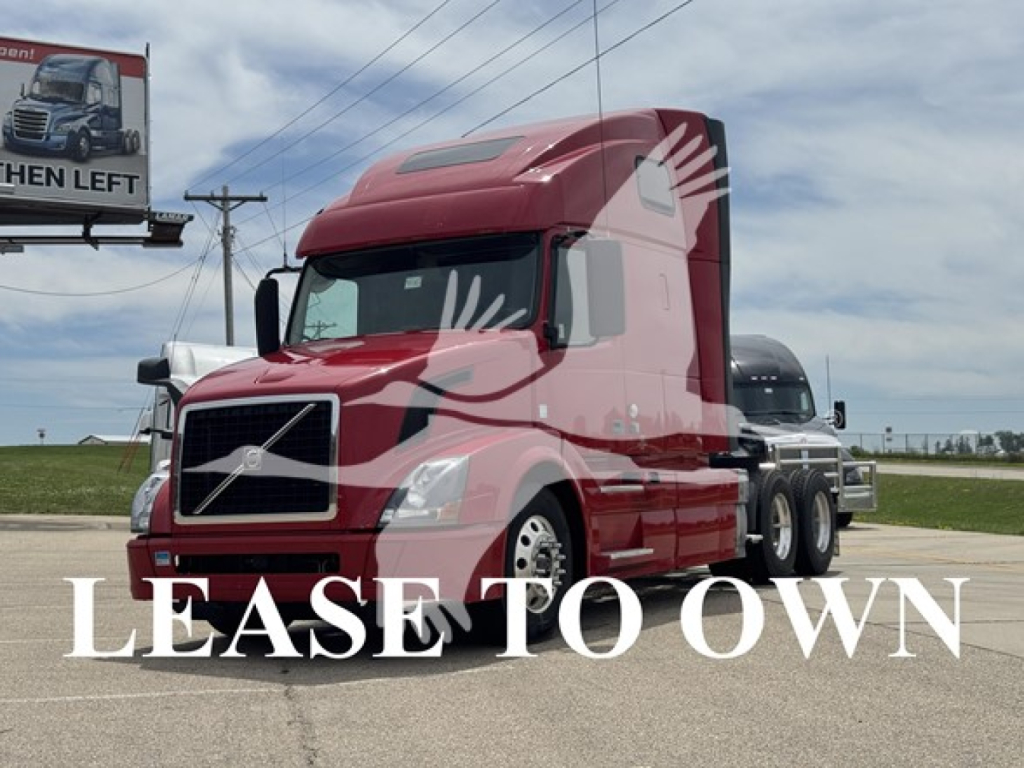
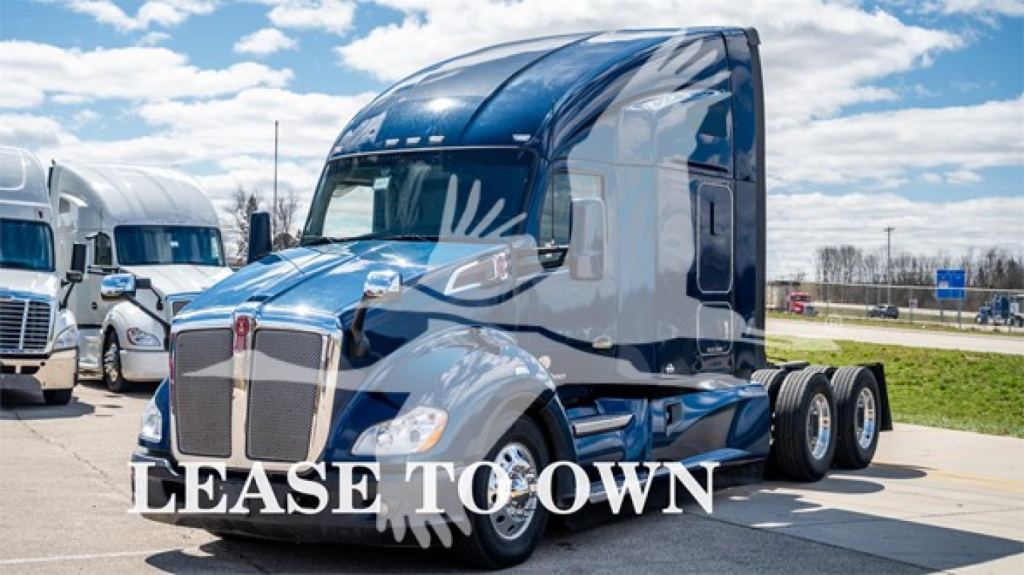
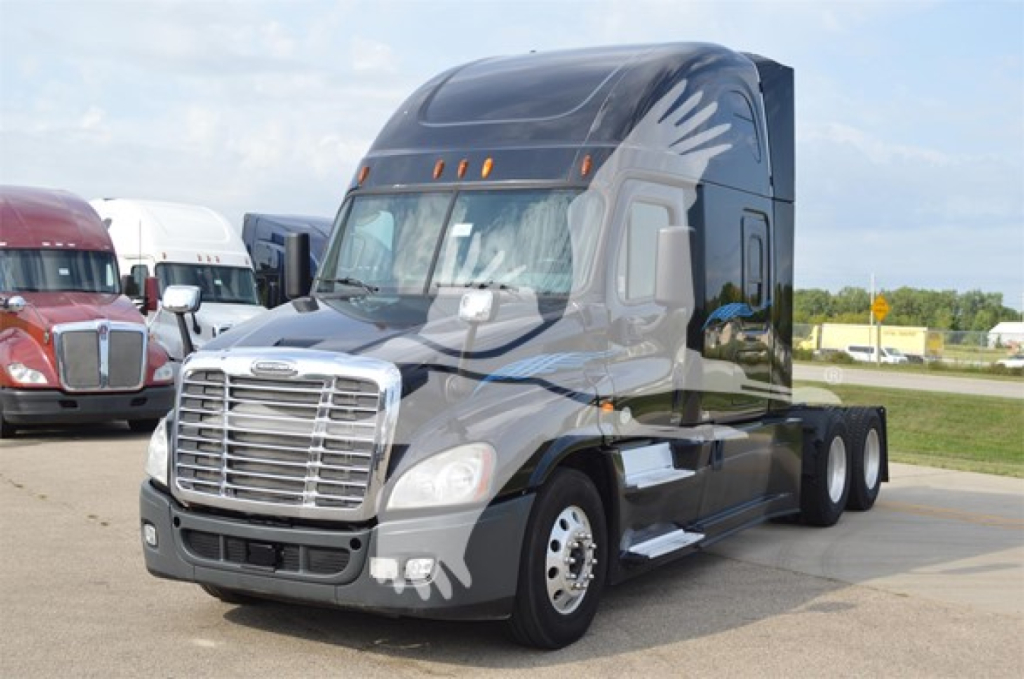

Showing 29 to 52 of 52 results
Have conventional sleeper truck to sell? List it here to reach thousands of buyers.
Conventional Sleeper Trucks in Iowa
A conventional sleeper can be spec'd for dry van, reefer, flatbed, hopper, or dedicated contract freight, so drivetrain matters. Common engines range from mid-400 hp ratings into the 500 hp class, often paired with 10-speed, 12-speed, 13-speed, 18-speed, or automated manual transmissions. Rear axle ratios such as 3.25, 3.36, 3.55, and 3.70 help determine cruise RPM, startability, and how well the truck handles hills or heavy gross weights. Wheelbase is another key decision. A shorter wheelbase can be easier around tight docks and yards, while a longer wheelbase may improve ride quality and accommodate larger sleepers, more fuel capacity, or additional fairings and accessories.
Sleeper configuration is what separates these trucks from a day cab. Condo, mid-roof, and raised-roof sleepers can include a bunk, storage cabinets, refrigerator space, auxiliary HVAC, inverter systems, and idle-reduction equipment. For fleets and owner-operators running through the Midwest, cold-weather starting systems, bunk heaters, and strong HVAC performance are worth close attention. Buyers also tend to look at suspension type, front axle rating, tandem capacity, brake spec, and tire size because those items affect both maintenance cost and how well the truck matches the trailer and freight being pulled.
On used conventional sleeper trucks, condition is more than just mileage. Maintenance records, engine family, emissions system history, DOT inspection status, tire condition, and signs of frame or sleeper corrosion all deserve a careful look. Pre-emissions trucks still attract interest from some buyers because of their simpler emissions profile, while newer emissions-equipped models can offer better aerodynamics, integrated powertrain controls, and updated safety systems. Also known simply as sleeper semis or sleeper tractors, conventional sleeper trucks remain the backbone of highway freight because they combine driver accommodations with the versatility to handle a wide range of lanes, trailers, and operating costs.
Frequently Asked Questions about Conventional Sleeper Trucks in Iowa
What is a conventional sleeper truck?
A conventional sleeper truck is a highway tractor with a hood-forward engine layout and an integrated sleeping compartment behind the cab. It is designed for long-haul or multi-day runs where the driver needs rest space, storage, and better living accommodations than a day cab provides. This design is the most common setup for over-the-road freight because it combines service access, road stability, and broad compatibility with van, reefer, flatbed, and other trailer types.
What sleeper size should I look for in a conventional truck?
The right sleeper size depends on length of haul, driver preferences, and available wheelbase. A smaller mid-roof sleeper can work well for regional freight or teams that prioritize maneuverability and lower weight, while a raised-roof or condo sleeper offers more standing room, storage, and room for amenities on longer runs. The tradeoff is usually added weight, a longer chassis, and sometimes less flexibility in tight yards or customer locations.
How do horsepower and axle ratio affect a conventional sleeper truck?
Horsepower and axle ratio work together to determine how the truck performs under load and at cruise speed. Higher horsepower can improve pulling power and help on grades, but the axle ratio has a major effect on launch, drivability, and engine RPM at highway speed. A faster ratio can support lower RPM and better fuel economy on flat interstate lanes, while a deeper ratio can improve startability and performance in heavier or more demanding applications.
Are pre-emissions conventional sleeper trucks still desirable?
Pre-emissions conventional sleeper trucks remain desirable to some buyers because they have a simpler engine and aftertreatment setup, which can reduce certain maintenance concerns. That said, condition and prior care are still critical, especially on older units with higher miles. Newer emissions-equipped trucks may deliver better fuel economy, quieter operation, improved aerodynamics, and more modern diagnostic and safety features, so the best choice depends on your maintenance philosophy and operating model.
What should I inspect on a used conventional sleeper truck before buying?
A serious inspection should include engine blow-by, fault codes, transmission operation, suspension wear, brake condition, tire wear patterns, frame integrity, and signs of leaks or corrosion around the cab and sleeper. Buyers should also review maintenance records, ECM data when available, emissions repairs, and DOT inspection history. The sleeper itself deserves attention too, including HVAC function, bunk condition, seals, storage hardware, and any evidence of water intrusion.