
2018 Conventional Sleeper Trucks For Sale in Iowa
Shop 2018 conventional sleeper trucks in Iowa. Compare aero highway sleepers, engine options, bunk layouts, and fleet-ready long-haul specs.
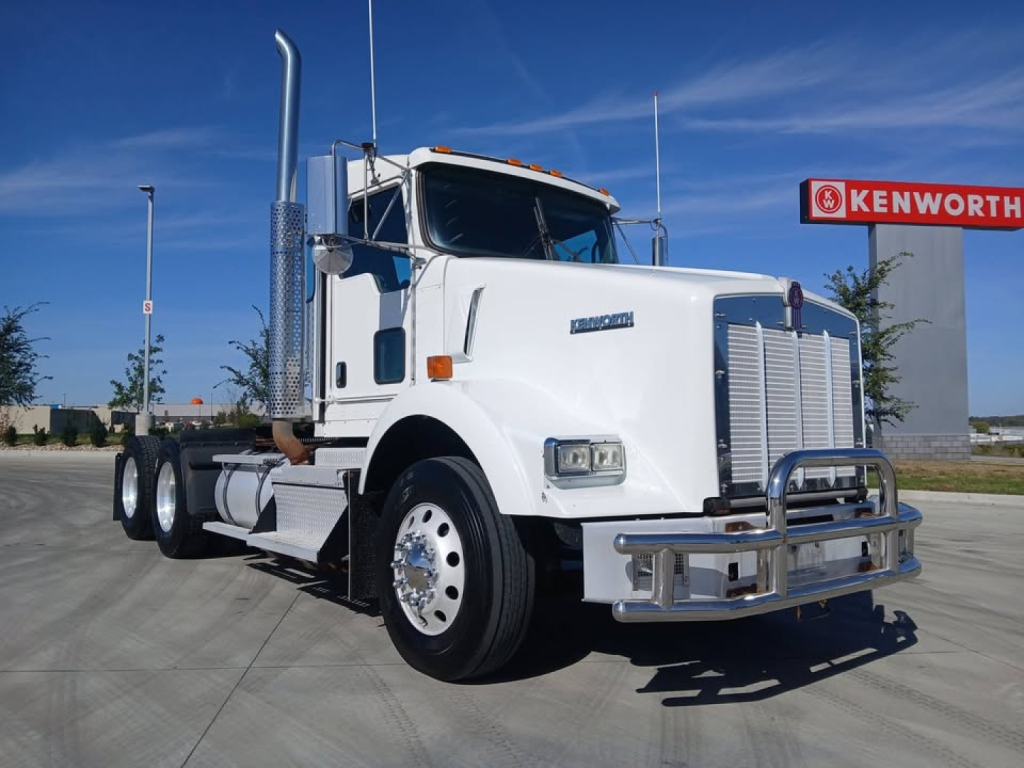
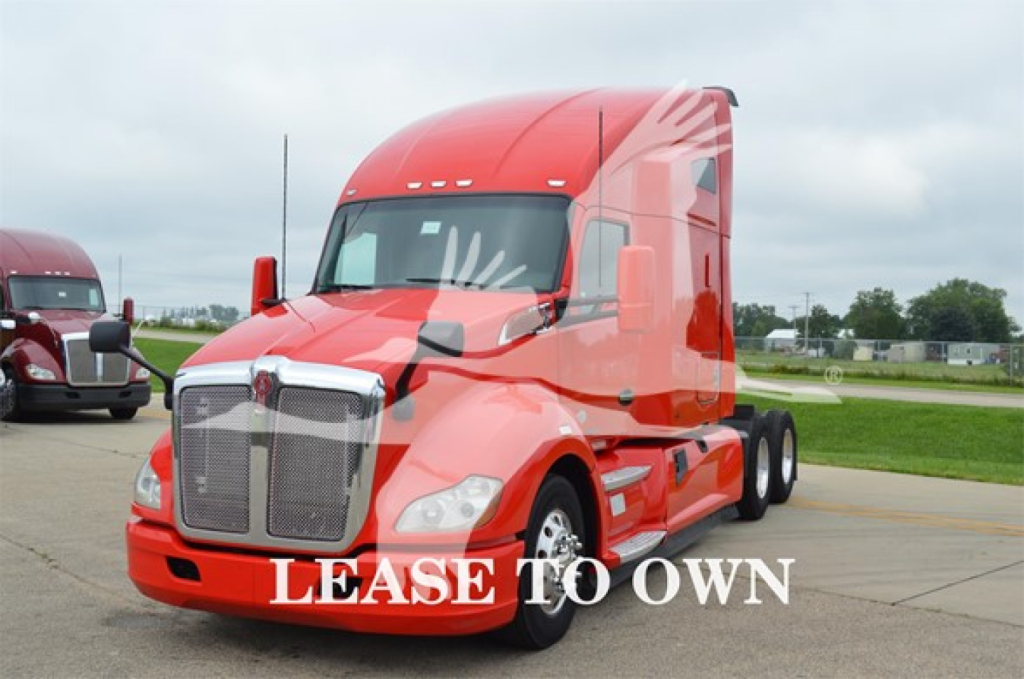
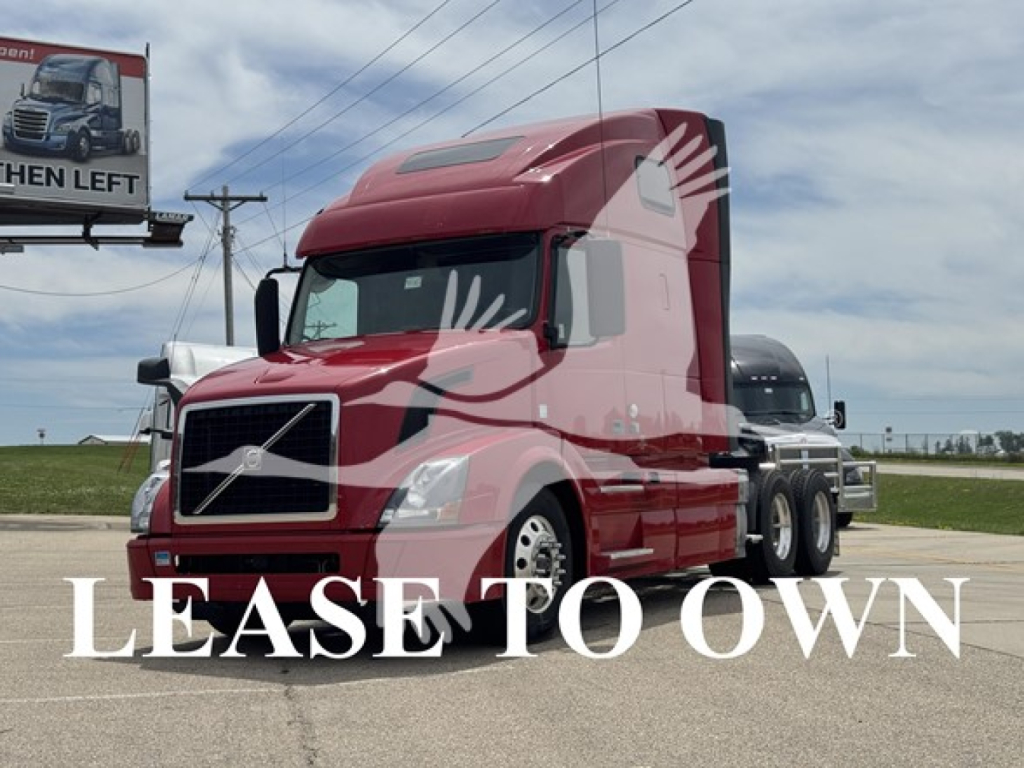
Selling a 2018 conventional sleeper truck? List your 2018 conventional sleeper truck for sale and reach thousands of commercial buyers.
2018 Conventional Sleeper Trucks in Iowa
The big buying decisions usually come down to engine, transmission, sleeper layout, and rear axle ratio. For 2018 models, expect to see Detroit DD15, Cummins X15, Volvo D13, and PACCAR MX-series engines, often paired with automated manual transmissions that reduce driver fatigue and help with fuel efficiency. Manual transmissions still appear in some fleets and owner-operator specs, but AMTs dominate this year range. Rear ratios in the high 2s to low 3s are common on fuel-mileage spec trucks, especially for interstate work across Iowa and the Midwest. Pay attention to wheelbase, fuel capacity, and bunk configuration because a double bunk, fridge, inverter, diesel-fired heater, or APU can make a major difference for team operations or extended time on the road.
For Iowa buyers, application matters as much as badge preference. A 2018 conventional sleeper can be a strong fit for reefer, dry van, and general freight lanes running I-80, I-35, and surrounding Midwest corridors. If the truck will spend most of its time on flatter highway routes, an aero spec with a downsped drivetrain can lower fuel cost. If it will pull heavier loads or see more stop-and-go regional work, look closer at horsepower, torque rating, transmission calibration, and axle ratio. Safety and driver-assist features also became more common by 2018, including collision mitigation, lane departure warning, disc brakes on some specs, and steering wheel controls that improve day-to-day usability.
Condition and compliance deserve a careful review in this category. By 2018, aftertreatment systems were mature, but buyers should still evaluate DPF history, SCR performance, fault-code records, and any signs of emissions tampering. Deleted trucks can create compliance, resale, and registration problems depending on use and jurisdiction. It is also smart to inspect sleeper HVAC operation, bunk restraints, inverter wiring, idle-reduction equipment, and signs of excessive idle time. A well-spec'd 2018 conventional sleeper truck can still deliver solid service life, especially when maintenance records, engine hours, tire condition, brakes, and drivetrain spec all line up with the work you expect it to do.
Frequently Asked Questions about 2018 Conventional Sleeper Trucks in Iowa
What engines are common in 2018 conventional sleeper trucks?
Most 2018 conventional sleeper trucks are equipped with engines such as the Cummins X15, Detroit DD15, Volvo D13, or PACCAR MX-13. These engines are typically rated from about 400 to 500 horsepower for highway use, with torque matched to fuel economy or heavier freight applications. The best choice depends on your shop familiarity, parts support in your region, and whether the truck will be used for long-haul dry van work, reefer service, or heavier loads.
Is a 2018 conventional sleeper truck a good choice for long-haul freight?
Yes, a 2018 model year can be a practical long-haul choice because it offers modern aerodynamic design, better cab comfort than older tractors, and widespread availability of automated manual transmissions and driver-assist features. Many 2018 sleepers were spec'd with raised roofs, larger bunks, inverters, diesel bunk heaters, and high-capacity fuel tanks, which support extended over-the-road use. The key is matching the truck's sleeper size, drivetrain ratio, and maintenance history to your lane and freight profile.
What should I inspect on a used 2018 sleeper tractor before buying?
Focus on aftertreatment health, fault-code history, engine hours, transmission operation, and signs of prior emissions modifications. Also inspect the sleeper systems closely, including HVAC, bunk equipment, inverter setup, auxiliary power units or fuel-fired heaters, and all interior electrical accessories. Tires, brakes, kingpins, suspension wear, and service records matter just as much as mileage because a highway tractor's total operating profile is shaped by idle time, load type, and maintenance discipline.
Are automated manual transmissions better than manual transmissions in this category?
For most fleets and many owner-operators, an automated manual transmission is the more practical choice in a 2018 conventional sleeper truck. AMTs improve driver comfort, reduce missed shifts, and are commonly paired with fuel-efficient downsped drivetrains. A manual transmission can still appeal to buyers who want more direct control or have drivers who prefer it, but resale demand in this year range generally favors AMT-equipped highway sleepers.
Why does axle ratio matter on a 2018 conventional sleeper truck?
Axle ratio affects cruise RPM, gradeability, startability, and fuel economy. A lower numerical ratio such as 2.64 or 2.85 is common on fuel-mileage spec highway trucks and works well on flatter interstate routes. A higher numerical ratio may be better if the truck pulls heavier loads, runs more secondary roads, or sees frequent starts and stops. The right ratio should be considered together with engine torque, tire size, and transmission gearing.