
2023 Conventional Sleeper Trucks For Sale in Iowa
Browse 2023 conventional sleeper trucks in Iowa with aerodynamic specs, modern safety tech, efficient powertrains, and long-haul comfort.
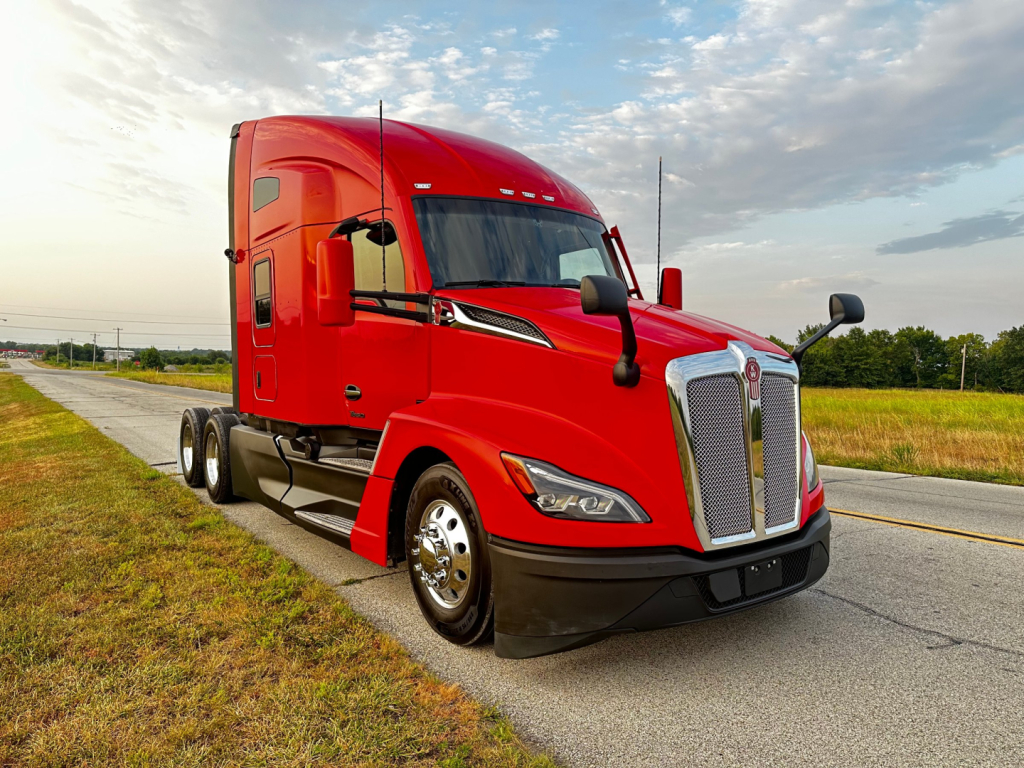
2023 Kenworth T680
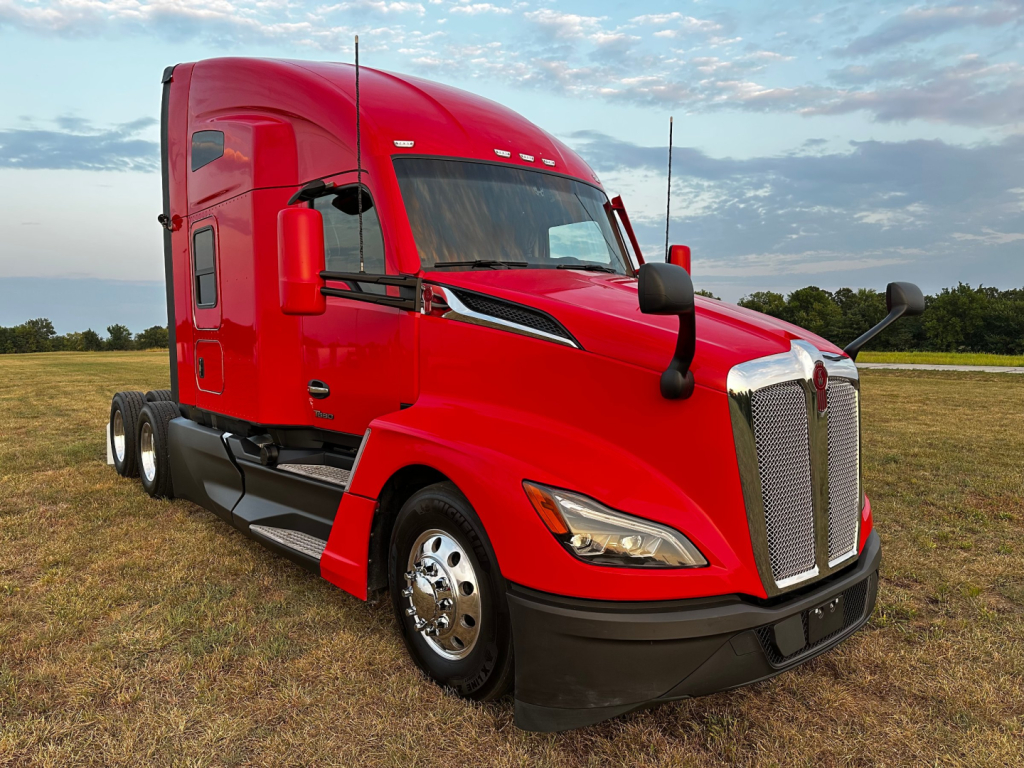
2023 Kenworth T680
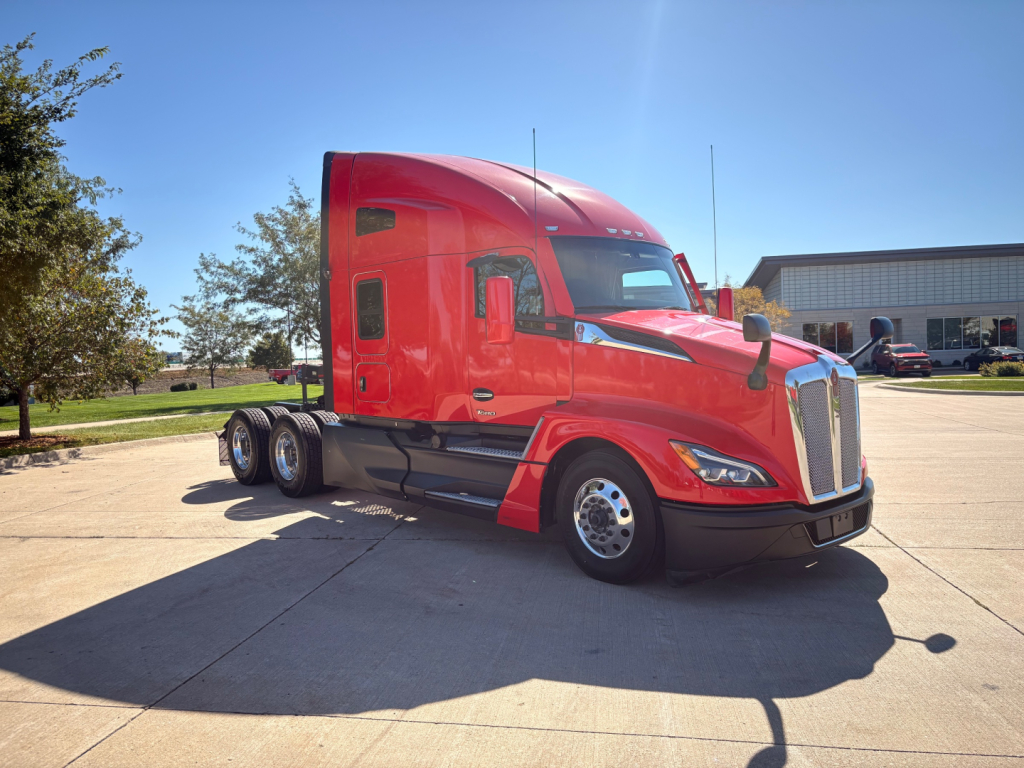
2023 Kenworth T680
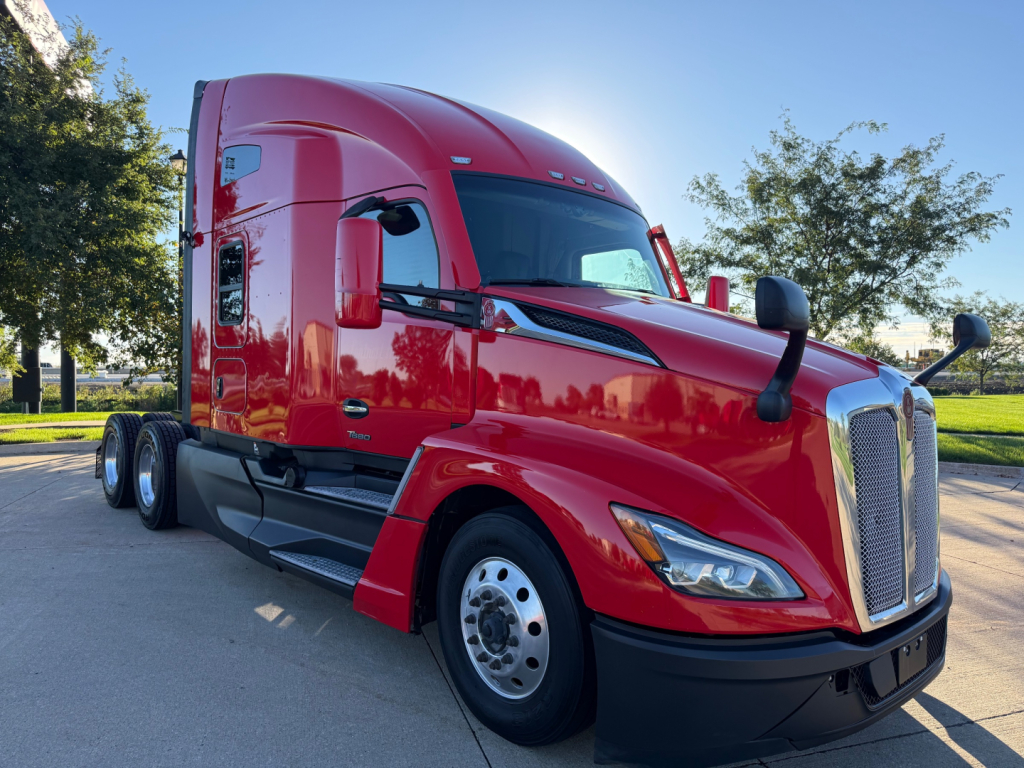
2023 Kenworth T680
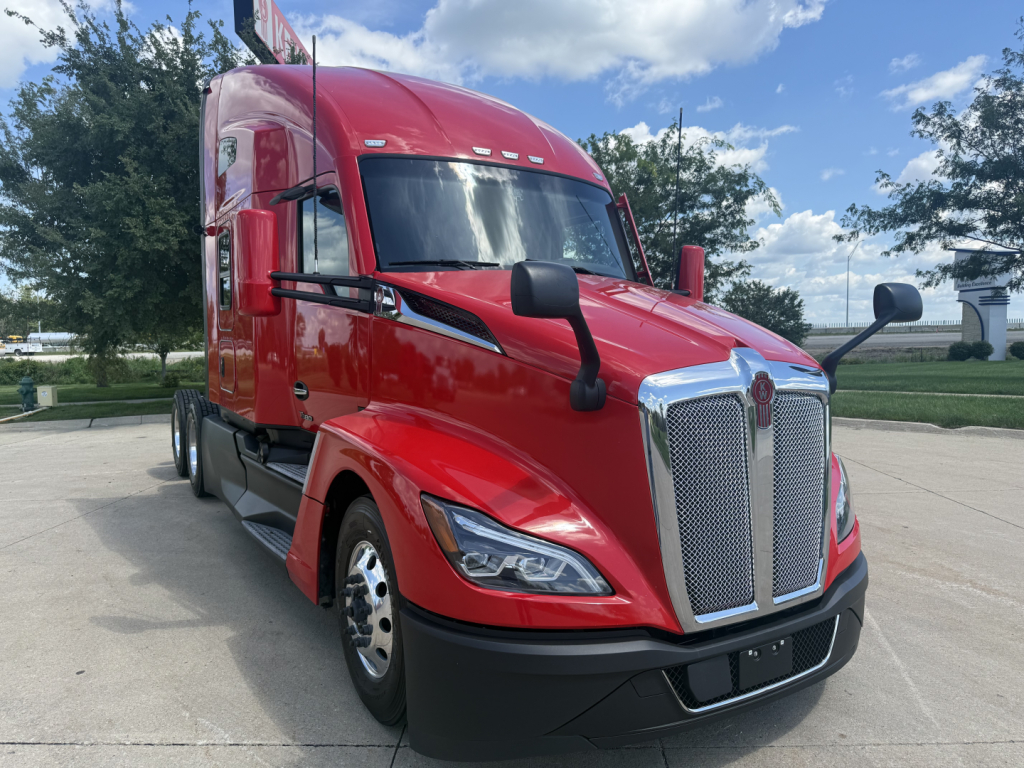
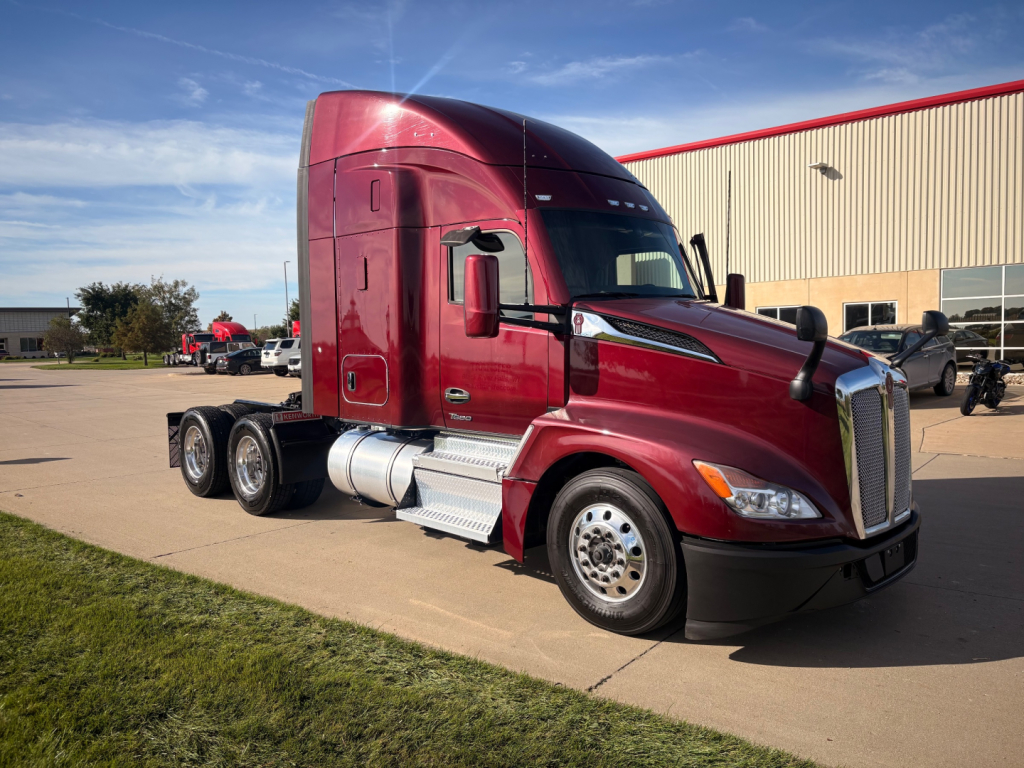
2023 Kenworth T680
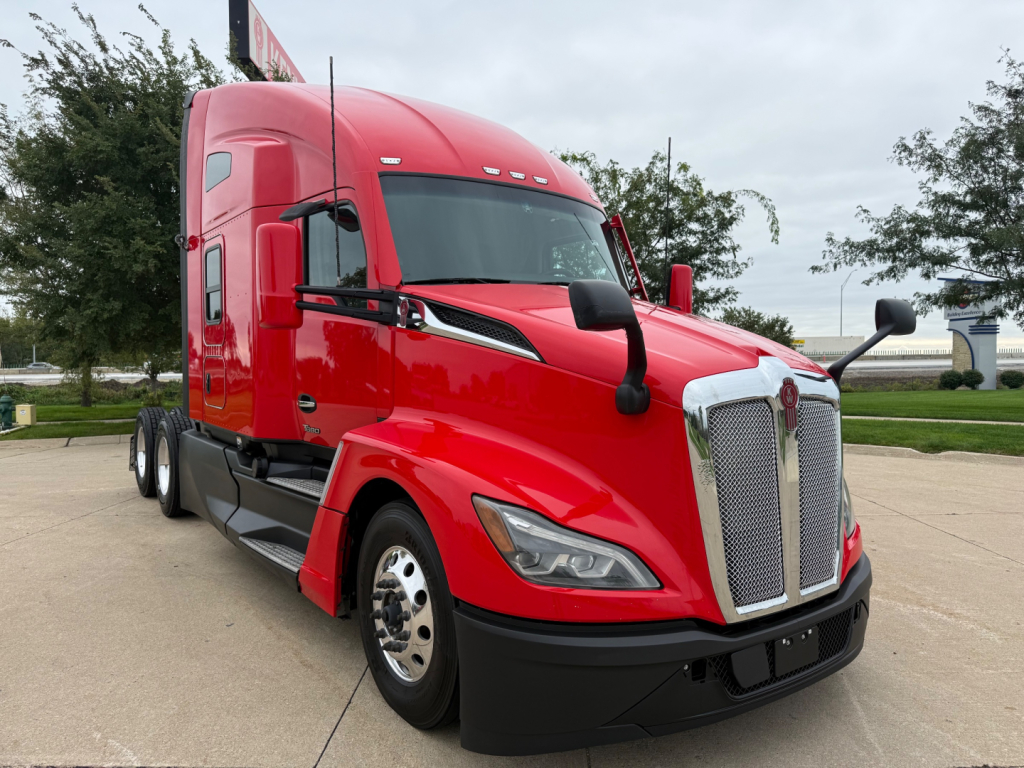
2023 Kenworth T680
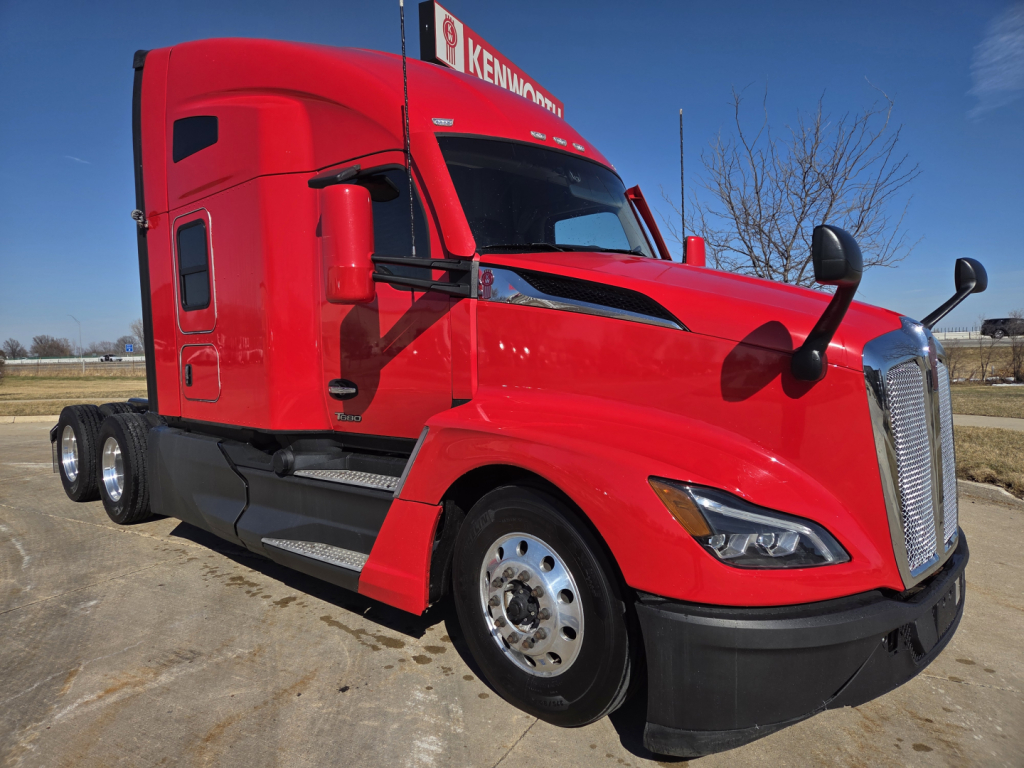
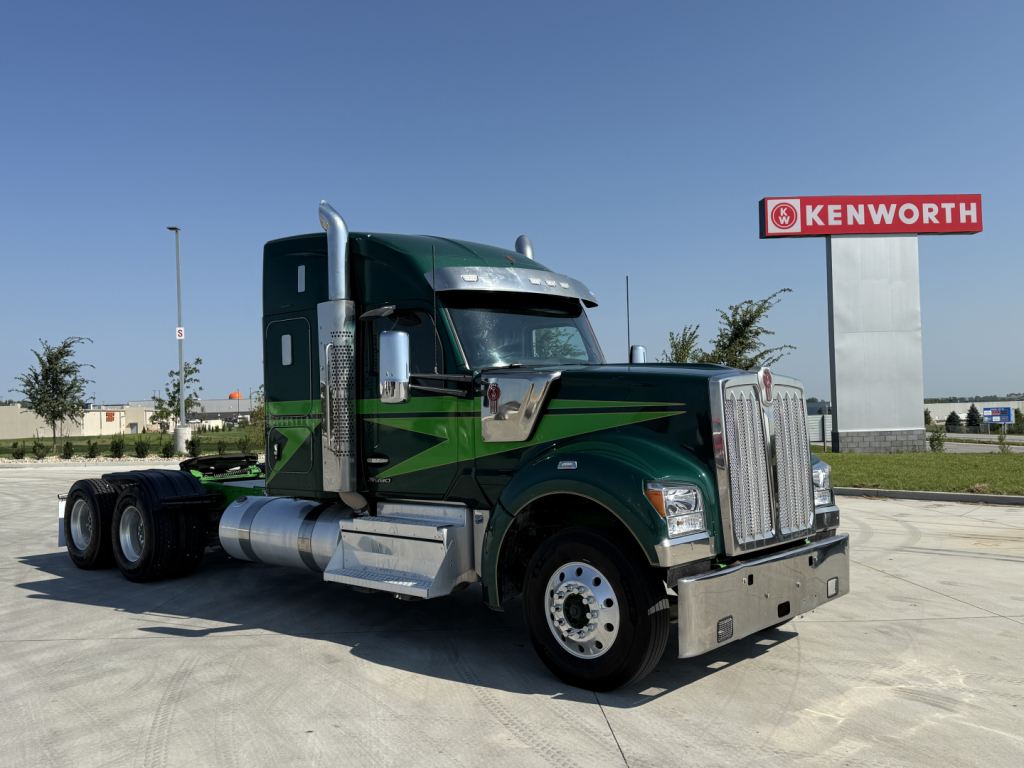
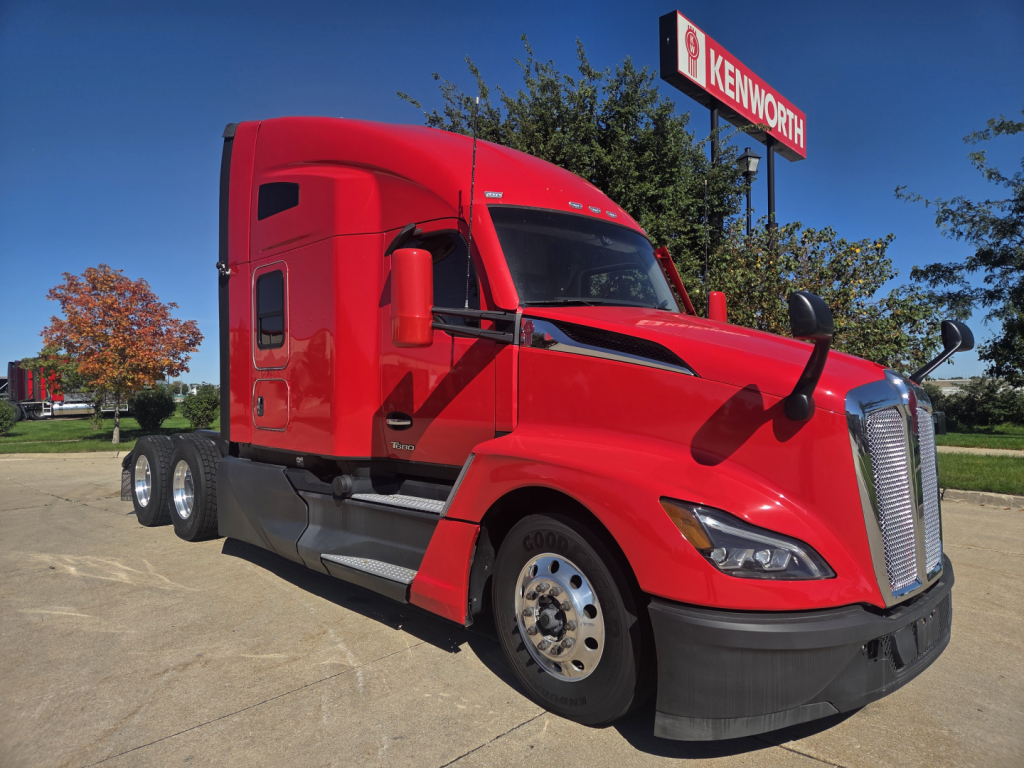
2023 Kenworth T680
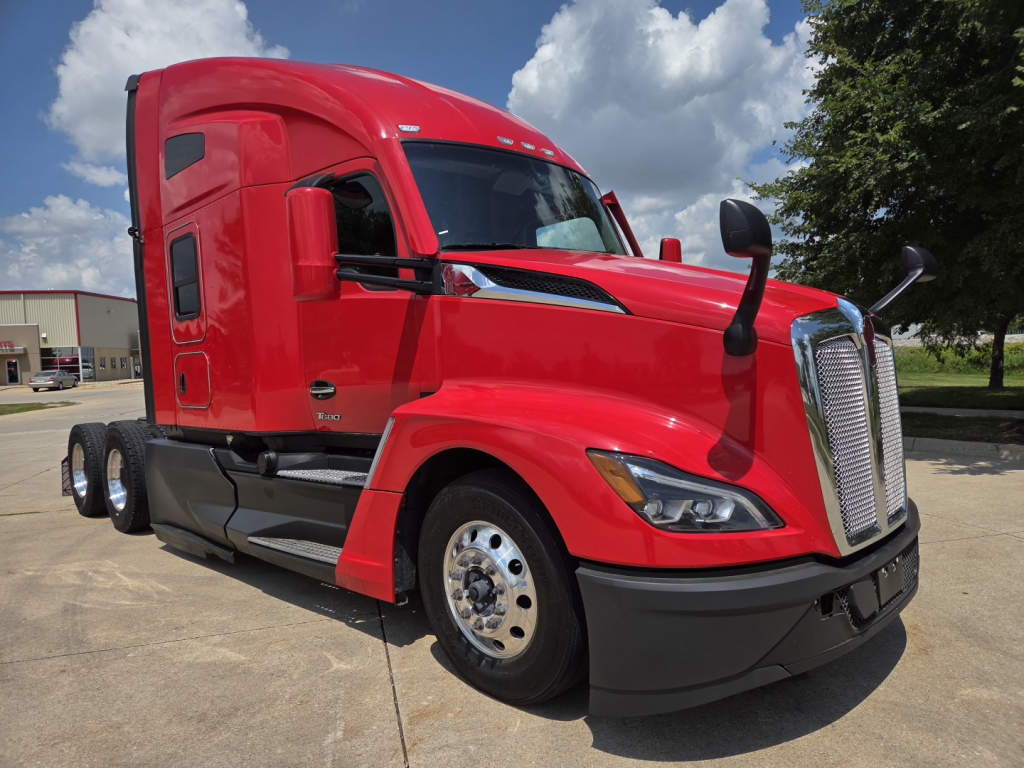
2023 Kenworth T680
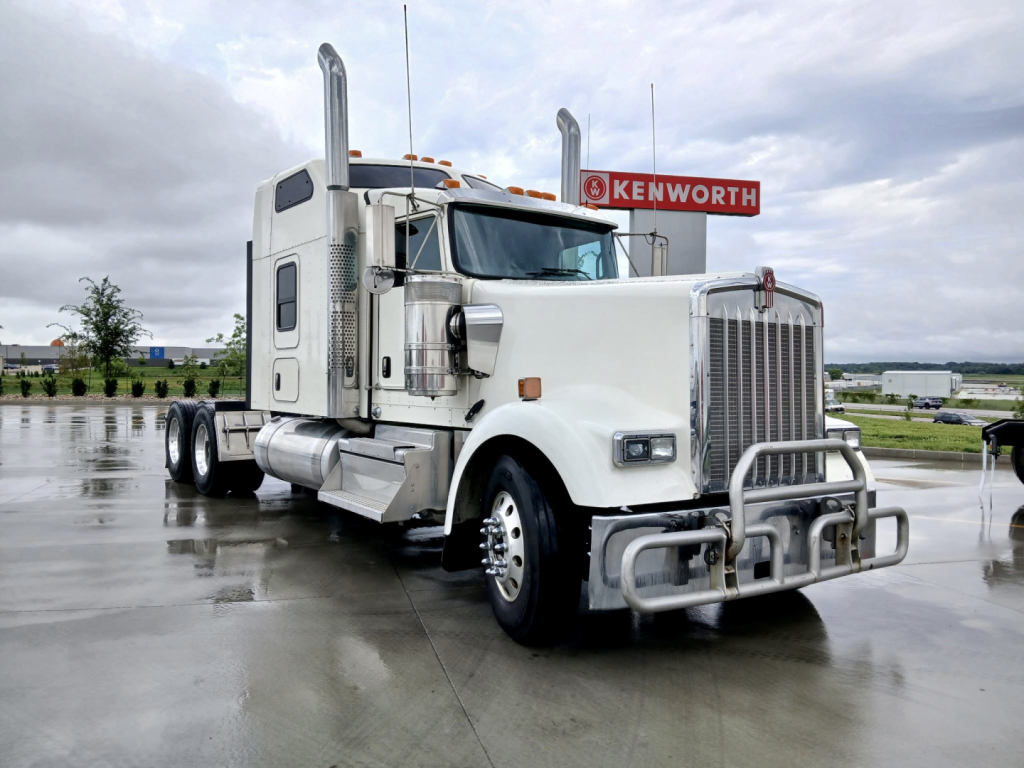
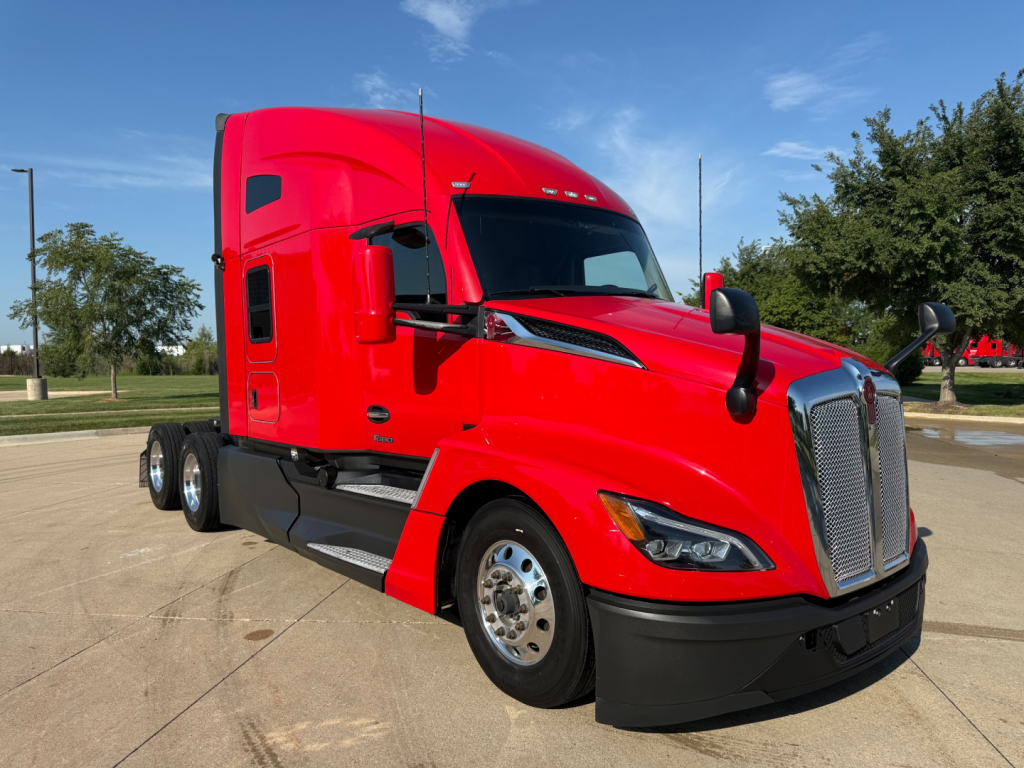
2023 Kenworth T680
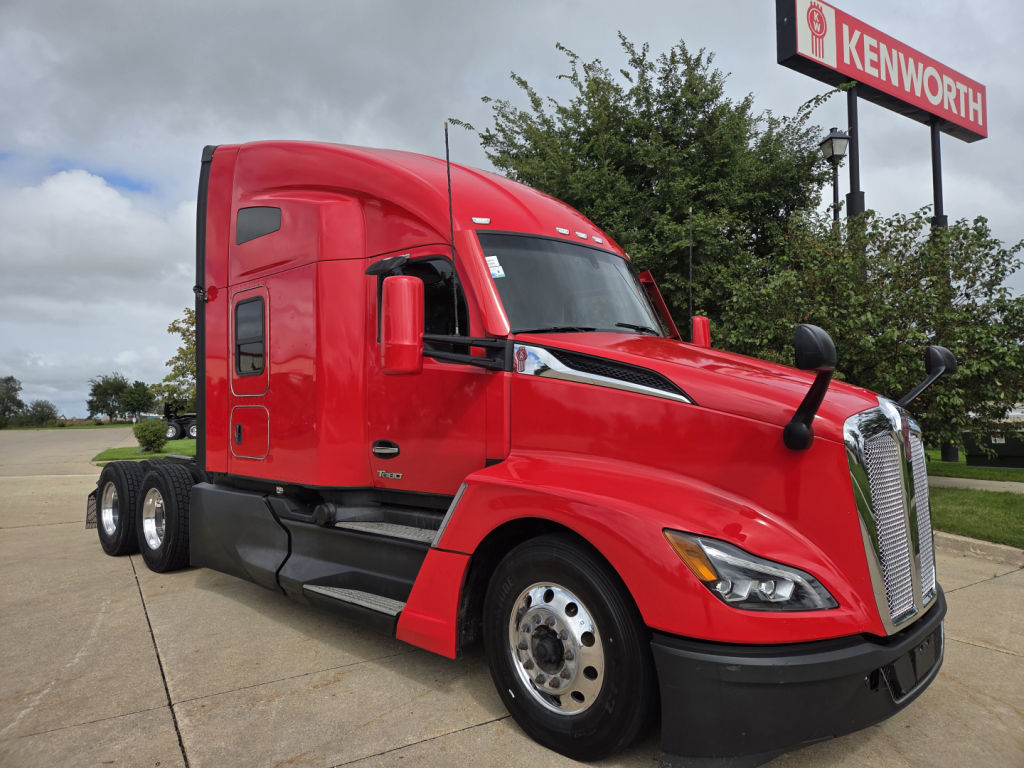
2023 Kenworth T680
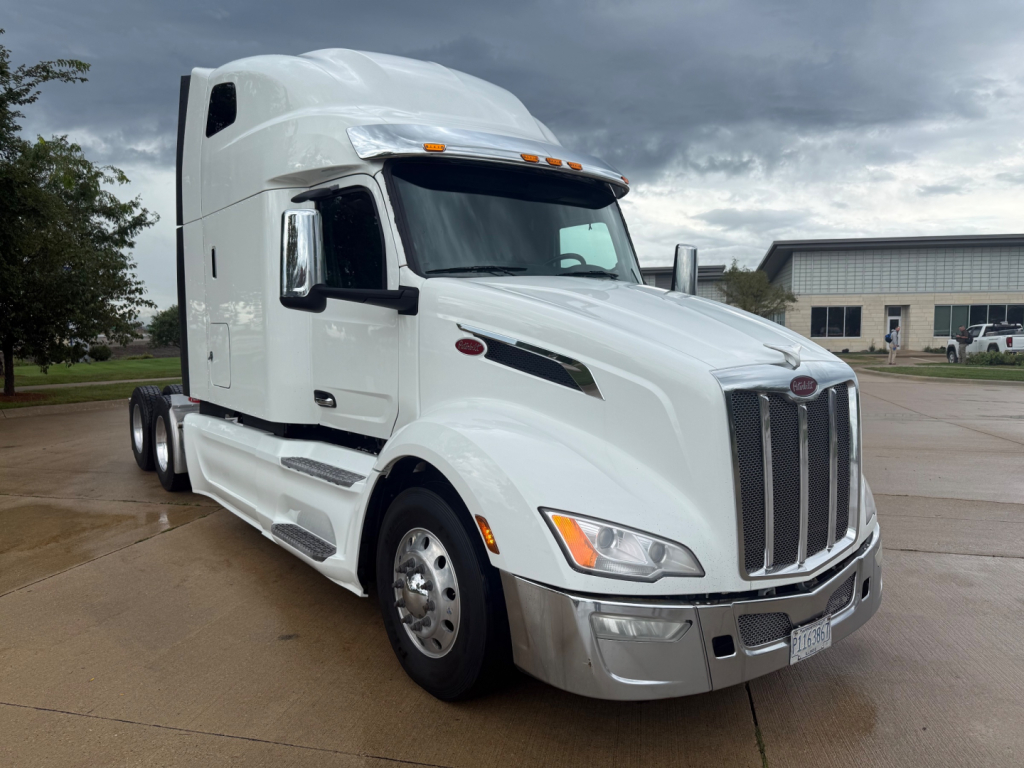
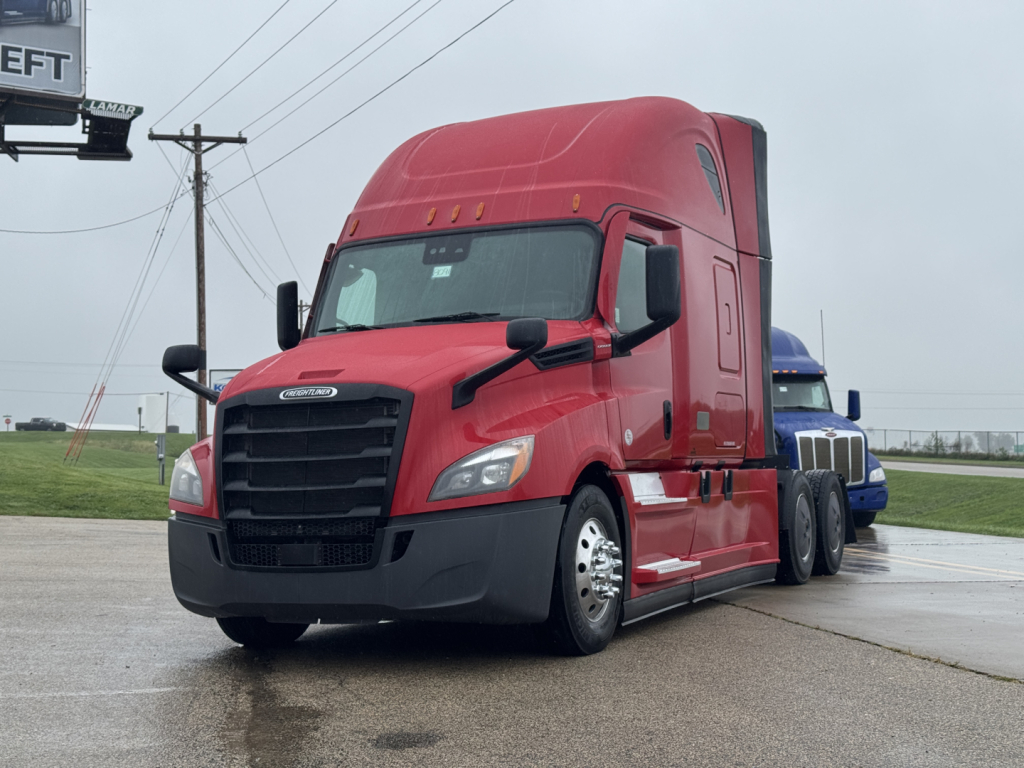

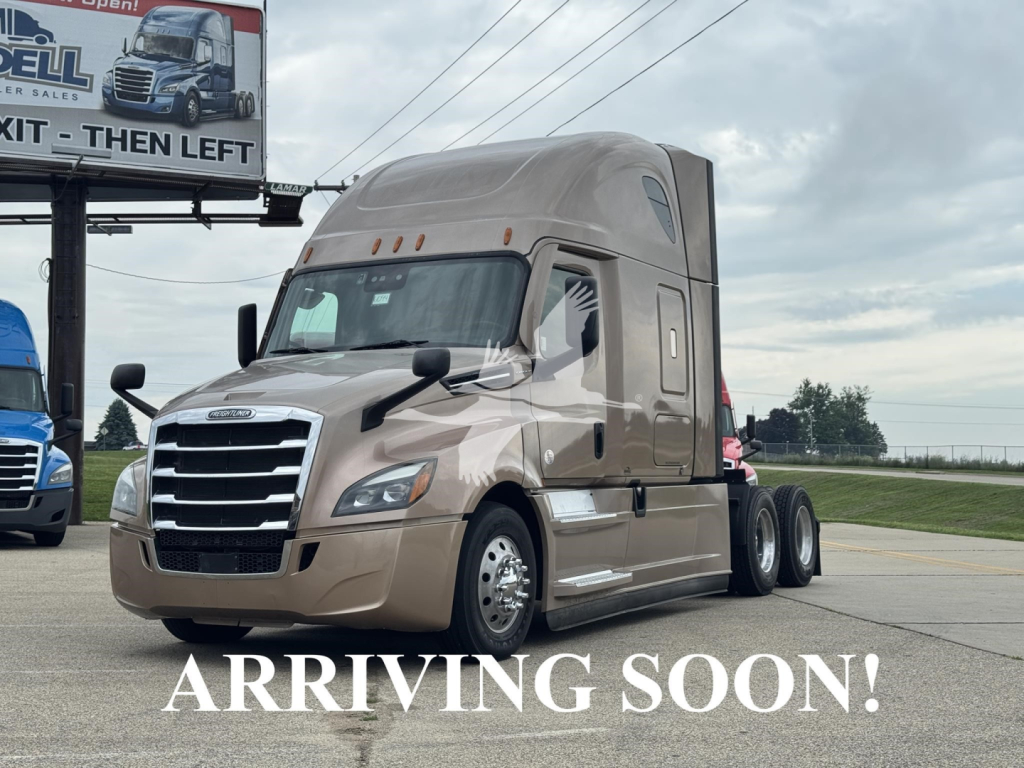
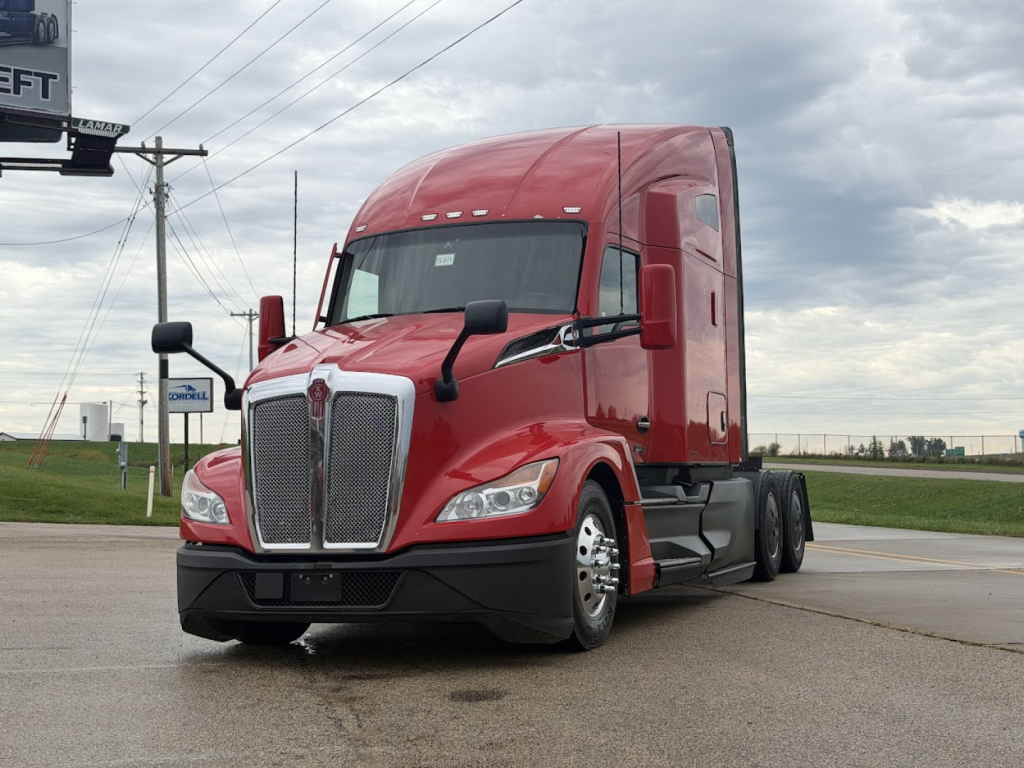
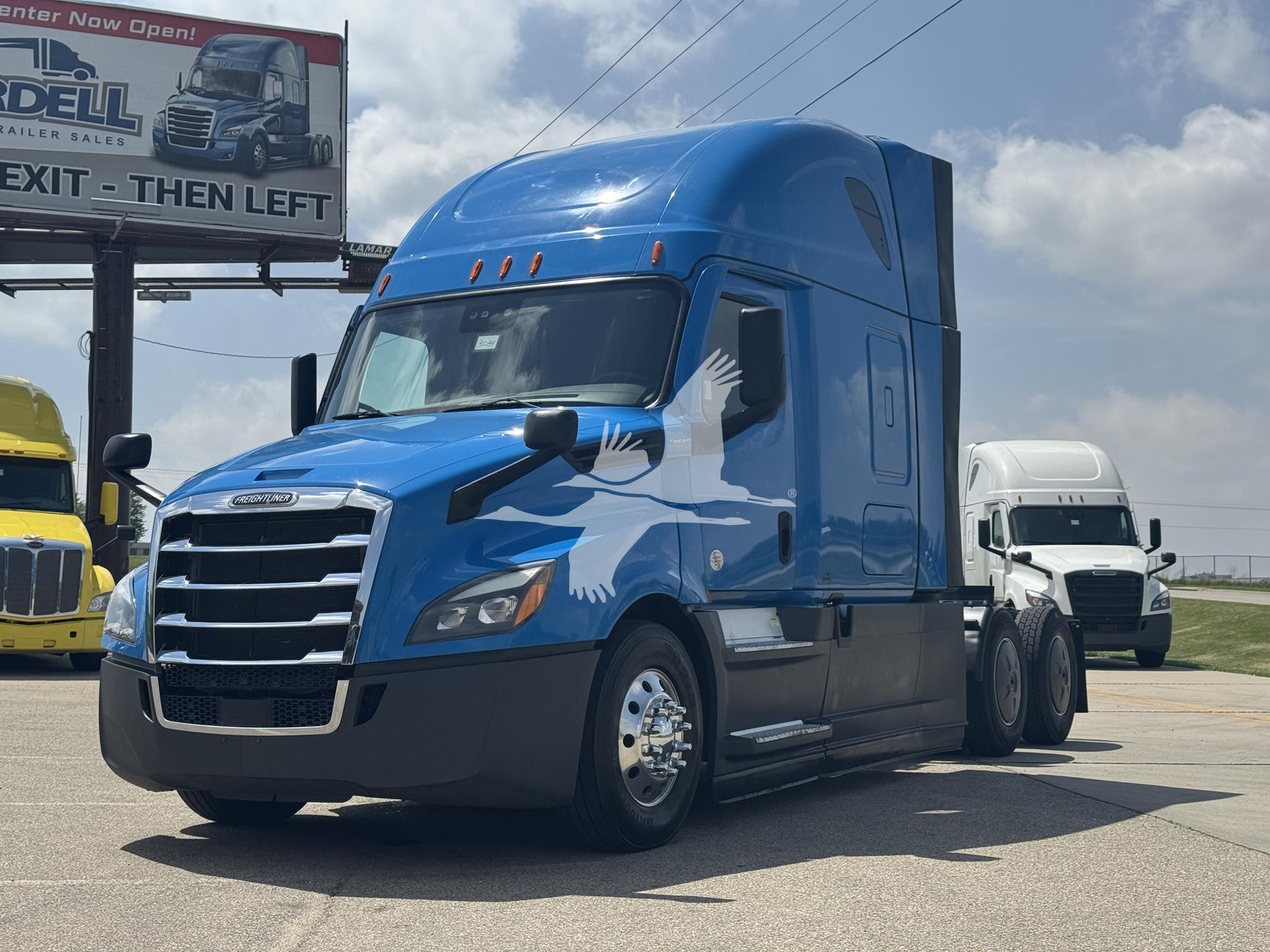
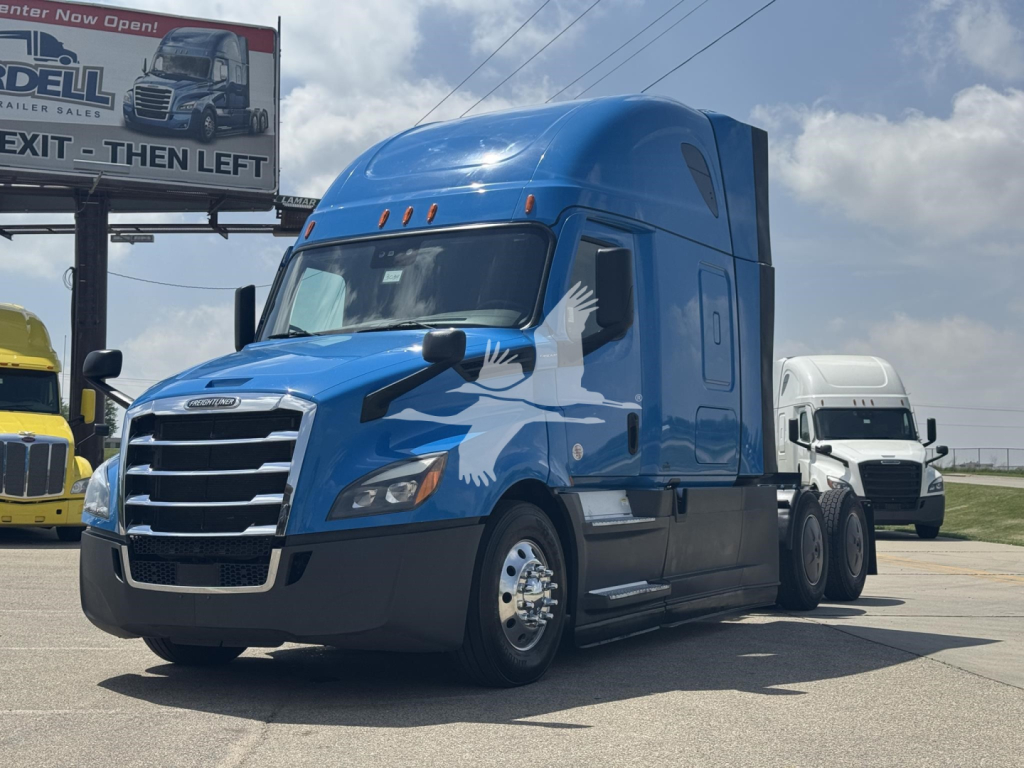
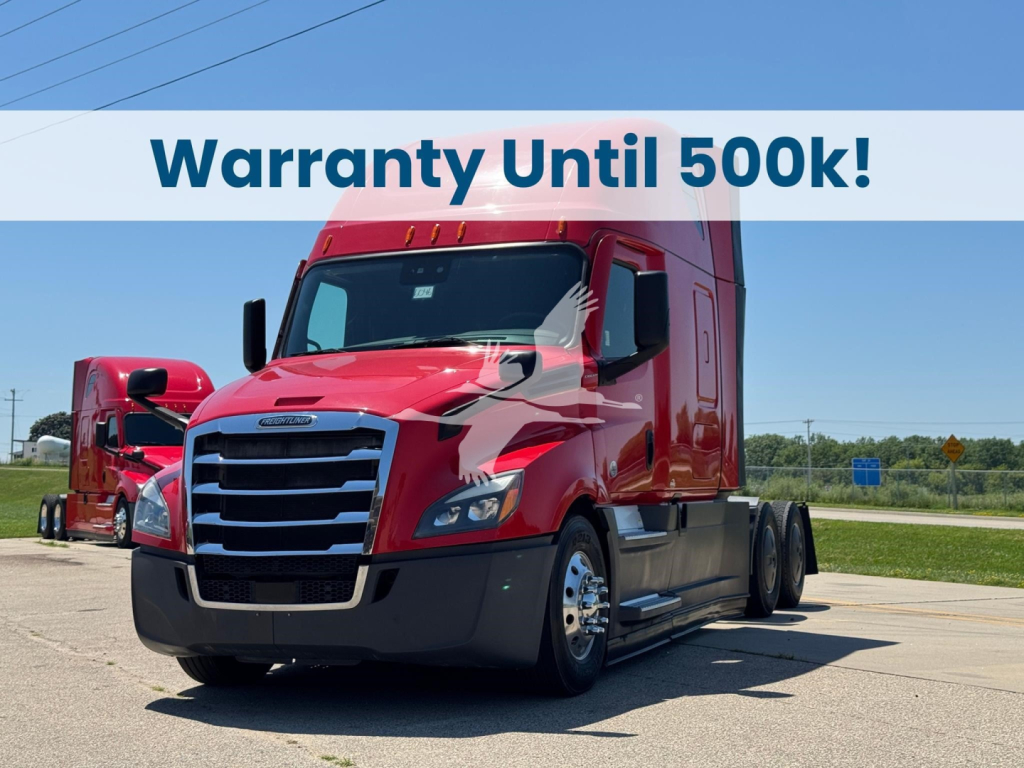
Selling a 2023 conventional sleeper truck? List your 2023 conventional sleeper truck for sale and reach thousands of commercial buyers.
2023 Conventional Sleeper Trucks in Iowa
Powertrain decisions are usually the first place to narrow the field. In this model year, common engines include the Cummins X15, Detroit DD15, PACCAR MX-13, and Volvo D13, generally rated around 400 to 455 horsepower for linehaul use. Most 2023 conventional sleepers are spec'd with automated manual transmissions, often 12-speed, paired with fuel-efficient rear axle ratios such as 2.47 to 2.64. That combination is aimed at lower cruise rpm and better fuel burn on interstate lanes. Fuel capacity often falls in the 180 to 240 gallon range with dual tanks common, and buyers should compare wheelbase, fifth wheel setting, and sleeper length to make sure the truck fits both freight and state bridge laws.
Cab and sleeper configuration matters more than many buyers expect. A 2023 sleeper tractor may have a mid-roof or high-roof package, single or double bunk, refrigerator prep or factory fridge, inverter, diesel-fired bunk heater, and either a battery HVAC system or an APU for anti-idle compliance and driver comfort. Safety systems are also a major part of the value equation in newer trucks. Collision mitigation, adaptive cruise control, lane departure warning, hill start assist, and disc brakes are common on late-model highway tractors and can influence insurance, driver acceptance, and resale. Interior controls, telematics integration, and steering wheel-mounted functions are also more refined in this generation than in older sleepers.
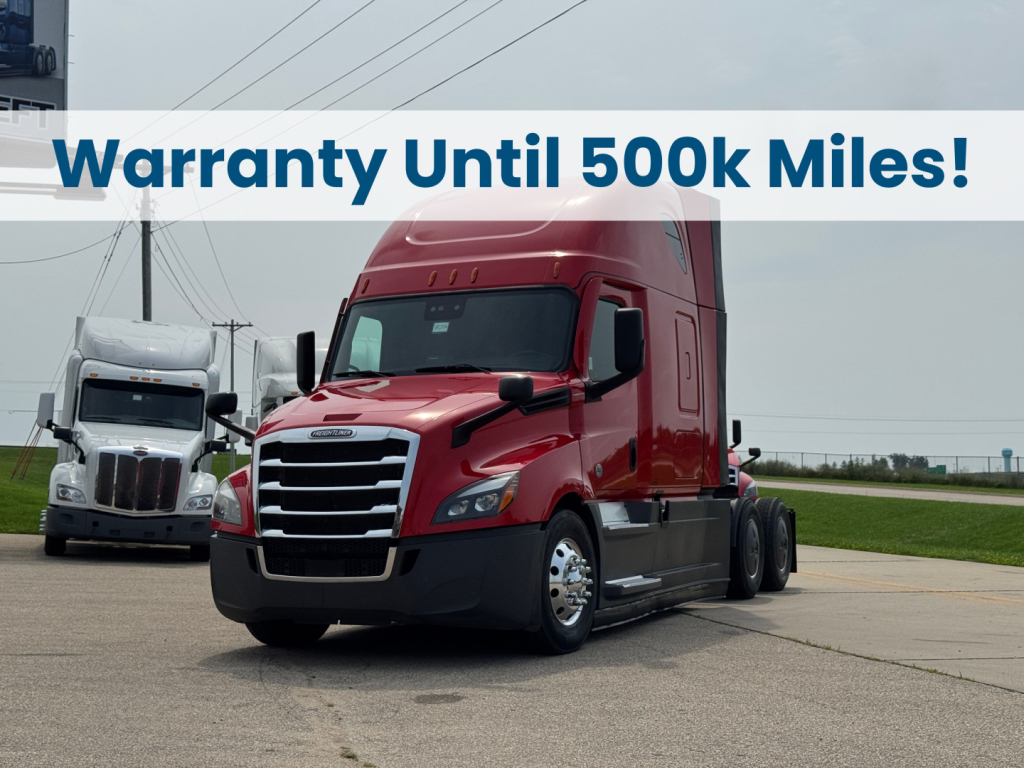
For Iowa-based operations, a 2023 conventional sleeper is a strong fit for regional and coast-to-coast lanes because it combines modern aerodynamics with practical serviceability. The best spec depends on the work. Lighter, fuel-focused builds make sense for van and reefer fleets running steady interstate miles, while heavier vocational-adjacent sleeper specs may be better for specialized flatbed or mixed-duty applications. Buyers should pay close attention to mileage, warranty status, aftertreatment history, tire and brake condition, and whether the truck has fleet-oriented options like collision systems, APUs, and dual bunks. A well-spec'd 2023 conventional sleeper can offer a lower total cost of ownership than an older tractor while still giving drivers the space and amenities needed for extended time on the road.
Frequently Asked Questions about 2023 Conventional Sleeper Trucks in Iowa
What is a conventional sleeper truck?
A conventional sleeper truck is a highway tractor with a long hood and a built-in sleeping compartment behind the cab. It is the standard over-the-road tractor design used in long-haul freight because it combines aerodynamic performance, engine accessibility, and enough living space for one or two drivers. In the market, it may also be called a sleeper semi truck, sleeper tractor, or road tractor.
What engines and transmissions are common in 2023 conventional sleeper trucks?
Most 2023 conventional sleeper trucks are equipped with 13-liter to 15-liter diesel engines such as the Cummins X15, Detroit DD15, PACCAR MX-13, or Volvo D13. Horsepower commonly falls between 400 and 455 for general linehaul service. Automated manual transmissions dominate this model year because they improve fuel efficiency, reduce driver fatigue, and standardize operation across fleets. Many trucks are paired with fast axle ratios in the mid-2s to keep cruise rpm low.
What sleeper features should buyers look for in a 2023 model?
The right sleeper setup depends on route length, anti-idle requirements, and driver retention goals. Common features to compare include high-roof versus mid-roof cab, single or double bunk layout, refrigerator, inverter, diesel bunk heater, battery HVAC system, or APU. Storage space, mattress size, and interior stand-up room also matter if the truck will be assigned to team drivers or extended-haul lanes. On newer trucks, comfort options can directly affect resale and driver acceptance.
Are 2023 conventional sleeper trucks good for fleets and owner-operators?
Yes. A 2023 model year often appeals to both fleets and owner-operators because it offers late-model safety technology, modern fuel economy improvements, and in many cases some remaining factory coverage. Fleets often value the consistency of newer specs, telematics compatibility, and lower unplanned downtime. Owner-operators tend to focus on warranty, fuel mileage, sleeper amenities, and financing attractiveness compared with buying an older tractor with more repair risk.
What should buyers inspect before purchasing a used 2023 sleeper tractor?
Start with engine hours, odometer miles, and complete maintenance records. Confirm warranty status, check for any aftertreatment repairs, and review fault code history if available. Inspect brake condition, tire wear pattern, suspension components, and signs of collision or frame damage. Buyers should also verify axle ratio, wheelbase, fuel capacity, and sleeper equipment to make sure the truck matches the intended freight. On newer emissions trucks, service history is especially important because proper maintenance has a direct effect on uptime.