
2019 Conventional Sleeper Trucks For Sale in Iowa
Browse 2019 conventional sleeper trucks in Iowa with key specs, engine and transmission insights, and buyer tips for regional or long-haul use.
Have 2019 conventional sleeper truck to sell? List it here to reach thousands of buyers.
2019 Conventional Sleeper Trucks in Iowa
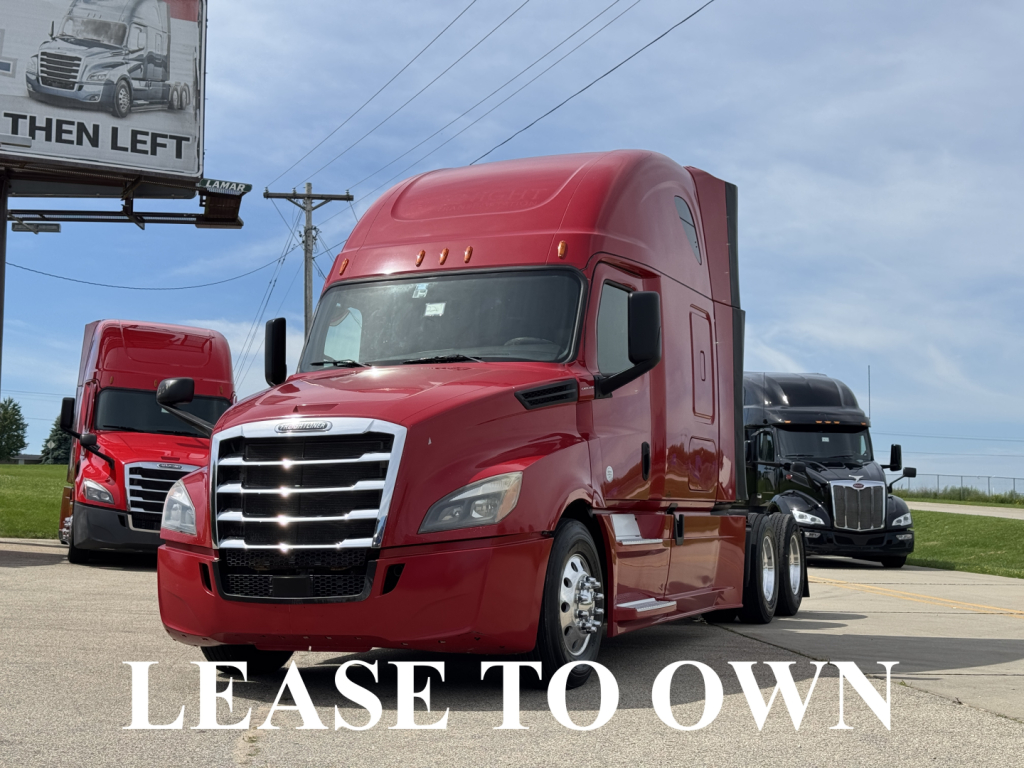
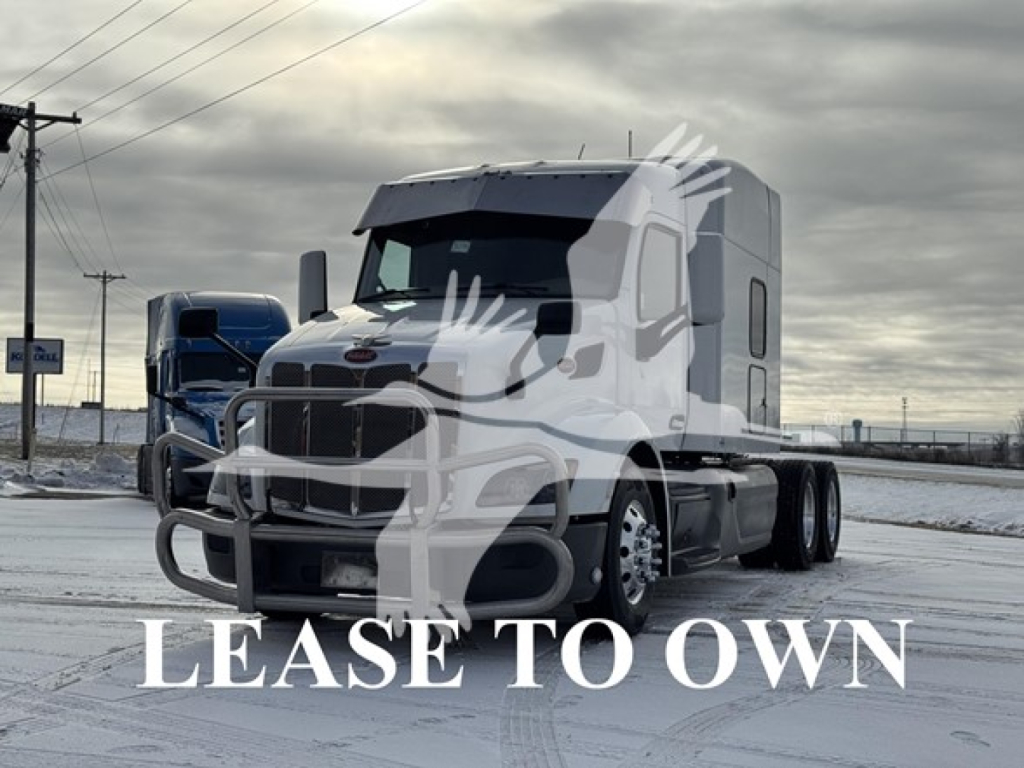
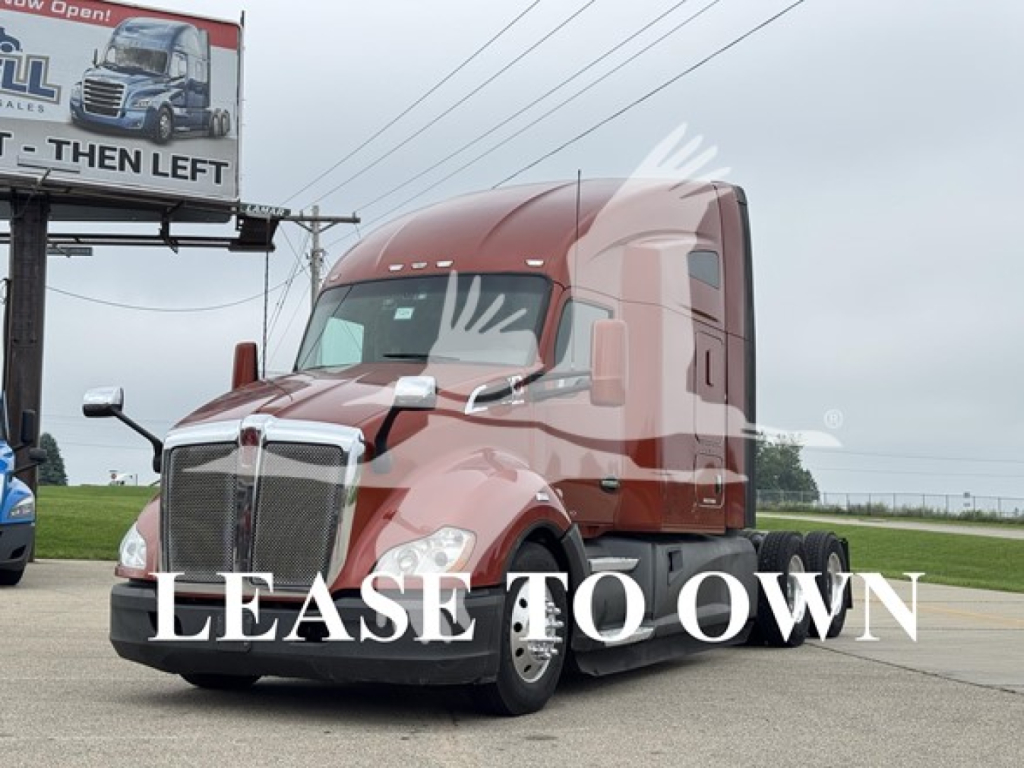
Most 2019 conventional sleepers in this class are built around proven long-haul platforms such as the Kenworth T680, International LT, Freightliner Cascadia, Peterbilt 579, and similar highway tractors. Typical engine choices include the Cummins X15, Detroit DD15, PACCAR MX-13, and occasionally the International A26, generally rated from about 400 to 455 horsepower with torque packages matched to over-the-road freight. Automated transmissions are common in this year range, often paired with rear axle ratios like 2.64 or 3.08 to balance cruise RPM and fuel burn. Buyers should pay close attention to wheelbase, sleeper size, fuel capacity, fairing condition, and whether the truck has front disc brakes, idle management, or an APU for reduced engine hours.
For a sleeper truck buyer, the most important spec decisions usually come down to application. A truck set up for dry van or reefer work may prioritize fuel mileage, collision mitigation, and a lighter spec, while a unit intended for heavier freight or mixed terrain may benefit from a different horsepower rating, axle ratio, or suspension package. Interior features also matter more than many first-time buyers expect. Single bunk versus double bunk, inverter, refrigerator, bunk heater, and steering wheel controls all affect day-to-day livability on extended runs. Safety systems that became more common by 2019, including collision mitigation, lane departure warning, adaptive cruise, and hill start assist, can also add value for fleets focused on driver retention and insurance considerations.
When comparing 2019 conventional sleeper trucks, review service history, aftertreatment status, mileage, idle hours, and tire and brake condition alongside the headline specs. A well-maintained truck with the right driveline for its route can outperform a newer unit that is mismatched to the job. In Iowa and across the Midwest, cold starts, winter traction, and dependable HVAC and bunk systems are especially relevant, so engine heaters, battery condition, and sleeper climate equipment deserve a close look. Also known as highway sleepers or sleeper tractors, these trucks remain the standard choice for operators who need a balance of road comfort, cargo-hauling flexibility, and long-haul efficiency.
Frequently Asked Questions about 2019 Conventional Sleeper Trucks in Iowa
What engines are most common in 2019 conventional sleeper trucks?
Common engines in 2019 conventional sleeper trucks include the Cummins X15, Detroit DD15, PACCAR MX-13, and in some applications the International A26. Most are spec'd in the 400 to 455 horsepower range for over-the-road freight. The right choice depends on your route profile, service network preference, fuel economy targets, and whether the truck will stay in standard van and reefer lanes or handle heavier applications.
Is a 2019 conventional sleeper a good choice for long-haul work?
A 2019 conventional sleeper is often a strong fit for long-haul work because this model year commonly includes aerodynamic body design, automated manual transmissions, integrated safety systems, and more comfortable sleeper layouts. Many 2019 trucks also have the emissions and powertrain refinements buyers want without the higher acquisition cost of much newer equipment. The best long-haul value comes from matching the engine, axle ratio, fuel capacity, and sleeper configuration to the freight and average trip length.
What should I inspect first on a used 2019 sleeper tractor?
Start with maintenance records, engine hours, idle hours, and the condition of the aftertreatment system. Then inspect brakes, tires, suspension, batteries, and any signs of coolant, oil, or air leaks. On a sleeper tractor, it is also smart to verify operation of the HVAC system, bunk heater, inverter, refrigerator, and any APU or idle-reduction equipment, since those items directly affect driver comfort and operating cost.
Are automated transmissions common in 2019 conventional sleeper trucks?
Yes. Automated manual transmissions are very common in 2019 conventional sleeper trucks, especially in fleet-spec highway tractors. They can improve consistency in fuel economy, reduce driver fatigue, and simplify hiring compared with a manual transmission. Buyers should still confirm the transmission model, software update history, clutch condition where applicable, and how the gearing works with the truck's rear axle ratio and intended load profile.
Which features matter most for Iowa and Midwest operation?
For Iowa and Midwest use, cold-weather and highway-efficiency features deserve extra attention. Engine heaters, strong batteries, bunk heat, dependable HVAC, good tire condition, and stable winter-road handling all matter. Trucks used across long interstate corridors also benefit from aerodynamic packages, collision mitigation, lane departure warning, and fuel tank capacity that supports longer intervals between stops.