
Peterbilt Conventional Sleeper Trucks For Sale in Iowa
Shop Peterbilt conventional sleeper trucks for long-haul freight, with popular 579 specs, raised-roof sleepers, and fuel-efficient powertrains.
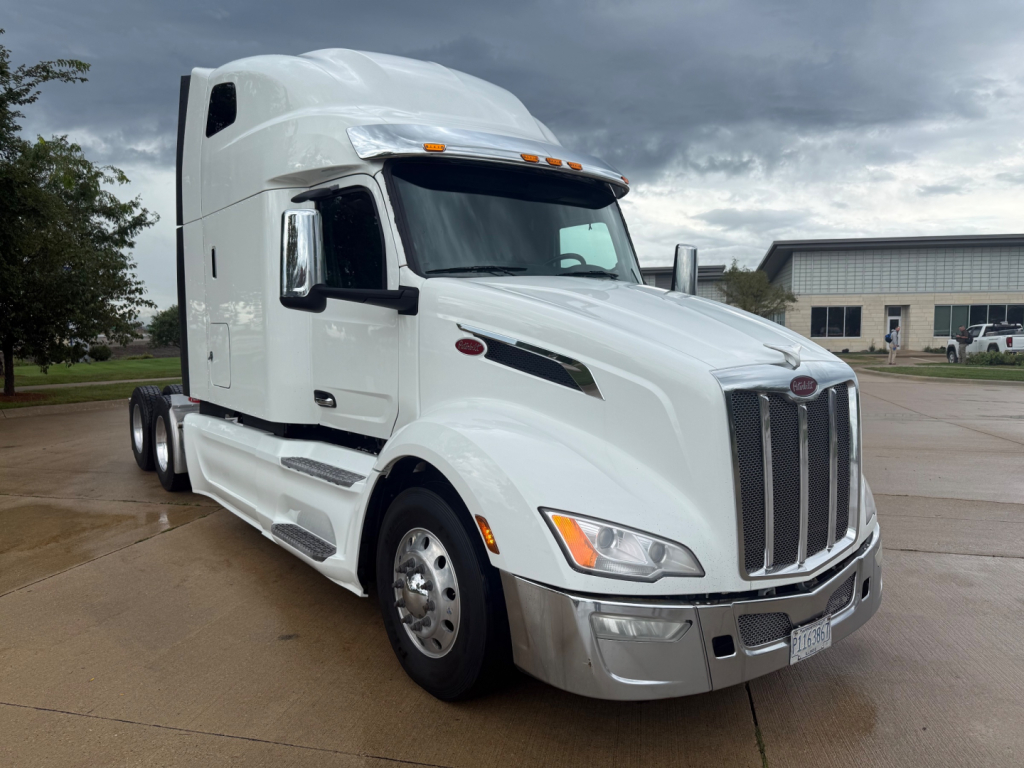
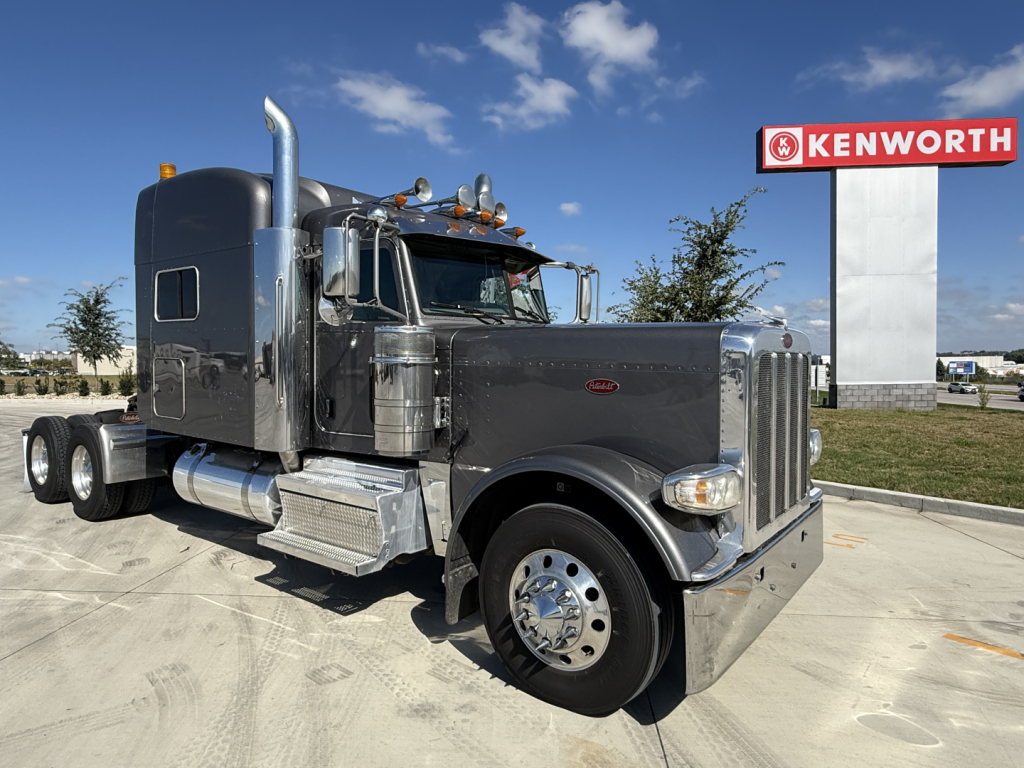
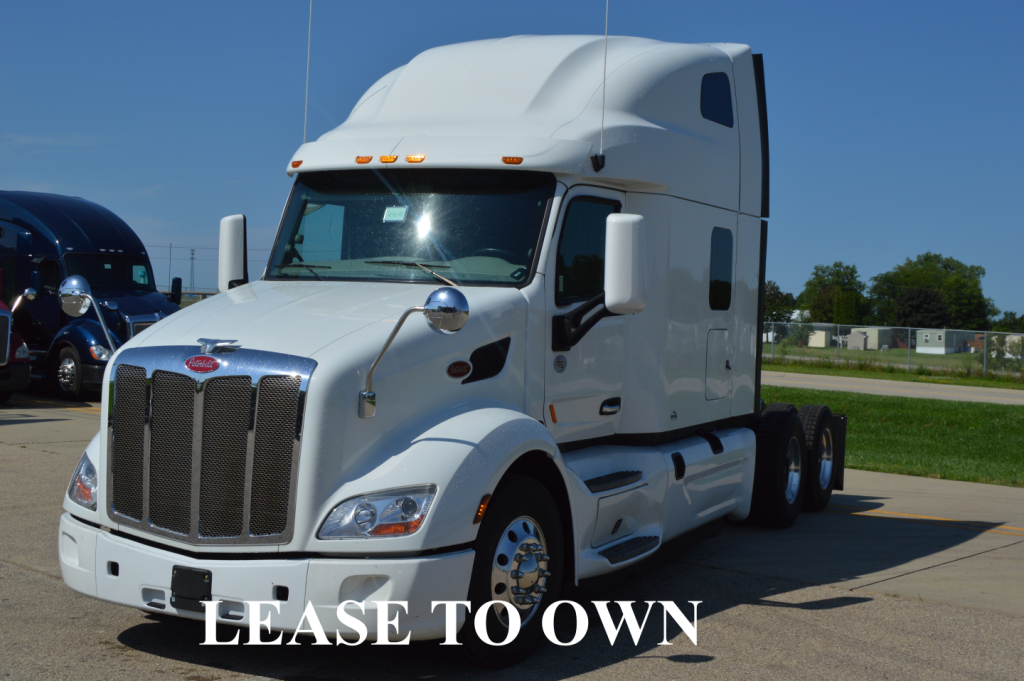

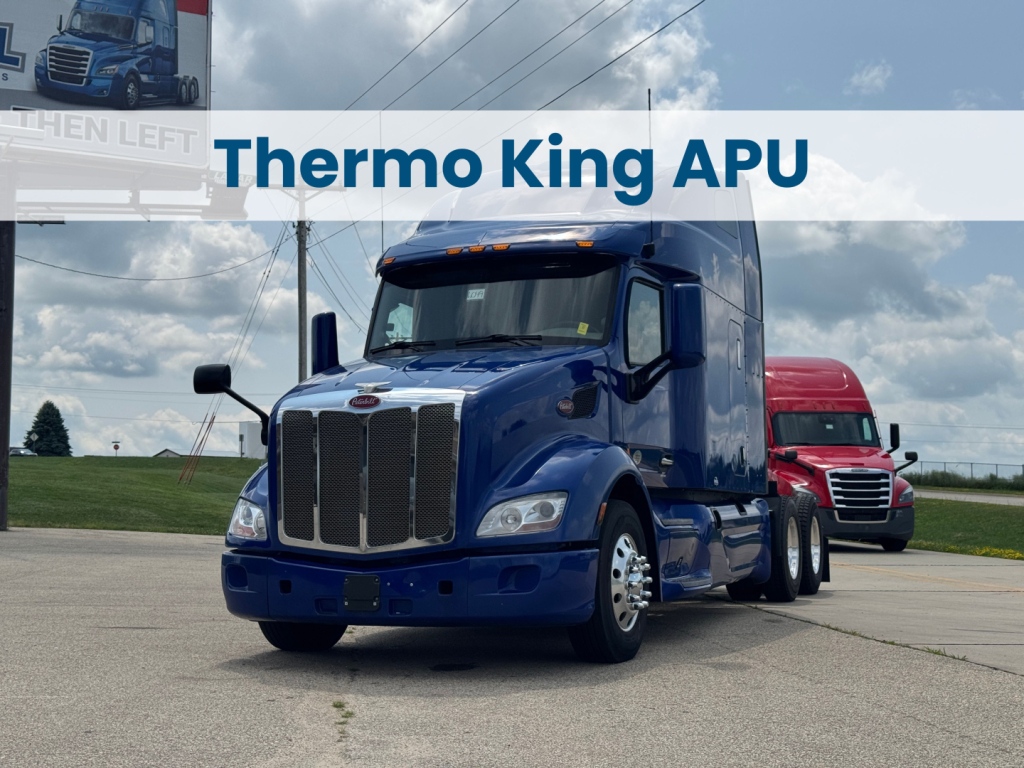
Selling a peterbilt conventional sleeper truck? List your peterbilt conventional sleeper truck for sale and reach thousands of commercial buyers.
Peterbilt Conventional Sleeper Trucks in Iowa
The biggest buying decisions usually come down to engine, transmission, rear axle ratio, and sleeper size. Late-model Peterbilt sleepers commonly show up with PACCAR MX-13 or Cummins X15 engines in the 450 to 455 horsepower range, paired with 12-speed automated manuals or, less often, 13-speed manual transmissions. Buyers running flatter interstate lanes often prefer faster ratios such as 2.64 or 2.79 for lower cruise RPM and better fuel mileage, while a 3.42 ratio can make more sense for heavier loads, more varied terrain, or drivers who want stronger startability. Fuel capacity, often in the 220 to 270 gallon range, should match route length and idle-reduction strategy.
Sleeper layout and driver amenities matter more than many buyers admit, especially on trucks assigned to multi-day runs. Peterbilt conventional sleepers are commonly equipped with single-bunk or double-bunk configurations, and larger raised-roof sleepers like the UltraLoft are popular for teams and fleets focused on retention. Features such as a fridge, inverter, fuel-fired heater, engine heater, TV mount, leather seating, and steering wheel controls can have a real effect on driver satisfaction and time on the road. If the truck has an APU, that can reduce engine idling, lower fuel burn, and help support hotel loads during rest periods.
A smart evaluation goes beyond mileage and model year. Check brake spec, including disc versus drum, review collision mitigation and other ADAS features, and confirm warranty status on the engine, aftertreatment, and transmission when looking at newer units. For Midwest buyers, pay attention to cold-weather equipment, sleeper heater operation, and corrosion points around chassis components, battery boxes, and fairings. A well-spec'd Peterbilt conventional sleeper should fit the freight lane first, then the driver, then the maintenance plan. That approach usually produces better operating cost than buying strictly by badge, horsepower, or purchase price.
Frequently Asked Questions about Peterbilt Conventional Sleeper Trucks in Iowa
What engine and transmission combinations are common in Peterbilt conventional sleeper trucks?
Late-model Peterbilt conventional sleeper trucks, especially the 579, are commonly equipped with the PACCAR MX-13 or Cummins X15 in the 450 to 455 horsepower range. Most fleet-oriented trucks are paired with 12-speed automated manual transmissions because they help with fuel economy, driver onboarding, and consistency across multiple operators. Manual 13-speed setups still appear in some used units and can appeal to buyers who want more direct control or run specialized routes.
What rear axle ratio works best for a Peterbilt sleeper truck?
The right rear axle ratio depends on freight weight, terrain, and cruise speed target. Ratios like 2.64 or 2.79 are common in fuel-mileage-focused highway specs and generally suit long interstate runs with van or reefer freight. A ratio such as 3.42 is better suited to heavier pulls, more stop-and-go operation, or routes with more hills, but it will usually turn higher RPM at highway speed.
Is a double-bunk sleeper worth it on a Peterbilt 579?
A double-bunk sleeper is often worth the extra space if the truck will be used in team service, extended over-the-road runs, or by fleets focused on driver retention. It adds flexibility for storage and rest, and larger sleeper packages often include features like a refrigerator, inverter, and diesel-fired heater. For solo regional operation, a single-bunk truck may save weight and still provide enough living space.
What should I inspect on a used Peterbilt conventional sleeper in Iowa?
Focus on cold-weather and road-treatment related wear in addition to the normal drivetrain inspection. Check heater and defroster performance, operation of any ESPAR or engine heater, battery condition, fairing mounts, frame and crossmember corrosion, and suspension and brake component condition. It is also important to review aftertreatment service history, confirm any remaining factory warranty, and inspect cab and sleeper seals for leaks or wind noise issues.
Are Peterbilt conventional sleeper trucks good for fuel economy?
Yes, Peterbilt conventional sleeper trucks are widely used in fuel-conscious over-the-road applications because the aerodynamic hood, roof fairings, and side fairings are designed for highway efficiency. Actual fuel economy depends heavily on engine calibration, axle ratio, transmission spec, idle time, terrain, and trailer setup. A well-matched sleeper tractor with an automated transmission, proper cruise RPM, and idle-reduction equipment will usually perform better than a mismatched spec, even if both trucks use the same engine.