
Kenworth Conventional Sleeper Trucks For Sale in Iowa
Shop Kenworth conventional sleeper trucks with aerodynamic specs, raised-roof cabs, and long-haul features built for comfort and fuel economy.
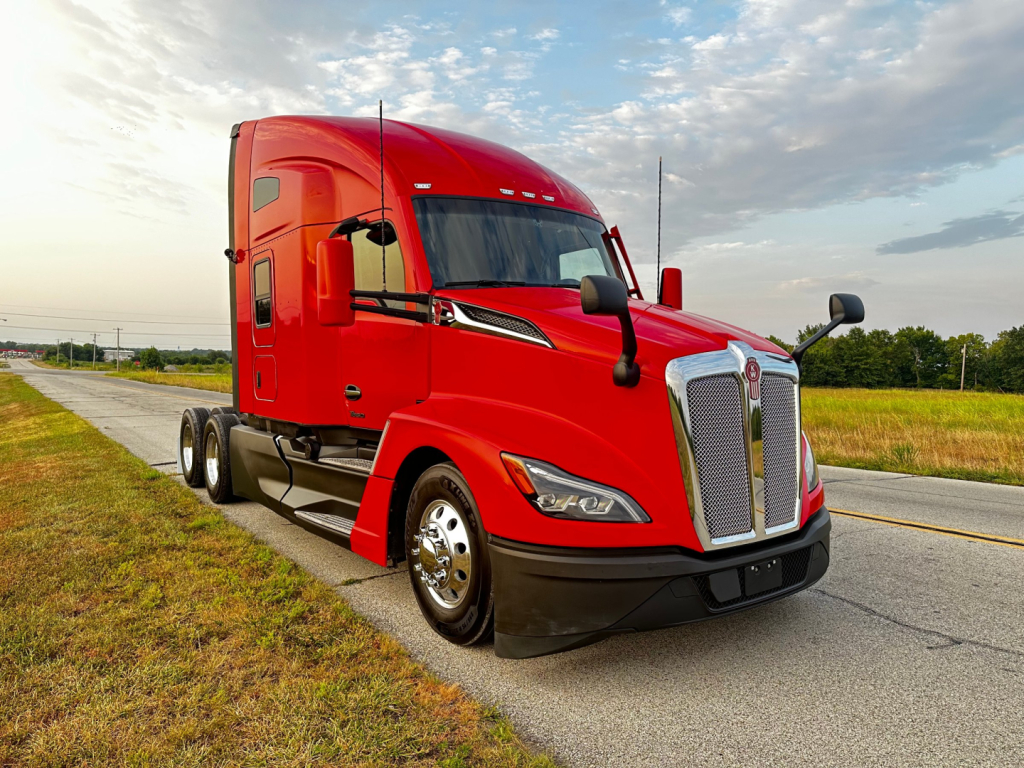
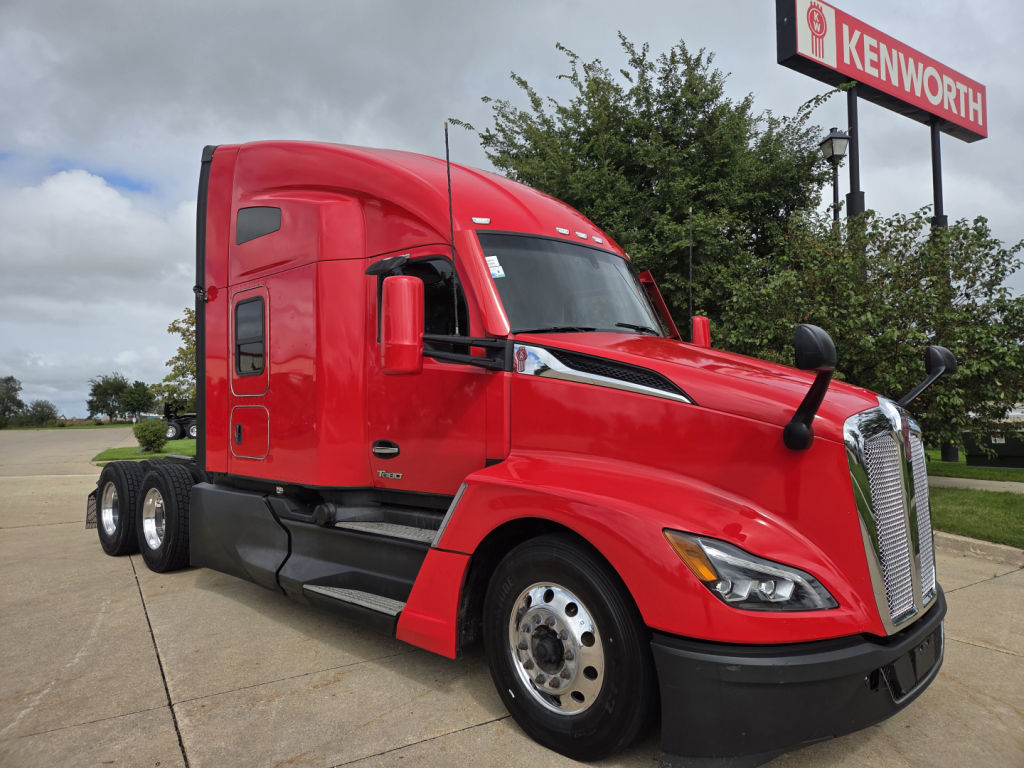
2023 Kenworth T680
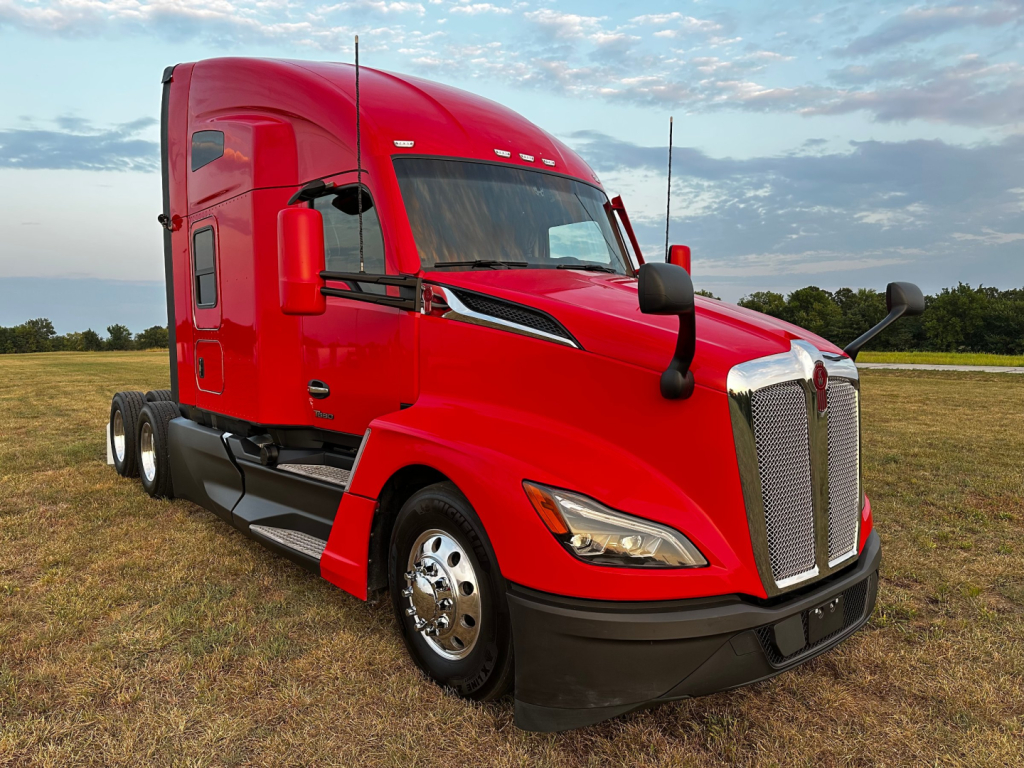
2023 Kenworth T680
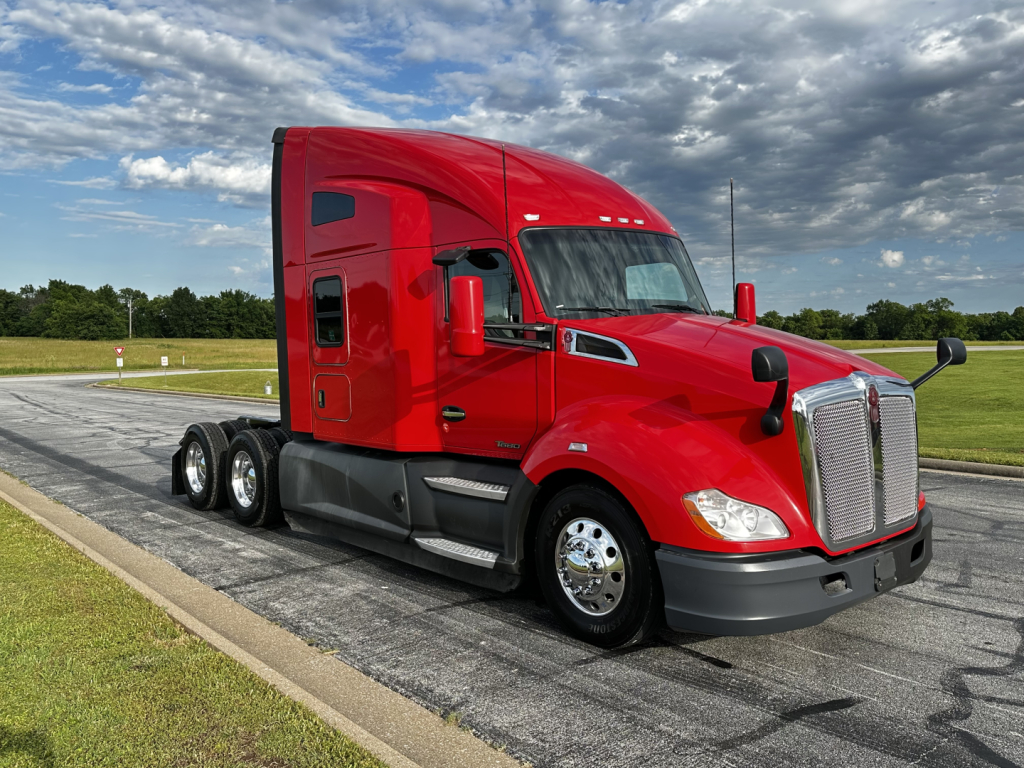
2022 Kenworth T680
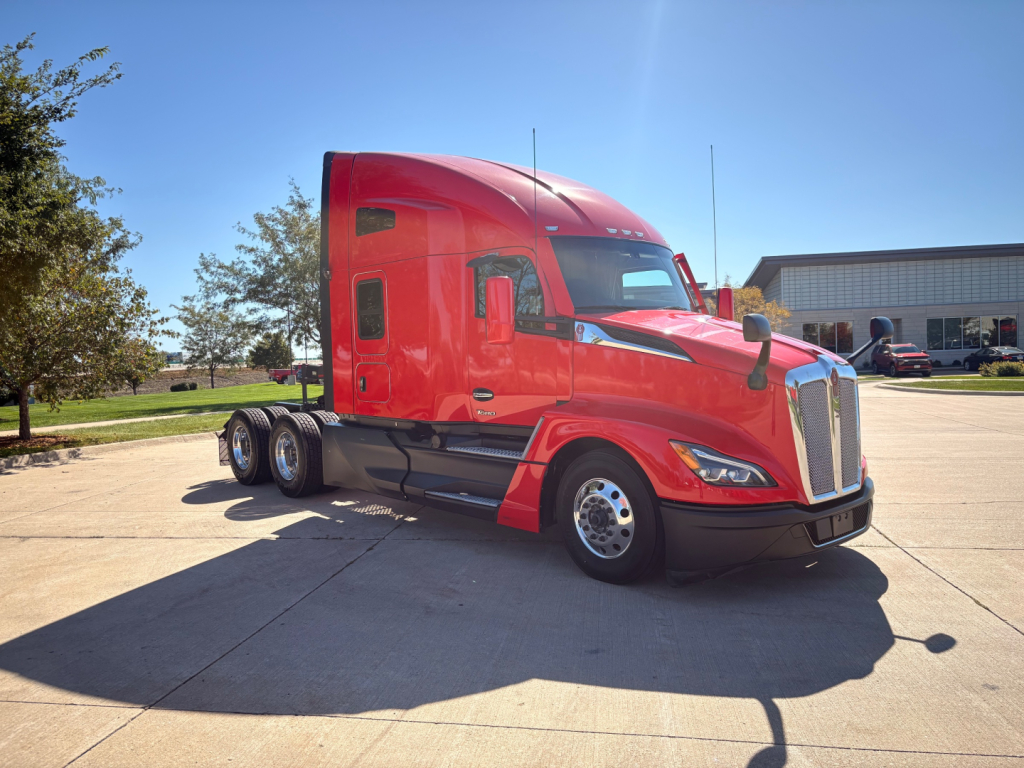
2023 Kenworth T680
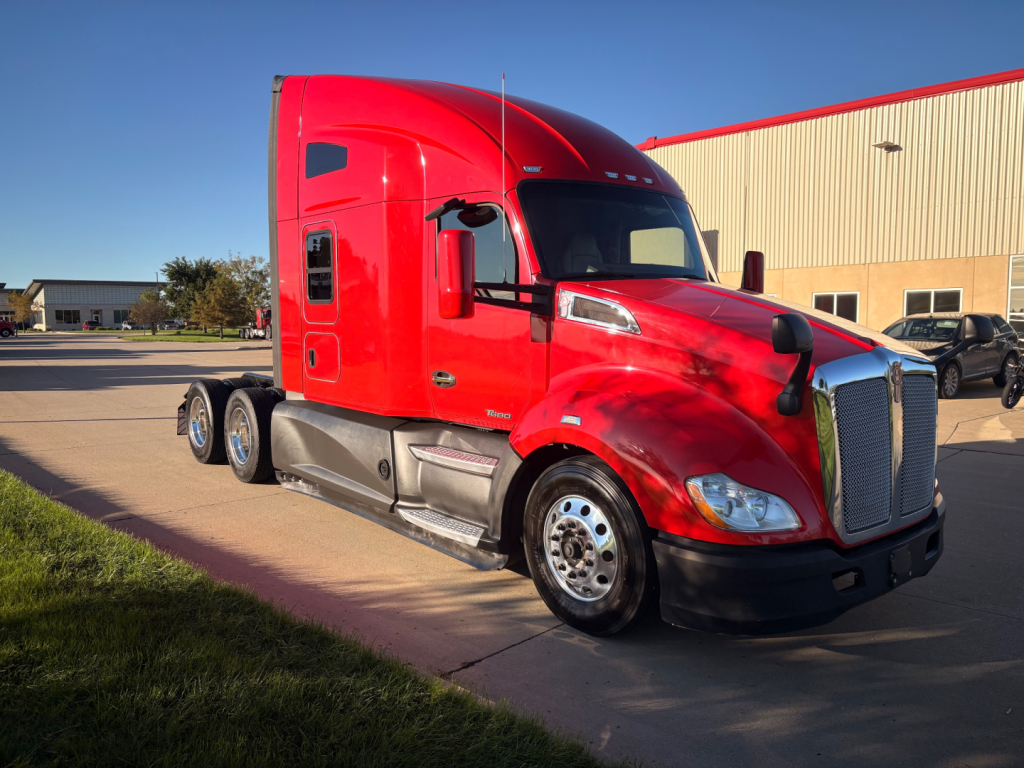
2022 Kenworth T680
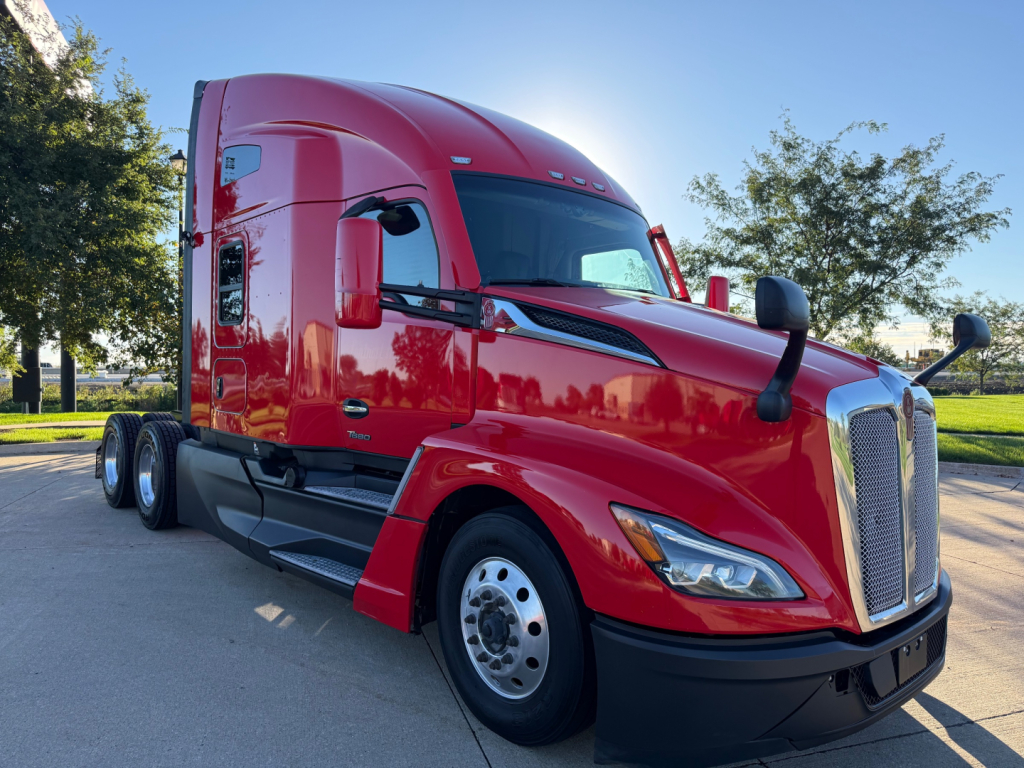
2023 Kenworth T680
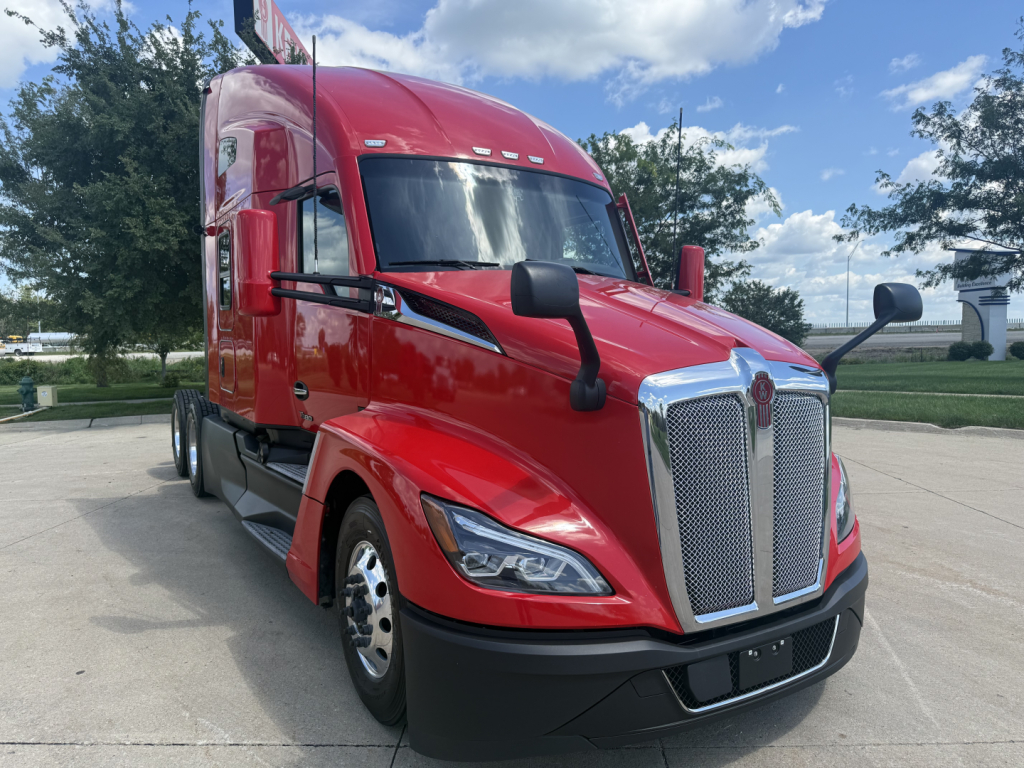
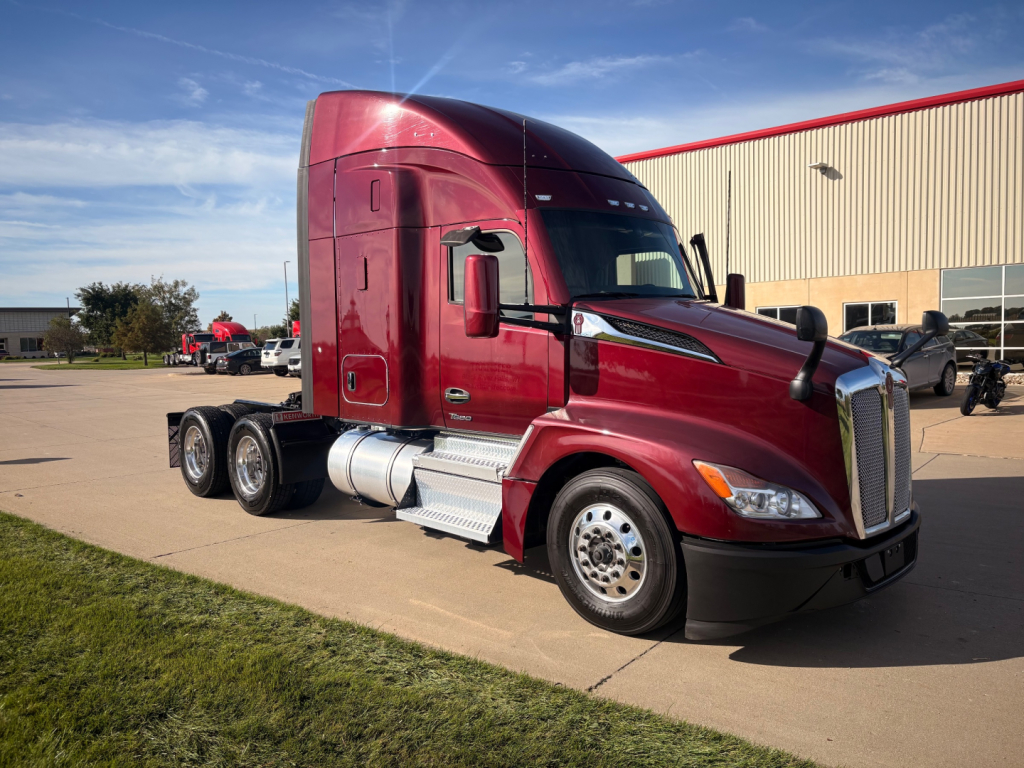
2023 Kenworth T680
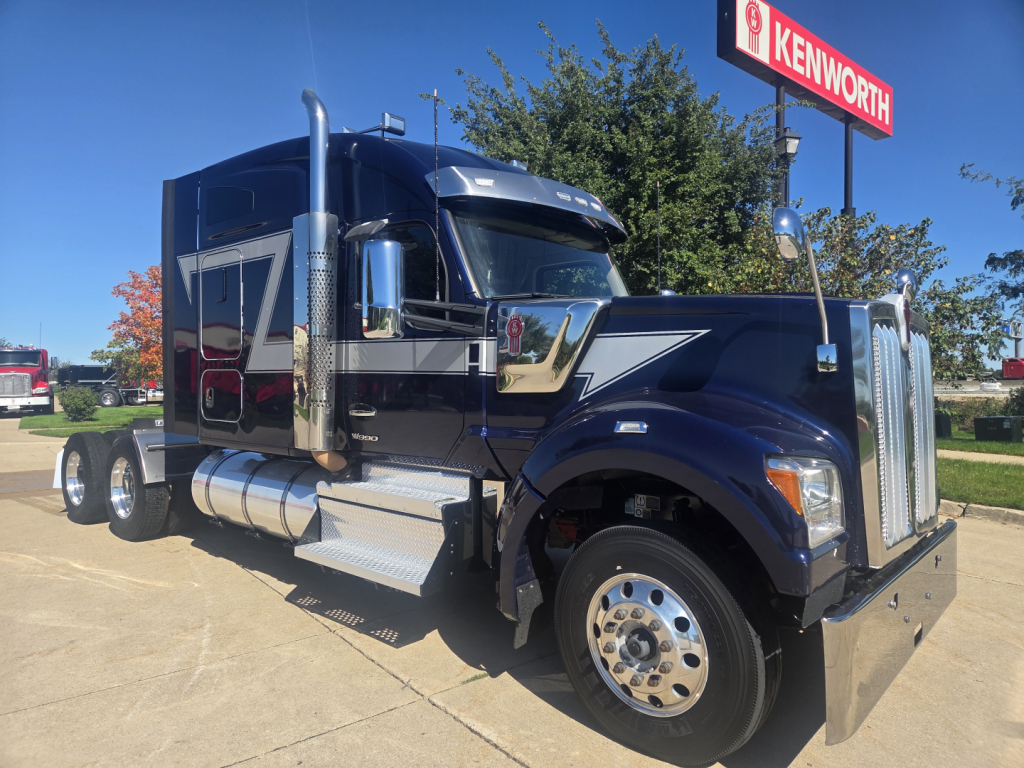
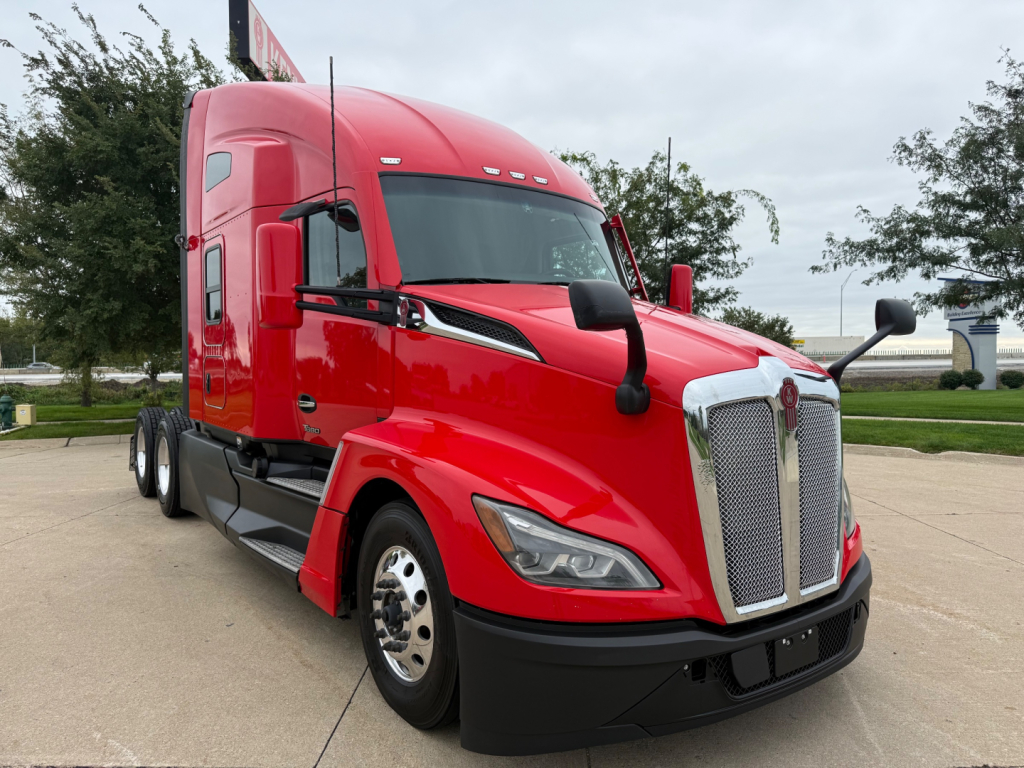
2023 Kenworth T680
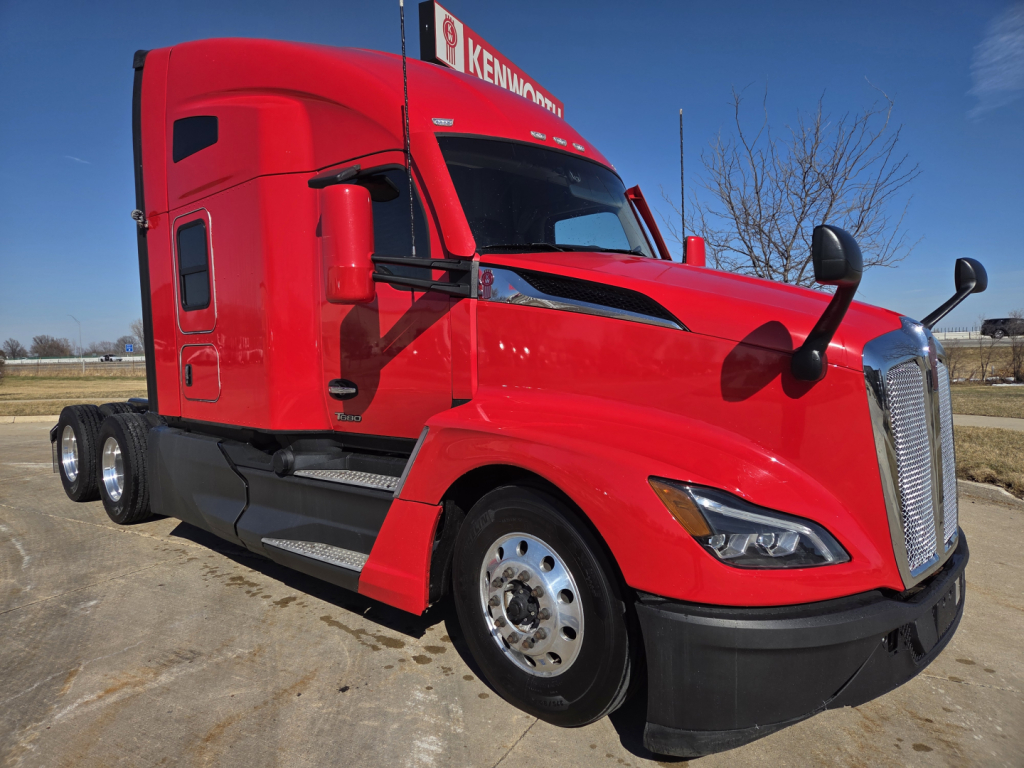
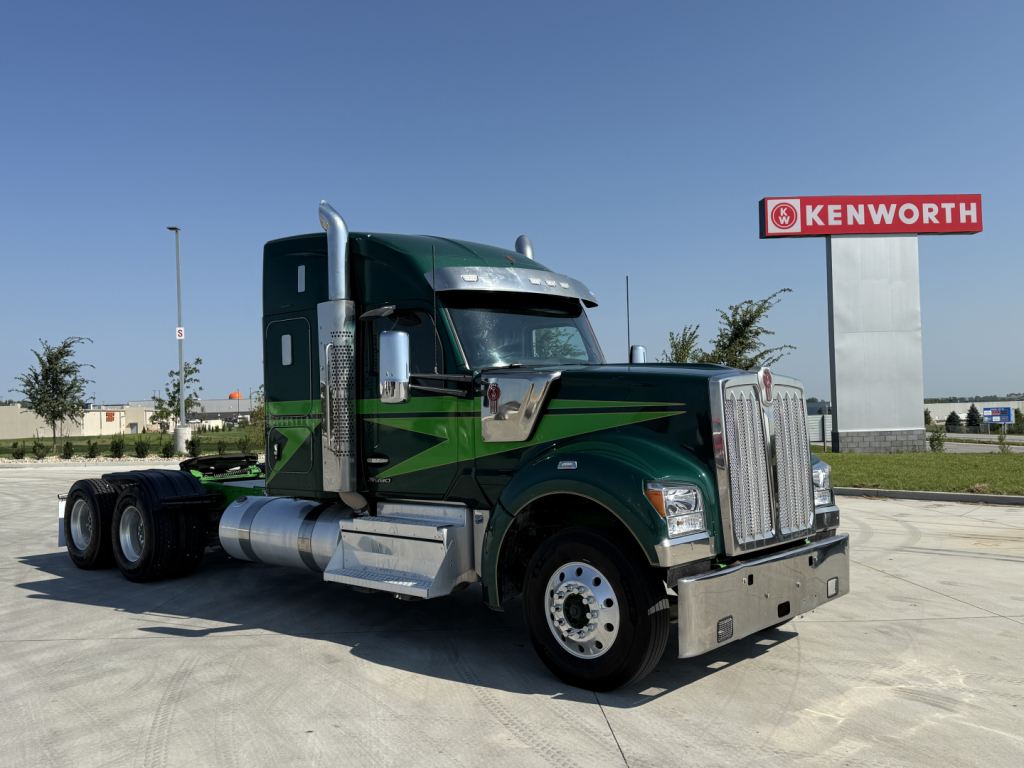
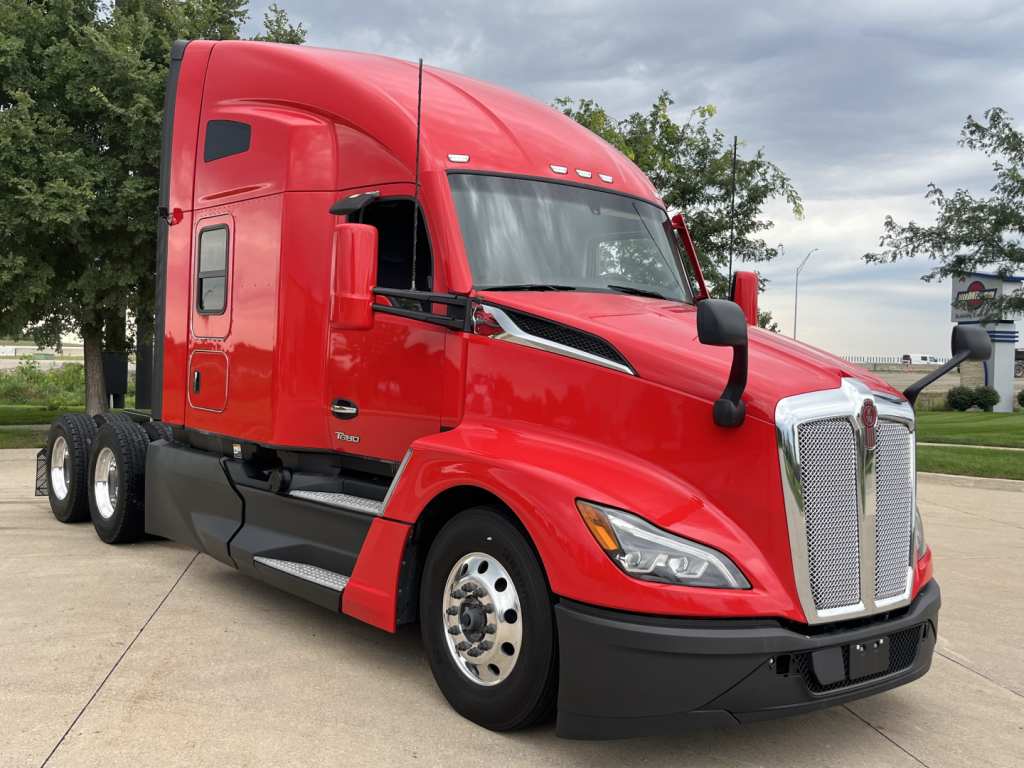
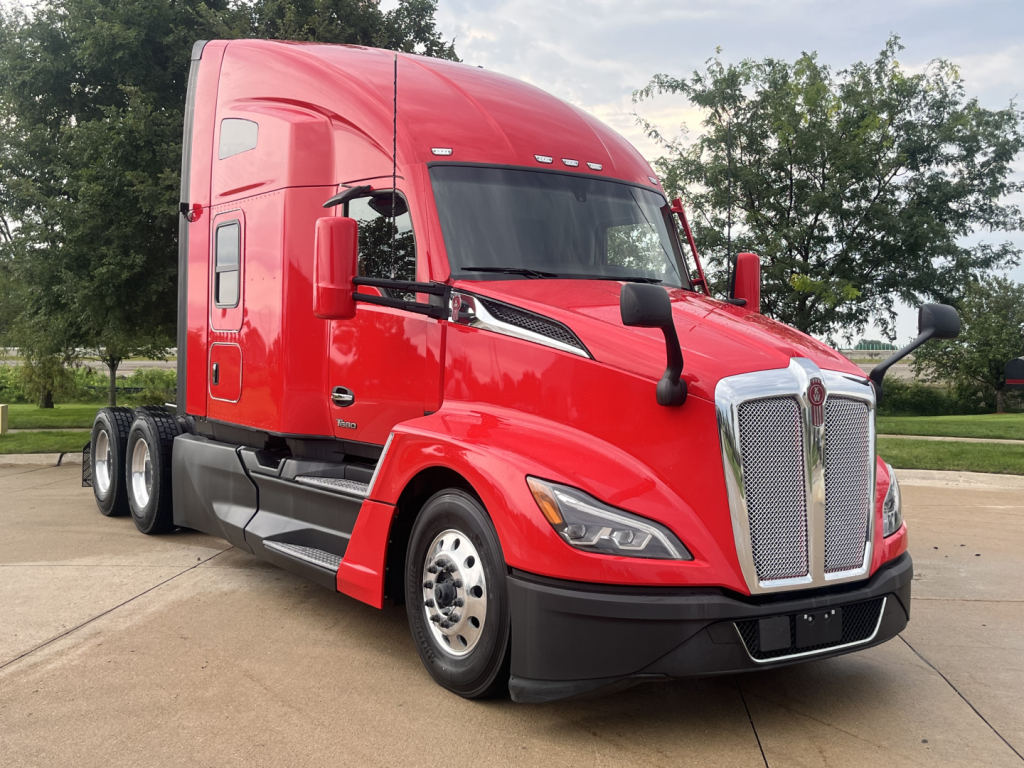
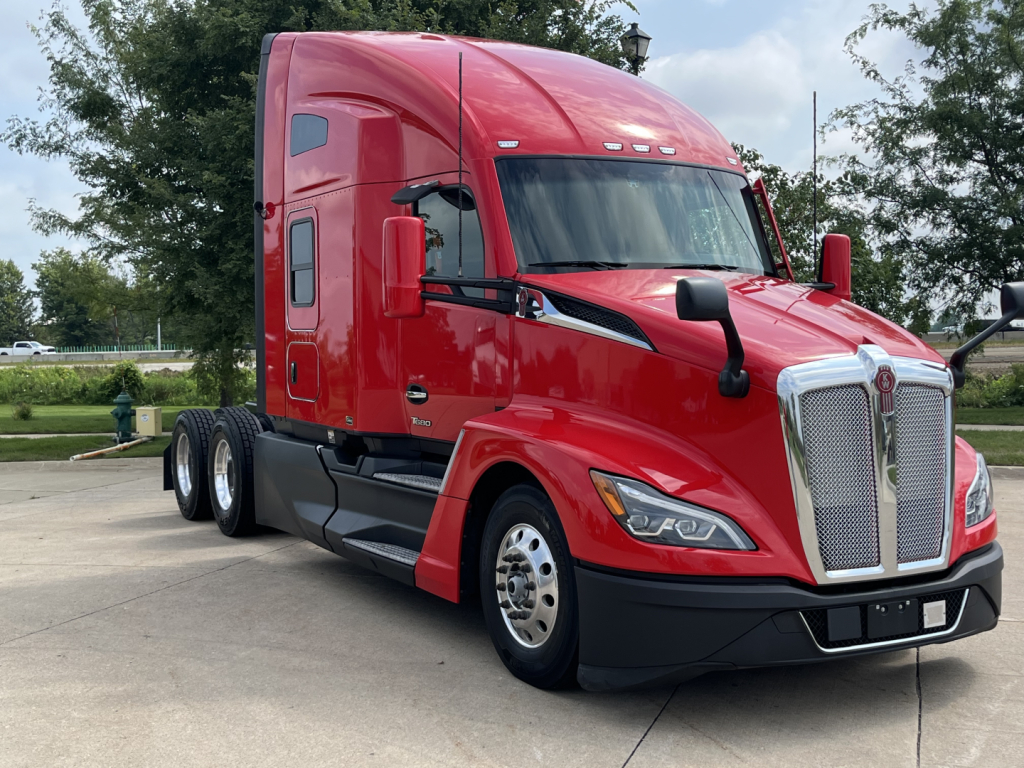
2024 Kenworth T680
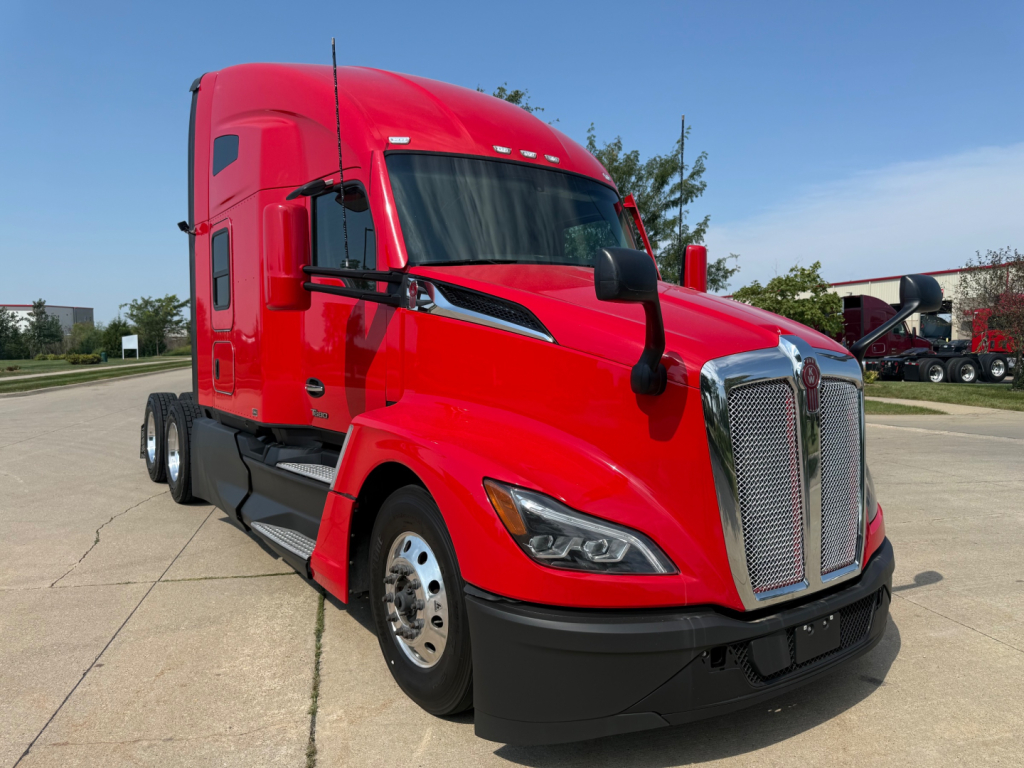
2024 Kenworth T680

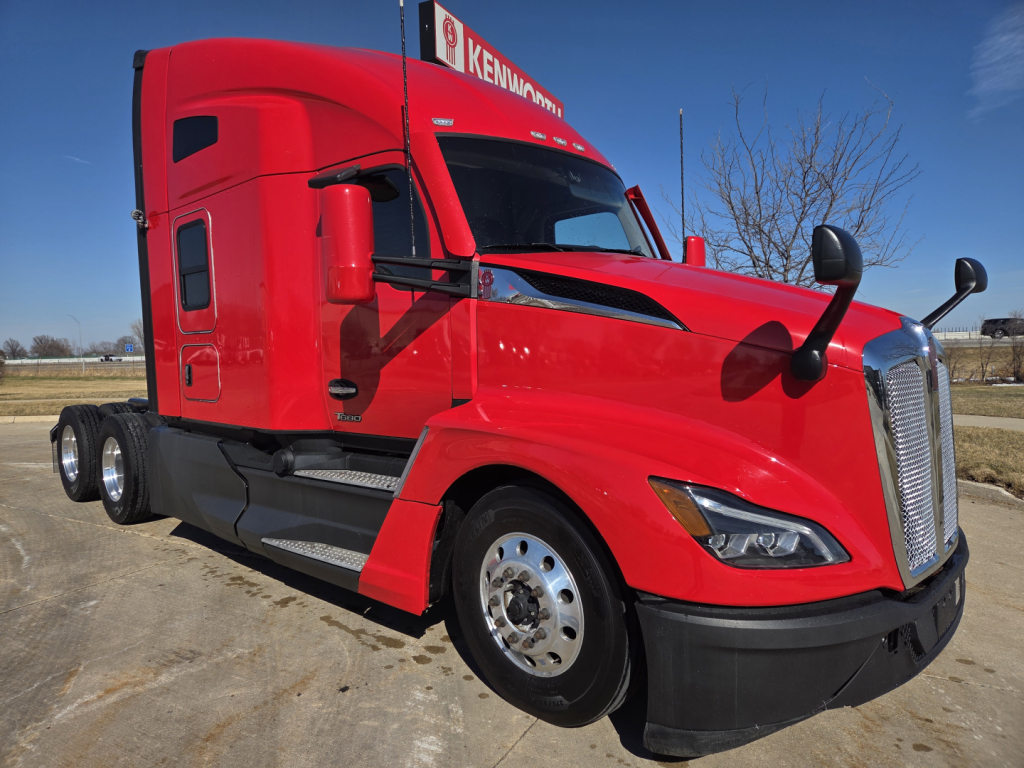
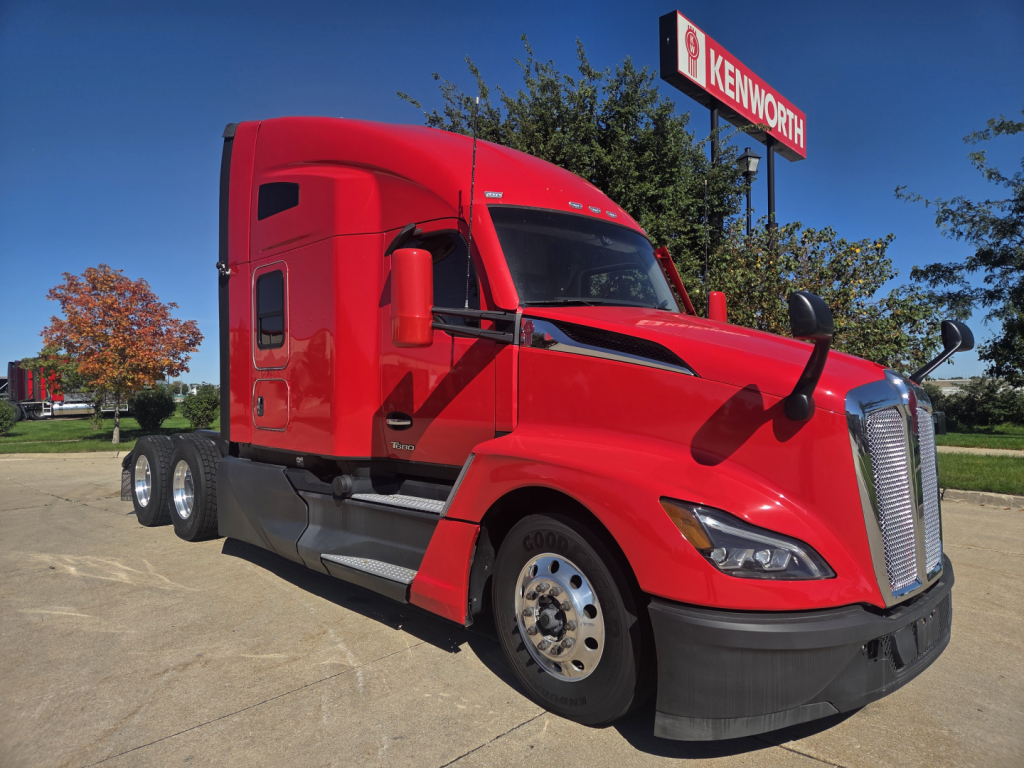
2023 Kenworth T680
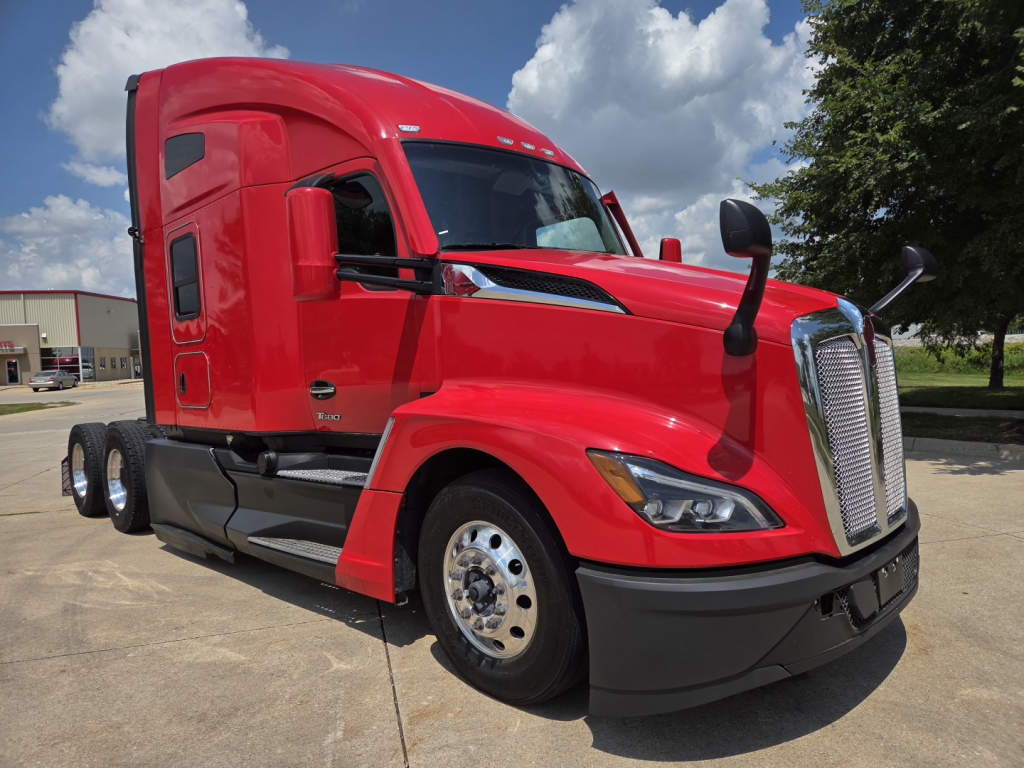
2023 Kenworth T680
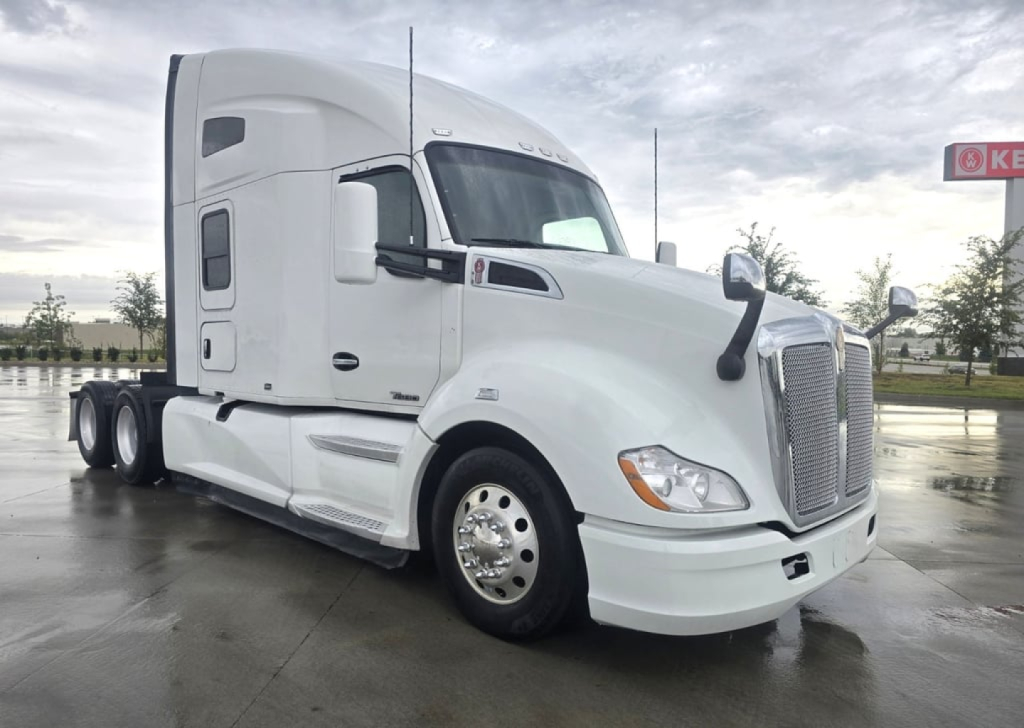
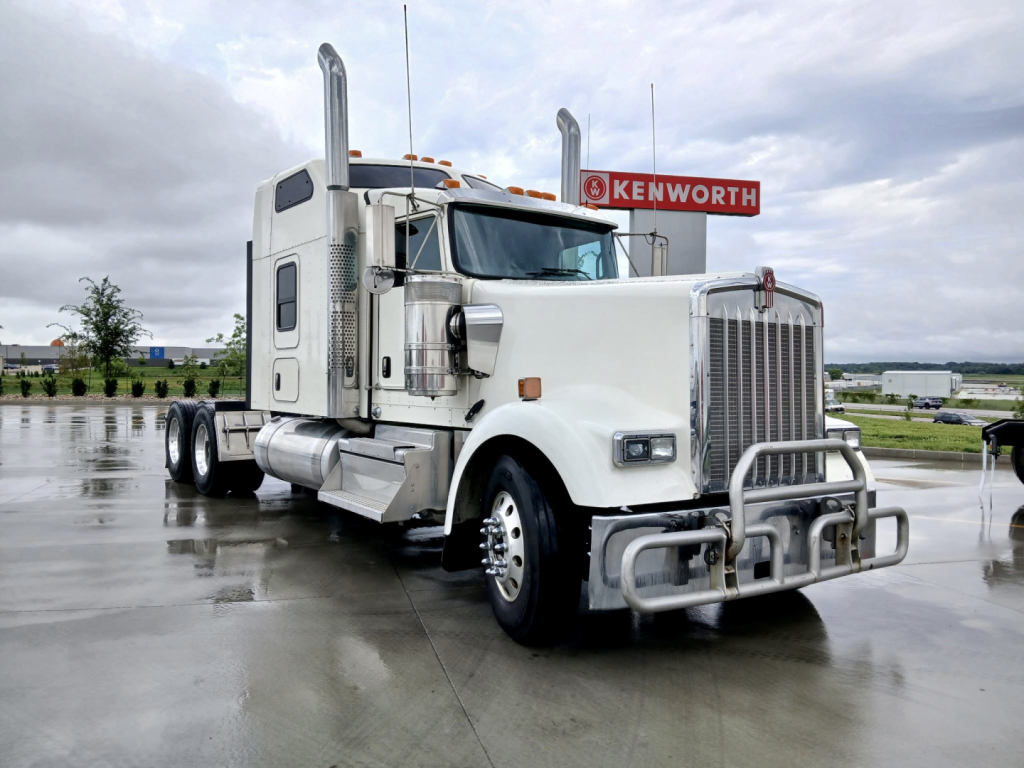
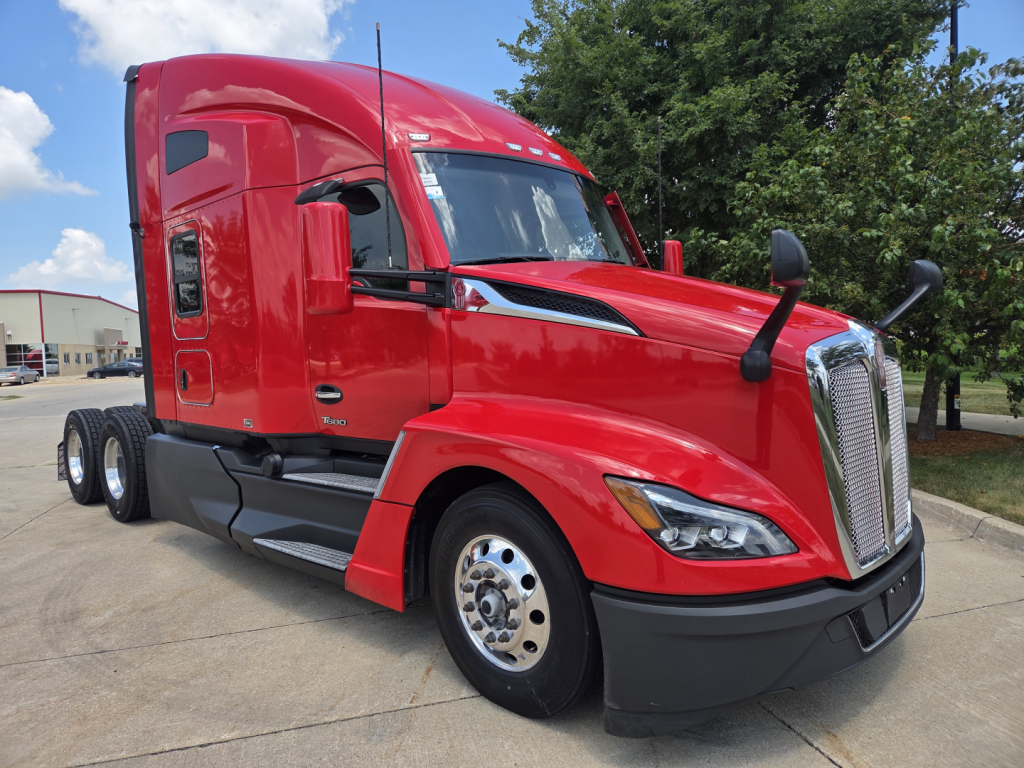
2024 Kenworth T680
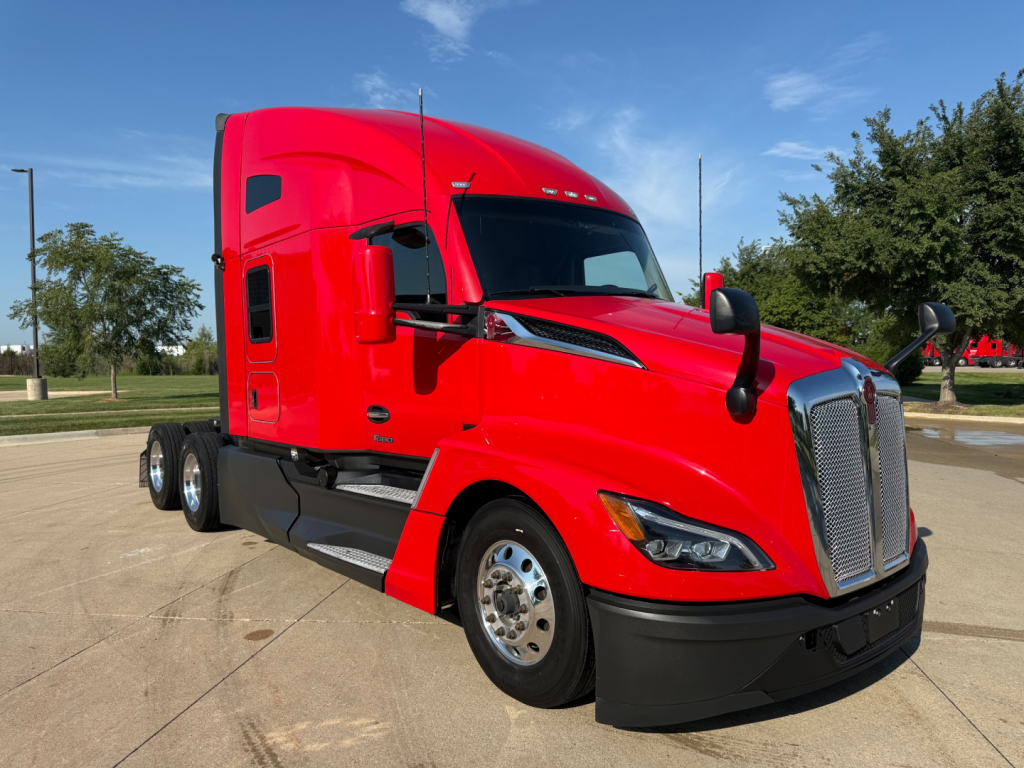
2023 Kenworth T680
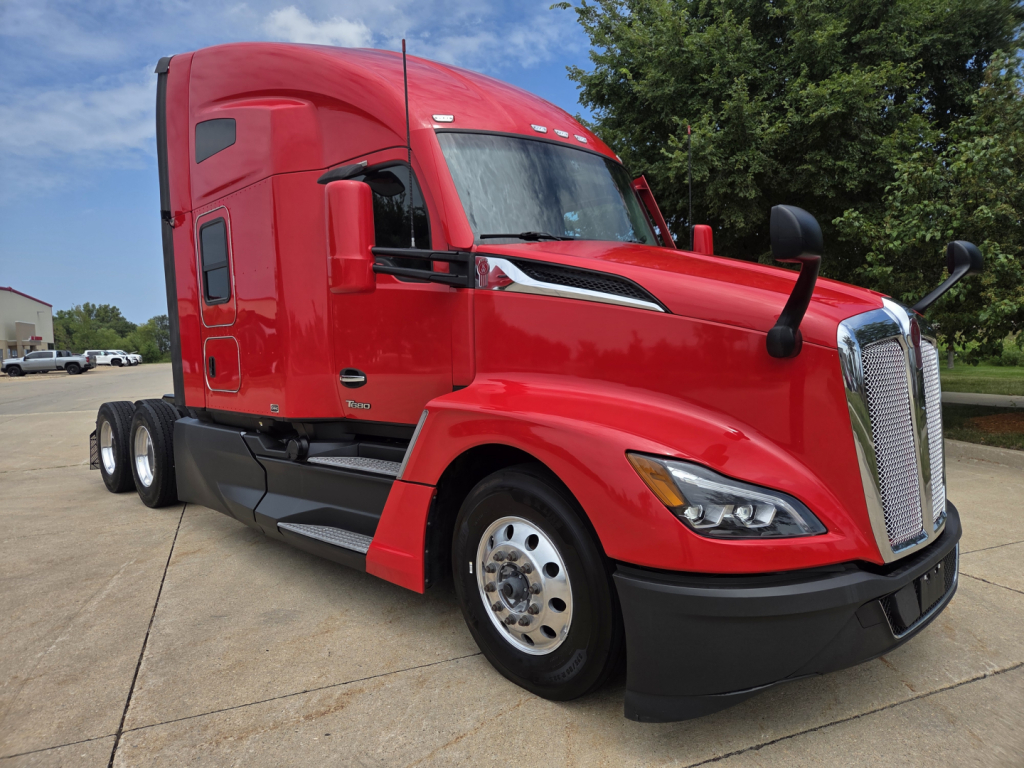
2024 Kenworth T680


Showing 1 to 28 of 31 results
Selling a kenworth conventional sleeper truck? List your kenworth conventional sleeper truck for sale and reach thousands of commercial buyers.
Kenworth Conventional Sleeper Trucks in Iowa
The biggest buying decisions usually come down to engine, transmission, rear axle ratio, and sleeper equipment. Many Kenworth conventional sleepers are spec'd with Cummins X15 or PACCAR MX engines in the 400 to 500 horsepower range, paired with automated manual transmissions for fuel economy and easier driver onboarding. Common highway ratios such as 2.64 or 2.79 are geared toward lower cruise RPM and long-haul efficiency, while fuel capacity often lands in the 180 to 260 gallon range depending on frame layout and intended range between stops. Buyers comparing listings should also look at suspension type, front axle rating, wheelbase, and whether the truck is optimized for van freight, refrigerated work, or heavier gross combined weights.
Sleeper configuration matters more than many first-time buyers expect. A double bunk, refrigerator, bunk heater, inverter, workstation, and premium seating can make a real difference in team operations, multi-day runs, and driver retention. Safety and electronics have also become a major part of the value equation, with many newer Kenworth sleeper trucks equipped with collision mitigation, steering wheel controls, idle management, and engine auto start-stop systems. These features help reduce fatigue, limit unnecessary idling, and support lower operating costs over time. If the truck will spend winters in Iowa and the upper Midwest, cold-weather items like an ESPAR bunk heater or engine heater are worth prioritizing.
Kenworth conventional sleepers also tend to hold their place well in the used market because the brand has a strong reputation for ride quality, cab finish, and highway durability. Buyers should pay close attention to maintenance history, remaining factory warranty, aftertreatment coverage, tire condition, and emissions-system service records, especially on newer diesel platforms. A good spec is not just about horsepower. It is about matching the truck to average load weight, terrain, annual miles, and how long the unit is expected to stay in the fleet. When those factors line up, a Kenworth sleeper can be a highly productive platform for owner-operators, small fleets, and larger carriers alike.
Frequently Asked Questions about Kenworth Conventional Sleeper Trucks in Iowa
What is a Kenworth conventional sleeper truck best suited for?
A Kenworth conventional sleeper truck is best suited for long-haul freight, regional routes with overnight stays, and dedicated operations where the driver needs onboard living space. These trucks are commonly used for dry van, reefer, and general freight because they combine highway aerodynamics with a sleeper compartment for rest, storage, and onboard amenities. They are a strong fit when the operation needs more range, more driver comfort, and better retention than a day cab can provide.
What engines are common in Kenworth conventional sleeper trucks?
Common engine choices include the Cummins X15 and PACCAR MX series, typically rated around 400 to 500 horsepower in fleet and owner-operator highway specs. The right engine depends on haul length, average gross combined weight, terrain, and maintenance preference. For general interstate freight, many buyers look for a balance of fuel economy and durability rather than maximum horsepower alone.
What sleeper features should buyers look for in a used Kenworth sleeper truck?
Key sleeper features include bunk size, double bunk layout, refrigerator, inverter, auxiliary heater, storage, and any workstation or driver-comfort upgrades. These items matter most in team service, multi-day routes, and fleets focused on reducing turnover. A well-equipped sleeper can improve uptime and driver satisfaction, but buyers should also confirm that all climate-control, electrical, and idle-management components are functioning properly.
How important is rear axle ratio in a Kenworth conventional sleeper?
Rear axle ratio is very important because it affects cruise RPM, startability, fuel economy, and how the truck performs under load. Ratios like 2.64 or 2.79 are common in highway applications where lower engine speed at cruising speed helps reduce fuel burn. A buyer pulling heavier loads, running more secondary roads, or operating in hillier terrain may need a different ratio to keep the truck in its most efficient working range.
What should buyers inspect on a used Kenworth conventional sleeper truck?
Buyers should inspect engine and aftertreatment service history, transmission operation, suspension condition, tire wear, brake life, frame condition, and any signs of excessive idle hours or poor maintenance. On newer units, remaining engine, transmission, and emissions warranty can add meaningful value. It is also smart to review cab electronics, safety systems, HVAC performance, bunk equipment, and DOT inspection records before making a final decision.