
Used International Conventional Sleeper Trucks For Sale
Explore used International conventional sleeper trucks, including LT, ProStar and LoneStar with Cummins X15 or A26 engines. Specs and buyer tips.
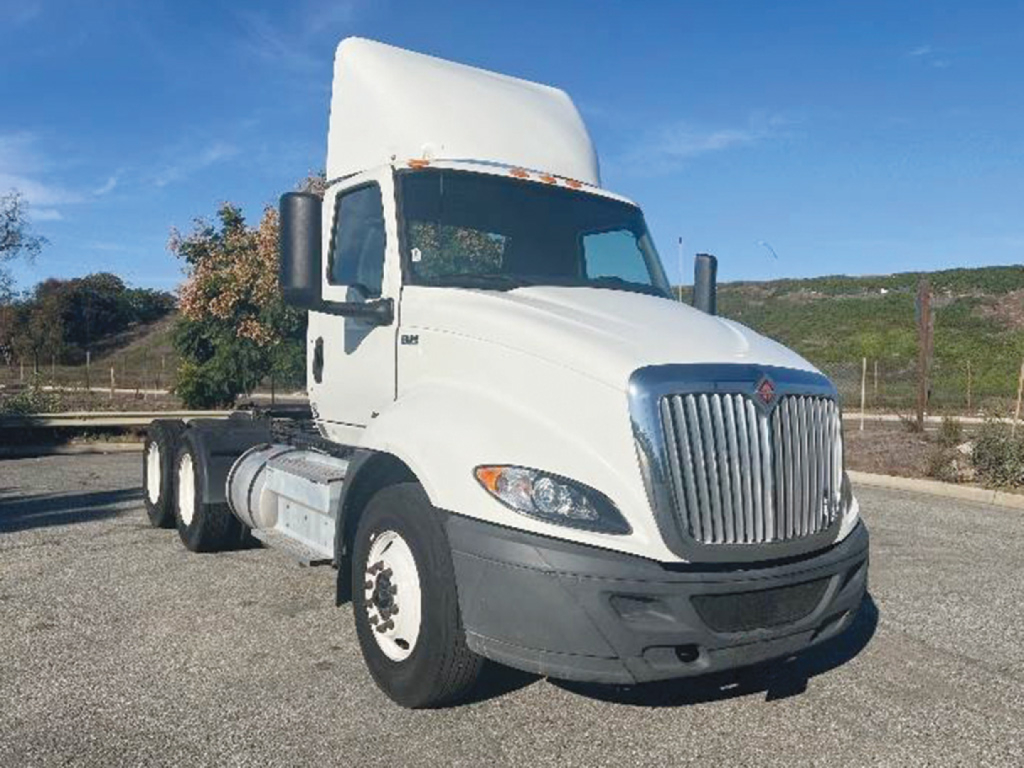
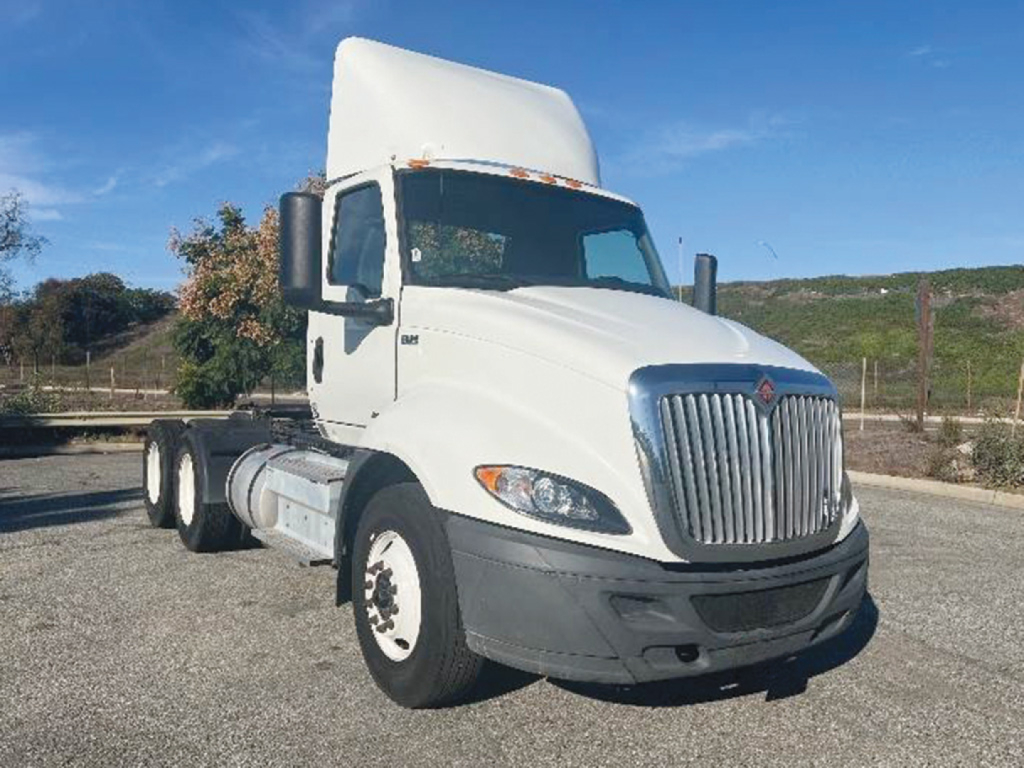
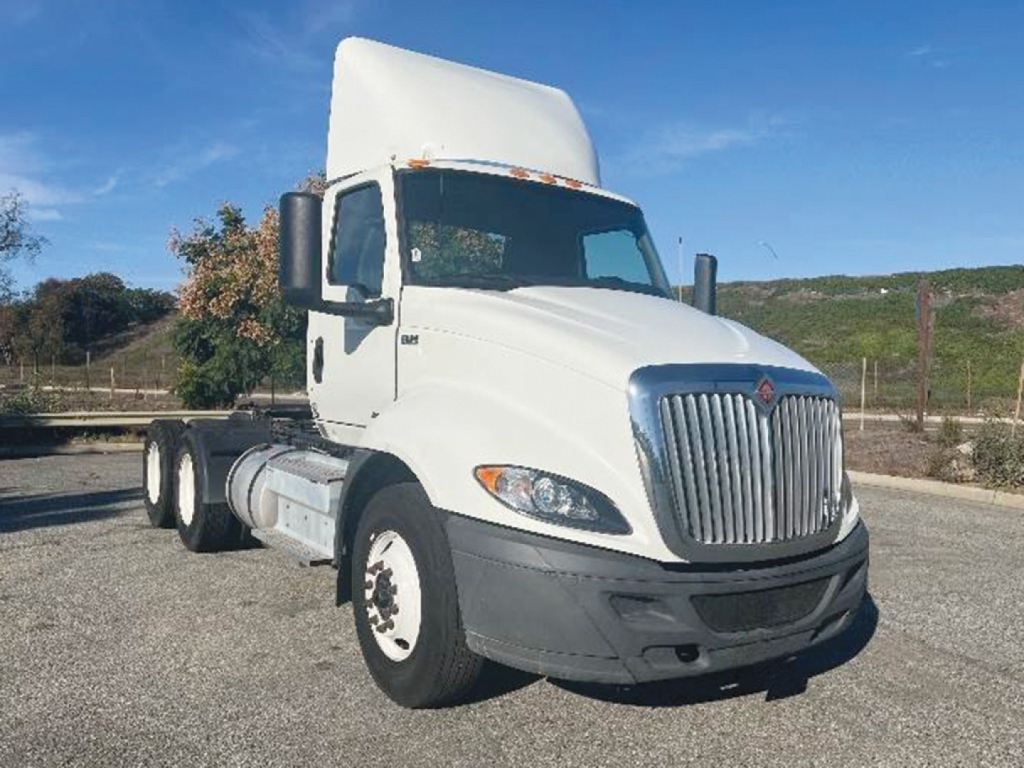
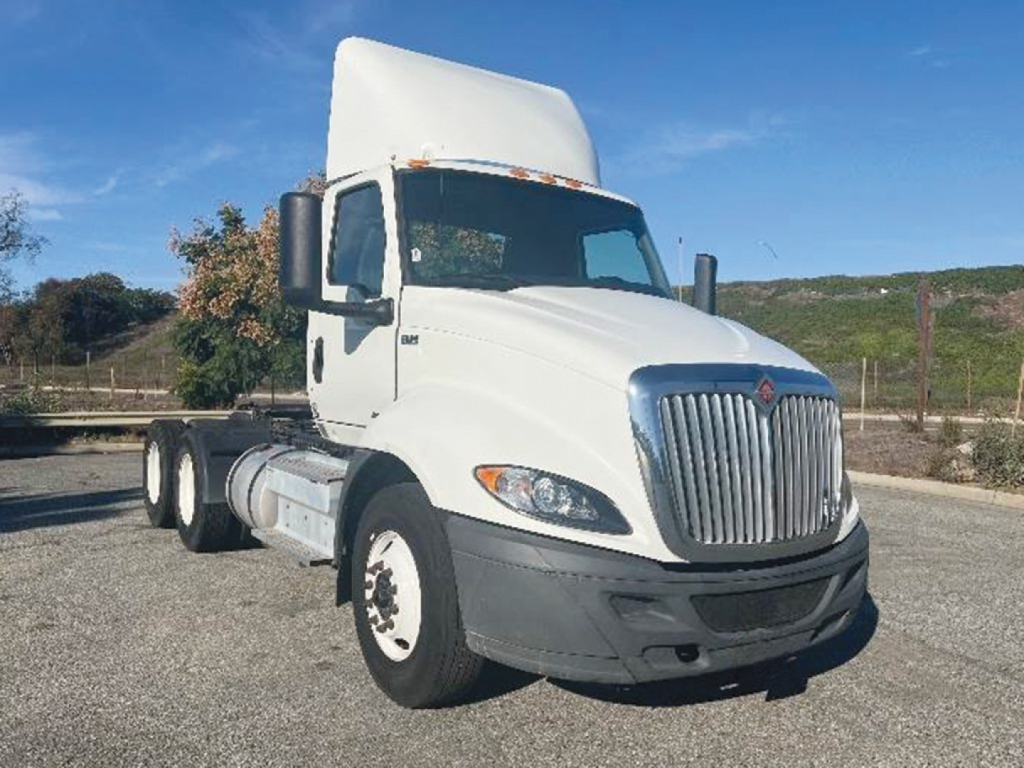
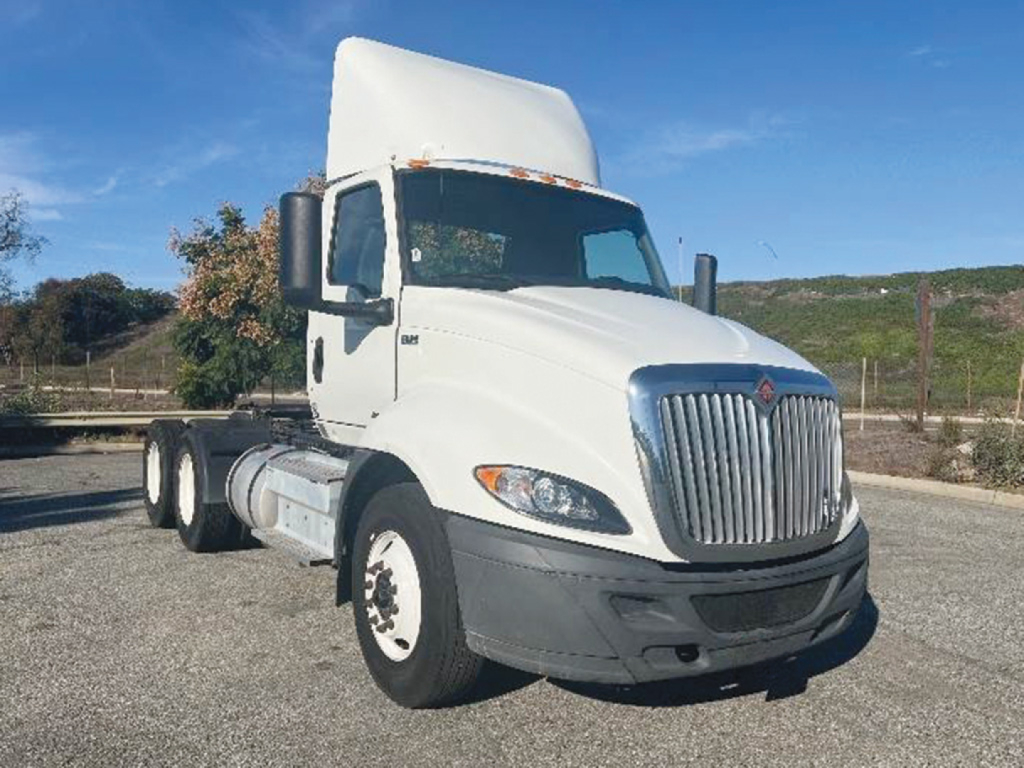
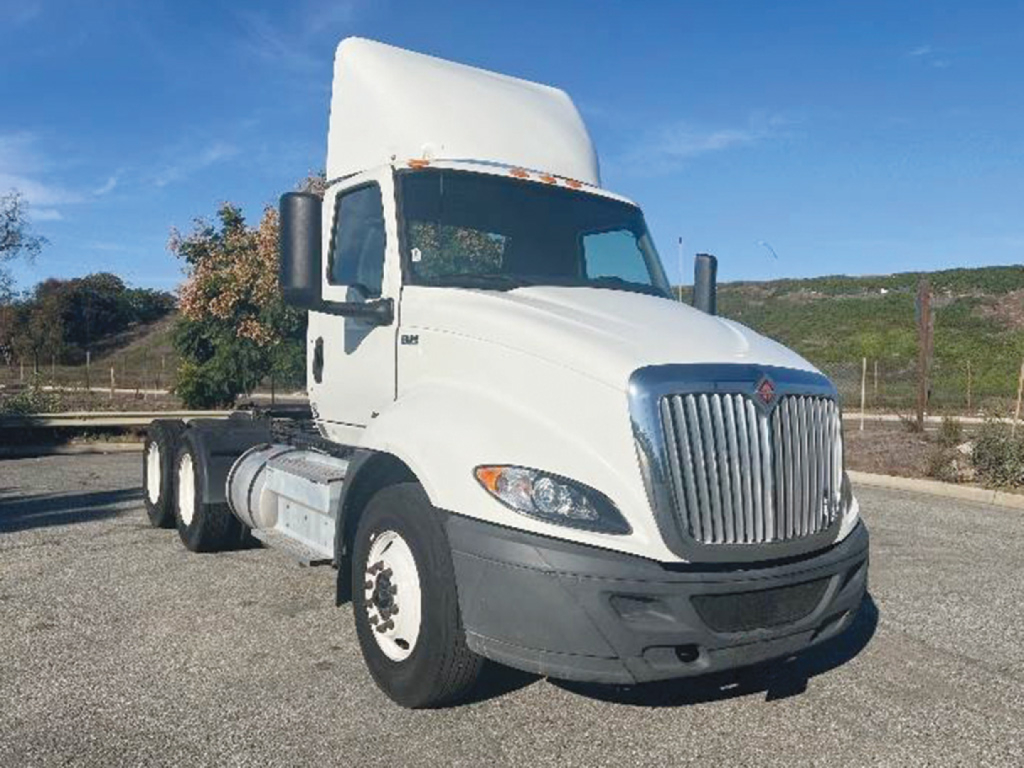
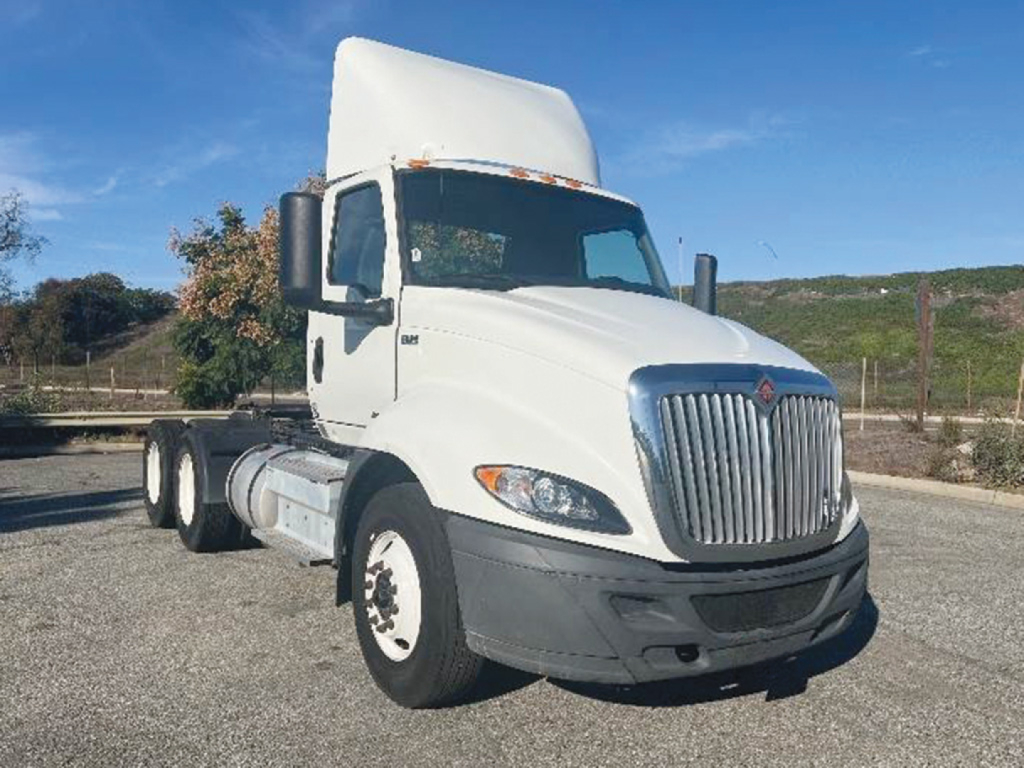
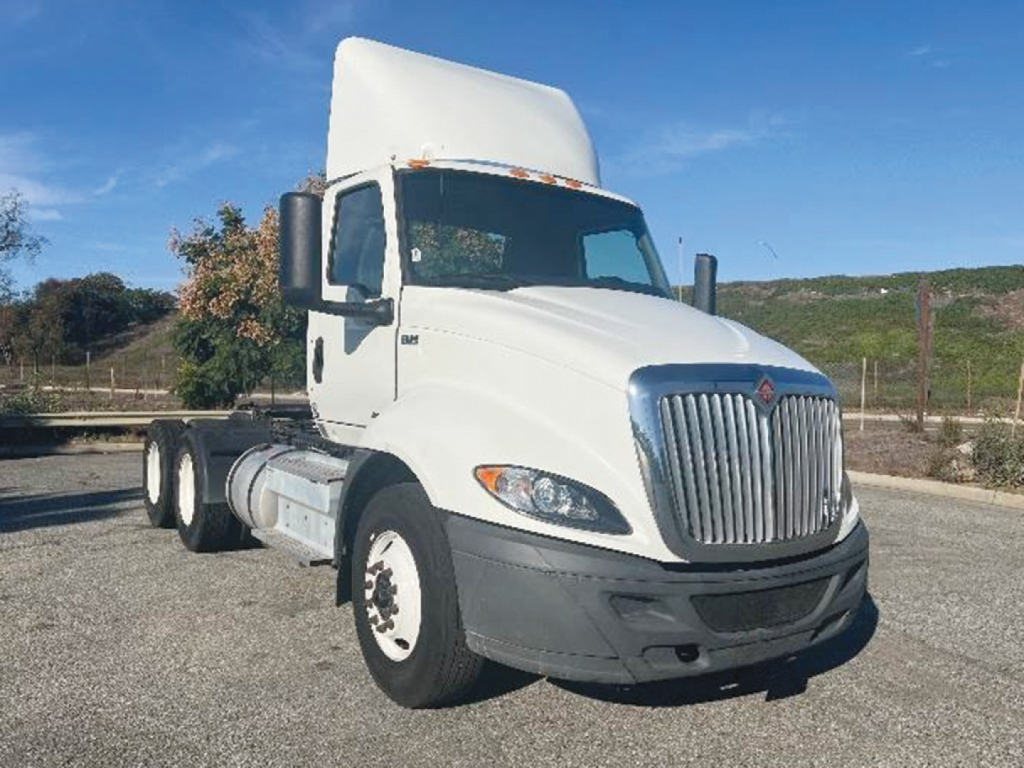
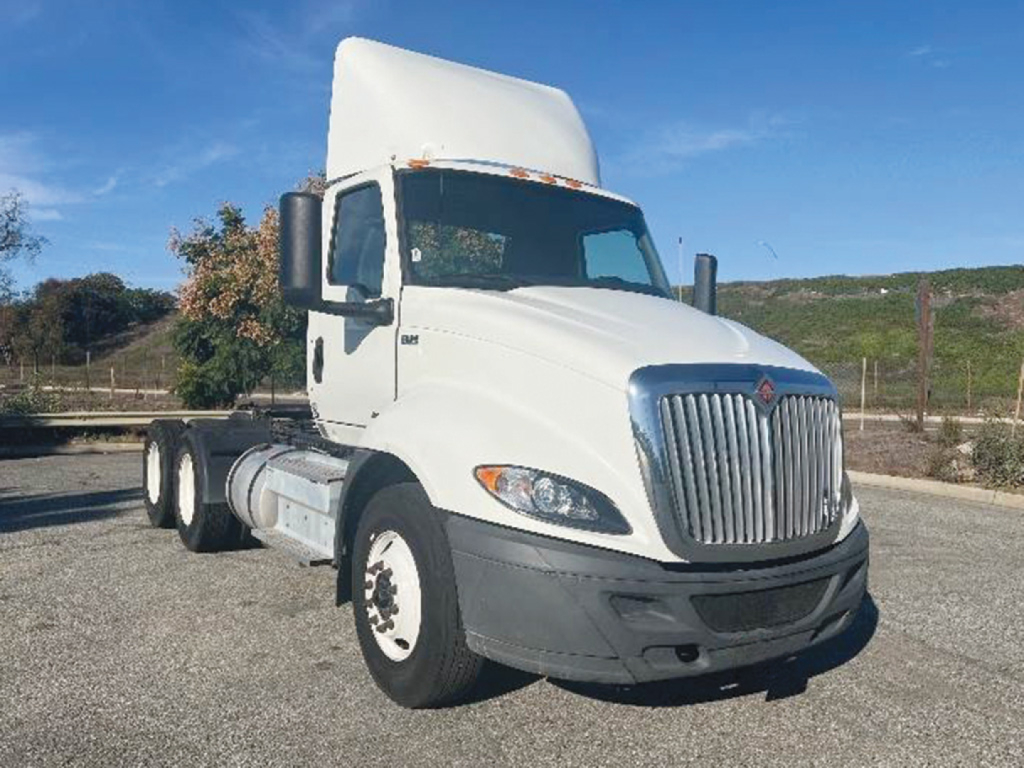
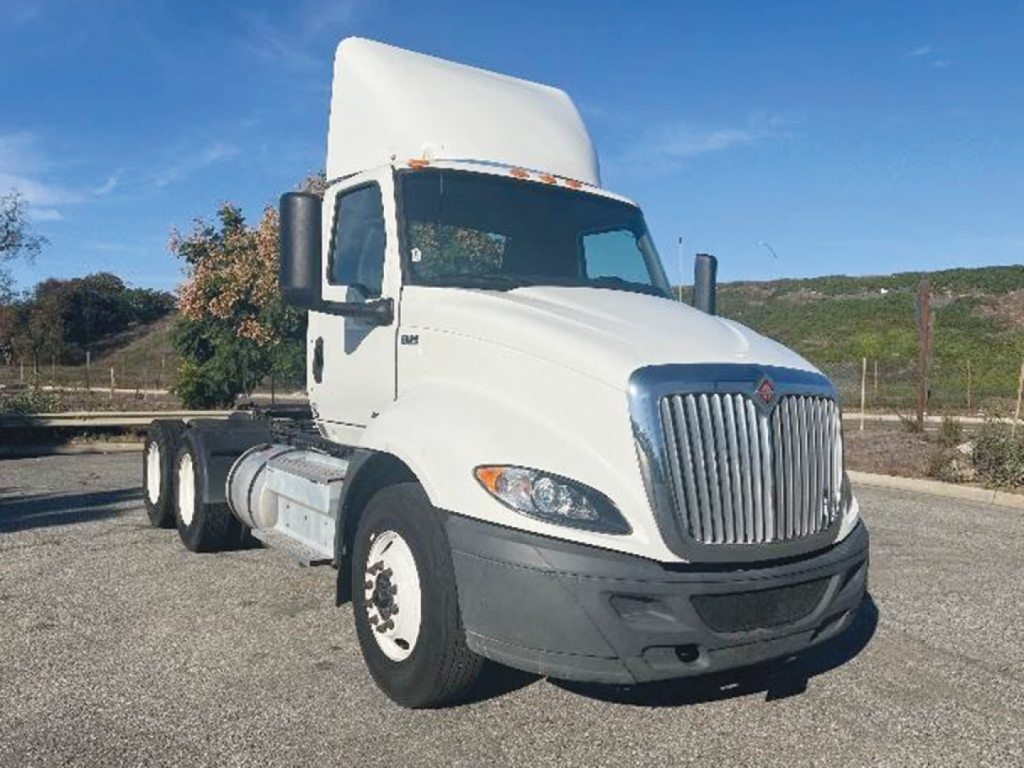
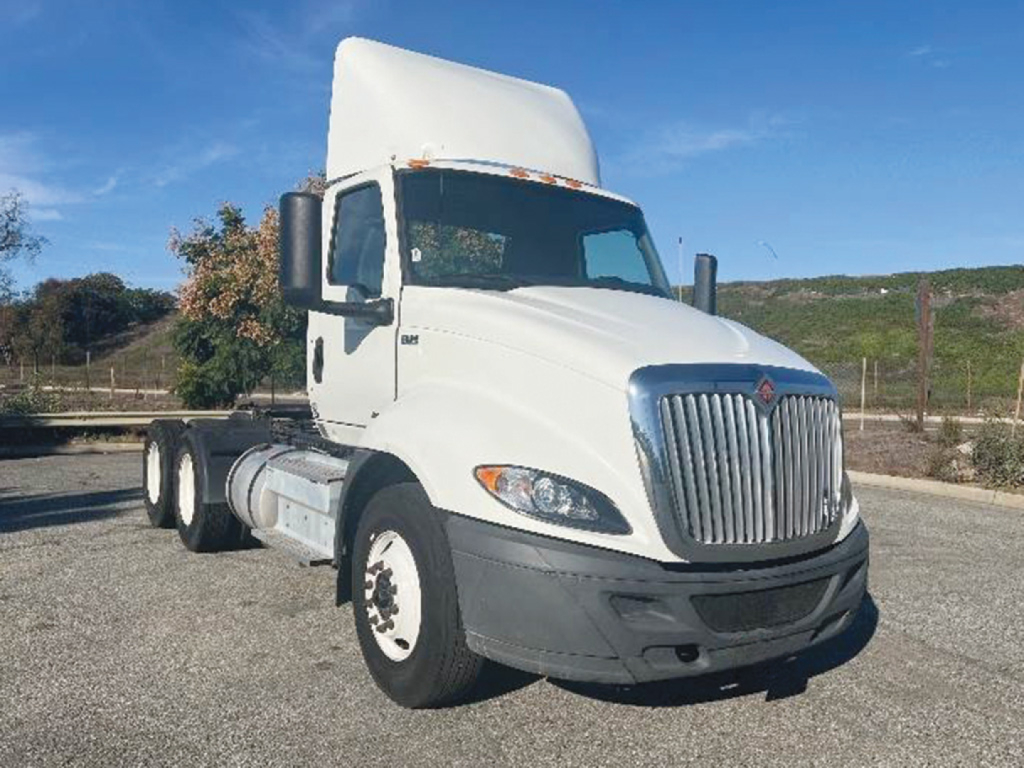
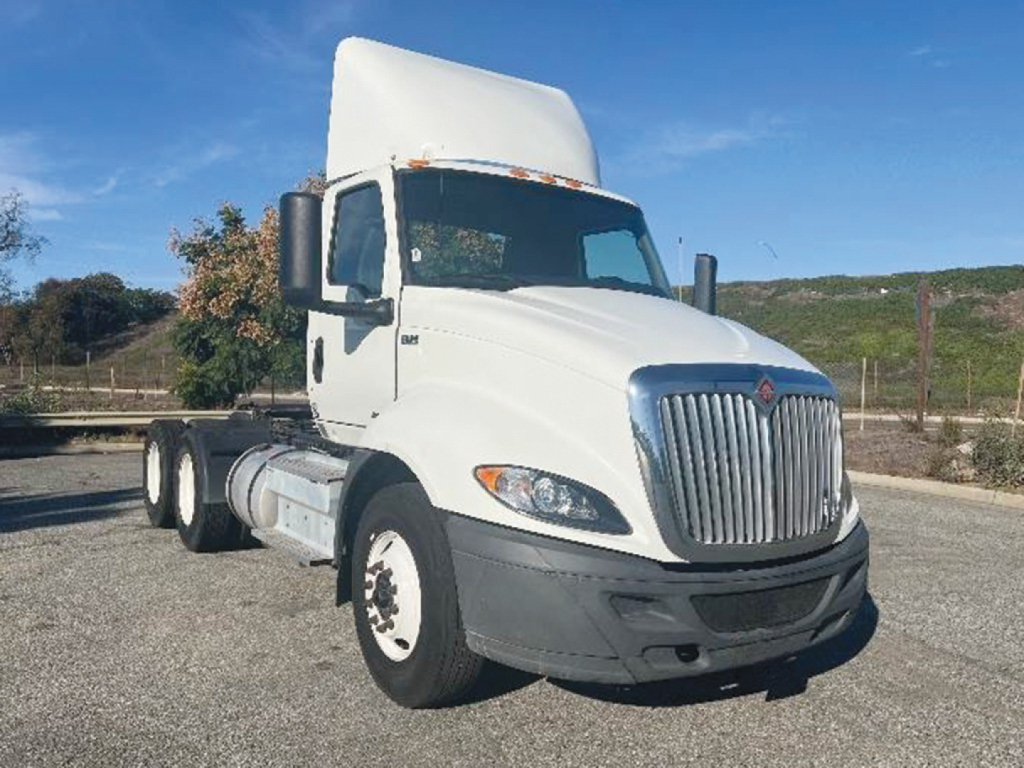
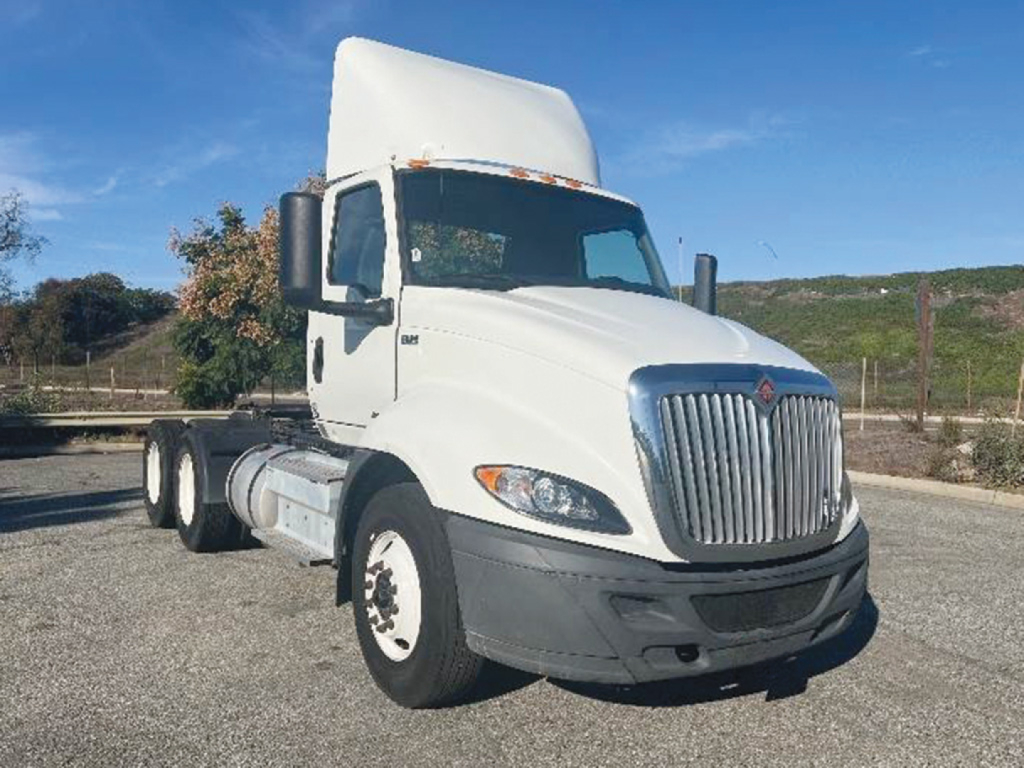
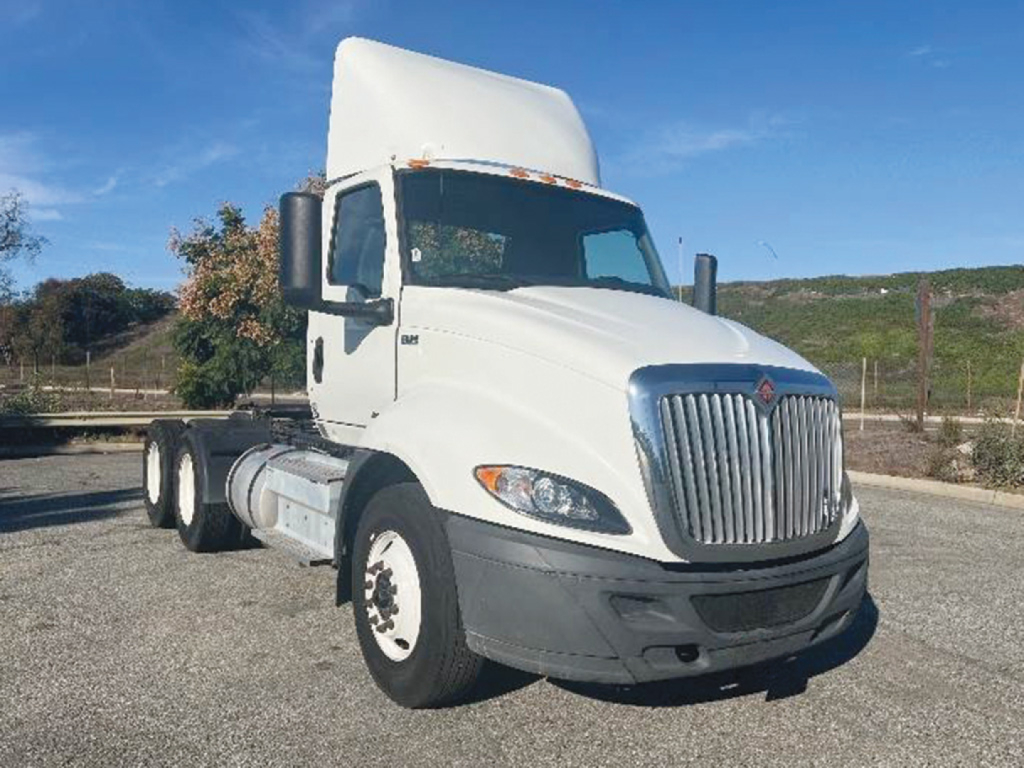
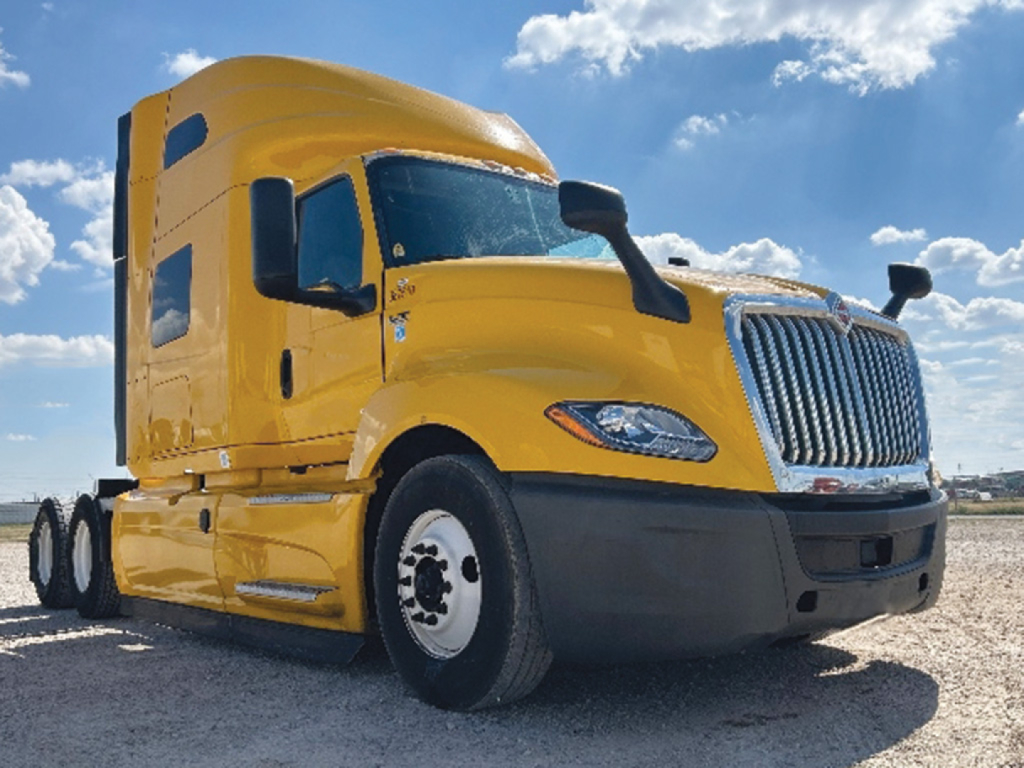
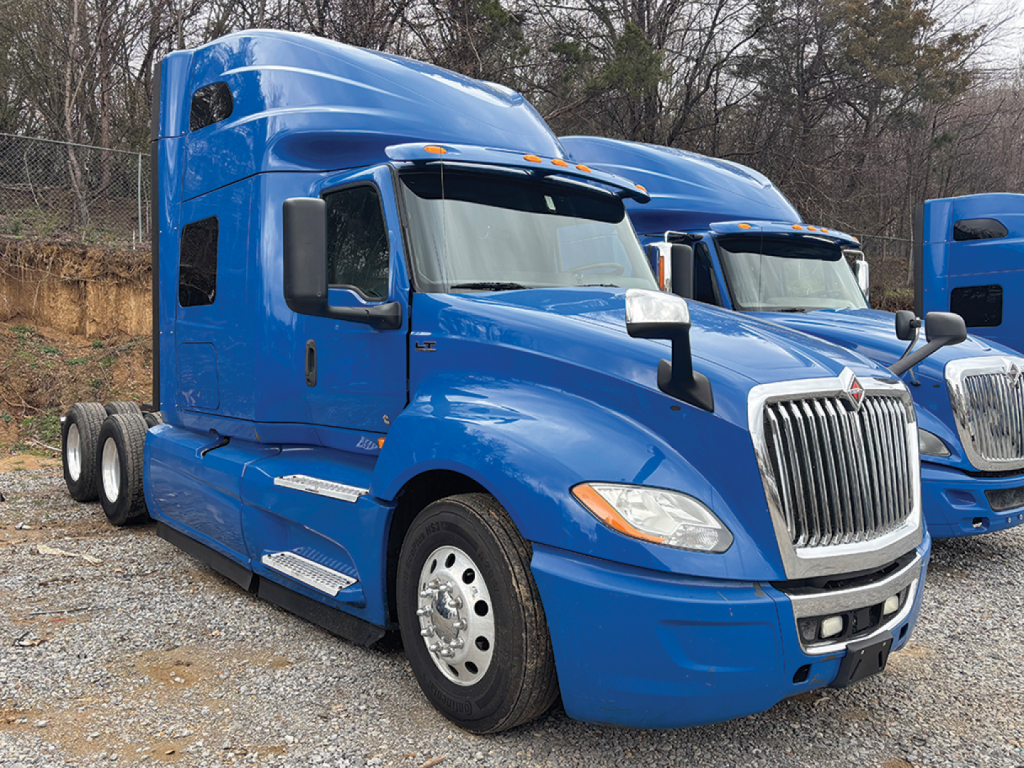
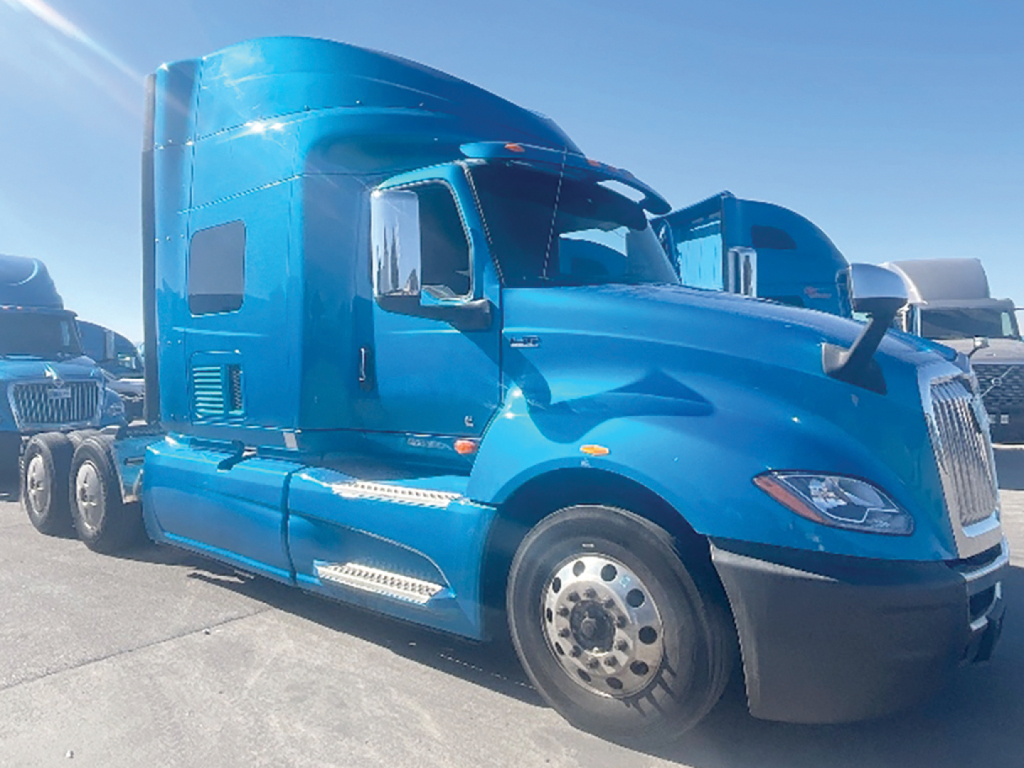
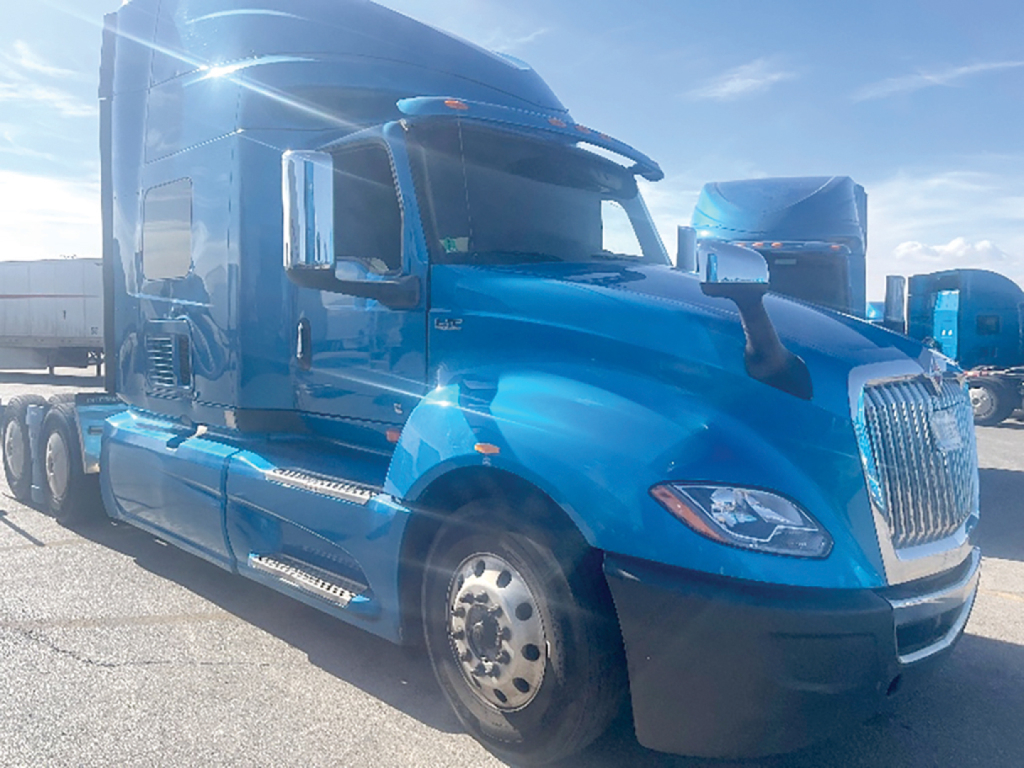
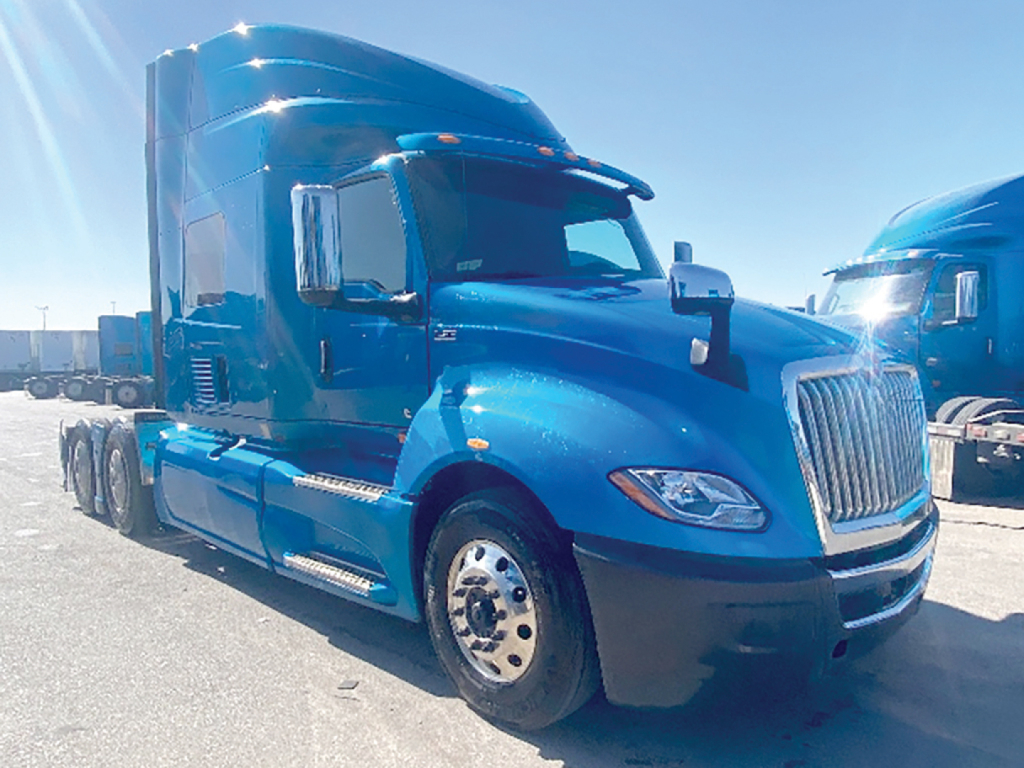
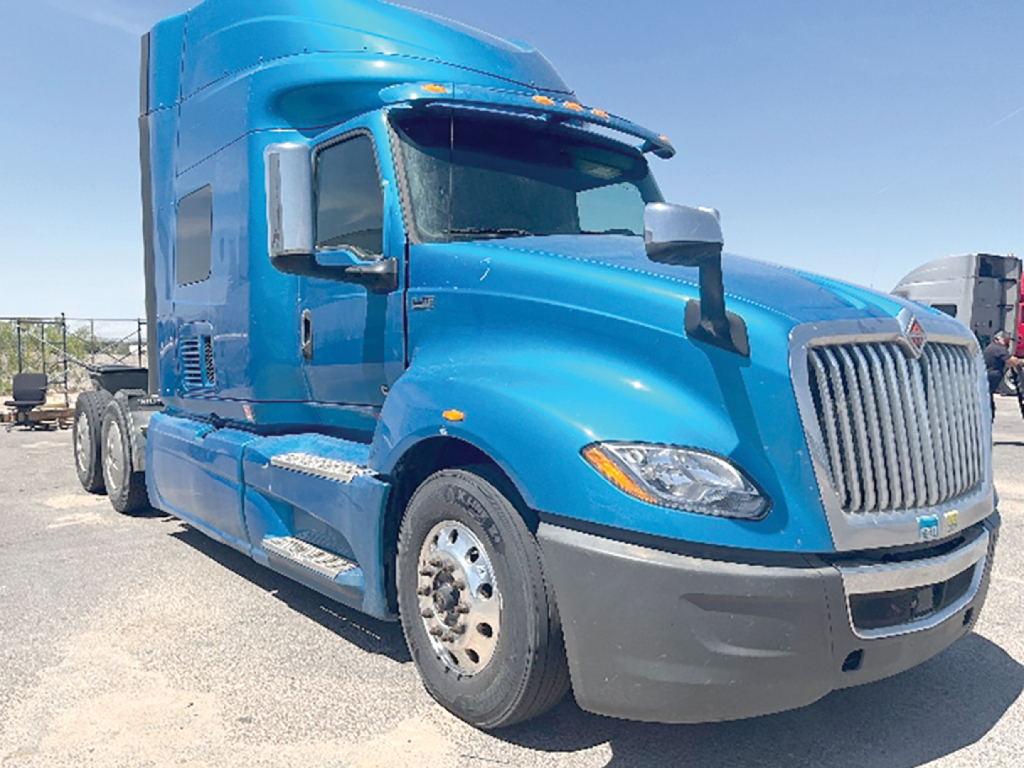
Showing 1 to 24 of 53 results
Have used international conventional sleeper truck to sell? List it here to reach thousands of buyers.
Used International Conventional Sleeper Trucks
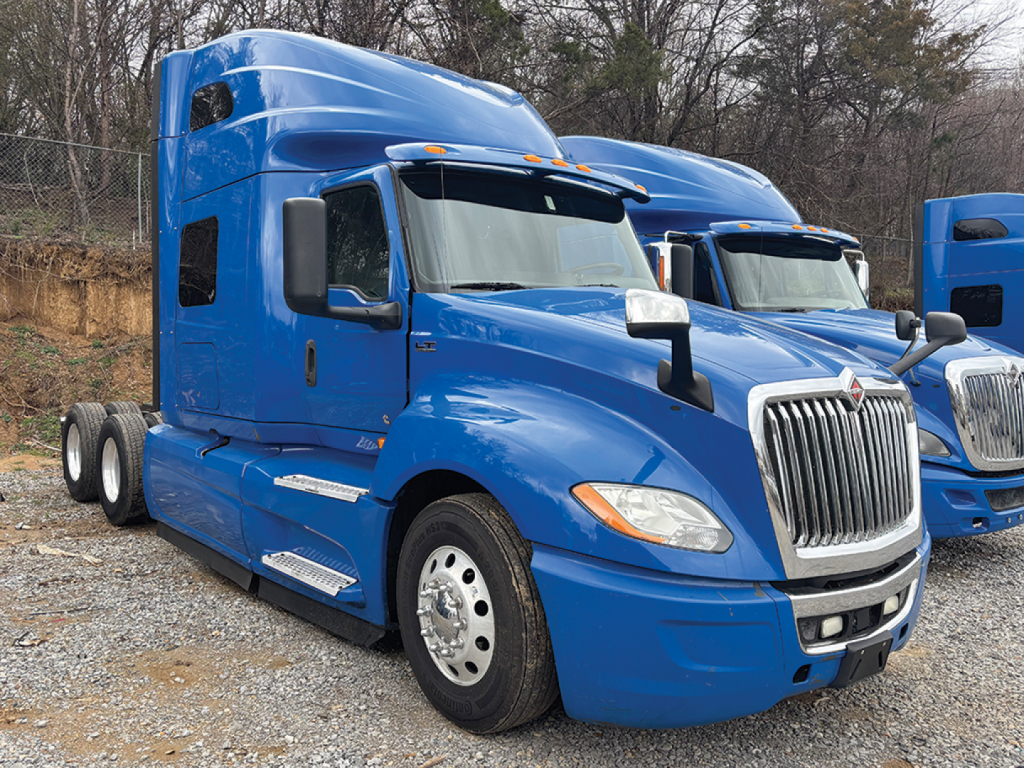
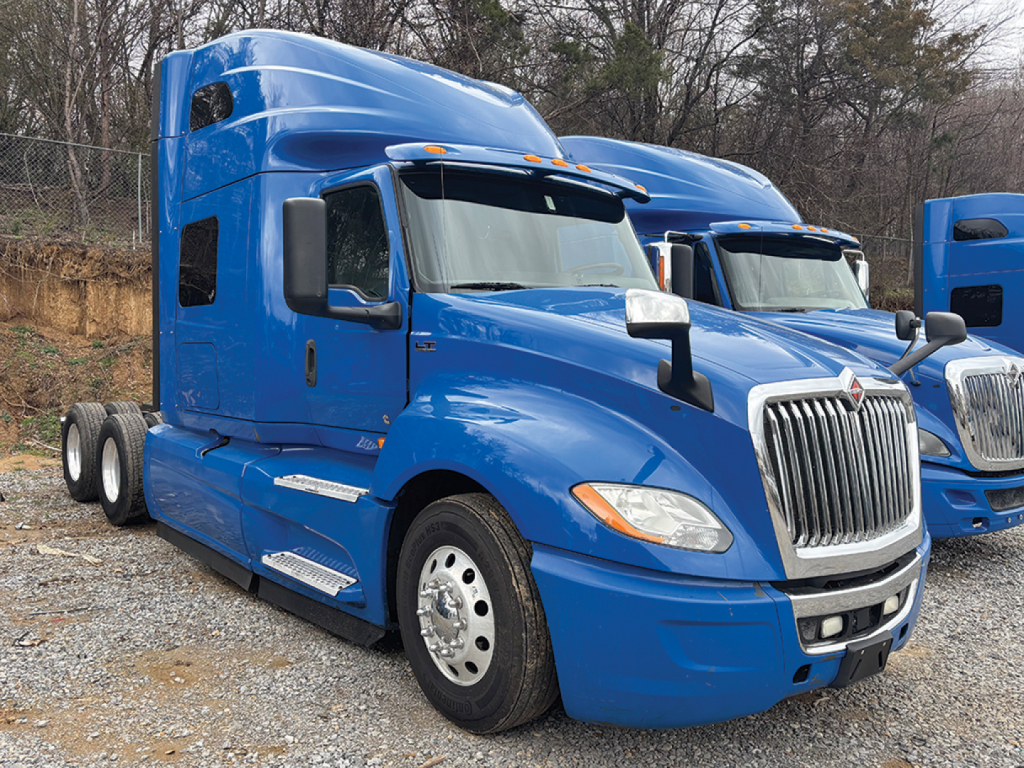
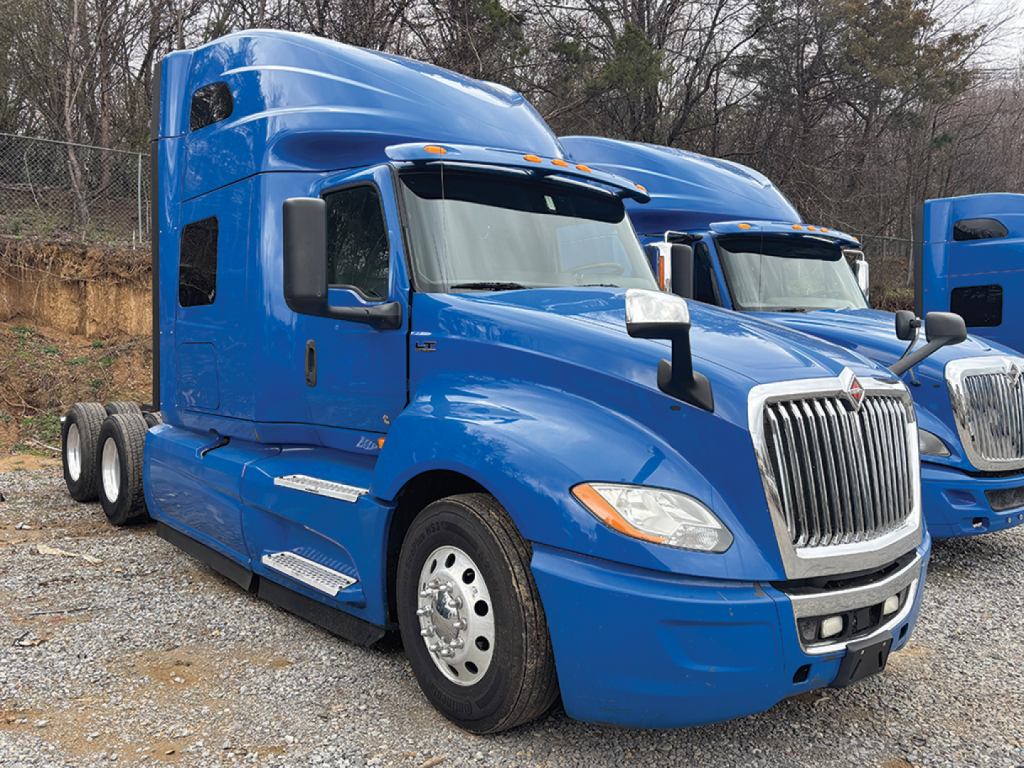
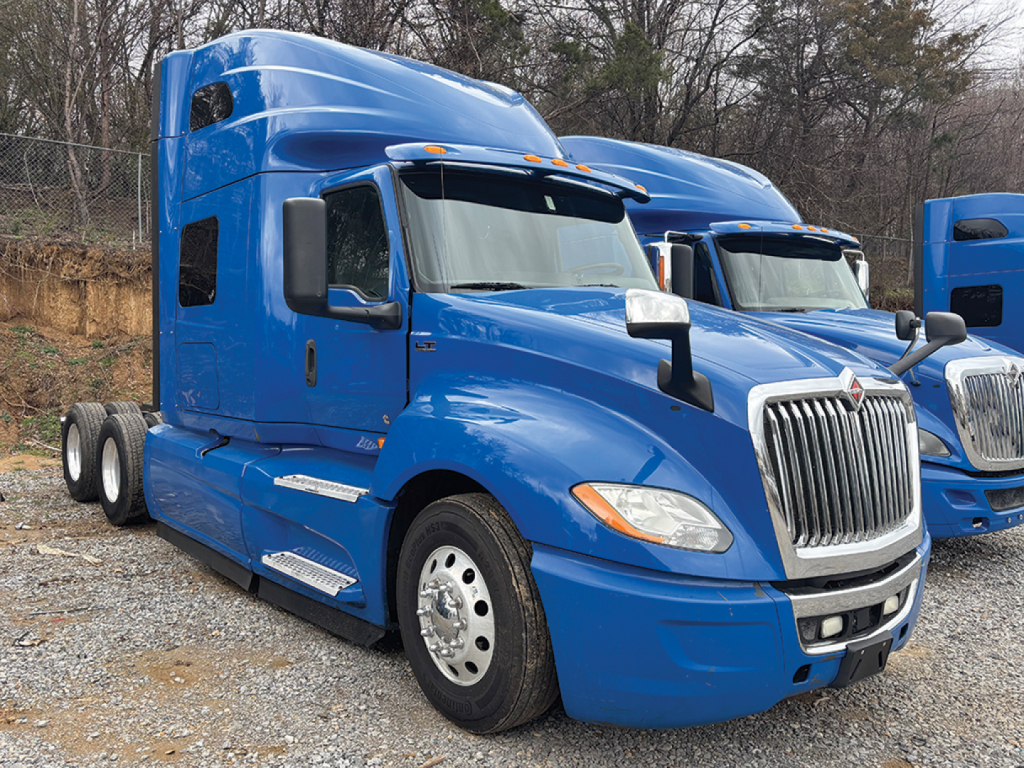
Model and aero strategy matter for fuel cost. The LT Series refined the ProStar’s shape with tighter bumper-to-tire clearances, better hood sealing, and improved A-pillar flow, typically netting a measurable mpg gain at highway speeds. LoneStar trades a bit of aero for driver appeal and a premium interior, while the older 9900i long-hood classics prioritize service access and durability over drag. Sleeper configurations range from compact 56-inch bunks to spacious 73-76 inch hi-rise layouts with ample cabinets and work surfaces. Productivity features worth weighing include factory or dealer-installed APUs, battery HVAC, Espar or Webasto bunk heaters, shore power, and inverter installs. Safety tech such as Bendix Wingman collision mitigation, lane departure alerts, and electronic stability control shows up on many 2017-plus builds and can lower risk and insurance costs.
Drivetrain spec sets the truck’s sweet spot. Expect Eaton Fuller 10, 13, and 18-speed manuals, plus UltraShift Plus and the Endurant 12-speed automated for downsped highway work. Pair direct-drive gearboxes with 2.28-2.64 ratios for flat-to-rolling lanes and light to medium GCW, or use overdrive with 3.08-3.55 ratios for hills, heavy freight, and variable terrain. Most units are 6x4 tandems with 40k rears; weight-conscious specs may be 6x2 to save several hundred pounds and improve mpg, at the expense of traction in poor conditions. International Ride Optimized Suspension, Hendrickson, or low-maintenance air-ride options are common. Look for aluminum wheels, low rolling resistance tires or wide-base singles if fuel economy is a priority, and consider air disc brakes for better stopping and reduced fade, especially on mountain routes. Fuel capacity typically spans 160-250 gallons total; long-haul buyers often prefer 200-plus for route flexibility.
Used-tractor evaluation should center on verifiable service history and emissions-system health. Pull an ECM download to verify mileage and idle hours, check forced-regen counts and DPF ash load, and inspect the SCR system for NOx sensor and doser history. An oil sample, CAC pressure test, coolant pressure test, and a thorough look at charge air boots, EGR coolers, and turbo actuators pay off. Inspect cab mounts, suspension bushings, kingpins, and brake lining life; confirm sleeper HVAC, bunk electronics, and APU operation. OnCommand Connection telematics on many Internationals can provide fault-code history and campaigns, and some late LTs support over-the-air updates. For route-specific compliance, verify emissions-year rules in states like California. The right International spec can deliver a low cost per mile, strong driver satisfaction, and straightforward parts support across a large dealer network.
Frequently Asked Questions about Used International Conventional Sleeper Trucks
Which used International engine is the best bet: Cummins X15 or International A26?
Both are proven in late-model sleepers. The Cummins X15 offers broad parts availability, strong torque options, and wide dealer familiarity. The International A26 is lighter, quiet, fuel efficient, and has a solid reliability record since its launch. For heavy or mixed terrain, many buyers prefer the X15 for its breadth of ratings. For weight-sensitive or mpg-focused lanes, the A26 is compelling. Earlier MaxxForce EGR-only engines are inexpensive but carry higher aftertreatment and cooling risk, so factor in a detailed inspection and potential repair budget.
What axle ratio and transmission pairing works best for highway fuel economy?
For primarily highway lanes at moderate GCW, a downsped setup is ideal: a direct-drive 12-speed automated like the Eaton Endurant with 2.28-2.64 axle ratios and tall tires to keep cruise rpm low. Flat-to-rolling routes benefit most. If you run mountains, heavier loads, or variable terrain, consider an overdrive transmission with 3.08-3.55 ratios or a 13-speed manual to maintain gradeability and drivability without excessive shifting.
Are 6x2 International sleepers a good choice?
They can be, if spec’d and operated correctly. A 6x2 tandem reduces weight and parasitic loss, improving mpg and payload. The trade-off is reduced traction on slick surfaces and increased tire management needs. Look for axle load management systems, good traction control, auto-lube where applicable, and disciplined tire rotation. If you routinely see snow, mud, or off-pavement sites, a traditional 6x4 with inter-axle lock may be the safer choice.
Which sleeper size and roof height should I choose?
Match the sleeper to freight and driver needs. Hi-rise 72-76 inch sleepers suit dry van or reefer with tall trailer fairings and maximize storage and stand-up room. Mid-roof sleepers pair well with flatbed or step-deck to reduce profile and crosswind drag. Smaller 56-60 inch bunks save weight and wheelbase for regional OTR or team operations that prioritize quick turns over extended off-duty time. Verify cabinet layout, HVAC, inverter capacity, and any APU or battery HVAC to fit your operating style.
What should I inspect on the aftertreatment system before buying?
Request an ECM download and look at DPF ash load, regen frequency, and fault history for NOx sensors, DEF doser, and ammonia sensor. Confirm the DEF pump primes quickly, check for crystallization at fittings, and inspect wiring near the SCR catalyst. A forced regen should complete promptly and reach target temps. Review EGR cooler and valve service history, examine for exhaust leaks, and factor in age-related maintenance like DPF cleaning or replacement intervals if the truck is near its ash-cap limit.