
Conventional Sleeper Trucks For Sale in California
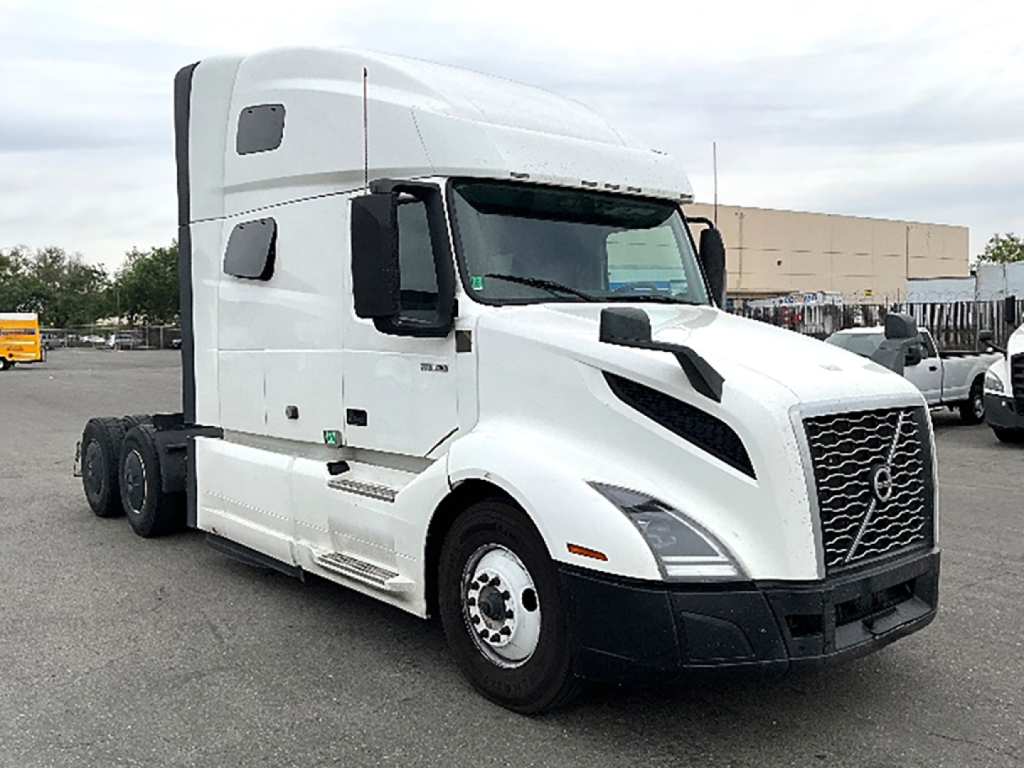
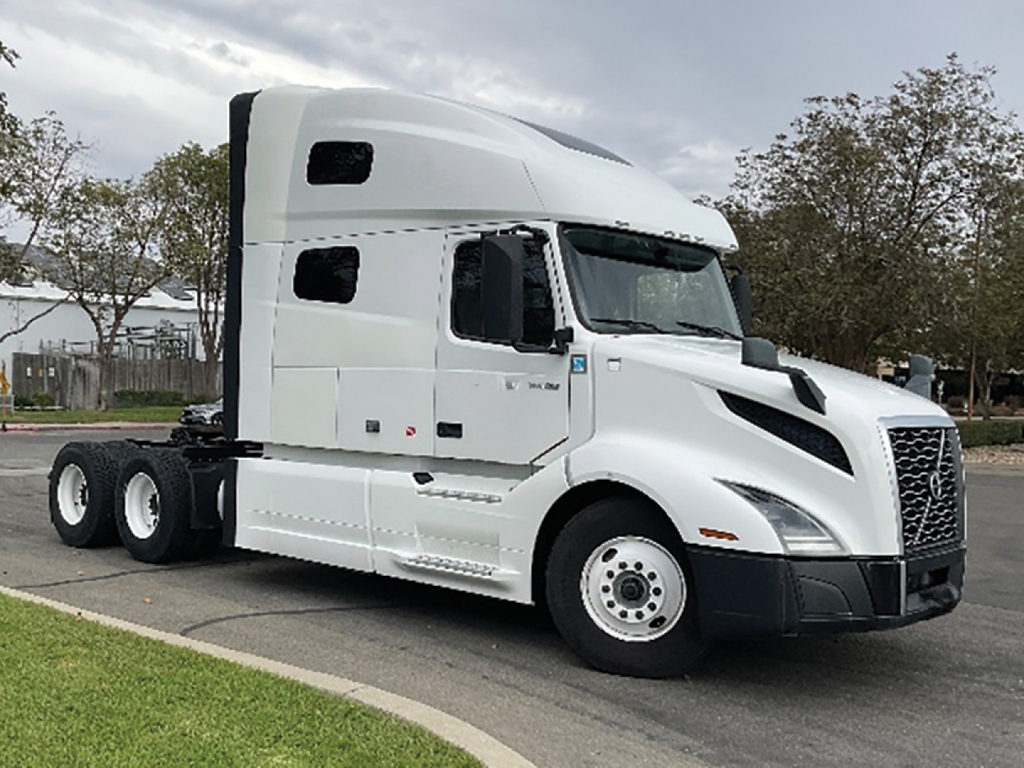
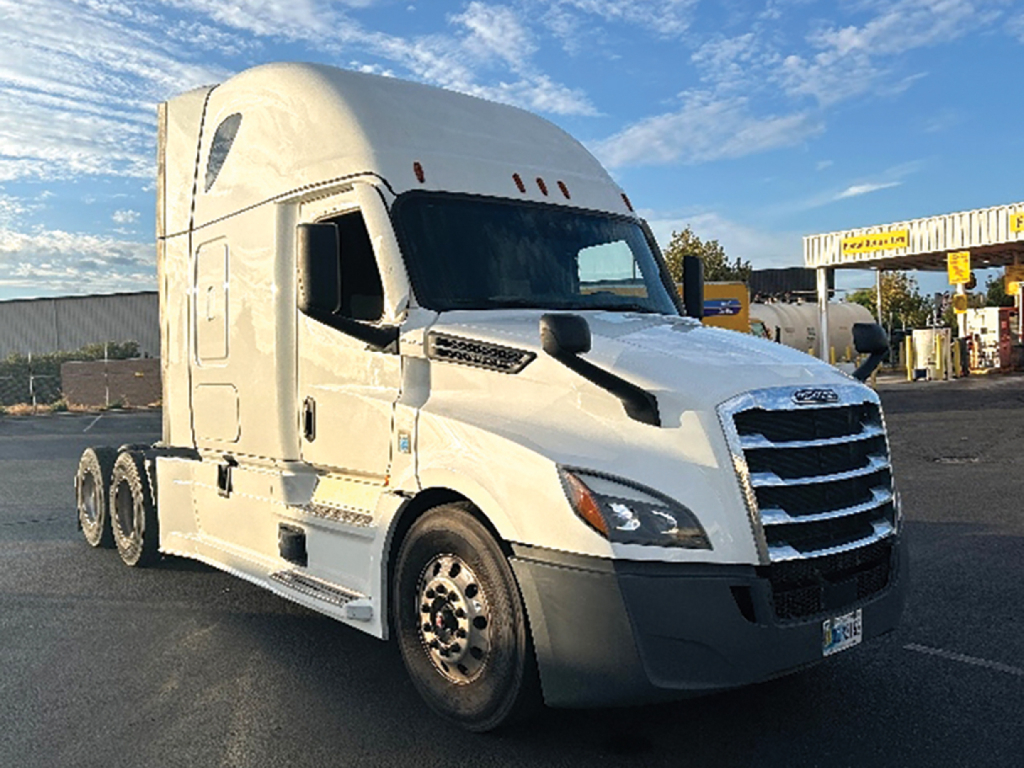
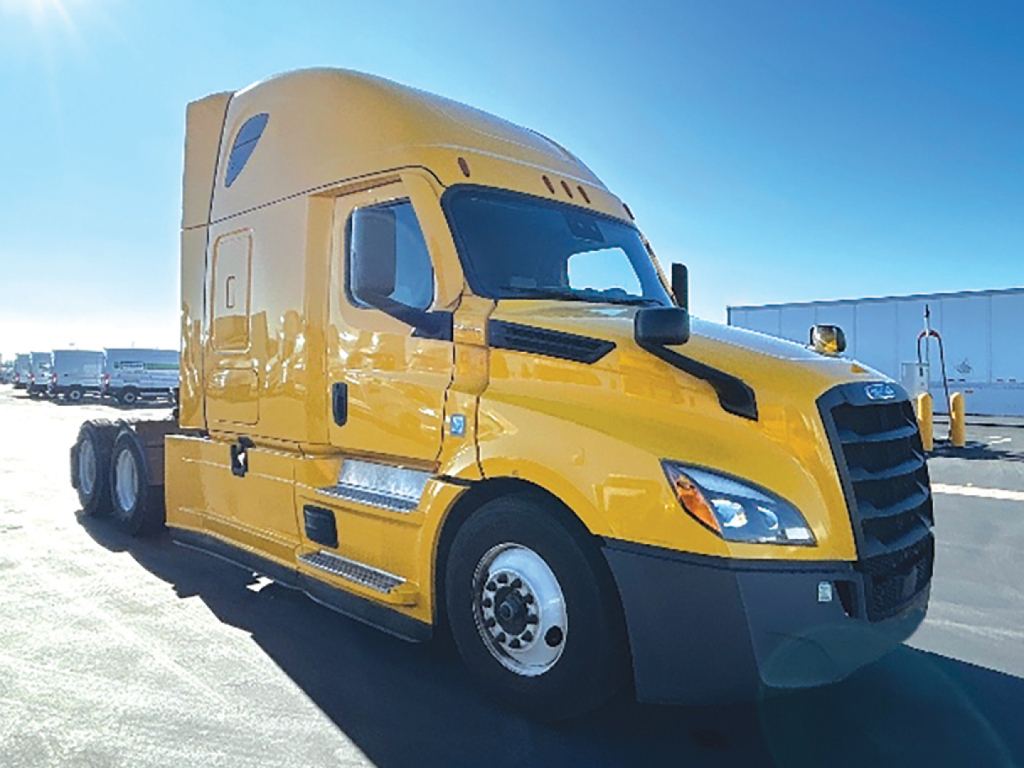
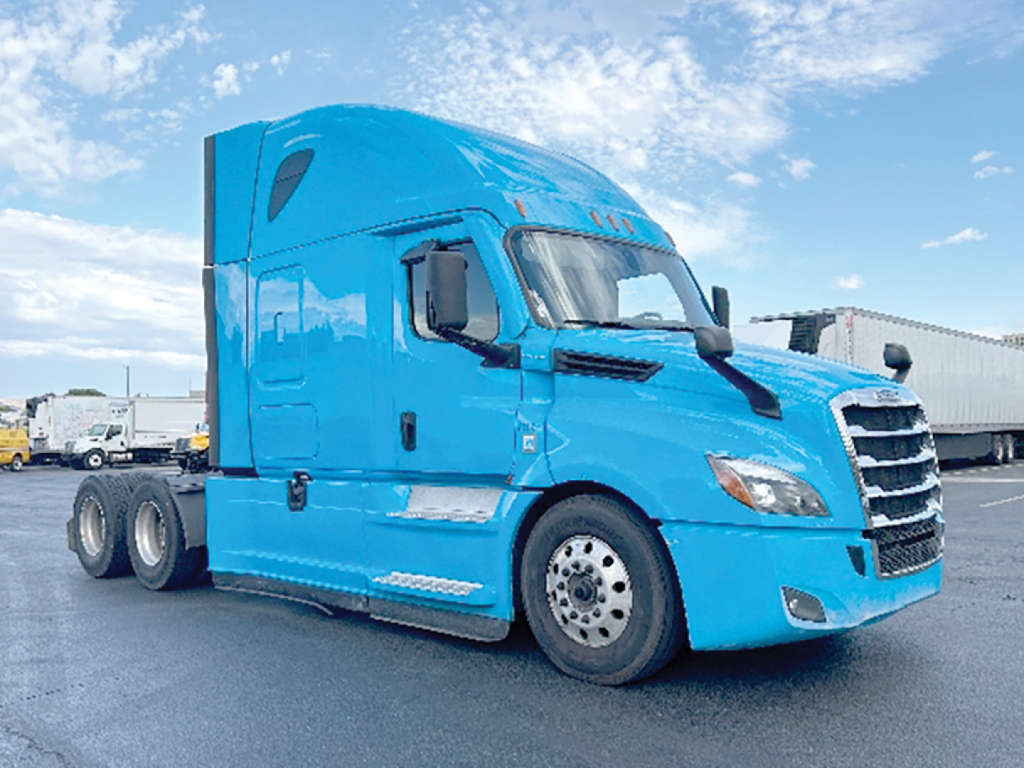
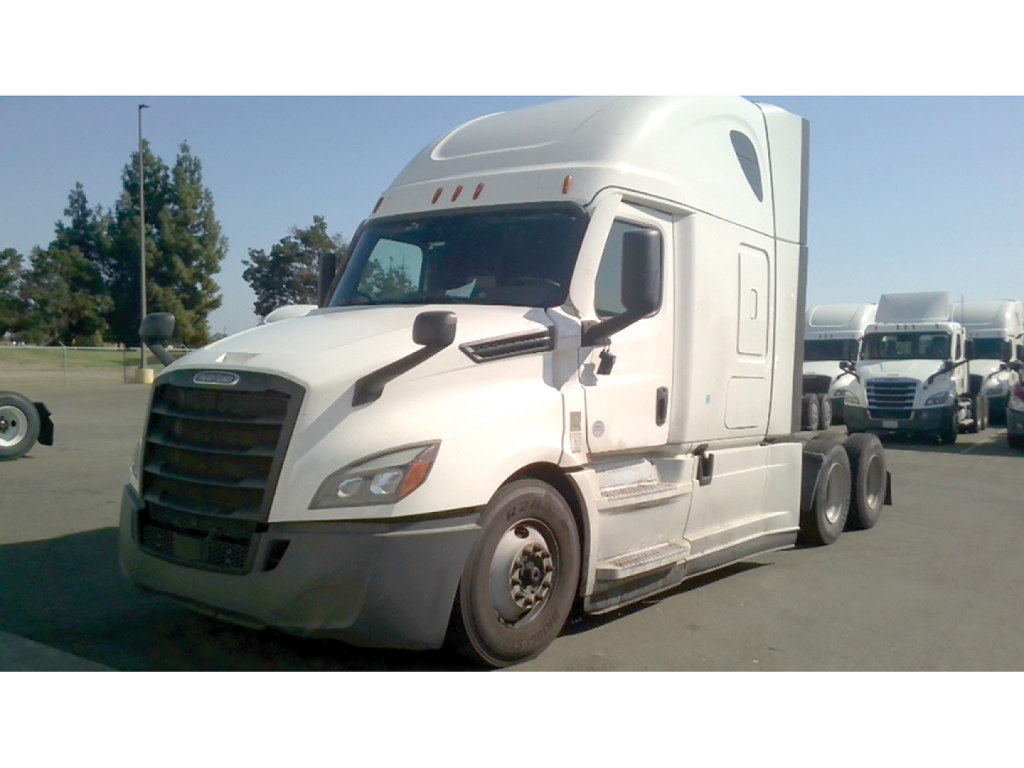
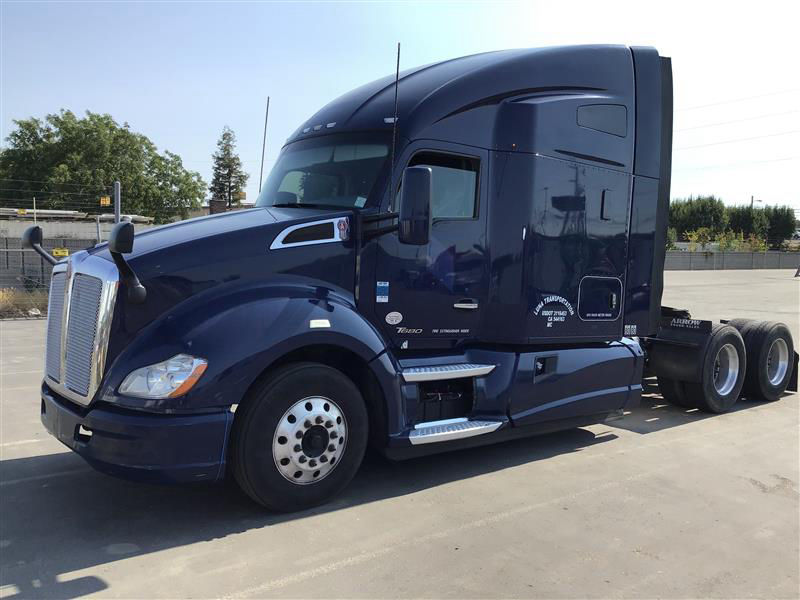
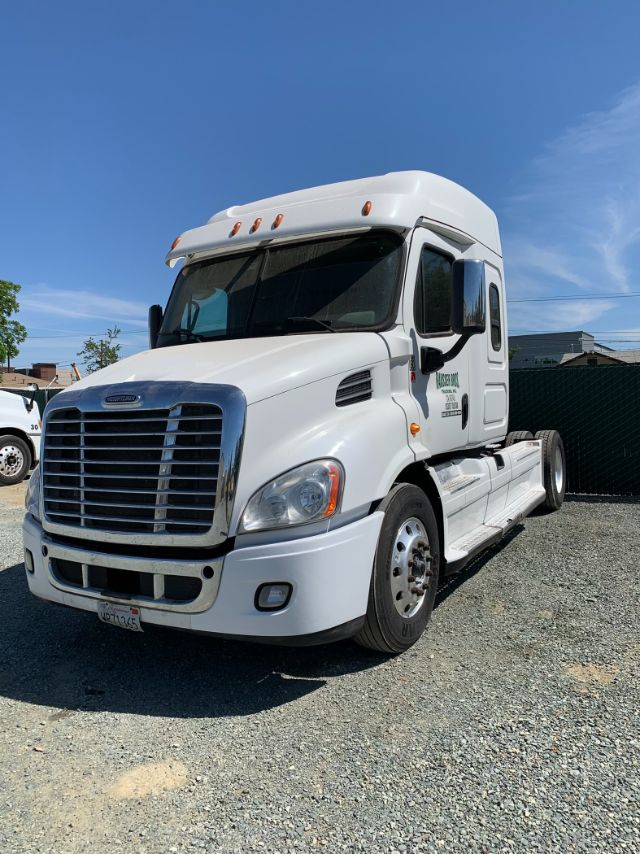
Showing 25 to 34 of 34 results
Have conventional sleeper truck to sell? List it here to reach thousands of buyers.
Conventional Sleeper Trucks in California
Powertrain choices should match your lanes. For I-5 and Central Valley linehaul, a 13L engine with a 12-speed automated manual and a downsped direct-drive setup can deliver strong fuel economy at California’s 55 mph truck limit. For heavier 80K GCW across the Grapevine or the Sierras, many buyers prefer a 15L with higher continuous torque, robust engine brake performance, and axle ratios suited to grade work. Typical specs range from 2.16 to 2.64 in direct-drive or 2.64 to 3.08 in overdrive, depending on tire size and target cruise speed. A 6x4 tandem is still common for traction on mountain passes, while 6x2 can save weight and fuel on flatter lanes but may trade off grip. Prioritize healthy cooling packages, chassis disc brakes where possible, and collision-mitigation systems for dense California traffic.
Sleeper configuration impacts productivity and driver retention. High-roof 72 to 76 inch sleepers with double bunks and integrated cabinets suit team operations and longer hauls, while mid-roof 60 to 68 inch sleepers pair well with flatbed or tanker for clearance and weight savings. Look for factory inverters, 12V and 120V outlets, refrigerator prep, and battery HVAC that can keep the cab comfortable without idling. Aerodynamic conventionals reduce drag and can improve fuel economy by 0.5 to 1.5 mpg over classic long-hood designs, which some buyers still choose for serviceability or resale in certain markets.
Chassis dimensions and trailer interface matter on California roads. A sliding fifth wheel, appropriate kingpin setting, and a manageable wheelbase help meet 40-foot kingpin-to-rear-axle limits on certain non-STAA routes and ease access to tight urban docks. Typical long-haul tractors fall in the 220 to 244 inch wheelbase range; shorter wheelbases turn tighter but may limit fuel capacity. Smart add-ons include automatic tire inflation, wide-base singles or low-rolling-resistance duals, aluminum wheels to shed weight, and sturdy scuff protection on fairings for chain season in the Sierra. For used units, request aftertreatment service records, OBD readiness reports, recent DPF cleaning or replacement history, and documentation on NOx sensor or DEF system repairs. These items often determine both uptime and eligibility to operate in California.
Frequently Asked Questions about Conventional Sleeper Trucks in California
What makes a conventional sleeper truck compliant to operate in California?
Most fleets target a 2010 or newer diesel with fully intact aftertreatment, no emissions deletes, and the ability to pass California’s heavy-duty I/M OBD compliance checks. California limits idling to five minutes, so battery HVAC, bunk heaters, shore power, or a CARB-compliant APU is important. If you need port access, make sure the truck meets drayage requirements; new drayage registrations are moving to zero-emission under CARB’s Advanced Clean Fleets, while existing 2010-plus diesel drayage trucks are allowed only for a limited remaining service life.
Which engine and axle ratio work best for California routes and grades?
For flat Valley and coastal lanes at 55 mph, a 13L engine with a 12-speed automated manual and a downsped direct-drive axle ratio around 2.16 to 2.47 can be efficient. For frequent 80K GCW over the Grapevine or I-80 in the Sierras, many buyers prefer a 15L with stronger engine braking and ratios in the 2.64 to 3.08 range if paired to an overdrive transmission. Tire size, expected cruise speed, and grade severity should guide the final ratio. Prioritize a strong cooling package and retarder performance for sustained descents.
How do sleeper size and roof style affect daily operations in California?
Large high-roof sleepers around 72 to 76 inches offer headroom and storage for teams or extended OTR, improving driver satisfaction on long California-to-interstate lanes. Mid-roof sleepers in the 60 to 68 inch range save weight, improve trailer clearance for flatbed or tanker, and can slightly reduce aero drag when matched to the trailer profile. Battery HVAC, inverters, and fridge prep reduce idling and fuel burn while staying within California idling rules.
What is the California 40-foot kingpin-to-rear-axle (KPRA) consideration and why does it matter?
Some non-STAA routes and local jurisdictions in California enforce a 40-foot KPRA limit that affects how far back the trailer tandems can be relative to the kingpin. A tractor with a sliding fifth wheel, appropriate kingpin setting, and a practical wheelbase makes it easier to meet KPRA limits and access tight docks. While 53-foot trailers are legal on the STAA network, you may still face KPRA constraints on local streets, at ports, or when serving certain customers.
What should I inspect on a used California-ready sleeper before buying?
Ask for a recent OBD readiness report, verify there are no tamper codes, and review DPF ash load or miles since the last cleaning. Inspect the DEF pump, lines, and tank for crystallization, check NOx sensors and wiring, and scan for history of forced regens. Confirm battery HVAC or APU functionality, inverter output, and alternator capacity. A road test on grade to evaluate engine brake strength and transmission shift logic, plus a cooling system pressure test, will help confirm the truck is set for California terrain and temperatures.