
Volvo Conventional Sleeper Trucks For Sale in California
Browse Volvo conventional sleeper trucks in California. Compare VNL cab sizes, D13 power, I-Shift specs, axle ratings, and sleeper layouts.

Have volvo conventional sleeper truck to sell? List it here to reach thousands of buyers.
Volvo Conventional Sleeper Trucks in California
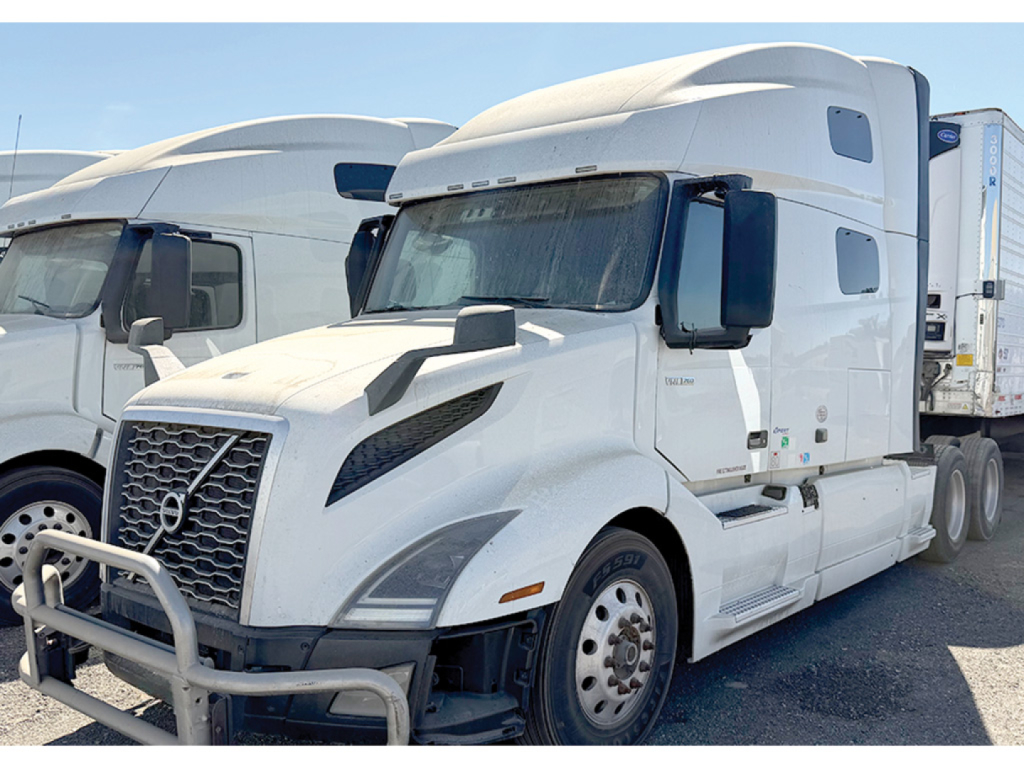
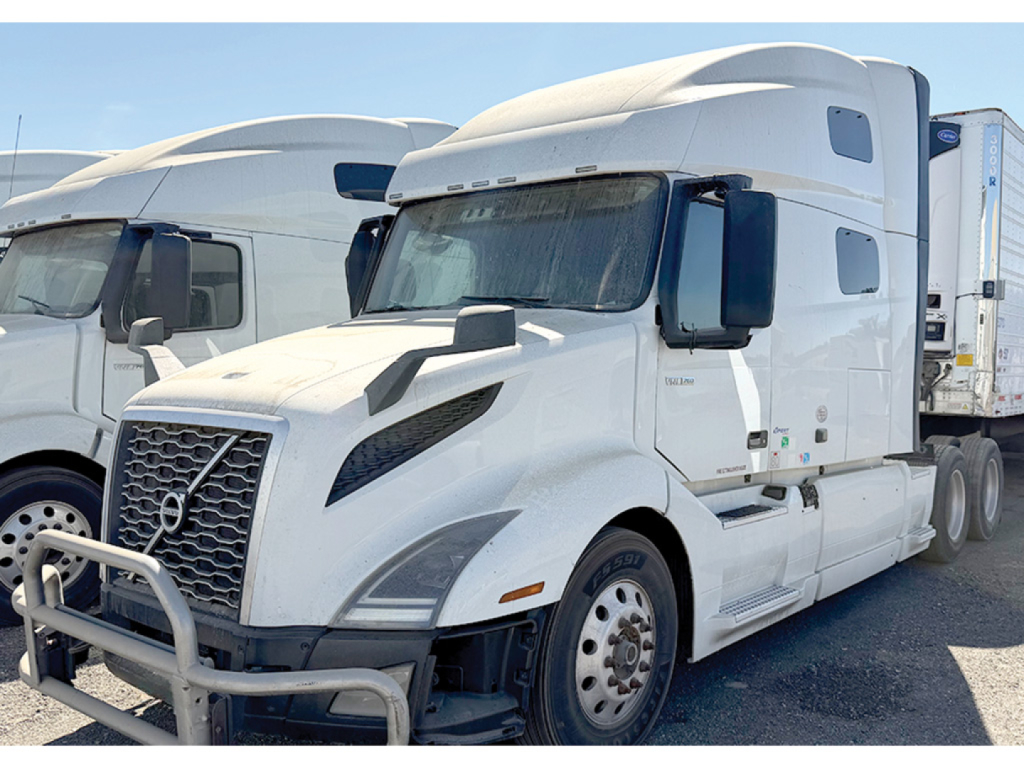
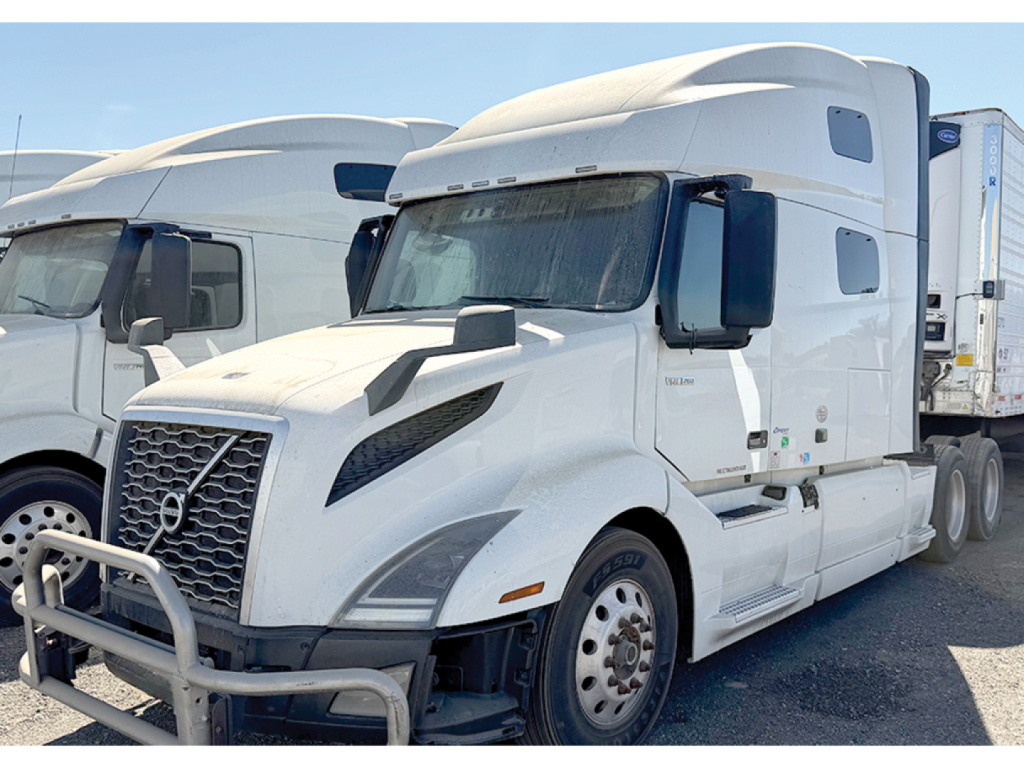
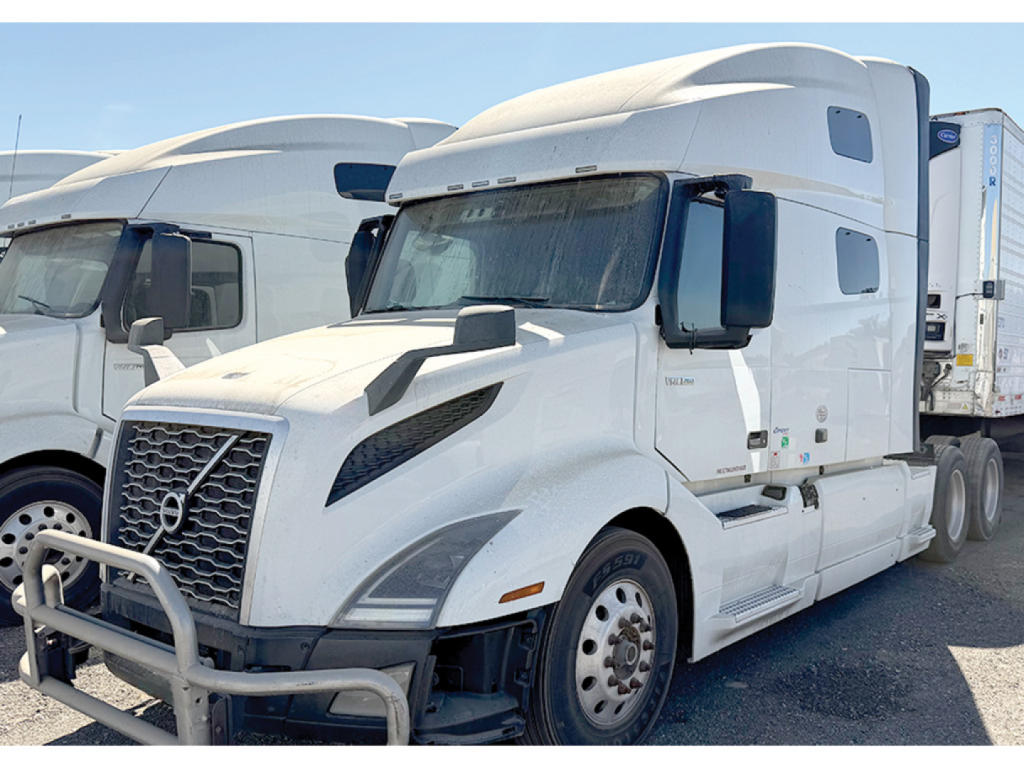
Sleeper size and wheelbase are major decision points in this category. A VNL 860 typically gives you a larger condo-style sleeper with more standing room and storage, while smaller VNL sleeper variants can improve maneuverability and reduce overall weight. Buyers should compare bunk layout, cabinet space, fridge provision, inverter setup, and whether the truck has an upper bunk if team operation is part of the plan. On the chassis side, common specs include tandem rear axles rated around 40,000 pounds, air ride suspension, sliding fifth wheel, and rear axle ratios selected for highway speed efficiency. California operators also tend to pay close attention to fairings, idle management features, and overall aerodynamic package because those details can make a real difference in fuel spend over high annual miles.
The Volvo D13 is one of the most common engines in these conventional sleeper trucks, often found in ratings around the mid-400 horsepower range for general dry van, reefer, and dedicated route work. Paired with the I-Shift, it delivers smooth shifting and helps reduce driver fatigue in heavy traffic, mountain grades, and urban congestion. That matters in California, where a truck may run port freight, cross-state lanes, and western regional routes in the same week. Buyers should still verify emissions equipment condition, software updates, service history, and any signs of excessive idle time or aftertreatment issues. Brake spec, tire size, wheel material, and fuel capacity also deserve a close look, especially if the truck will be used on longer western runs where range and weight balance are important.
A Volvo conventional sleeper is also known simply as a highway sleeper tractor or sleeper cab semi truck. This category appeals to fleets and owner-operators who want a modern aerodynamic tractor with strong safety integration and a cab designed around the driver. When comparing listings, pay attention to sleeper length, roof height, engine brake spec, transmission model, axle ratio, wheelbase, and interior condition. Those details tell you far more about how the truck will fit your freight, drivers, and operating cost targets than model year alone.
Frequently Asked Questions about Volvo Conventional Sleeper Trucks in California
What is the difference between a Volvo VNL 760 and VNL 860 sleeper truck?
The main difference is sleeper size and interior living space. A Volvo VNL 860 generally has a larger sleeper with more room for standing, storage, and extended over-the-road use, while the VNL 760 still provides a full sleeper but in a slightly more compact package. Buyers choosing between them usually weigh driver comfort, total vehicle weight, wheelbase, and maneuverability against the need for extra cabinet space and long-haul amenities.
Is the Volvo D13 with I-Shift a good setup for a sleeper truck?
Yes. The Volvo D13 and Volvo I-Shift combination is one of the most common and widely accepted setups in the conventional sleeper market. It is popular because it supports strong fuel economy, smooth automated shifting, and reduced driver fatigue compared with a traditional manual transmission. Buyers should still review maintenance records, clutch and transmission calibration history, and aftertreatment condition because performance depends heavily on upkeep.
What specs matter most when buying a used Volvo conventional sleeper in California?
The most important specs usually include sleeper size, engine horsepower, transmission model, axle ratio, rear axle rating, wheelbase, and fuel tank capacity. In California, emissions system health is especially important, along with aerodynamic equipment, idle management, and service records. Buyers should also inspect the condition of the bunk area, dash electronics, fairings, suspension, brakes, and tires because these items affect both uptime and total operating cost.
What kind of freight are Volvo conventional sleeper trucks commonly used for?
These trucks are commonly used for dry van, refrigerated freight, dedicated contract lanes, and general long-haul over-the-road work. A Volvo sleeper can also fit western regional operation where drivers need overnight accommodations but still want a fuel-efficient aerodynamic tractor. The exact application depends on horsepower, axle ratio, wheelbase, and how the truck is spec'd for trailer type and payload.
How do axle ratio and wheelbase affect a Volvo sleeper truck?
Axle ratio affects the balance between fuel economy, cruising RPM, startability, and grade performance. A faster ratio can help lower engine RPM on the highway, while a different ratio may better suit heavier loads or more varied terrain. Wheelbase affects ride quality, trailer gap, turning radius, and how the truck carries fuel and sleeper weight. These two specs should be matched to the lanes, trailer length, and payload profile the truck will actually run.