
2020 Commercial Trucks For Sale in Texas
Browse 2020 trucks for sale in Texas, including highway, vocational, and medium-duty models with buyer-focused guidance on specs and applications.
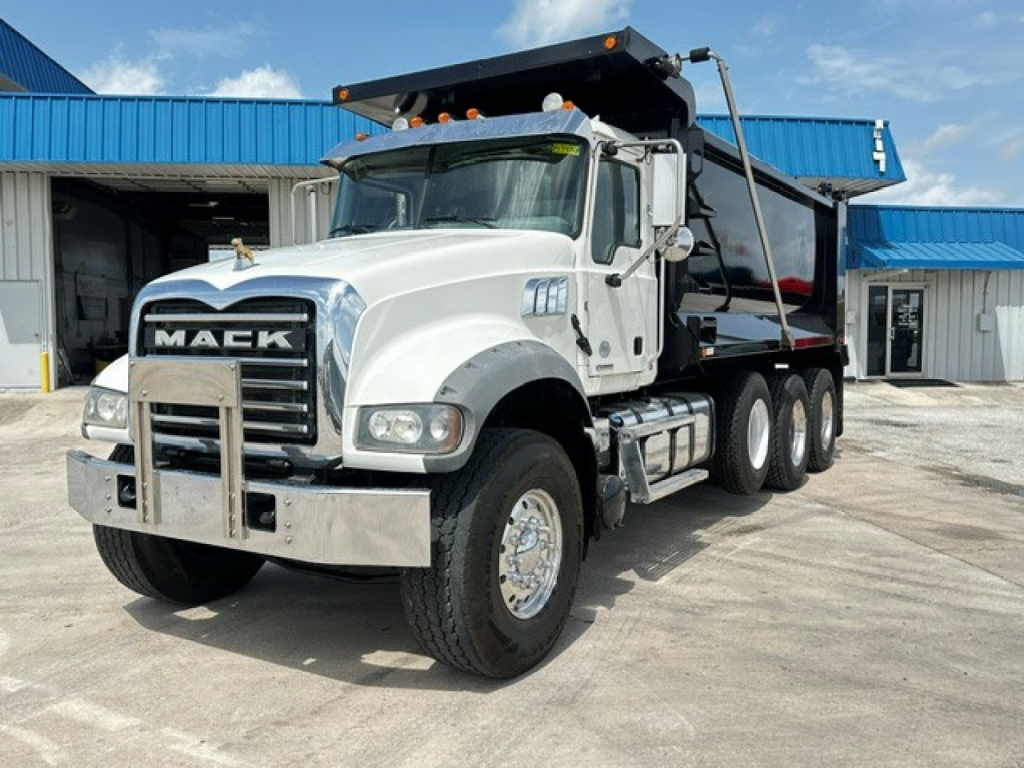
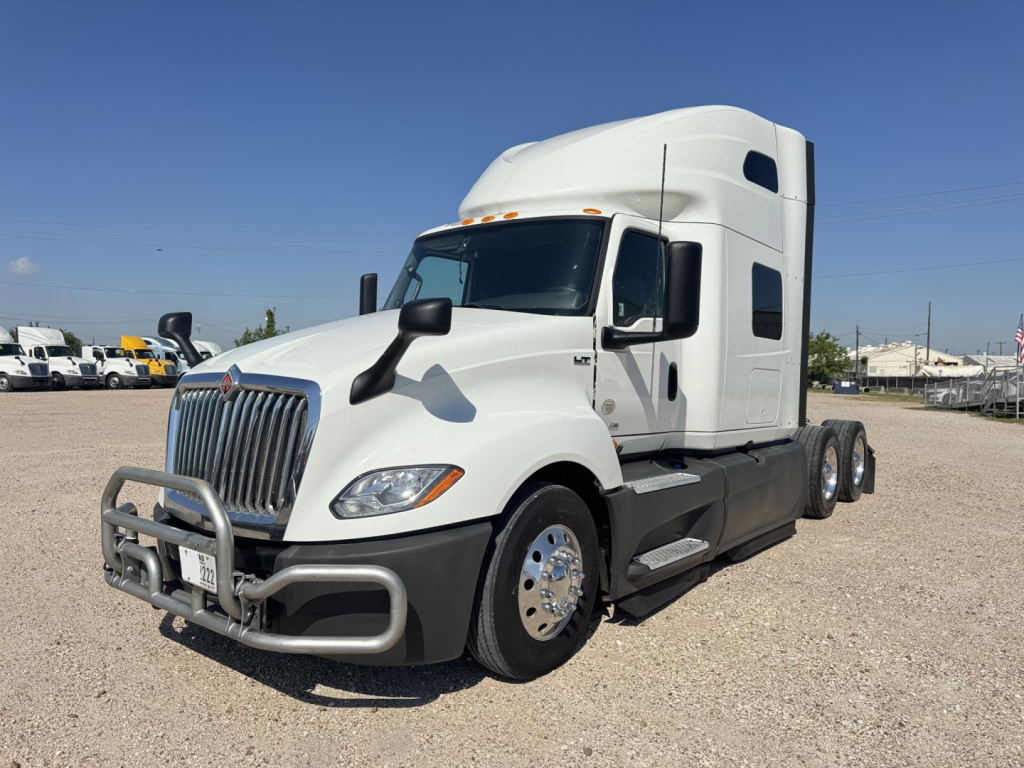
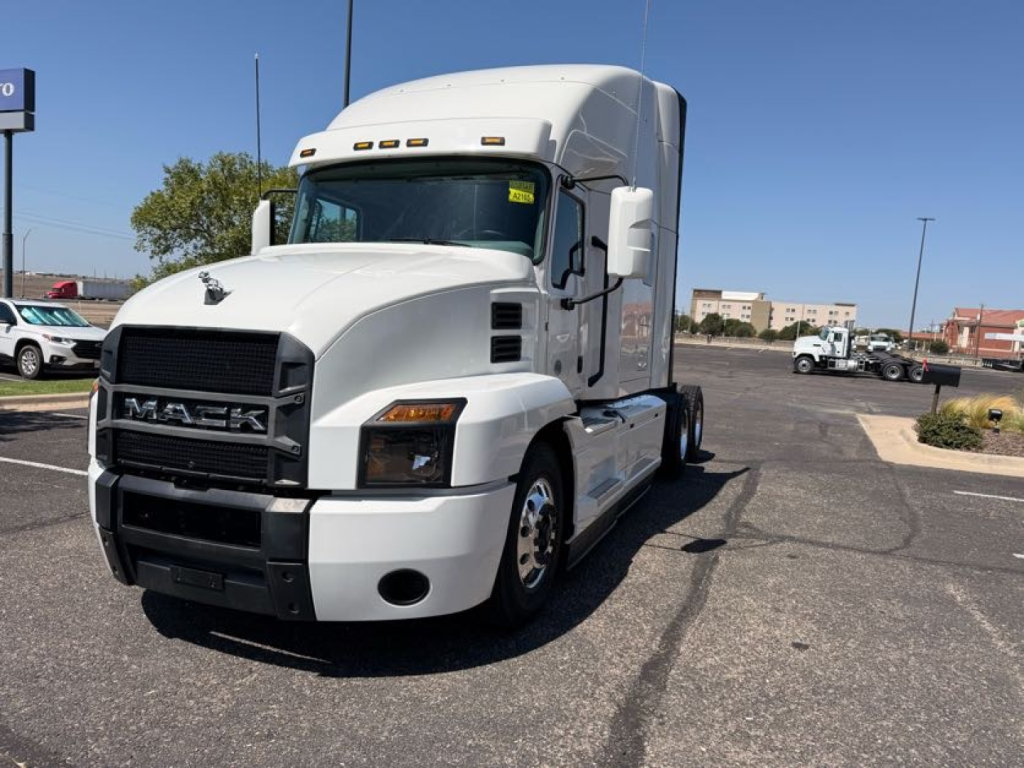
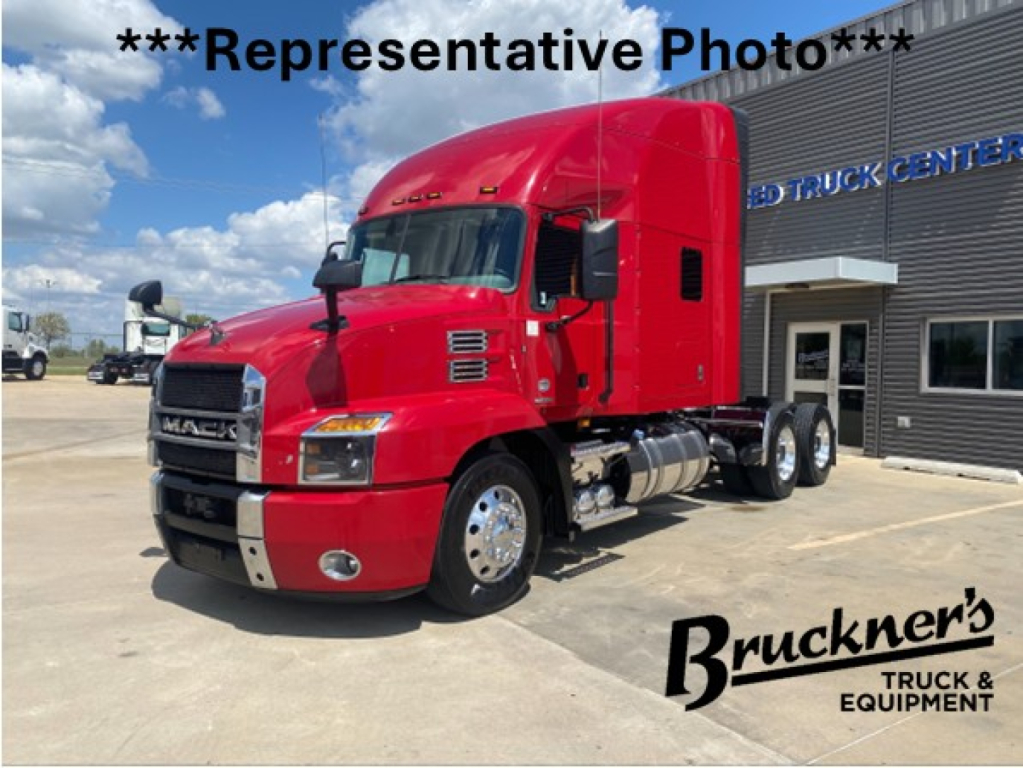
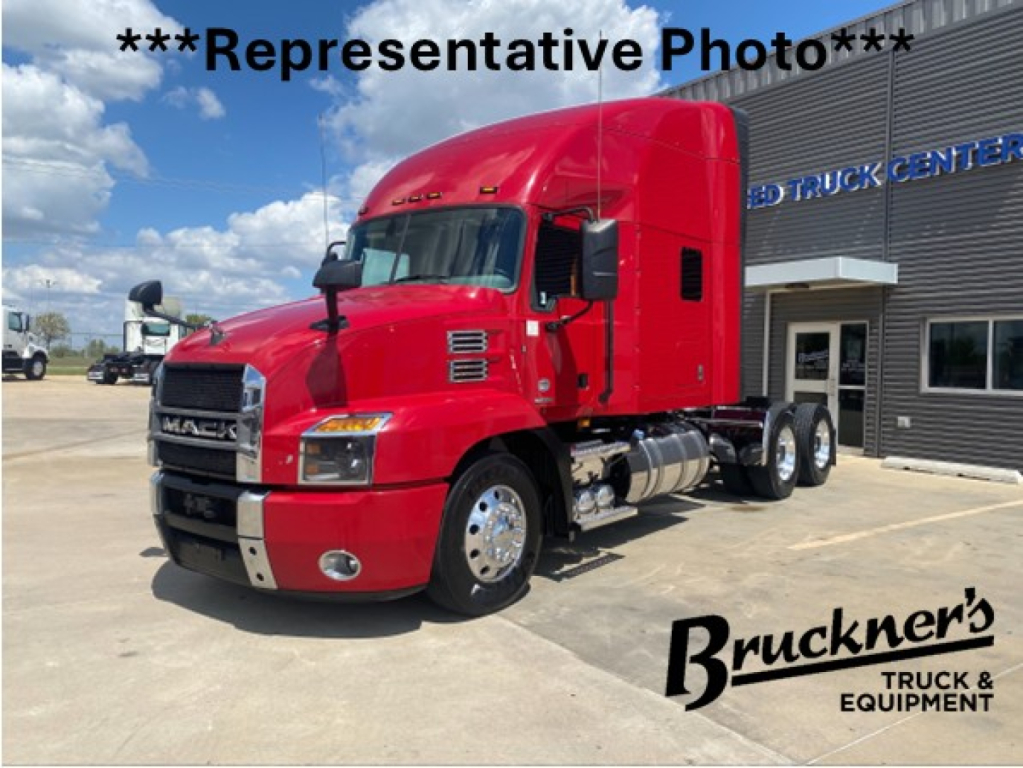
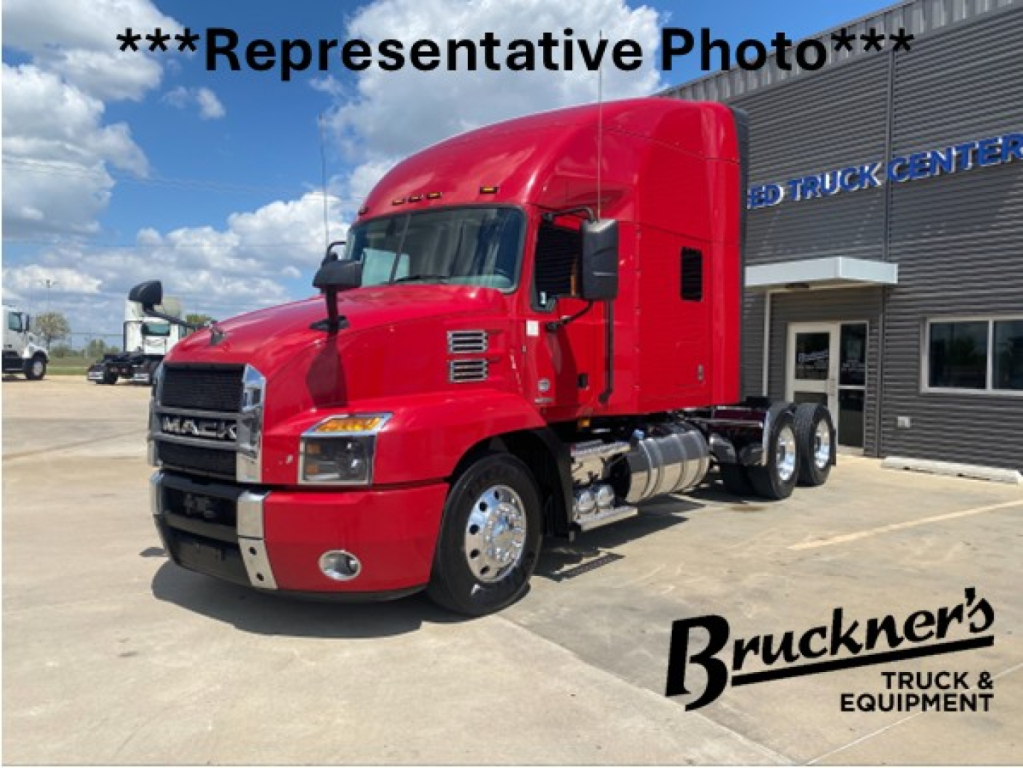
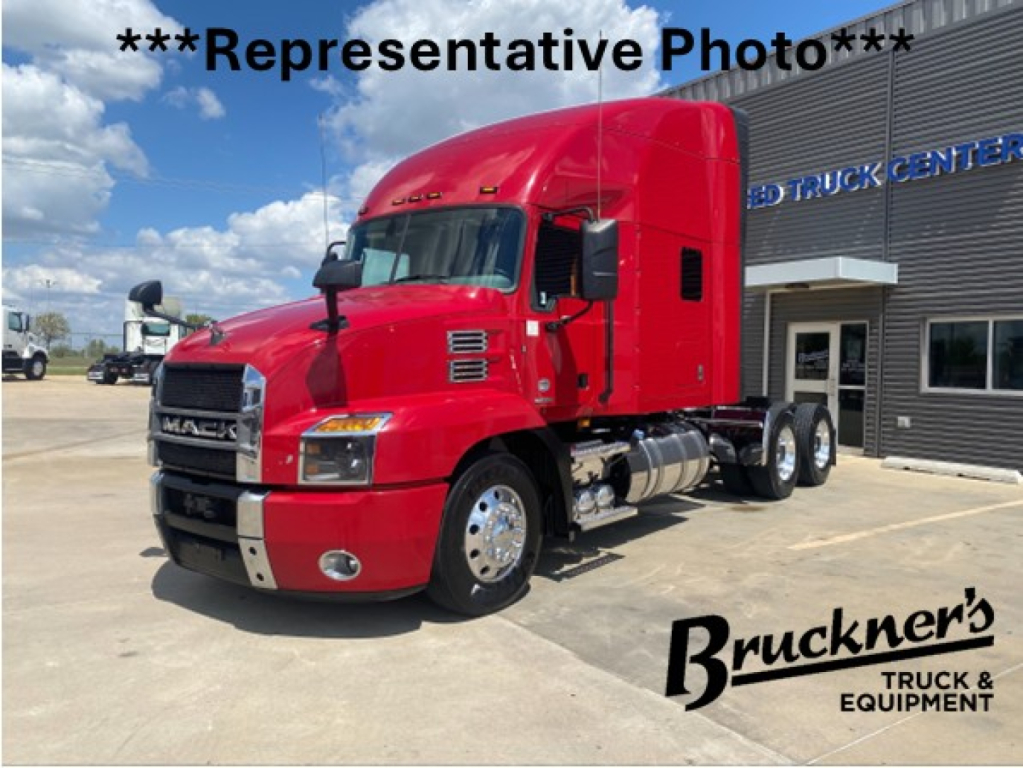
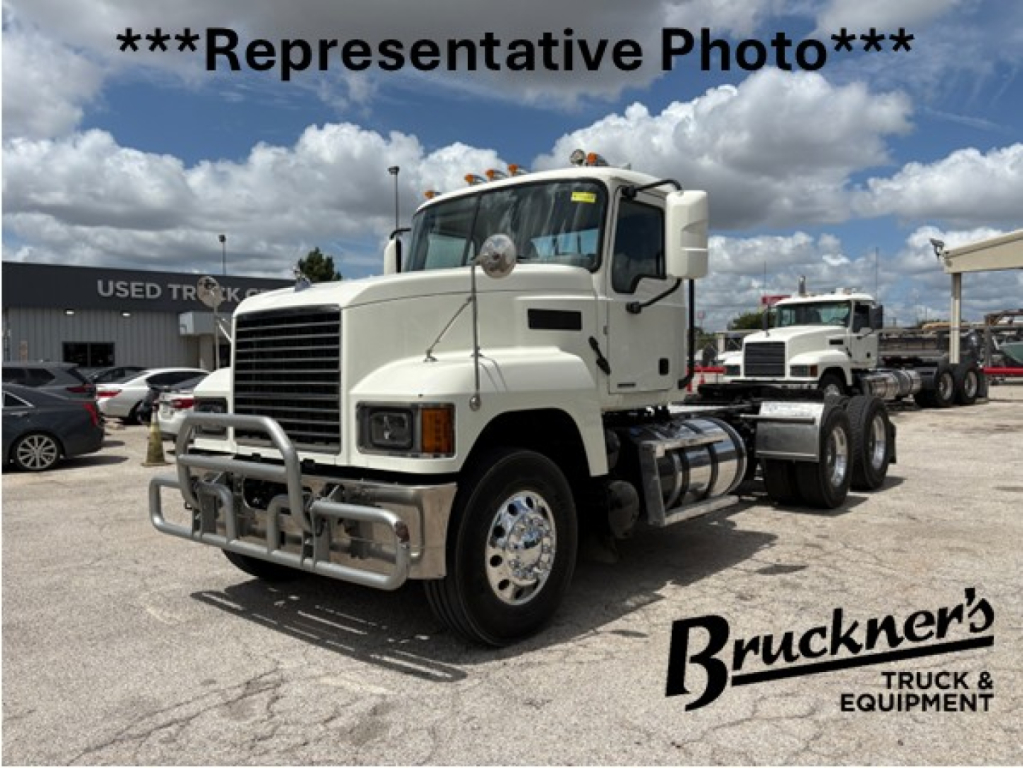

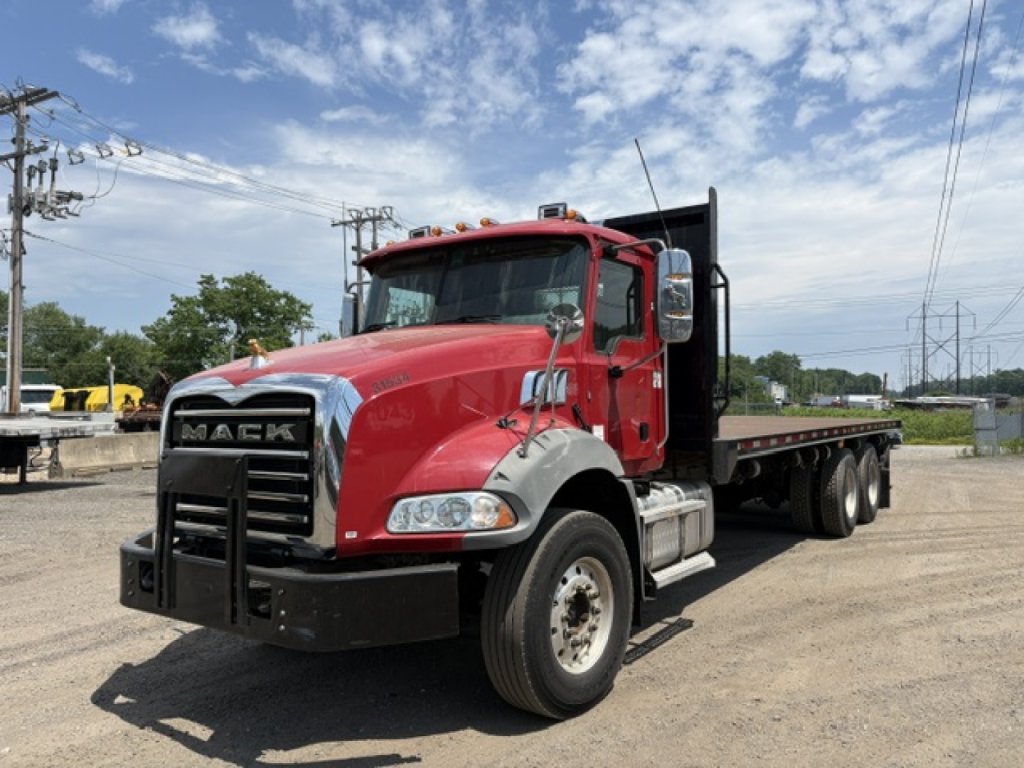
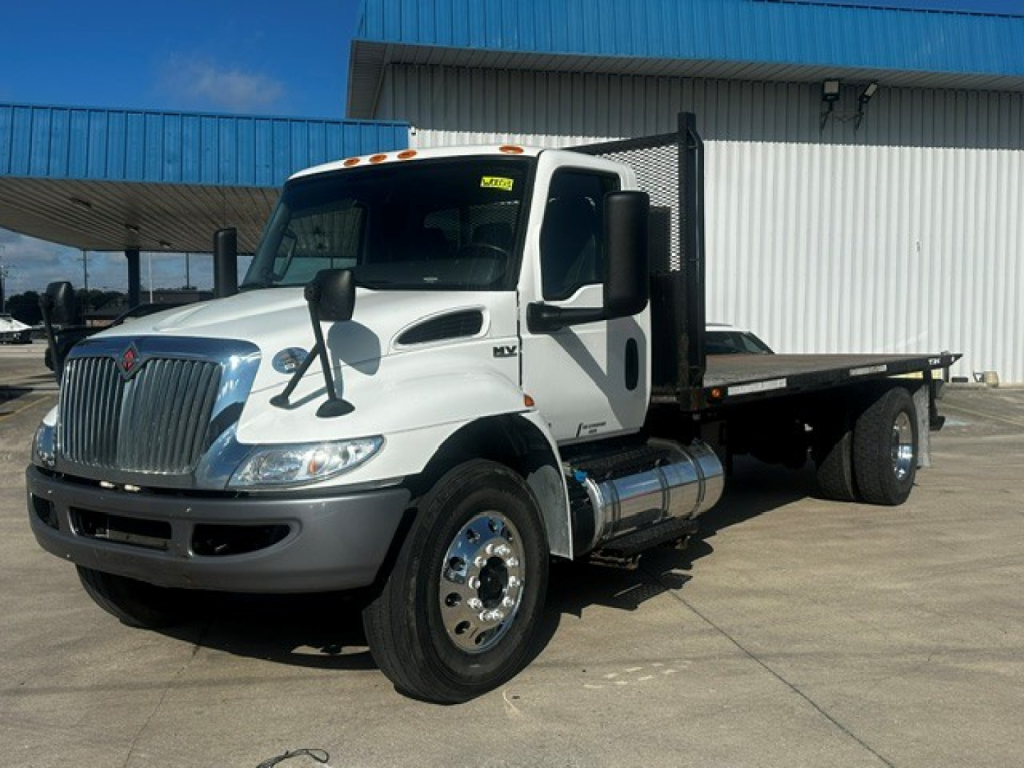
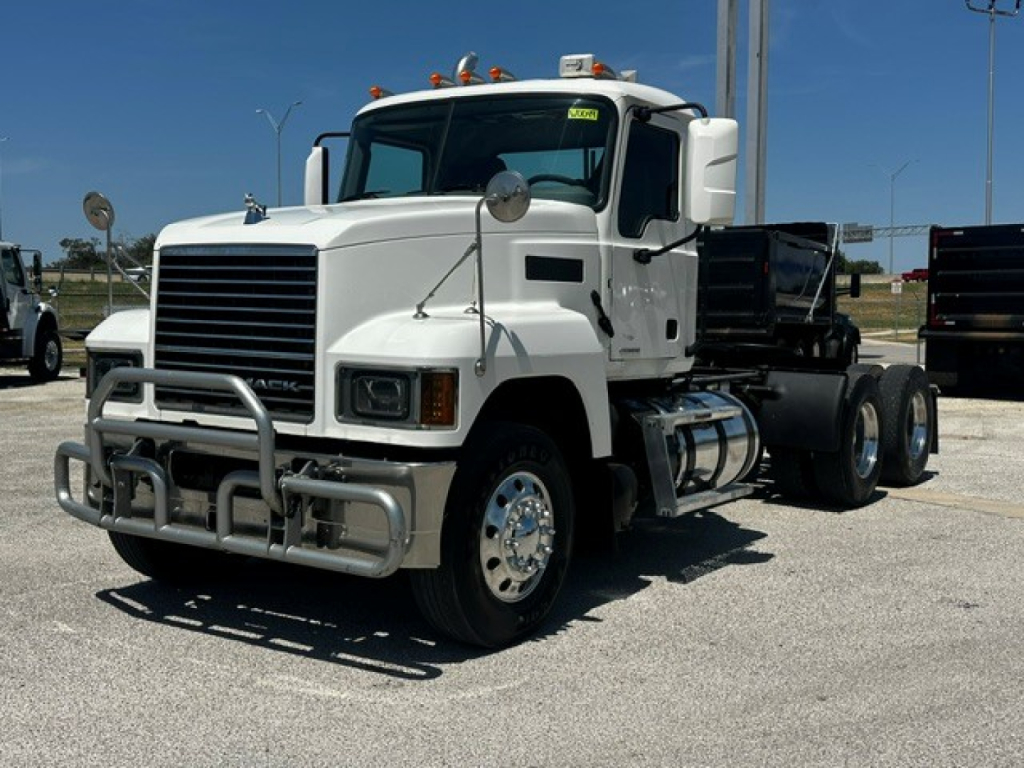
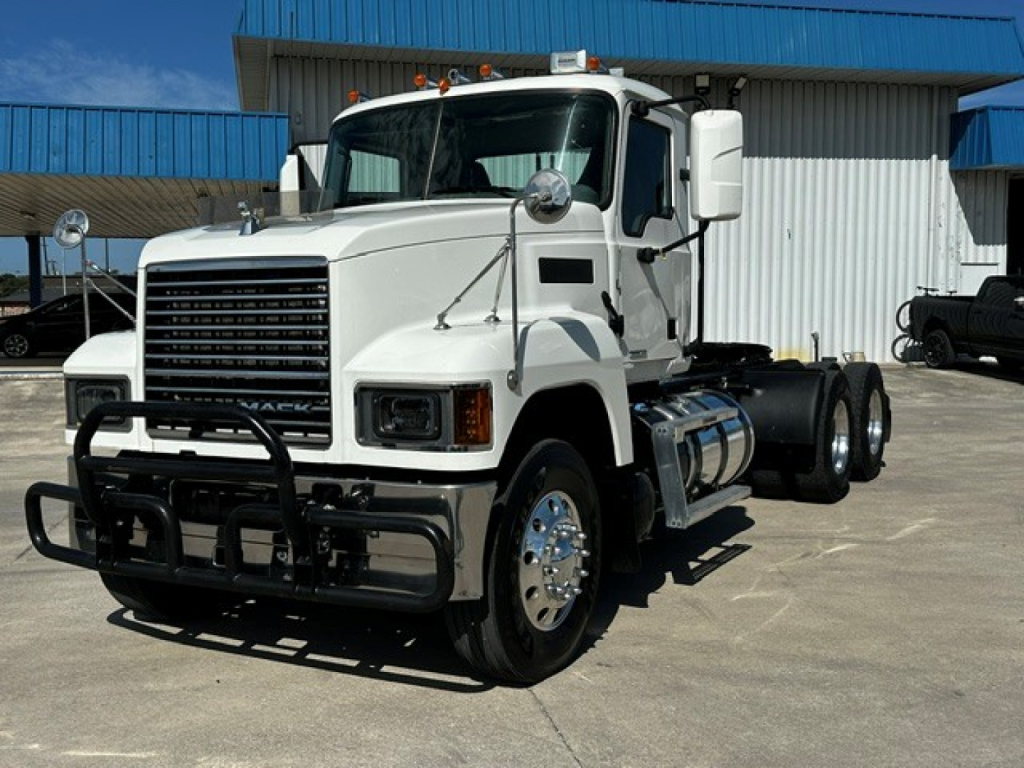
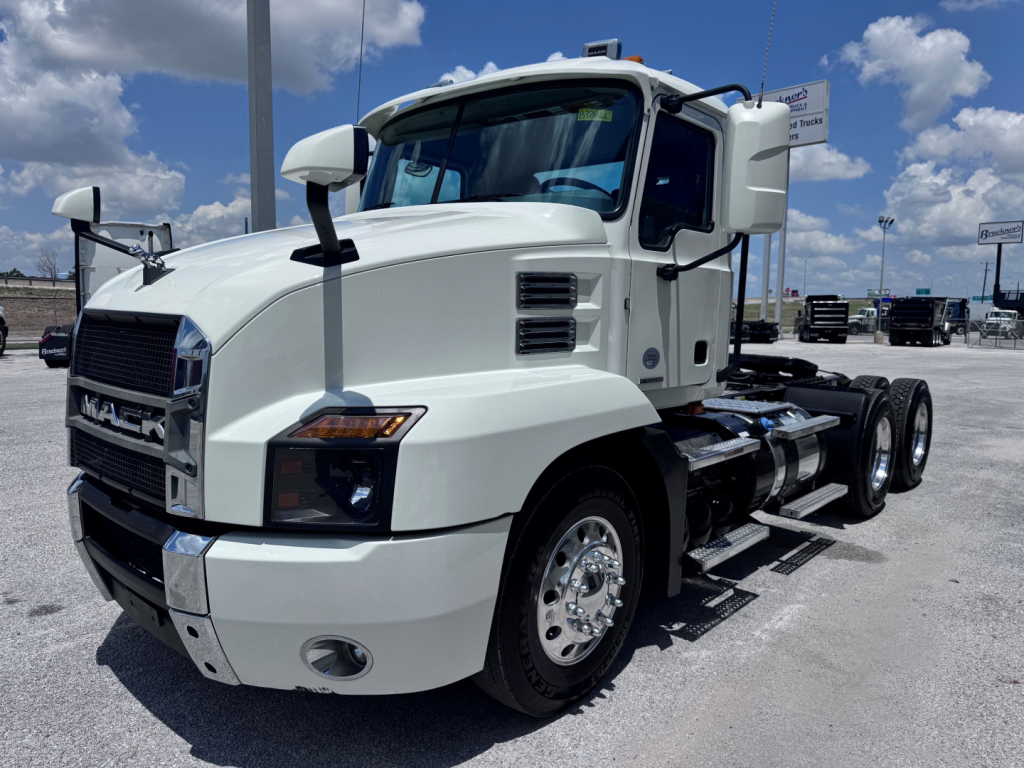
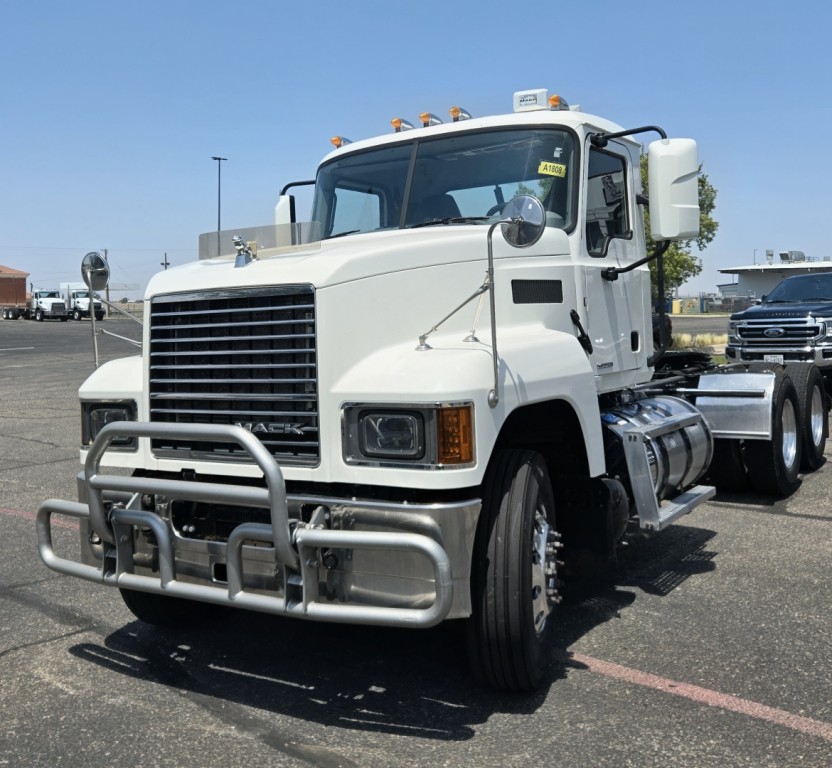
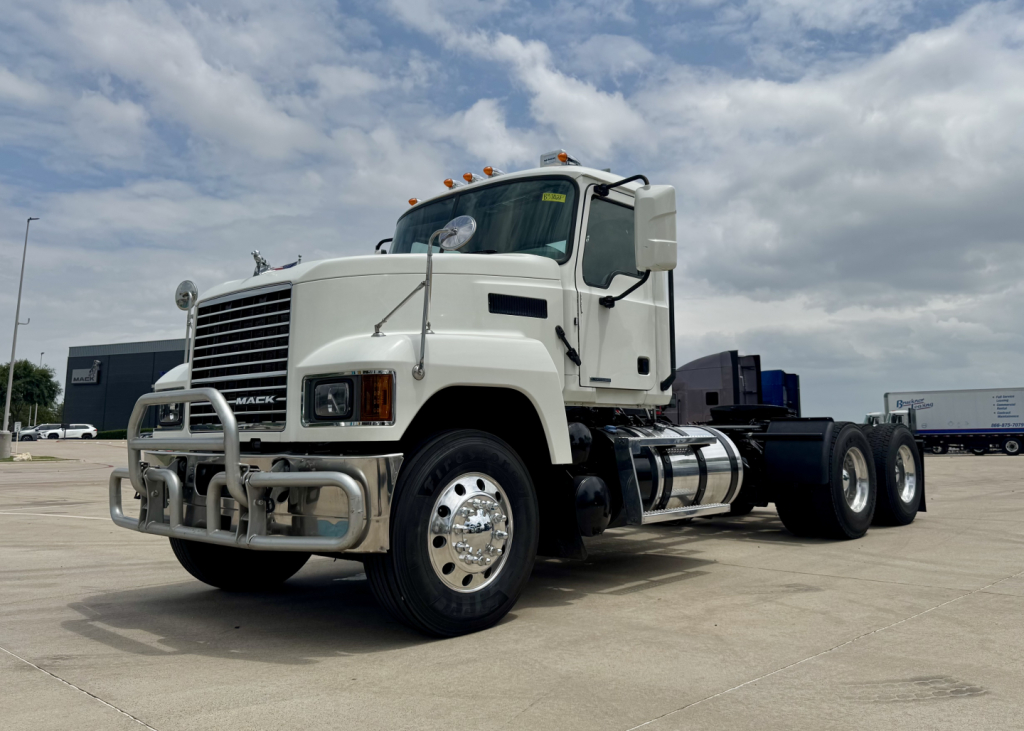
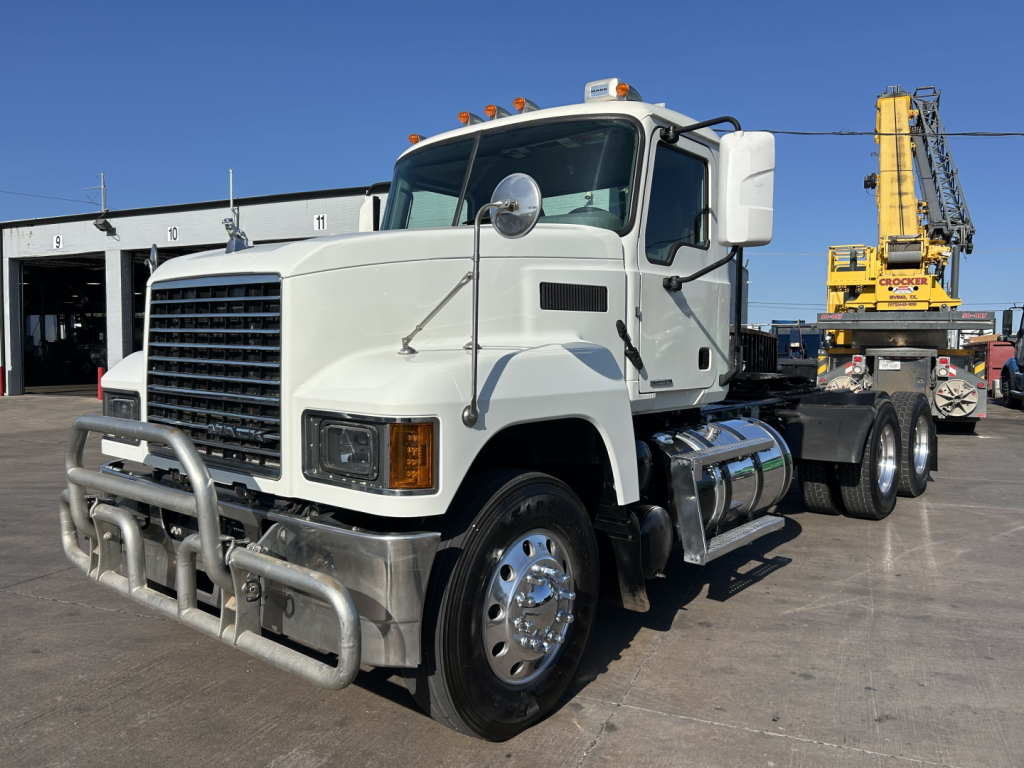
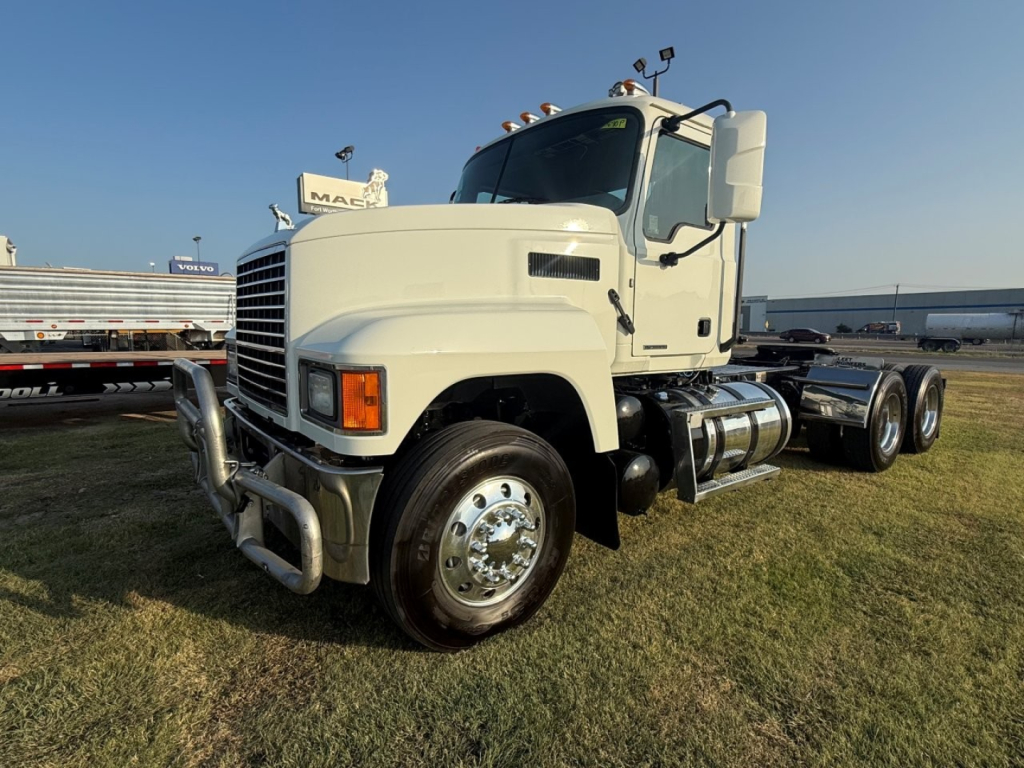
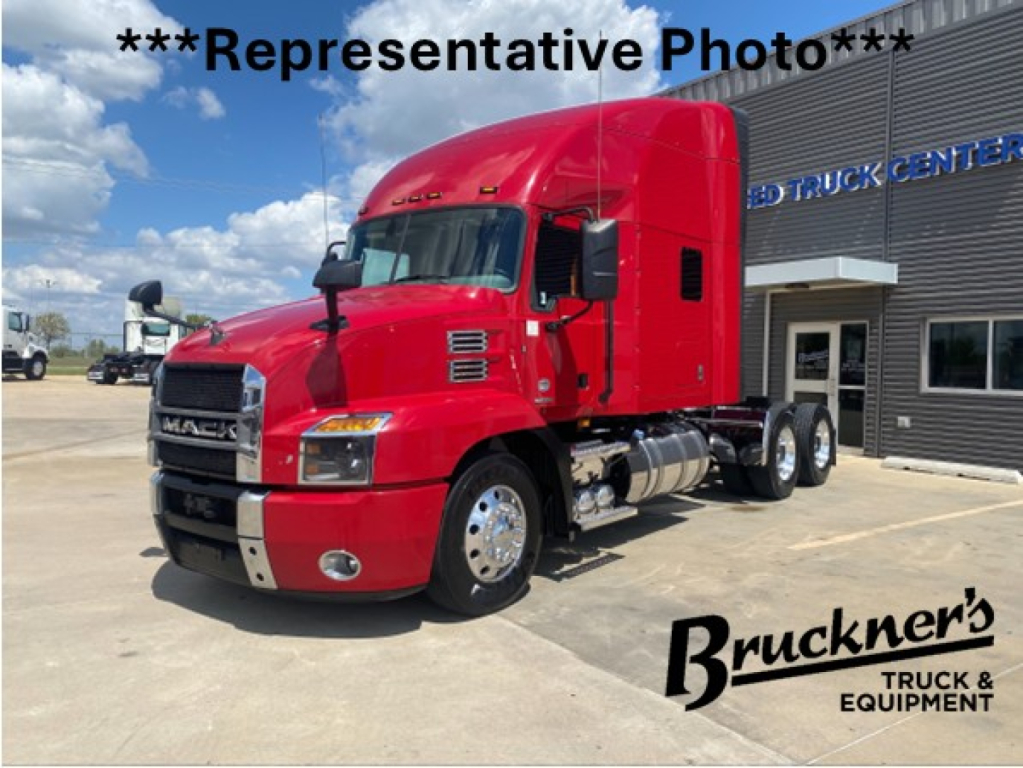
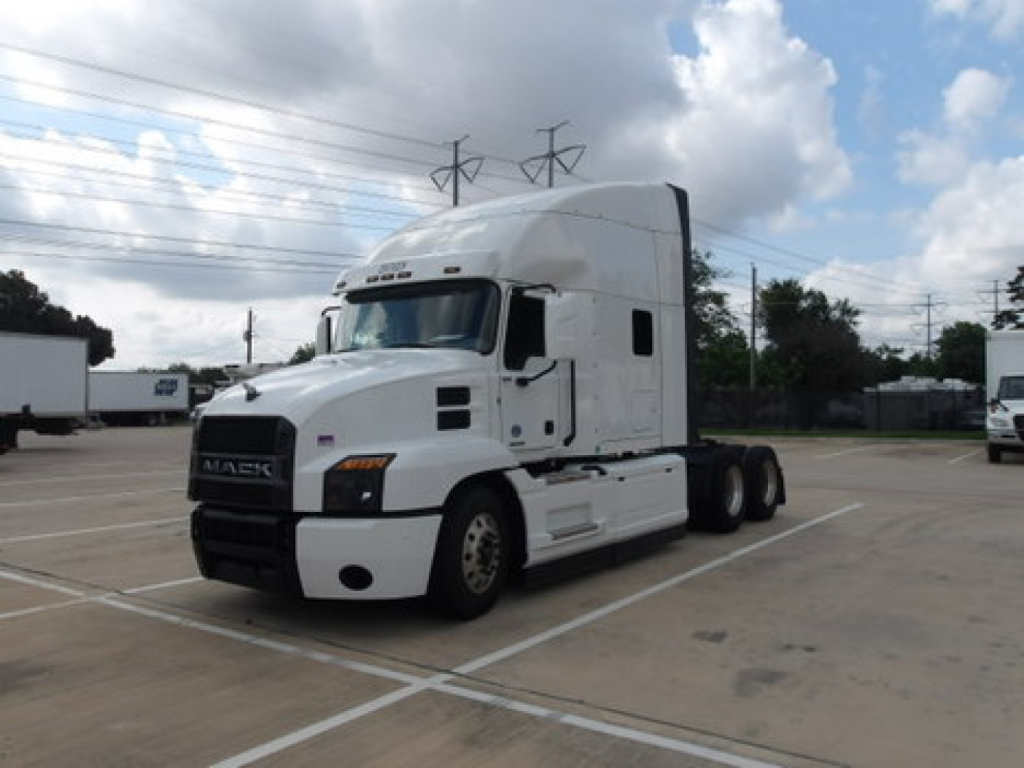
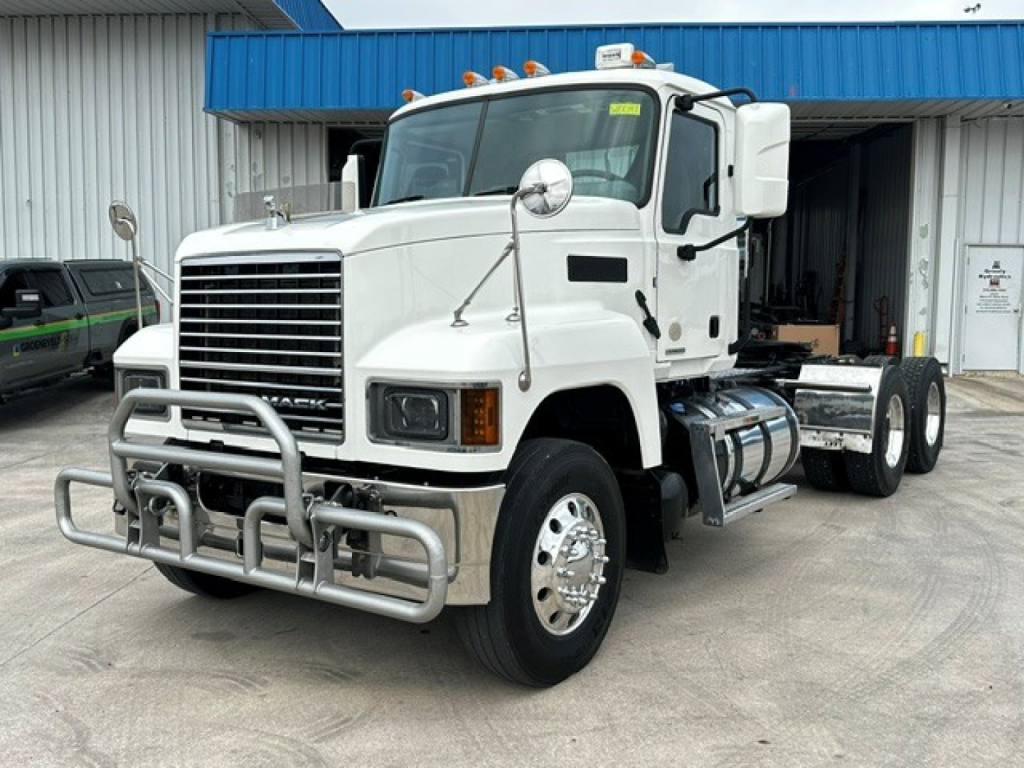
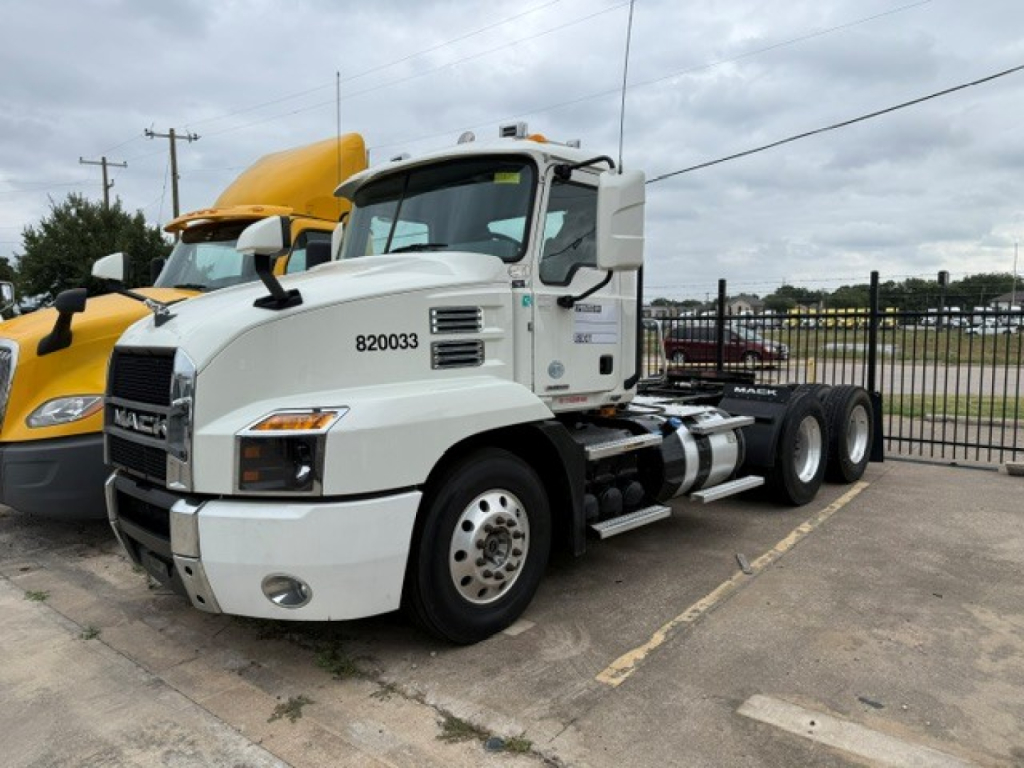
Showing 1 to 24 of 50 results
Have 2020 commercial truck to sell? List it here to reach thousands of buyers.
2020 Commercial Trucks in Texas
Frequently Asked Questions about 2020 Commercial Trucks in Texas
What should I look for first when buying a 2020 truck in Texas?
Start with the truck’s intended job, then match GVWR, axle ratings, wheelbase, suspension, and powertrain to that application. A highway tractor in Texas may need the right rear ratio, sleeper size, and fuel capacity for long interstate runs, while a vocational or service truck may need a PTO provision, stationary regen history, hydraulic capability, and a body-friendly chassis spec. After that, review maintenance records, engine hours, mileage, tire condition, brake life, and any signs of frame modification or severe duty wear.
Are 2020 trucks a good balance between price and technology?
Yes. Many 2020 trucks offer a strong middle ground between cost and modern equipment. Buyers often get newer cab interiors, improved aerodynamics, automated manual or automatic transmission options, collision mitigation features, and cleaner engine calibrations without paying the premium attached to very recent model years. That makes 2020 trucks attractive for fleets trying to control acquisition cost while keeping drivers in equipment that still feels current.
What engine and transmission setups are common in 2020 trucks?
Common 2020 truck configurations vary by class and application. Medium-duty trucks often use engines like the Cummins ISB or similar diesel platforms paired with Allison automatic transmissions, especially in service, utility, and municipal work. Class 8 highway trucks commonly appear with Cummins X15, PACCAR MX-series, Detroit Diesel, or Volvo power, backed by automated manual transmissions or traditional manuals. The best combination depends on terrain, gross weight, stop-and-go frequency, and whether fuel economy or performance is the bigger priority.
Why does truck type matter more than model year alone?
Model year tells you the general age of the truck, but truck type determines how well it fits the work. A 2020 sleeper tractor, a 2020 service truck, and a 2020 tandem vocational chassis serve completely different roles. Buyers should compare body style, axle count, suspension, rear ratio, engine horsepower, torque, and cab configuration before focusing on age alone. A properly spec’d older truck will usually outperform a newer truck that was built for the wrong application.
What Texas-specific factors matter when shopping for a 2020 truck?
Texas buyers should pay attention to cooling performance, air conditioning condition, tire specification, and service history in high-heat operating environments. Regional use also matters. Trucks that spent time in oilfield, construction, or heavy stop-and-go vocational work may show different wear patterns than over-the-road units. In West Texas and other severe-duty areas, inspect suspension components, driveline condition, brake wear, frame integrity, and evidence of dust-related or off-pavement use.