
2020 International Trucks For Sale in Texas
Shop 2020 International trucks in Texas, including LT and RH models, with specs on engines, wheelbases, axle setups, and vocational uses.

Have 2020 international truck to sell? List it here to reach thousands of buyers.
2020 International Trucks in Texas
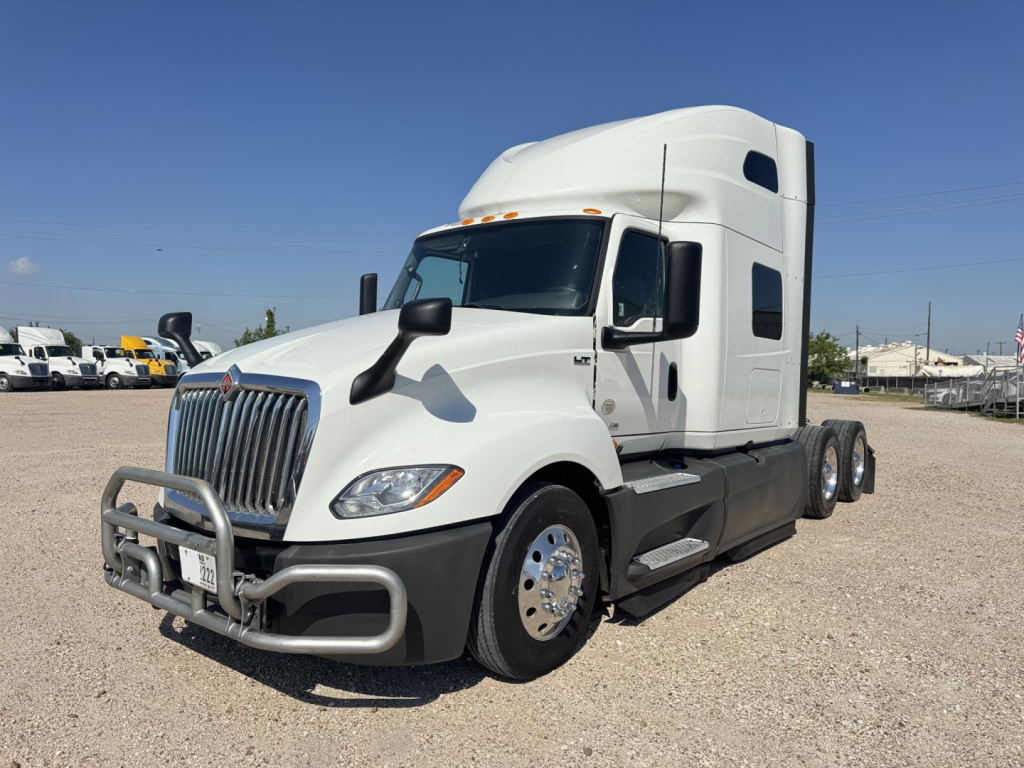
For on-highway tractors, the biggest split is usually between a day cab and a sleeper, followed by single-axle versus tandem-axle setup. A 2020 International day cab in Texas is often spec'd for regional freight, port drayage, dedicated routes, or local industrial hauling. Typical specs include the International A26 or Cummins X15 diesel, engine ratings around 400 to 450 hp, automated manual or full automatic transmissions, and rear axle ratios selected for fuel economy or startability. Wheelbase, fifth wheel style, and fuel capacity matter more than many buyers expect because they directly affect trailer swing clearance, bridge law flexibility, and turning radius in tight yards or urban routes.
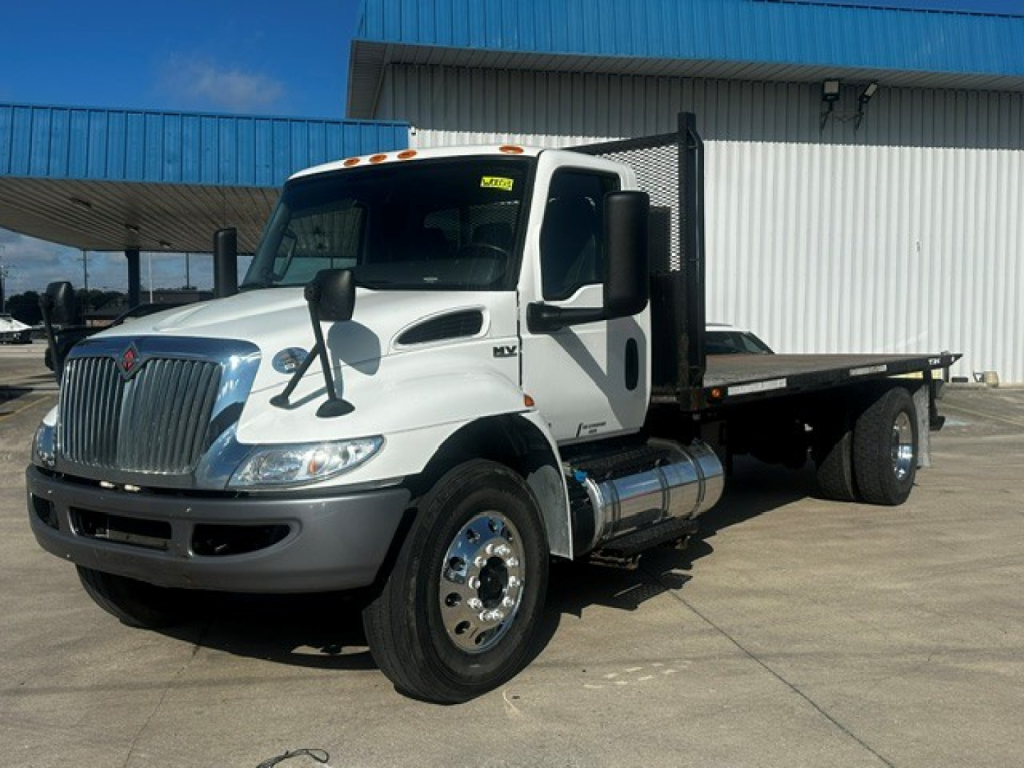
If the truck is being used in vocational service, the chassis details become more important than the badge on the hood. Front axle ratings, frame strength, PTO compatibility, suspension type, and body-builder provisions should be checked closely on any 2020 International truck for sale. Texas buyers also tend to pay attention to cooling performance, idle strategy, and cab comfort because long hot-weather duty cycles can expose weak A/C systems, marginal fan operation, and deferred maintenance quickly. Brake configuration, tire size, and suspension design also affect how the truck performs on lease roads, rough construction entrances, or repeated stop-and-go urban service.
Condition still drives value more than model year alone. On a 2020 International, smart buyers review engine hours, idle hours, maintenance history, fault codes, aftertreatment service records, and any evidence of collision repair or frame modification. Interior wear, steering play, clutch life on manual units, and suspension bushing condition can tell you a lot about how the truck was used. If the truck is spec'd with collision mitigation, lane departure warning, or telematics hardware, confirm those systems are operational and not simply present. A well-matched 2020 International truck can be a strong business asset, but the right match comes from the spec sheet and service history, not just the odometer.
Frequently Asked Questions about 2020 International Trucks in Texas
What are the most common 2020 International truck models buyers look for in Texas?
The most common 2020 International trucks in Texas are usually LT and RH models in day cab or sleeper tractor form, along with medium-duty and vocational chassis built for box, dump, and service applications. The LT is generally associated with highway use, while the RH is often chosen for regional, local, and urban duty where visibility and maneuverability matter. The right model depends less on nameplate recognition and more on axle configuration, wheelbase, engine, and intended body or trailer setup.
Which engine is more common in a 2020 International truck, the A26 or Cummins X15?
Many 2020 International highway trucks were spec'd with the International A26, while some were ordered with the Cummins X15 depending on fleet preference and duty cycle. The A26 is known for fuel-focused linehaul and regional applications, while the X15 is often preferred by buyers who want broader service familiarity or heavier-duty long-haul performance. The best choice comes down to local dealer support, maintenance history, horsepower and torque rating, and how the truck will be used day to day.
What should I inspect first on a used 2020 International truck?
Start with fault codes, maintenance records, engine hours, idle hours, and aftertreatment history. Then inspect the chassis for frame damage, suspension wear, steering looseness, brake condition, tire wear patterns, and any signs of corrosion or poor repairs. On tractors, confirm fifth wheel condition, driveline integrity, and axle ratio suitability. On vocational units, verify PTO operation, body mounting, hydraulic system condition, and frame reinforcement. These checks usually reveal more about future operating cost than appearance alone.
Is a 2020 International day cab a good fit for regional and local hauling?
A 2020 International day cab is often a strong fit for regional freight, drayage, dedicated route work, and local industrial hauling. These trucks are commonly spec'd with shorter wheelbases, air ride suspensions, automated transmissions, and horsepower ratings suited for repeated starts and stops. Buyers should match the truck to trailer type, gross combination weight, loading dock environment, and route terrain. A well-spec'd day cab can lower operating cost and improve maneuverability compared with a sleeper tractor used in the same duty cycle.
Do safety and driver-assist features add value on a 2020 International truck?
Yes, they can add value if they are functional and relevant to the operation. Features such as collision mitigation, lane departure warning, adaptive cruise systems, and telematics can improve fleet oversight and support driver retention. They may also matter to larger carriers with internal safety standards. The key is verification. Buyers should confirm the systems are active, calibrated if required, and not disabled due to sensor faults or prior collision damage.