
2020 Freightliner Trucks For Sale in Texas
Shop 2020 Freightliner trucks for sale in Texas. Compare Cascadia, daycab, and sleeper specs, engines, wheelbases, and fleet-ready features.
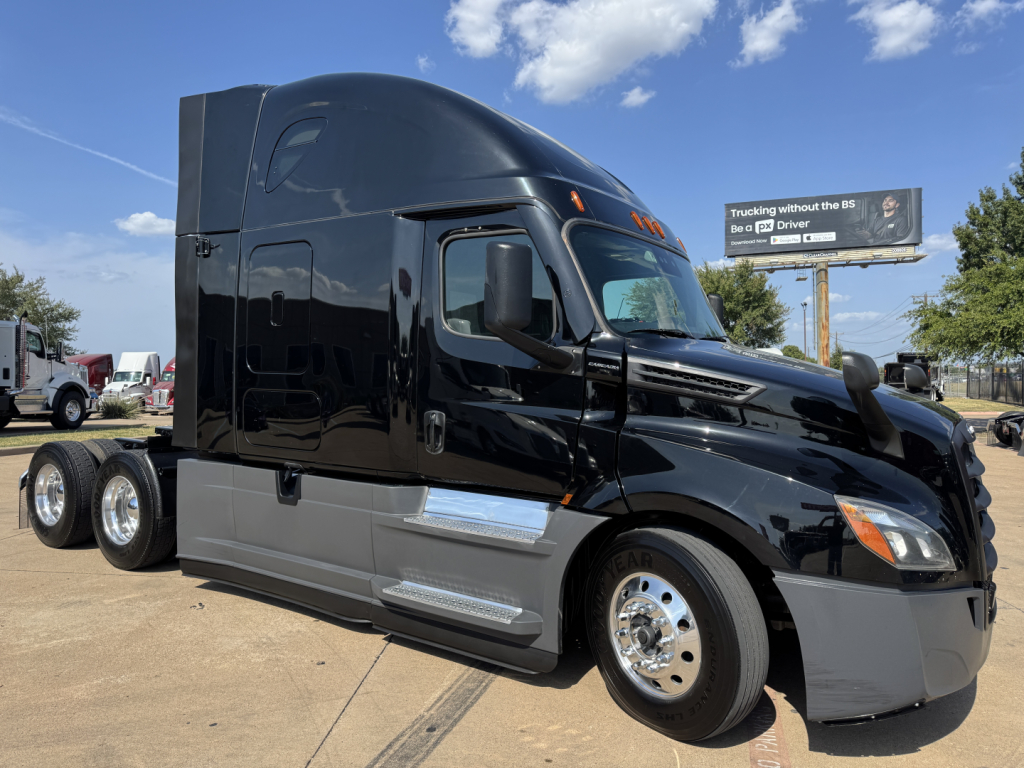
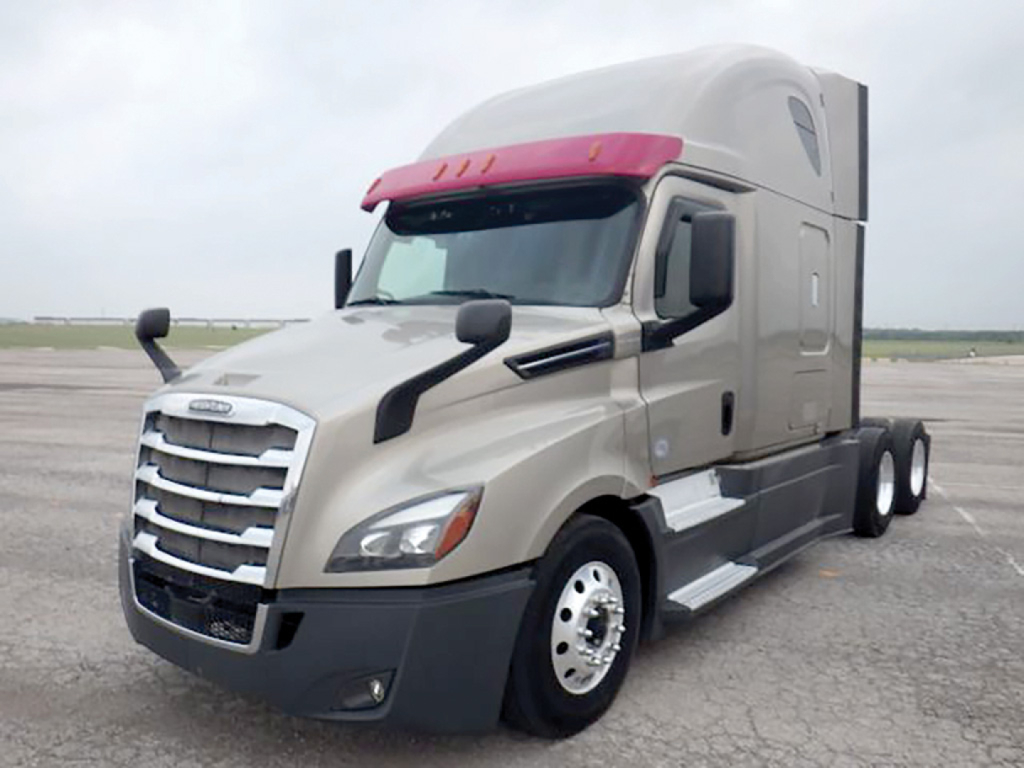
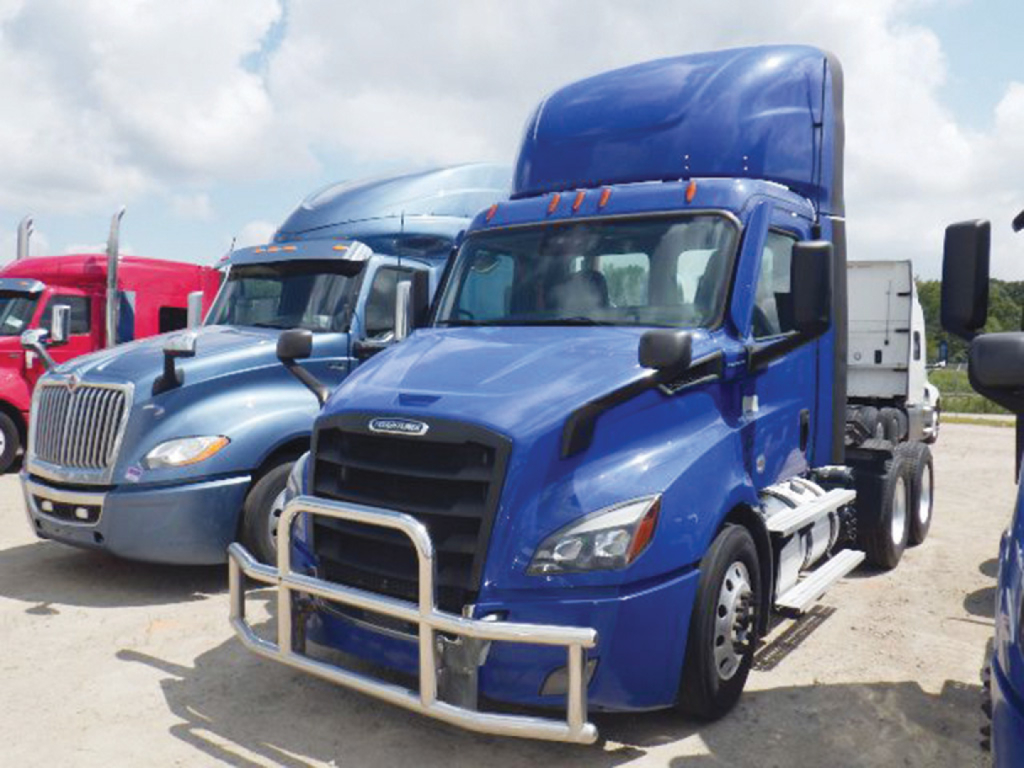
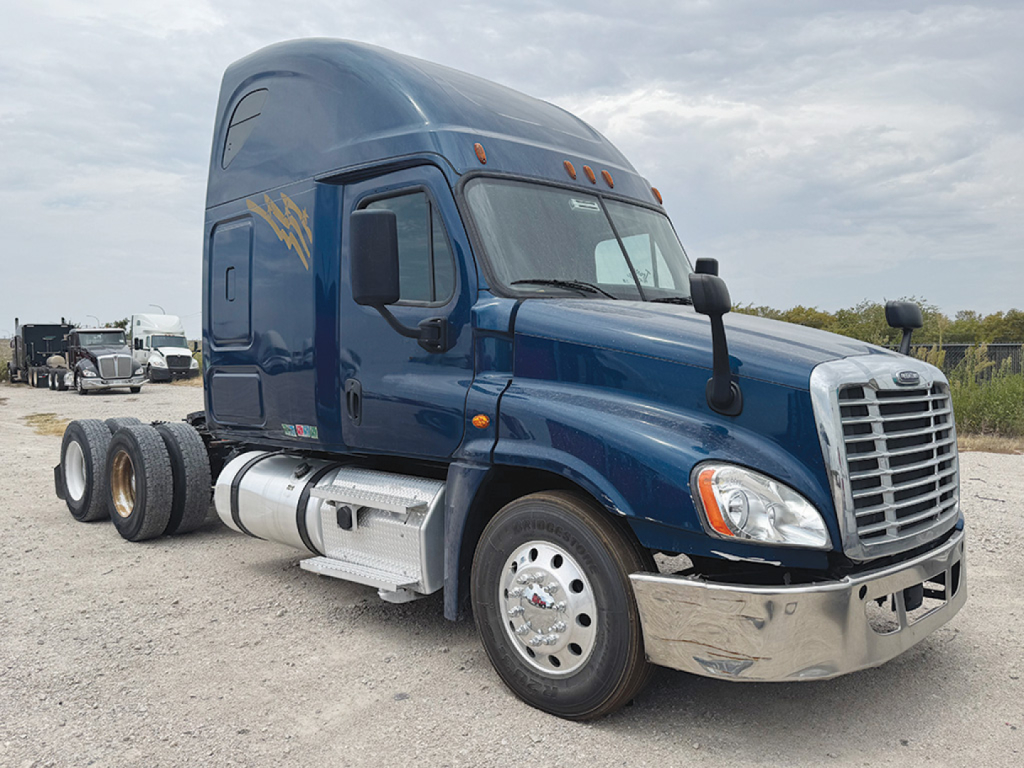
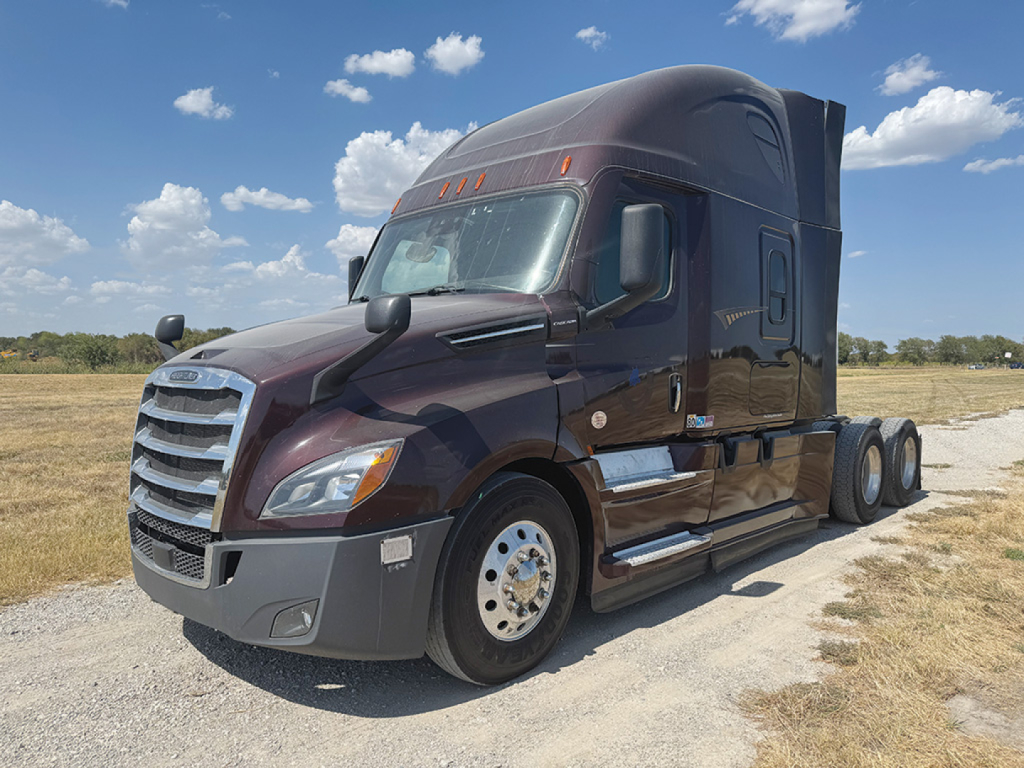
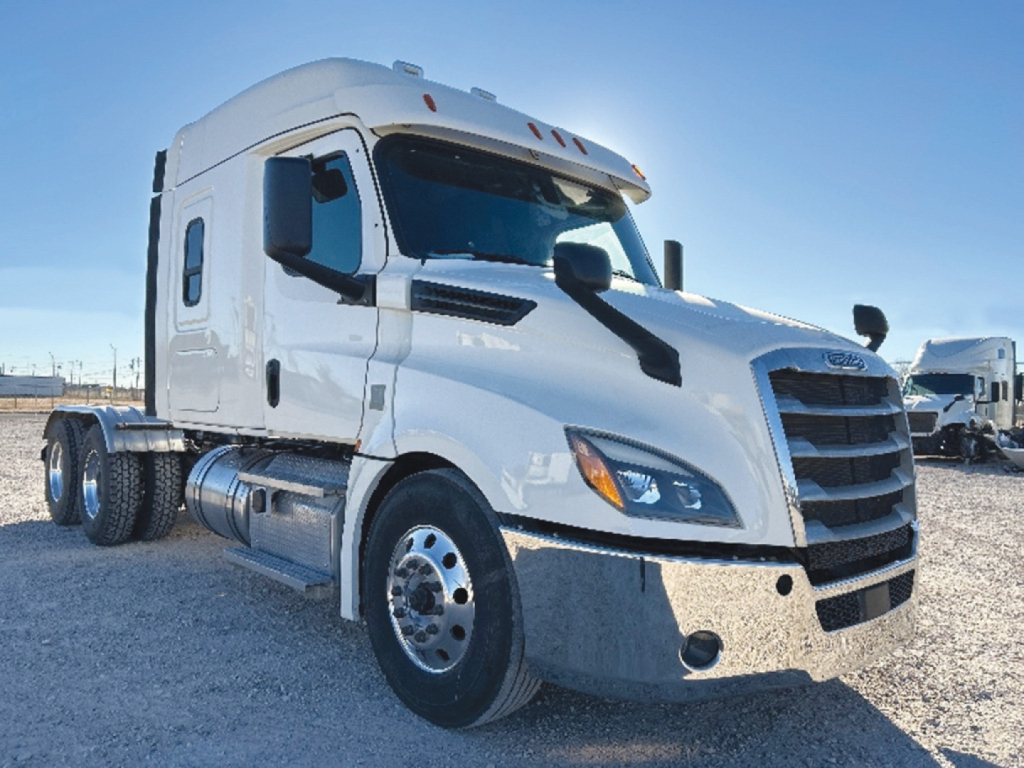
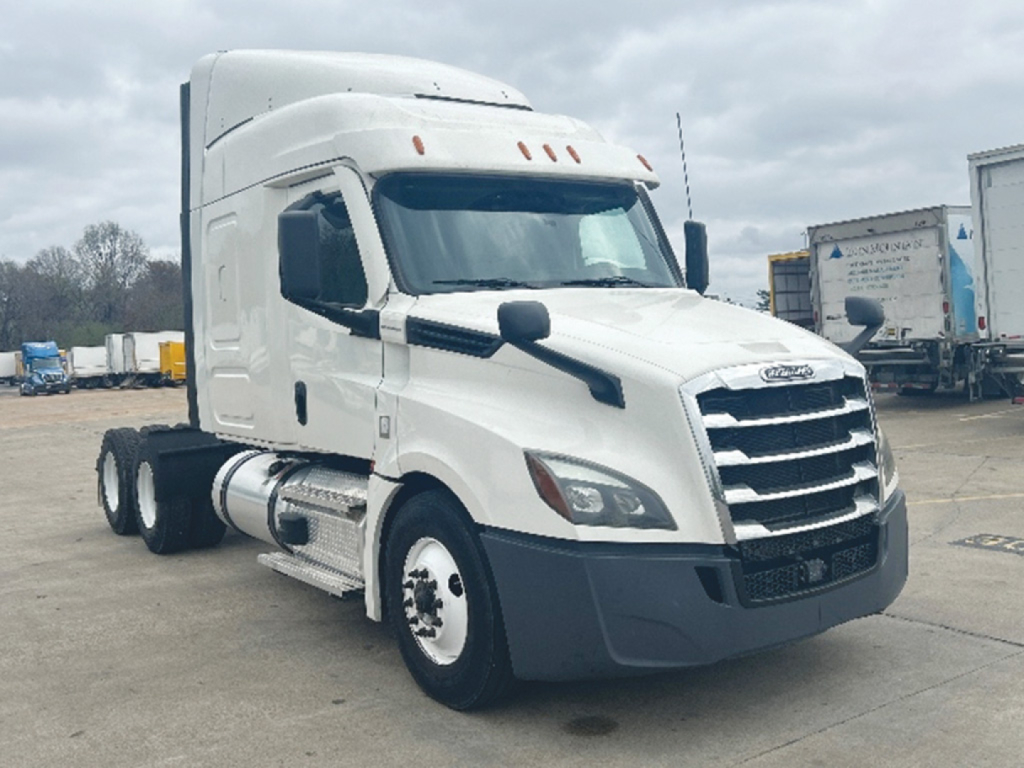
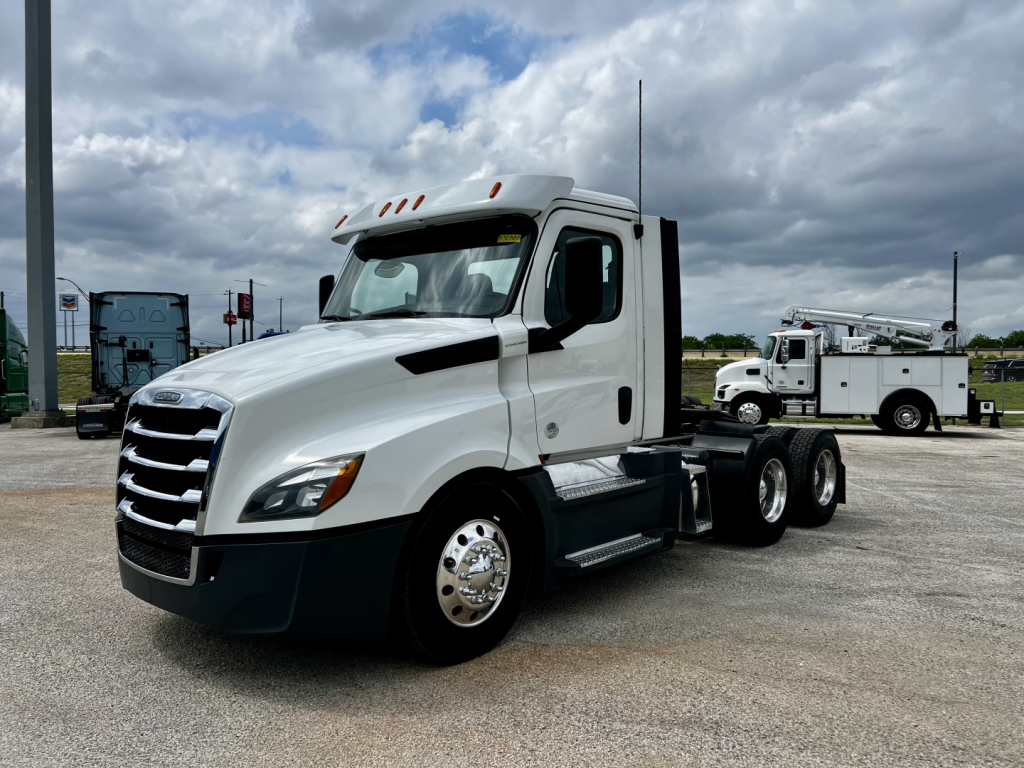

Have 2020 freightliner truck to sell? List it here to reach thousands of buyers.
2020 Freightliner Trucks in Texas
The first decision is usually cab configuration and wheelbase. A 2020 Freightliner day cab is generally the right direction for local and regional work where maneuverability, lower tare weight, and frequent trailer spotting matter more than onboard living space. Sleeper models, often with mid-roof or raised-roof packages, are better suited for long mileage applications and team or solo over-the-road use. Buyers should compare wheelbase, fifth wheel type, rear axle ratio, and fuel capacity carefully because those details affect bridge compliance, trailer swing clearance, turning radius, and cruise RPM. Common tandem rear specs in this class include 40,000 lb rears, air ride suspension, and ratios selected to balance fuel economy with startability.
Powertrain spec matters more than badge alone. A DD13-equipped 2020 Freightliner can make sense for regional freight and weight-conscious operations, while a DD15 is often preferred for heavier linehaul work and higher annual miles. Horsepower ratings in this segment commonly fall in the 400 to 505 HP range, and automated transmissions are prevalent because they help with driver onboarding, fuel consistency, and clutch life. Buyers in Texas should also pay attention to cooling system condition, APU or bunk heater presence on sleepers, and emissions system service history, especially on trucks that have spent time idling in hot weather or running dense urban routes. Brake configuration, tire size, and whether the truck has aluminum wheels, disc brakes, or low rolling resistance tires can also influence long-term operating cost.
A well-matched 2020 Freightliner truck should be evaluated by vocation, not just mileage and price. For van and reefer work, aerodynamic spec, fairings, and axle ratio usually matter more than raw horsepower. For flatbed, tanker, or heavier regional applications, suspension rating, frame layout, and PTO compatibility may move higher on the list. Freightliner remains popular because the trucks are widely understood by fleets, owner-operators, and service networks, and that tends to support uptime and resale. When comparing listings, focus on engine model, transmission, rear ratio, wheelbase, sleeper size, maintenance records, and any signs the truck was purpose-built for the freight you plan to haul.
Frequently Asked Questions about 2020 Freightliner Trucks in Texas
What are the most common 2020 Freightliner truck configurations?
The most common 2020 Freightliner truck configurations in the highway market are Cascadia day cabs and Cascadia sleepers. Day cabs are typically used for local delivery, dedicated regional lanes, port work, and short-haul trailer switching. Sleeper models are more common in over-the-road applications where drivers need a raised-roof or mid-roof bunk area, larger fuel capacity, and longer wheelbase for linehaul stability and range.
Which engine is better in a 2020 Freightliner truck, the Detroit DD13 or DD15?
The better engine depends on the application. The Detroit DD13 is often a good match for regional haul, lighter gross weights, and operations that value lower tare weight. The Detroit DD15 is generally preferred for long-haul and heavier freight because it offers a broader torque curve and is commonly spec'd for higher annual mileage service. Buyers should compare horsepower, torque rating, rear axle ratio, and service records instead of choosing by engine family alone.
Are 2020 Freightliner trucks in Texas a good choice for fleet use?
Yes, 2020 Freightliner trucks are commonly considered a practical fleet choice in Texas because they have strong dealer coverage, familiar controls, and widely available parts. That matters for uptime across major freight corridors and metro areas such as Dallas-Fort Worth, Houston, San Antonio, and El Paso. Fleet buyers also tend to value the consistency of Detroit powertrains, automated manual transmission options, and aerodynamic spec packages that support fuel economy.
What should I check first on a used 2020 Freightliner truck?
Start with the powertrain and chassis spec sheet, then verify maintenance history. Key items include engine hours, idle time, emissions system service, transmission operation, axle ratio, suspension type, brake condition, tire wear pattern, and any fault code history. On sleeper trucks, inspect HVAC performance, bunk heater or APU equipment, and signs of interior wear that may indicate heavy driver use. A truck with the right maintenance record and wrong gearing can still be a poor fit, so application match comes first.
Is a 2020 Freightliner day cab or sleeper better for resale?
Resale depends on the lane profile and buyer pool in your region. Day cabs usually appeal to local fleets, intermodal operators, and dedicated regional carriers, while sleepers attract over-the-road buyers looking for highway-spec equipment. In many markets, sleeper trucks have a broader national audience, but a clean day cab with the right wheelbase, axle ratio, and engine can be very desirable. The strongest resale usually comes from standard, fleet-friendly specs rather than unusual custom configurations.