
2020 Rolloff Trucks For Sale in Texas
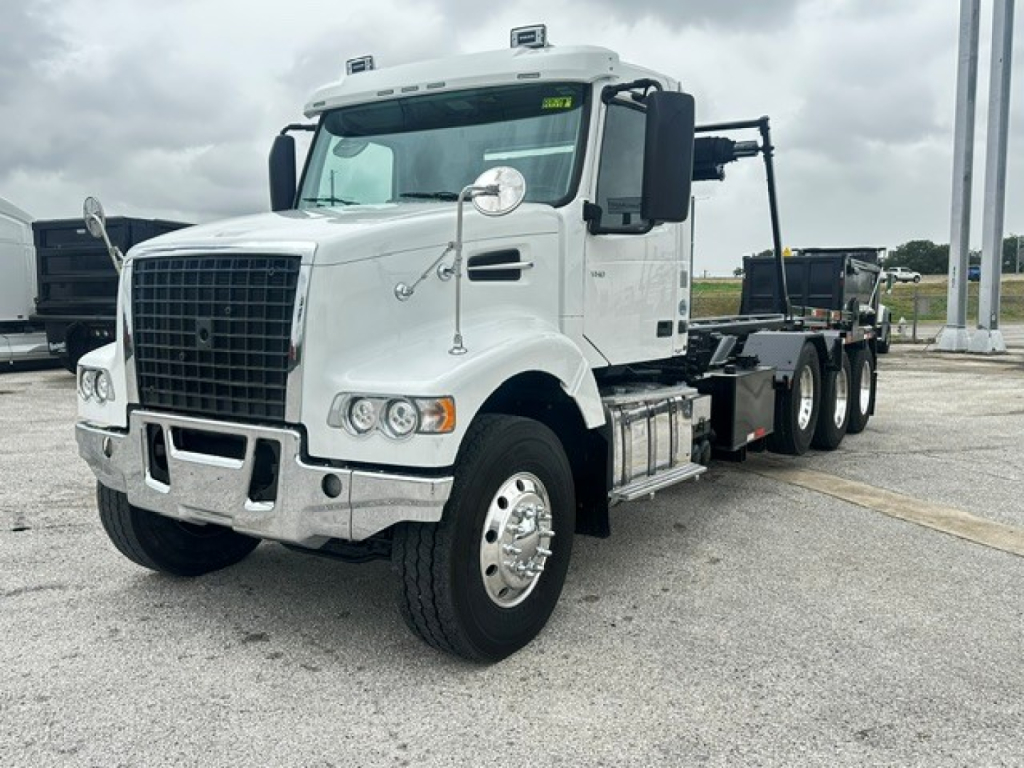
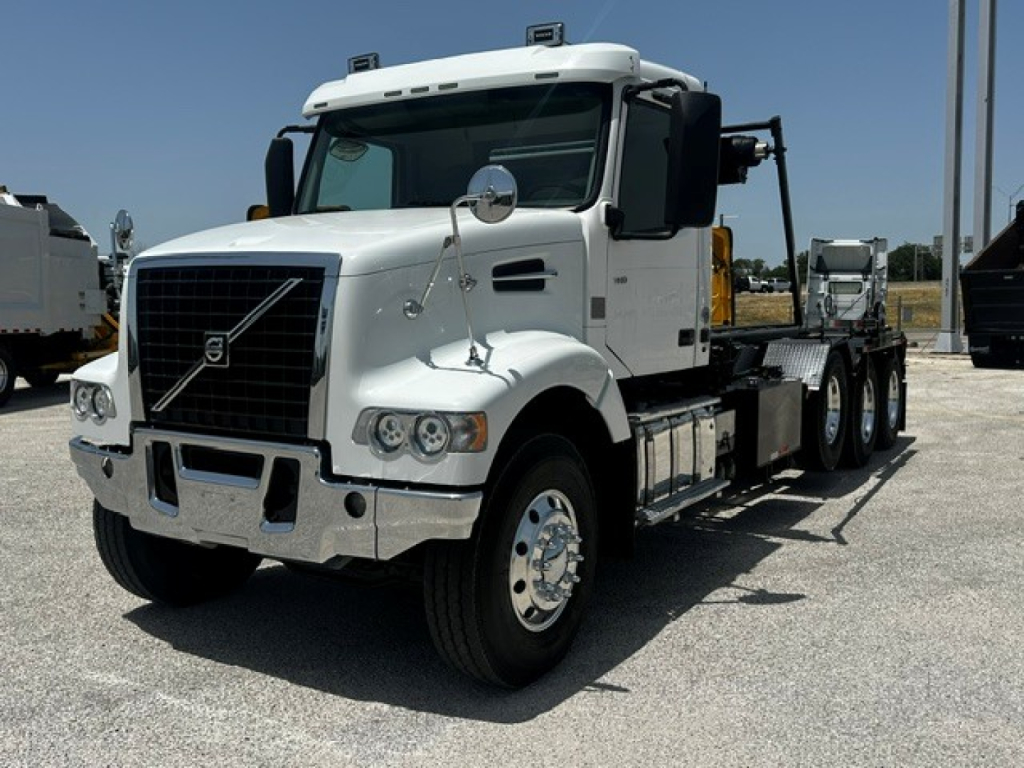
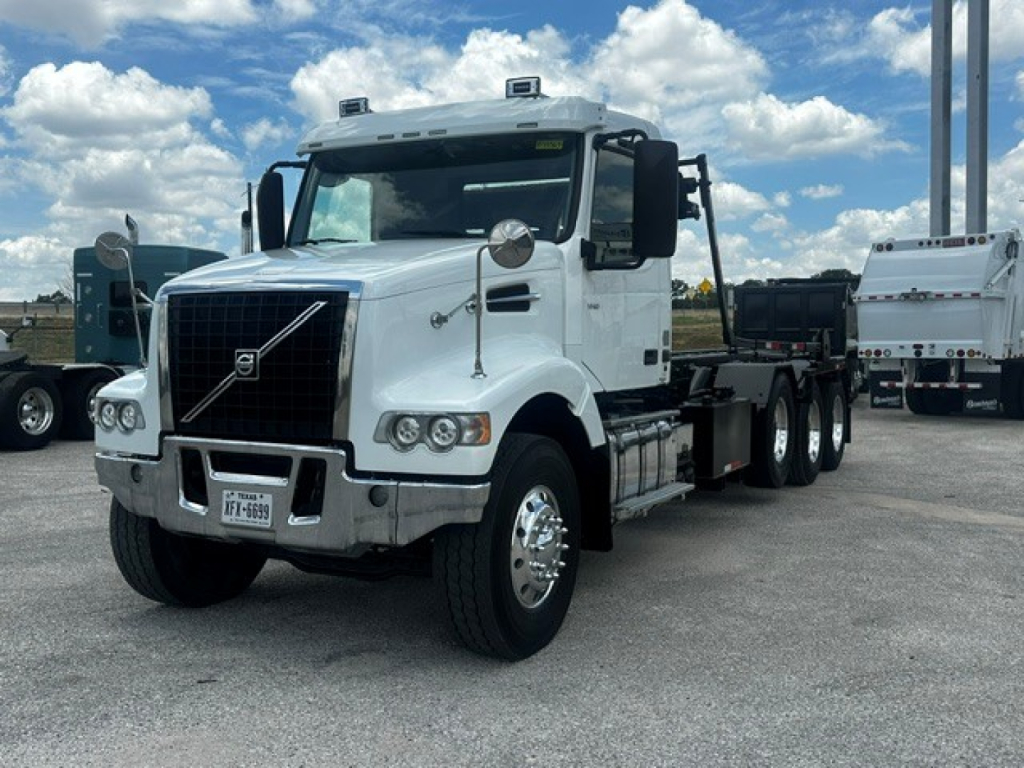
Have 2020 rolloff truck to sell? List it here to reach thousands of buyers.
2020 Rolloff Trucks in Texas
For most buyers, the key spec is the hoist. Common rolloff setups range from around 50,000 to 75,000 pounds, with cable hoist and hooklift-style systems serving different applications, though traditional rolloff cable systems remain common in the refuse and construction waste segment. A 2020 model may include an outside-rail or inside-rail hoist, automatic tarping, ICC bumper, pintle or trailer options, and PTO-driven hydraulics matched to Allison automatic or heavy-duty manual transmissions. Container length compatibility matters just as much as raw lifting capacity. Buyers should confirm intended can lengths, hook or cable geometry, hoist make, and whether the truck is optimized for compact urban containers, demolition boxes, or heavier scrap service.
Chassis specs on 2020 rolloff trucks often center around diesel engines in the 350 to 455 horsepower range, with torque and transmission calibration playing a major role in launch performance on loaded starts. Typical axle ratings include fronts in the 18,000 to 22,000 pound range and tandem rears from 40,000 to 46,000 pounds, though exact legal payload depends on wheelbase, bridge law, body installation, and state regulations. In Texas, buyers should pay close attention to cooling capacity, hydraulic line condition, hoist wear points, and brake life because these trucks often see heat, dust, stop-and-go routes, and uneven jobsite surfaces. Frame condition, crossmember integrity, suspension type, and PTO engagement quality tell you a lot about how the truck was used and maintained.
A 2020 rolloff truck can be a strong fit for fleets that want newer safety and driver comfort features while still prioritizing uptime and serviceability. Look closely at DEF and aftertreatment history, engine hours versus mileage, tarp operation, cable wear, sheave condition, container rail alignment, and tail roller wear. If the truck will spend time on transfer routes or higher-speed regional runs, gearing, cab configuration, and ride quality matter more than they do on a short-hop urban route truck. The best value is usually the unit with the right hoist and axle package for the containers you already run, because a mismatch in can size, legal weight, or hydraulic performance is more expensive than a slightly higher purchase price.
Frequently Asked Questions about 2020 Rolloff Trucks in Texas
What should I check first on a 2020 rolloff truck?
Start with the hoist rating, container length compatibility, and axle ratings. Those three factors determine whether the truck can safely and legally handle the boxes you plan to run. After that, inspect the hydraulic system, PTO operation, cable or hook components, tail rollers, frame rails, and wear points around the hoist mounting areas. On a 2020 model, emissions system service history is also important because downtime tied to DEF or aftertreatment faults can erase any upfront savings.
What hoist capacity is common on a 2020 rolloff truck?
Many 2020 rolloff trucks are spec'd in the 50,000 to 75,000 pound range, with 60K and 75K setups commonly seen in construction debris, refuse, and scrap applications. The right capacity depends on the weight of the material, the box lengths you use, and how aggressively the truck will be cycled each day. A higher-rated hoist does not automatically mean a better fit if the chassis, wheelbase, and legal weight limits do not align with your intended service.
Are automatic transmissions common in 2020 rolloff trucks?
Yes. Allison automatic transmissions are common in 2020 rolloff applications because they improve low-speed control, reduce driver fatigue, and work well in stop-and-go collection or jobsite hauling. Manual transmissions are still found in some severe-duty specs, but many fleets prefer automatics for training consistency and easier operation during repeated loading and unloading cycles. Transmission choice should be matched to route density, driver pool, and gross weight expectations.
What makes a 2020 rolloff truck a good fit for Texas operations?
Texas operations often demand a chassis and hydraulic system that can handle heat, dust, mixed road conditions, and long travel between customers or disposal sites. Cooling capacity, brake condition, suspension durability, and tire spec all matter. Buyers should also verify that the truck's axle and wheelbase configuration supports legal payloads for the routes they run, since construction debris, scrap, and municipal waste can create very different weight profiles.
How do I know if a 2020 rolloff truck was used in heavy-duty service?
Wear patterns usually tell the story. Check the hoist rails, cable condition, sheaves, rollers, rear frame section, tarp system, and body mount areas for distortion, excessive wear, or fresh repairs. Look underneath for frame corrosion, cracked brackets, hydraulic leaks, and suspension fatigue. A truck that spent its life in demolition, scrap, or rough transfer work will often show more wear around loading components than a truck used in lighter commercial container service.