
2020 Volvo Rolloff Trucks For Sale in Texas
Have 2020 volvo rolloff truck to sell? List it here to reach thousands of buyers.
2020 Volvo Rolloff Trucks in Texas
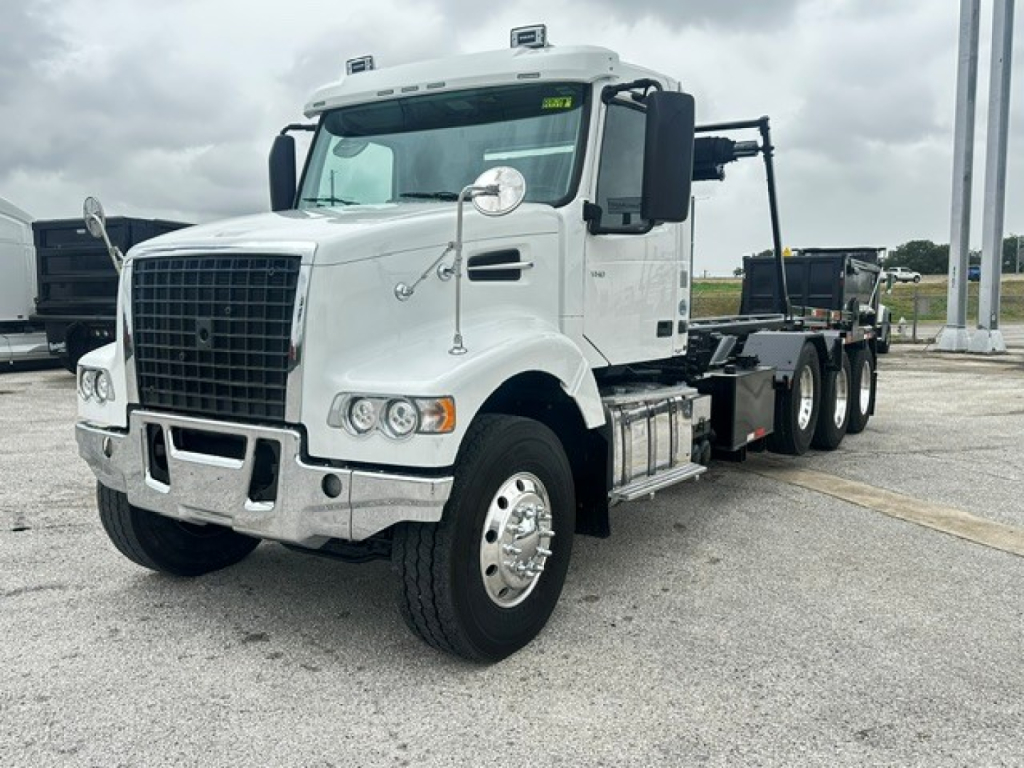
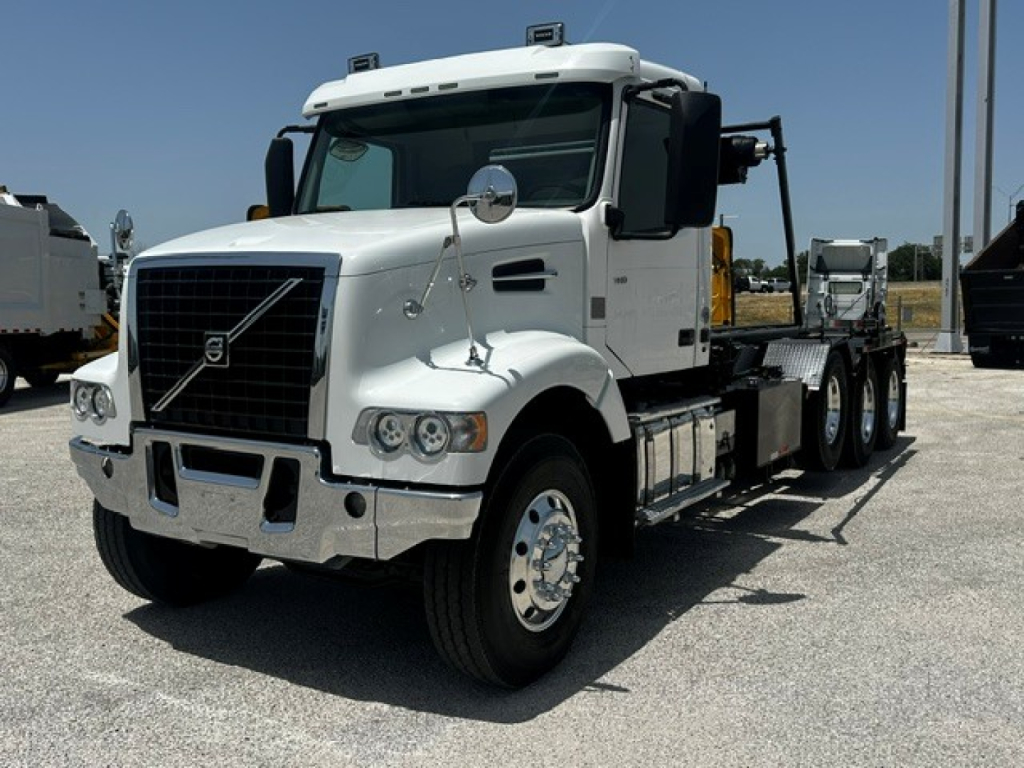
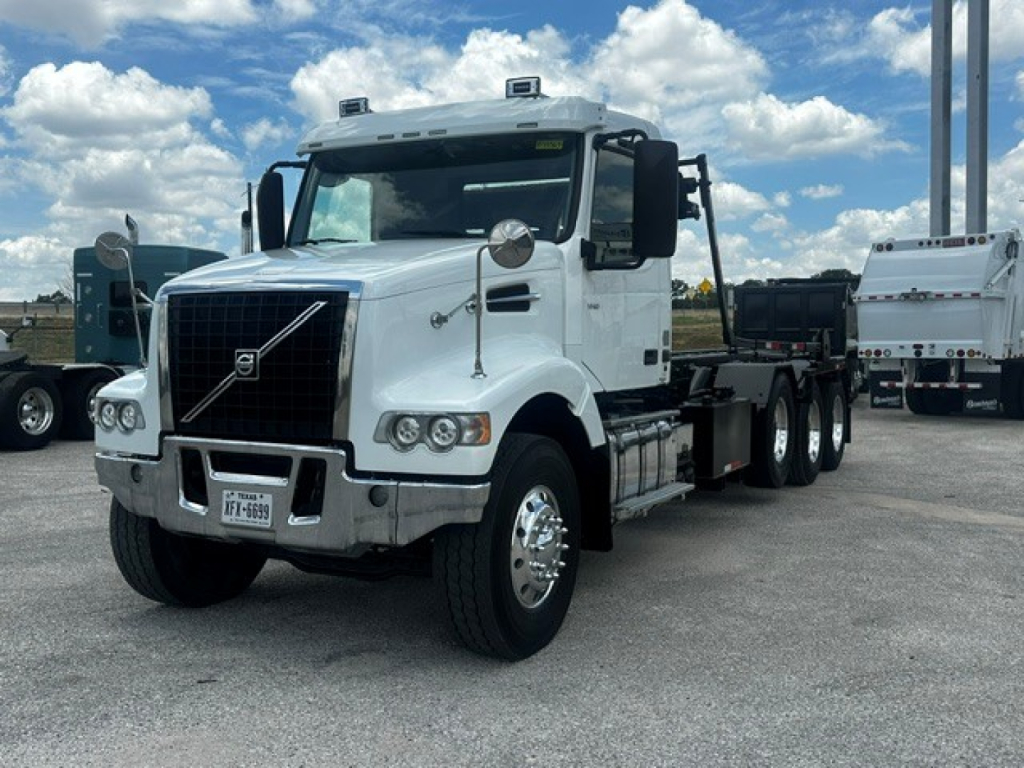
On a 2020 Volvo VHD rolloff, pay close attention to the engine and transmission combination, PTO compatibility, and frame specification. Many trucks in this class are equipped with Volvo D11 or D13 diesel engines paired with automated manual transmissions, though some fleets still prefer Allison automatic transmissions for stop-and-go routes. Important buyer checkpoints include double-frame or frame reinforcement specs, rear axle ratings, suspension type, hoist brand, cable or hook-lift style, and the condition of the hydraulic system. Rolloff trucks work under repeated load shock, so crossmember condition, hoist hinge points, cylinder mounts, and tail roller wear matter as much as the drivetrain.
Texas buyers should also evaluate the truck for the operating environment. Urban routes around Houston, Dallas-Fort Worth, Austin, and San Antonio can favor shorter wheelbases for tighter maneuvering, while oilfield, industrial, and transfer station work may call for heavier suspensions, locking differentials, and more aggressive rubber. Climate also matters. Heat, dust, and long idle cycles put extra importance on cooling system condition, DEF and emissions performance, and hydraulic hose integrity. If the truck will handle construction debris, scrap, or mixed waste, it is worth checking cab protection, tarping system setup, container rail compatibility, and any wear on the body saddles and rollers.
A 2020 model year can be attractive because it is modern enough to offer current safety and driver comfort features while still fitting many fleet replacement budgets better than a new unit. Volvo rolloff trucks are known for solid cab ergonomics, good visibility, and a vocational chassis that can be configured for demanding daily cycles. The best choice comes down to matching hoist capacity, wheelbase, axle rating, and drivetrain spec to the containers you run, the dump environment, and the weight profile of your loads. On a rolloff truck, a well-matched vocational spec usually matters more than low miles alone.
Frequently Asked Questions about 2020 Volvo Rolloff Trucks in Texas
What should I look for first on a 2020 Volvo rolloff truck?
Start with the chassis and hoist match. Confirm the axle configuration, GVWR, wheelbase, frame strength, and hoist rating fit the container sizes and material weights you plan to haul. After that, inspect PTO operation, hydraulic cylinders, hinge points, rollers, cable or hook equipment, and rear suspension condition. A rolloff truck lives under high stress, so vocational spec and structural condition are more important than cosmetic appearance.
Are 2020 Volvo VHD rolloff trucks a good fit for Texas operations?
Yes, the Volvo VHD is a strong fit for many Texas refuse, recycling, scrap, and construction applications because it offers a heavy-duty vocational chassis with good driver visibility and a wide range of axle and engine configurations. The right setup depends on where the truck will work. Dense city routes often benefit from a tighter wheelbase and easier maneuverability, while landfill, industrial, and oilfield-adjacent work may need heavier rear axle ratings, stronger suspension, and more off-pavement traction.
What engine and transmission specs are common on a 2020 Volvo rolloff truck?
Many 2020 Volvo rolloff trucks use Volvo D11 or D13 diesel engines. Transmissions often include Volvo automated manuals, though some trucks are built with Allison automatics for stop-and-go vocational use. The best choice depends on route type, driver preference, and PTO needs. Buyers should verify horsepower, torque, rear axle ratio, and transmission programming because those details affect launch performance, gradeability, fuel use, and body operation.
How do I know if a rolloff truck has the right hoist capacity?
Match the hoist rating to the heaviest containers and materials you expect to handle, not just the average load. Construction debris, scrap, concrete, and mixed waste can push a truck to its limits quickly. Check the hoist manufacturer, rated lifting capacity, container length compatibility, and whether the truck uses a cable hoist or hook-lift system. It is also smart to inspect the body rails, saddles, rollers, and hydraulic components because wear in those areas can affect safe operation even if the truck looks properly rated on paper.
Is mileage the most important factor when buying a used 2020 Volvo rolloff truck?
No. Mileage matters, but service history, idle hours, hydraulic condition, and frame integrity usually tell you more about a used rolloff truck's remaining value. A truck with higher miles but strong maintenance records, clean PTO engagement, solid frame rails, and a tight hoist can be a better buy than a lower-mile truck with structural wear or neglected hydraulics. On vocational equipment, operating history and application are critical.