
2020 Volvo Rolloff Trucks For Sale
Shop 2020 Volvo rolloff trucks for waste, scrap, and container hauling. Compare VHD specs, hoist capacity, axle ratings, and PTO setups.
Learn more
Have 2020 volvo rolloff truck to sell? List it here to reach thousands of buyers.
About 2020 Volvo Rolloff Trucks
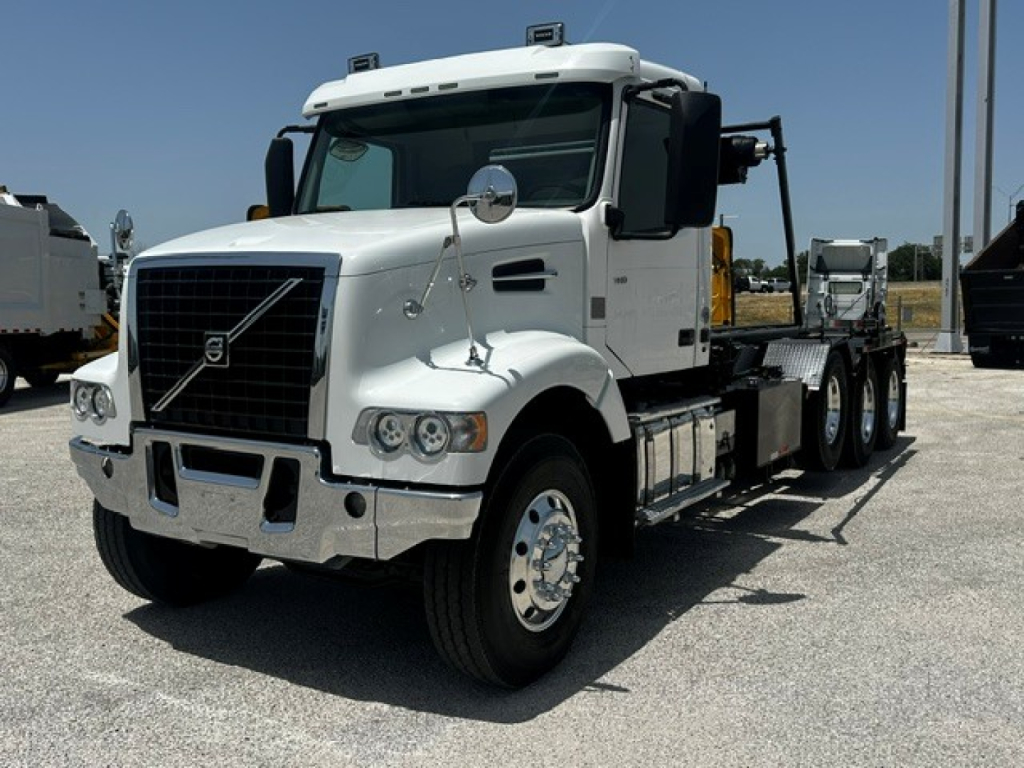
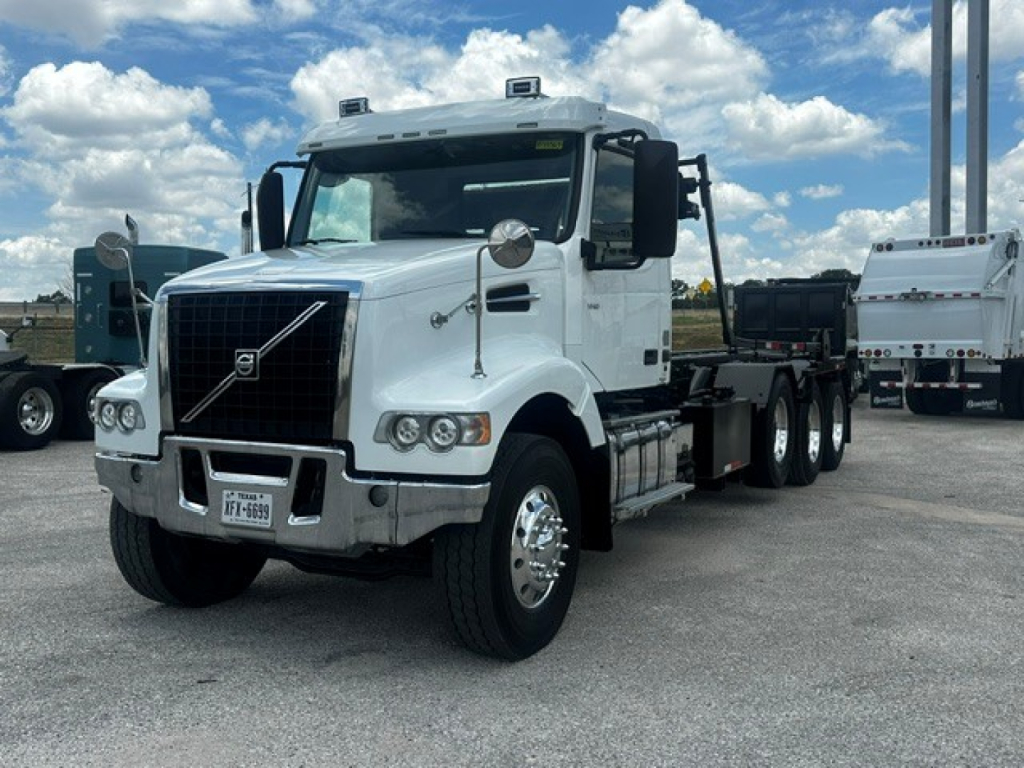
The key buying decisions usually start with axle configuration, wheelbase, and hoist rating. A typical 2020 Volvo VHD rolloff may be set up as a 6x4 with a set-forward or set-back front axle, tandem rears, and wheelbases sized to handle common container lengths without compromising bridge law compliance or turning radius. Buyers should match the truck to the boxes they actually run. Hoist capacity, cable or hook system design, inside rail width, and jib length all affect how well the truck handles packed debris, scrap, construction waste, or commercial refuse containers. It is also worth confirming PTO setup, hydraulic tank capacity, tarping system, and whether the body spec includes fendering, tool storage, and rear roller or container stop design suited to the application.
Powertrain spec is just as important as body equipment. Many 2020 Volvo vocational trucks were built with engines in the 11-liter class and automatic or automated transmissions that reduce fatigue in stop-and-go work. Allison automatics remain popular for rolloff duty because they deliver smooth engagement during spotting and loading, while Volvo I-Shift automated transmissions can be attractive for fleets prioritizing fuel economy and consistent shift logic. Pay attention to horsepower and torque ratings, rear axle ratios, suspension capacity, and differential locks. A rolloff truck that spends its day in landfills or uneven demolition access points needs different gearing and traction equipment than one moving lighter containers on paved suburban routes.
Condition matters beyond basic miles and hours. On a used 2020 Volvo rolloff, buyers should inspect frame rail integrity, hoist pins and bushings, hydraulic lines, PTO operation, crossmember condition, rear suspension wear, and signs of body twist from uneven loading. Cab condition, visibility around the body, and ease of ingress also matter because these trucks are worked hard and cycled often. For operators comparing several listings, the best value is usually the truck with the most application-correct spec, not simply the newest paint or lowest odometer reading. A properly spec'd Volvo rolloff can serve waste hauling, recycling, scrap, and construction cleanup operations for years with the right preventive maintenance and hydraulic system care.
Frequently Asked Questions
What should I look for first on a 2020 Volvo rolloff truck?
Start with the chassis and hoist match. Confirm axle ratings, wheelbase, and GVWR are appropriate for the containers and material you haul. Then verify hoist brand, rated capacity, cable or hook style, PTO configuration, hydraulic condition, and tarping equipment. On a vocational truck like a 2020 Volvo VHD, the right body and hydraulic spec will affect productivity more than cosmetic condition.
Is a Volvo VHD a good platform for rolloff applications?
Yes. The Volvo VHD is widely used in severe-service applications because it offers a strong vocational chassis, good visibility, durable frame options, and a cab that many drivers find easier to live with during repetitive stop-and-go work. In rolloff service, that combination helps on urban routes, scrap operations, construction debris work, and transfer station hauling where maneuverability and driver control are important.
Which transmission is better for a rolloff truck, Allison automatic or Volvo I-Shift?
It depends on the duty cycle. Allison automatics are a common choice for rolloff trucks because they provide smooth low-speed engagement and predictable operation during container spotting, loading, and backing. Volvo I-Shift automated transmissions can be a solid fit for fleets that want fuel efficiency and highway manners, especially if the truck sees a mix of route and road work. The best choice comes down to terrain, driver preference, payload profile, and how much low-speed cycling the truck sees each day.
How do I know if the hoist capacity is enough for my operation?
Match the hoist to your heaviest real-world containers, not your average loads. Dense scrap, demolition debris, roofing tear-off, and wet waste can exceed the practical limits of a lighter rolloff setup quickly. Review the hoist rating, container length compatibility, chassis axle capacity, and legal loaded weight together. A strong hoist on an underspec'd chassis is not enough, and a heavy chassis with the wrong rail or jib geometry can still create loading issues.
What are common wear points on a used rolloff truck?
Common wear points include hoist pins and bushings, hydraulic cylinders and hoses, PTO operation, rear rollers, container guides, suspension components, frame rail areas near body mounts, and driveline components exposed to repeated shock loads. Also inspect the cab for signs of heavy vocational use, and look closely at tire wear, brake condition, and any evidence of frame stress or body misalignment. These areas usually tell you more about the truck's working life than the odometer alone.