
2020 Volvo Trucks For Sale in Texas
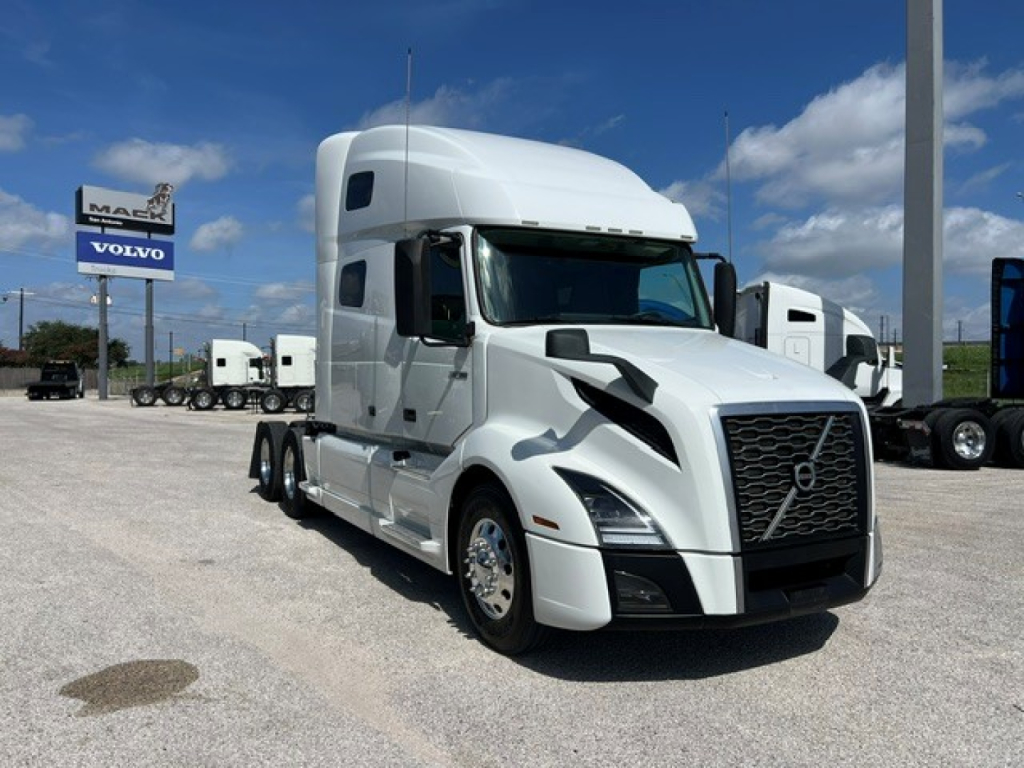

Have 2020 volvo truck to sell? List it here to reach thousands of buyers.
2020 Volvo Trucks in Texas
For most buyers, the key decision is application first, then axle and cab layout. A 2020 Volvo VNL sleeper is a practical fit for over-the-road use, team operations, or longer Texas runs where bunk space, storage, and ride quality affect retention as much as productivity. Day cab versions make sense for local and regional operations, port drayage, dedicated customer freight, and shorter turns. On the spec side, many 2020 Volvo trucks are set up as 6x4 tractors with tandem rears, air ride suspension, and highway gear ratios that balance launch performance with low cruise RPM. Wheelbase, fuel capacity, fifth wheel setup, and front axle rating deserve a close look because those details affect trailer compatibility, bridge compliance, maneuverability, and payload distribution.
The 2020 model year is also attractive because Volvo had already established a mature safety and efficiency package by this point. Buyers will commonly see collision mitigation, adaptive cruise control, lane departure warning, and integrated powertrain controls designed to keep the truck in its fuel-efficient operating range. Disc brakes may appear on some specs, while others will retain drum setups depending on original vocation and fleet preference. The I-Shift remains a major selling point in this category because it reduces driver fatigue, helps protect the driveline, and generally performs well in mixed terrain when matched with the right rear axle ratio. For fleets and owner-operators alike, service records, idle hours, emissions maintenance history, and software updates are just as important as engine rating.
Texas buyers should also pay attention to cooling performance, APU or idle-management setup, and overall sleeper HVAC condition, especially for trucks that have spent time on long southern routes. If the truck is intended for reefer, tanker, or heavier specialized freight, verify GCWR, suspension spec, and axle ratio rather than assuming all 2020 Volvo tractors are built the same. Volvo trucks from this year are known for a quiet cab, solid ergonomics, and efficient highway manners, but the right purchase still comes down to matching the spec to the lane. A well-matched 2020 Volvo can be a cost-effective platform for long-haul freight, regional service, or dedicated contract work with a good balance of comfort, efficiency, and resale appeal.
Frequently Asked Questions about 2020 Volvo Trucks in Texas
What are the most common 2020 Volvo truck models buyers look for in Texas?
The most common 2020 Volvo trucks in Texas are usually VNL series highway tractors, including day cabs and sleeper configurations. These trucks are widely used in long-haul, regional, dedicated, and drayage operations because they combine aerodynamic design, efficient powertrains, and strong driver comfort. Buyers may also find some vocational Volvo models, but the VNL is typically the core of the 2020 used Volvo market.
Is the Volvo D13 and I-Shift combination a good choice in a 2020 Volvo truck?
The Volvo D13 paired with the I-Shift automated transmission is one of the strongest reasons many buyers target a 2020 Volvo truck. This setup is well known for fuel efficiency, smooth shifting, and reduced driver fatigue compared with a manual transmission. It also helps standardize operation across multiple drivers and can reduce clutch-related wear, provided the truck has been maintained properly and the gearing matches the intended freight and terrain.
What should I check first on a used 2020 Volvo truck?
Start with engine hours, mileage, maintenance records, and emissions system history. Then verify the exact spec, including horsepower, torque rating, rear axle ratio, suspension type, wheelbase, and GVWR or GCWR. Buyers should also inspect tire wear patterns, brake condition, fifth wheel wear, sleeper and HVAC operation, and any signs of deferred maintenance. A diagnostic scan and service documentation are especially important on late-model trucks with advanced electronic and safety systems.
Are 2020 Volvo sleepers better than day cabs for Texas operations?
That depends on the freight lane and dispatch pattern. A sleeper is usually the better fit for long-haul and multi-day regional runs across Texas and surrounding states because it supports driver comfort, rest compliance, and onboard storage. A day cab is often the better business decision for local, port, or short regional work where lower weight, tighter maneuverability, and simpler spec requirements matter more than bunk space.
Do all 2020 Volvo trucks have the same fuel economy and safety features?
No. Fuel economy and safety content can vary significantly based on engine rating, rear axle ratio, tire spec, wheelbase, cab configuration, idle time, and the original fleet order. Some 2020 Volvo trucks are equipped with adaptive cruise control, collision mitigation, and lane support systems, while others are more basic. Fuel economy also depends heavily on the truck's duty cycle and spec, so it is important to compare trucks by application instead of model name alone.