
2003 Trucks For Sale
Explore 2003 trucks for sale. Pre-DPF simplicity, strong floors, sound insulation, low tare weight, and corrosion checks that protect payload and uptime.
Learn more
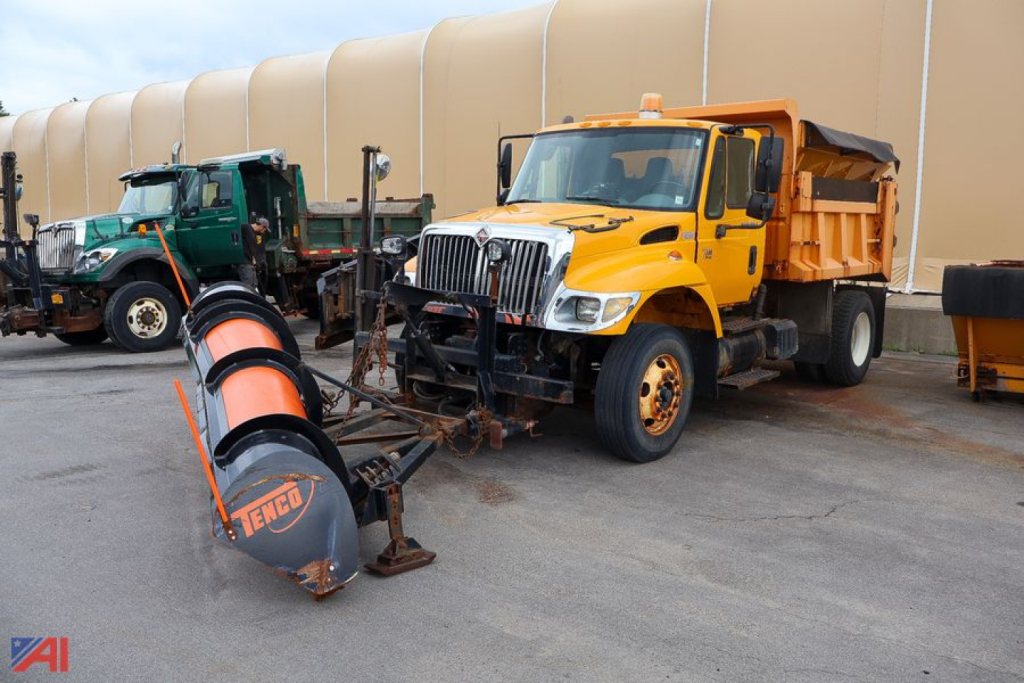
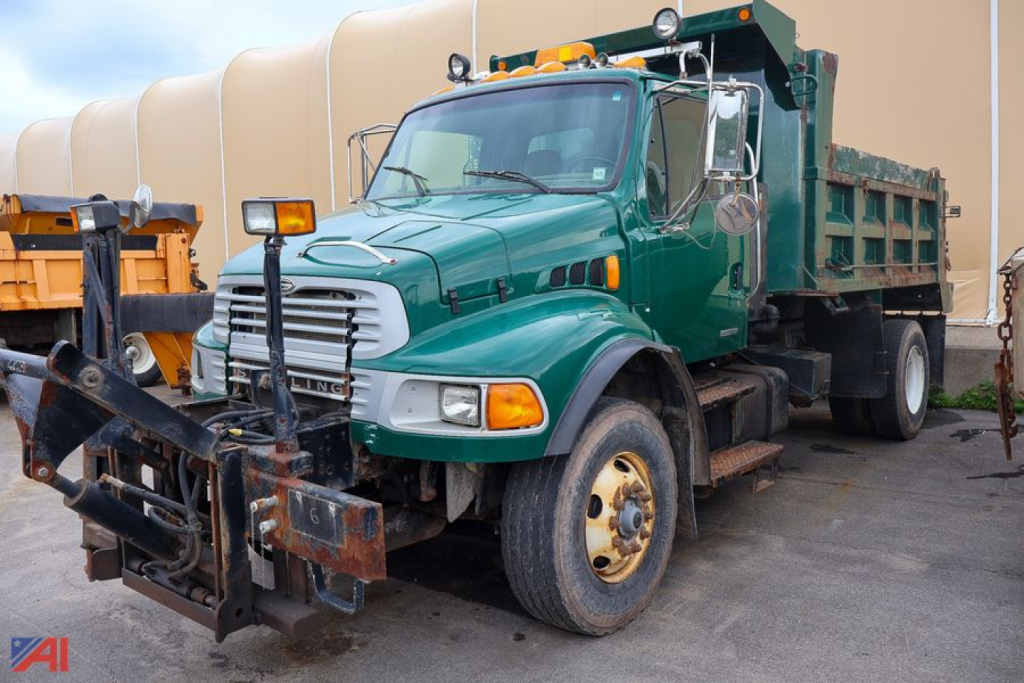
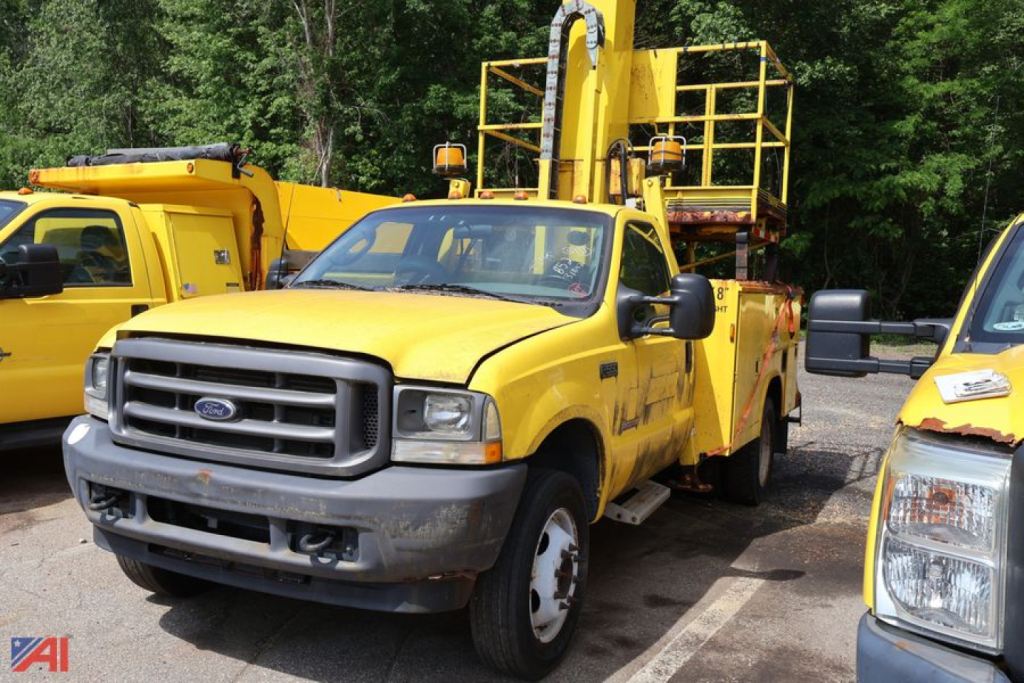

2003 Toyota Tacoma Pickup Truck

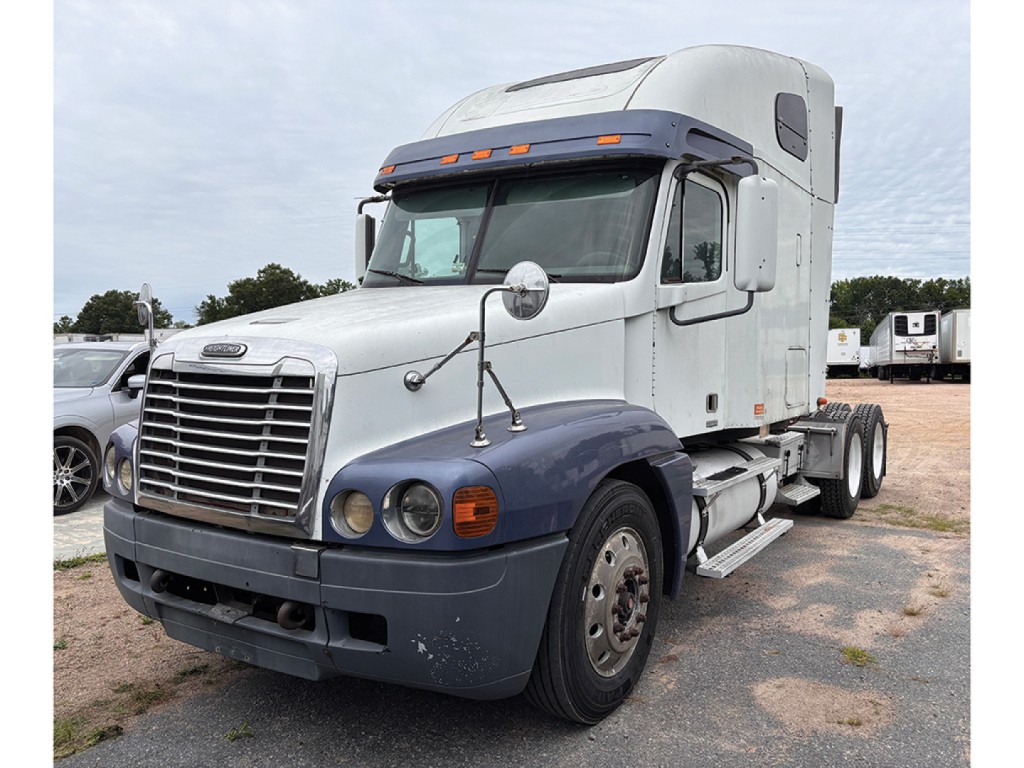
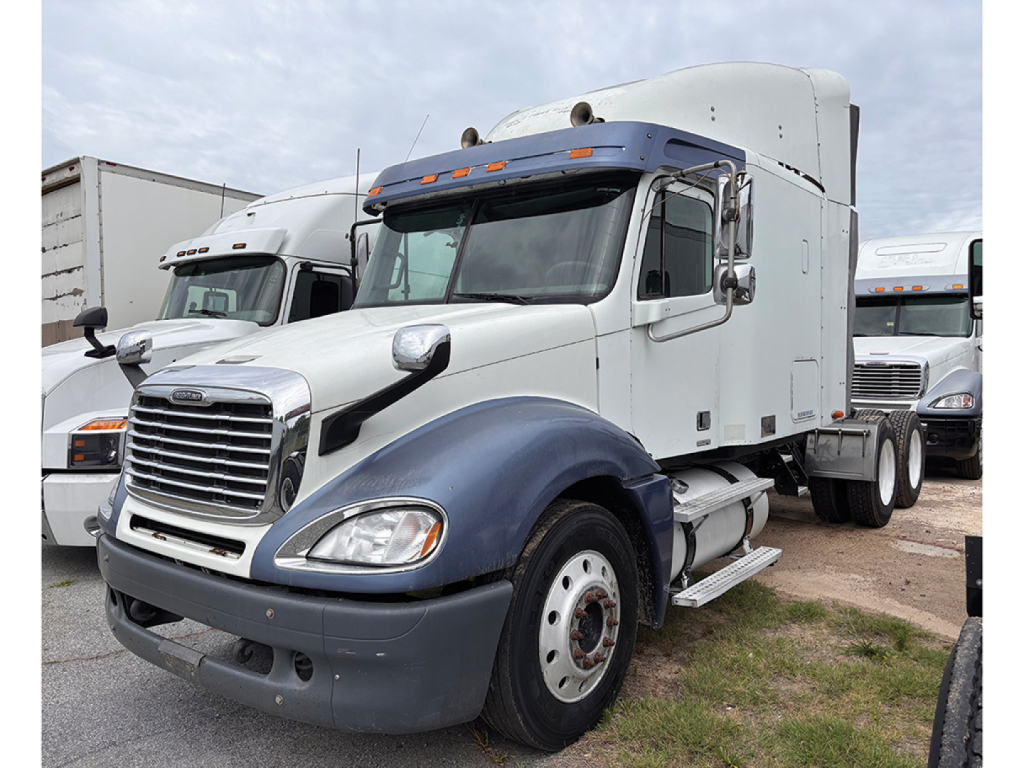

Showing 1 to 12 of 25 results
Have 2003 truck to sell? List it here to reach thousands of buyers.
About 2003 Trucks
Floor strength is critical on 2003 box trucks and reefer straight trucks. Look for apitong or oak hardwood plank floors, often 1.25 inch nominal, or aluminum plank or plate in heavier duty builds. Crossmember spacing at 12 inch centers resists point loads better than 16 inch spacing, especially under repeated 8K to 10K forklift axle loads. A full width rear threshold and intact sill plates prevent dock impact damage that leads to cracked welds and floor punch-throughs. Interior protection such as 12 inch or 24 inch scuff liners and logistics posts or e-track reduces wall damage that can migrate to the floor. Stronger floors add some weight, so balance crossmember density and material against required forklift ratings and payload targets.
Thermal integrity matters on 2003 reefer boxes and insulated van bodies. Closed-cell foam insulation with proper vapor barriers preserves R-value and keeps reefer unit runtime down, which saves fuel and reduces noise. Inspect roof seams, corner caps, and door frames for seal failures that cause moisture intrusion. Waterlogged foam increases tare weight and erodes temperature hold, especially at deep-freeze setpoints. T-floor aluminum with unobstructed drain channels promotes airflow and uniform box temperatures, but check for bent deck sections and clogged drains that create hot spots. Door gaskets, sill wear, and hardware alignment are small components that make a big difference in pull-down times and product protection.
Corrosion resistance separates average 2003 trucks from long-lived assets. Painted steel frame rails with epoxy primer or factory wax coatings hold up if maintained, but watch for rust jacking at suspension hangers, crossmember connections, fifth wheel brackets, and cab mounts. Aluminum cabs and van bodies resist rust yet can suffer galvanic corrosion at dissimilar metal joints and rivet lines, especially where road salts accumulate. Examine van body lower rails, rear frame, and floor fasteners, plus reefer floor sills for pitting. Older wiring looms and grounds need attention in humid or salt-belt service. Automatic tire inflation systems were uncommon in 2003, so tire care and TPMS add-ons help protect rolling resistance and payload. Always verify scale weight with full fuel and typical gear to confirm the real tare, then match GVWR, axle ratings, and wheelbase to your routes and bridge needs.
Frequently Asked Questions
What engines and transmissions are common on 2003 trucks, and what are the trade-offs?
Typical 2003 powertrains include Detroit Series 60 12.7 or 14.0, CAT C15 and C12, and Cummins ISX CM870 or ISM, paired with Eaton Fuller 10, 13, or 18 speed manuals on road tractors and Allison automatics on many medium duty and vocational units. The main upside is no DPF or DEF, which reduces complexity and tare weight. Some engines introduced cooled EGR, which can add heat load and soot to the intake path, so cooling system condition and EGR cooler history matter. Fuel economy is competitive for the era, and reman support is strong, but expect age-related needs like sensors, wiring, and accessory drives.
How do I evaluate floor strength on a 2003 box or reefer truck?
Start with crossmember spacing and floor material. Twelve inch crossmember centers with apitong or oak plank, or aluminum plank or plate floors, handle repeated forklift traffic better than wider spacing. Check for published forklift axle ratings, commonly 8,000 to 10,000 pounds, and inspect rear thresholds and sill plates for dock impact cracks. Look along fastener rows for rust streaking or pulled heads, and verify scuff liners, logistics posts, and e-track are intact so wall damage does not transfer into the floor. Any soft spots, delamination, or corrosion at the rear bay suggests repairs or reinforcement may be needed.
How can I assess the thermal integrity of a 2003 reefer body?
Inspect wall, roof, and floor for moisture intrusion and seam failures. Closed-cell foam with intact vapor barriers maintains R-value, while wet foam adds weight and weakens hold times. Check door gasket compression, hinge and lock alignment, and the rear sill for gaps that leak air. T-floor sections should be straight with clear drain channels to maintain airflow. A simple hold test, pre-cool to setpoint then monitor return air and reefer runtime, will reveal insulation performance. Review any repair history for panel replacements, patchwork at stake pockets, or roof cap reseals that affect the vapor barrier.
How does tare weight on a 2003 truck affect payload, and what are typical ranges?
Lower tare weight increases available payload within axle ratings and GVWR. Many 2003 tandem day cabs fall around the mid 16,000 to upper 18,000 pound range depending on wheelbase, fuel capacity, aluminum versus steel wheels, and suspension. Sleeper tractors often run 17,500 to 19,500 pounds with cabinets and fairings. Medium duty 26,000 GVWR van bodies can land near 14,000 to 18,000 pounds depending on body length, floor spec, and liftgate. Older reefers with wet insulation can gain several hundred pounds, so a current scale ticket with full fuel is the best verification.
Where are the common corrosion hotspots on 2003 chassis and bodies?
Focus on suspension hangers, frame kick-up areas, crossmember connections, fifth wheel brackets, and cab mounts for rust jacking or pitting. On van and reefer bodies, check lower side rails, rear frame, door frames, and floor fasteners. Look for galvanic corrosion at aluminum panels with steel or stainless hardware, particularly around rivet lines and stake pockets. Air tanks, battery boxes, exhaust shields, and steps also collect road salt. Proper coatings, drain paths, and timely fastener replacement help extend service life in high-corrosion regions.