
2003 International Trucks For Sale
Compare 2003 International trucks for sale by engine, frame, tare weight, and body specs to match payload, reliability, and total operating cost.
Learn more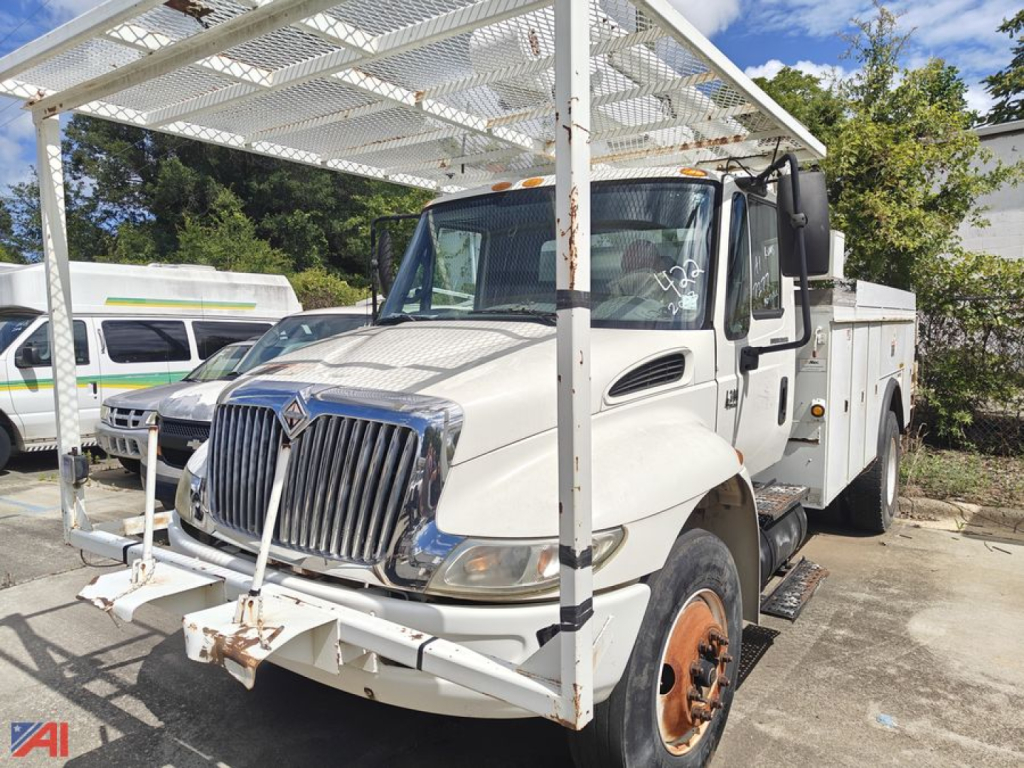
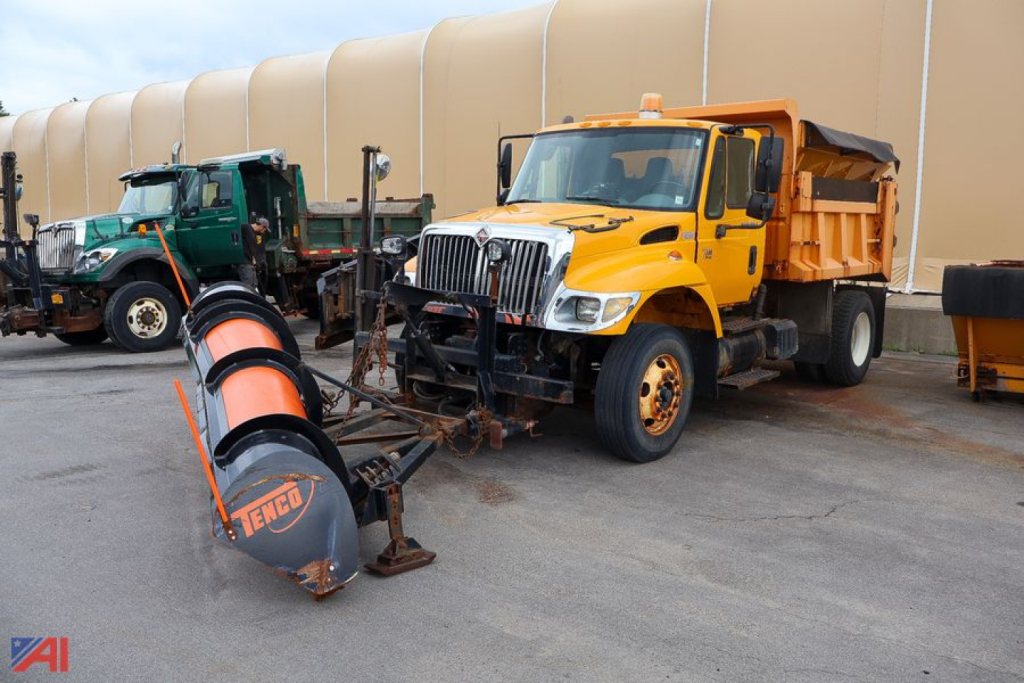

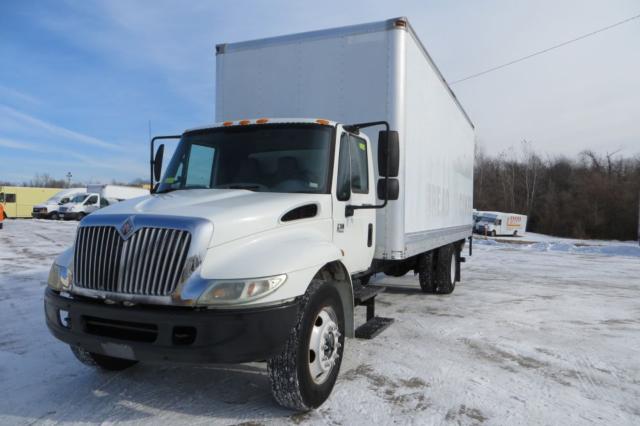
Have 2003 international truck to sell? List it here to reach thousands of buyers.
About 2003 International Trucks
Powertrain choices in this year range are proven. Medium duty units commonly run the DT466E or DT530 with HEUI injection, while tractors and vocational chassis may carry Cummins ISM or ISX and Caterpillar C12 or C15. These are pre-DPF and pre-DEF engines, some Cummins and International calibrations use early EGR depending on build date, so there is less emissions hardware than 2007 and newer. The trade off is age related wear, look for documented inframe work on high mile Cats and Cummins, clean oil analysis, steady blowby, healthy cold starts, and injector or HPOP work on DT466E. Eaton Fuller 9, 10, and 13 speed manuals are common and light, Allison 2000 or 3000 series automatics simplify urban duty but add weight and heat; match rear axle ratios to route speed to keep the engine in the sweet spot for fuel economy and drivability.
Chassis durability depends on frame rail thickness, crossmember spacing, and suspension choice. International air ride and Hendrickson or Reyco suspensions ride well and protect cargo, heavy vocational specs with walking beam deliver traction and stability but add unsprung weight and can be harsher on components. Inspect frame flanges for scaling and prior drill holes, torque rods and bushings for play, spring hangers for cracking, and cab mounts for sag. International cabs are steel, check cab corners, door bottoms, windshield pinch welds, battery boxes, and step assemblies for corrosion. Aluminum tanks and wheels improve corrosion resistance and reduce tare, stainless straps and hardware help in northern fleets.
Many 2003 units are straight trucks with dry van or reefer bodies. For dry vans, confirm floor strength with a forklift rating, laminated hardwood or heavy duty aluminum plank floors with 12 to 24 inch scuff liners resist dock abuse. Logistics posts or e track keep freight off the walls. For reefers, thermal integrity drives uptime and fuel spend; inspect the liner for cracks, foam for water intrusion, door seals and thresholds for compression set, and take a pull down test to confirm box tightness and unit capacity. Thermo King SB series and Carrier Supra units from this era are serviceable if hours are reasonable and maintenance is recorded. A tight box paired with a well geared chassis keeps product cold, customers happy, and operating costs predictable.
Frequently Asked Questions
Which engines are common in 2003 International trucks and what are the trade offs?
Typical engines include International DT466E or DT530 in medium duty, and Cummins ISM or ISX plus Caterpillar C12 or C15 in tractors and vocational chassis. These engines avoid DPF and DEF, some builds use early EGR. The advantage is simpler aftertreatment and generally lower parts cost, the trade off is age related wear. For DT466E, look for injector, high pressure oil, IPR and ICP service history. For Cummins and Cat, verify inframe records, inspect for coolant or fuel in oil, check turbo and charge air system integrity, and review ECM history for fault trends.
Are 2003 International trucks considered pre emissions and how does that affect operating cost?
They are pre DPF and pre DEF, which eliminates the cost and downtime of particulate filters and SCR systems. Some engines built to the October 2002 EPA standard use cooled EGR, which adds valves and coolers to maintain. Overall, maintenance is focused on core engine and chassis items instead of aftertreatment, parts are widely available, and many independent shops are comfortable with these platforms, which can reduce operating cost if the base engine is healthy.
What tare weight should I expect and how does it impact payload?
A 4300 or 4400 24 to 26 foot dry van typically scales around 14,000 to 18,000 pounds depending on body, liftgate, and fuel capacity, while a 9200i daycab tractor often lands around 16,500 to 18,500 pounds and a mid roof sleeper can exceed 19,000. Aluminum wheels and tanks, daycab layouts, and shorter wheelbases cut weight; steel wheels, larger sleepers, and reefer bodies add weight. Lower tare means more legal payload, better brake life, and potentially lower fuel burn on stop start routes.
How should I evaluate frame and cab corrosion on a 2003 International?
Start with the frame flanges and web for scaling, pitting around suspension hangers, and evidence of previous drill holes. Look at crossmembers near the transmission and rear suspension for cracking. On the cab, check corners, door bottoms, windshield channel, battery box, and steps. Surface rust is common and manageable, deep pitting near critical fasteners or active perforation is a red flag. Stainless hardware, aluminum wheels, and intact undercoating are positives for corrosion resistance.
What should I check on 2003 reefer and dry van straight trucks to verify floor strength and thermal integrity?
Confirm the floor construction and forklift rating on the body data plate, heavy laminated hardwood or aluminum plank floors with 12 to 24 inch scuff liners handle dock plates and pallet jacks. Inspect for broken crossmembers and pulled fasteners at the rear threshold. For reefers, examine liner panels for cracks, foam for water intrusion, and door seals for uniform compression. Review the reefer unit service history and total hours, then perform a pull down test from ambient to setpoint and inspect for uniform temperature and rapid recovery after door cycles.