
2003 Sterling Trucks For Sale
Browse 2003 Sterling trucks for sale, including vocational and on-road models with Caterpillar or Cummins power and medium to heavy-duty specs.
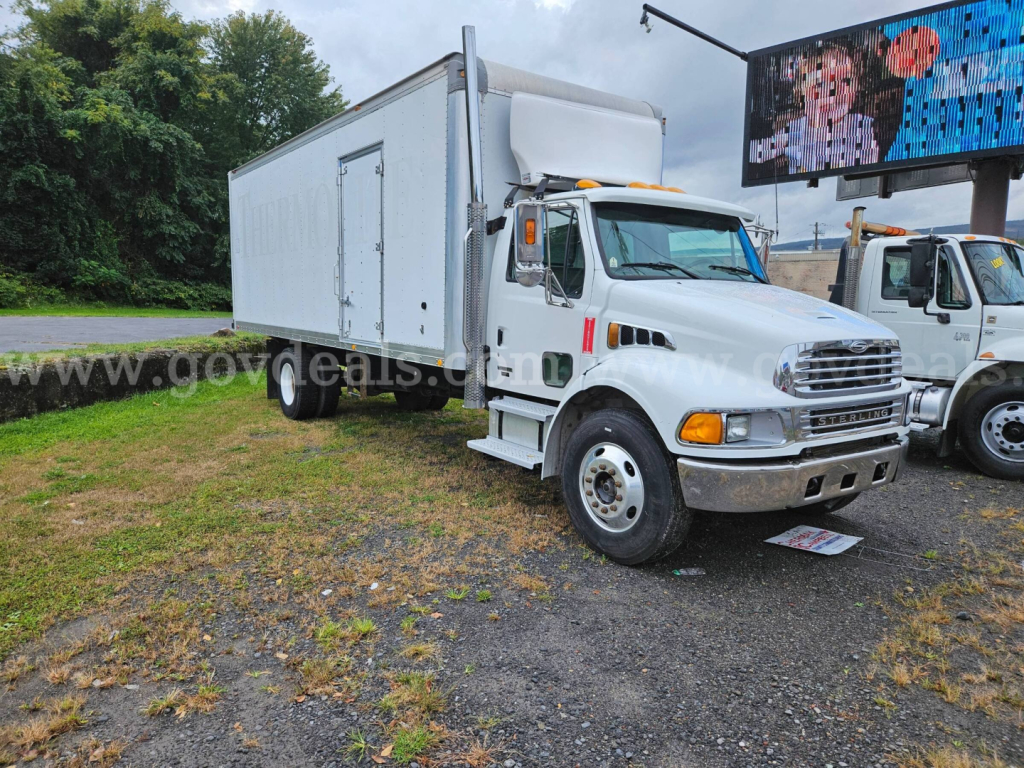
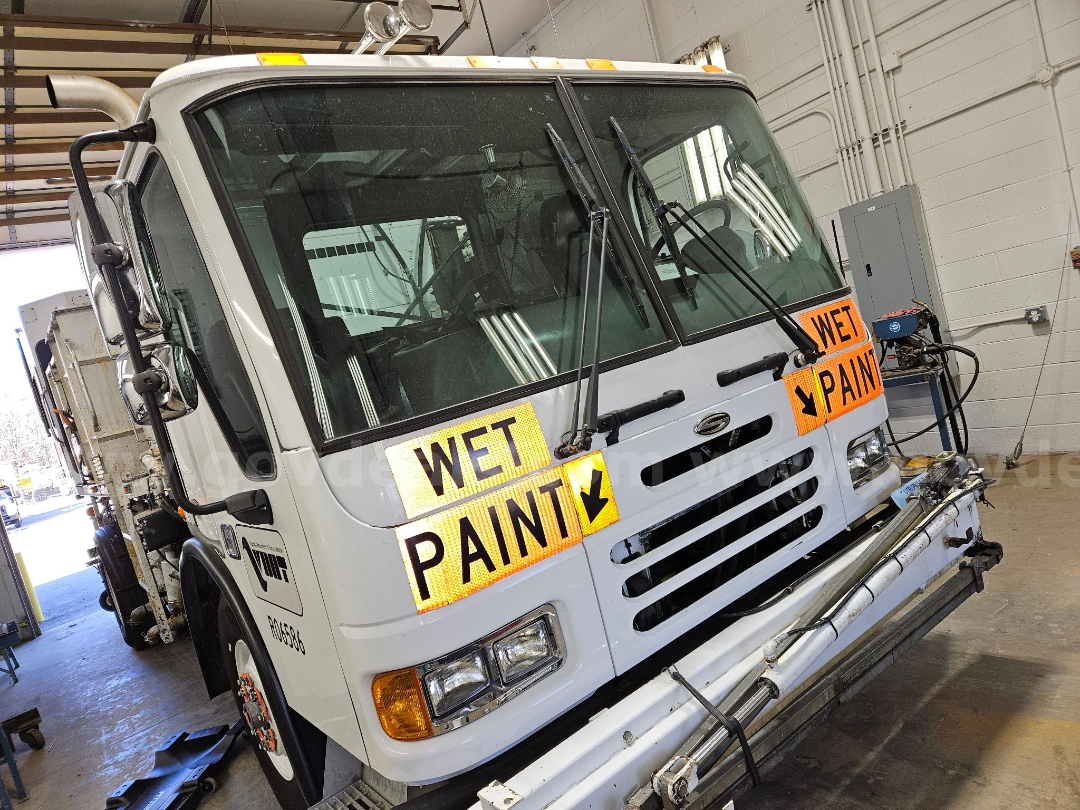
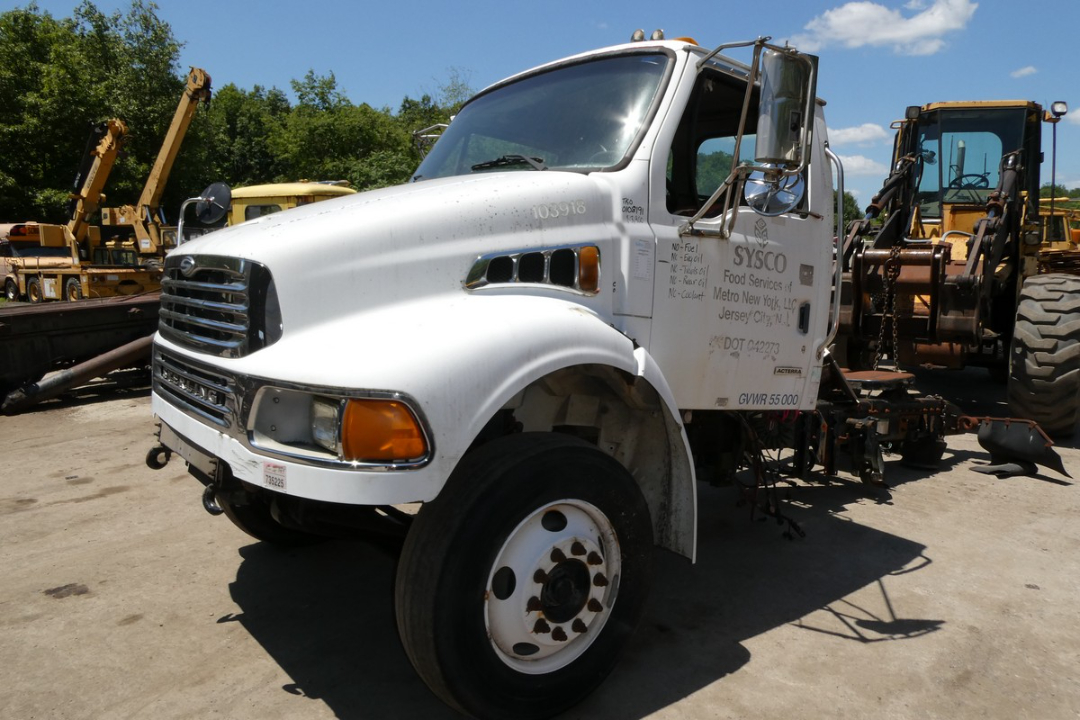
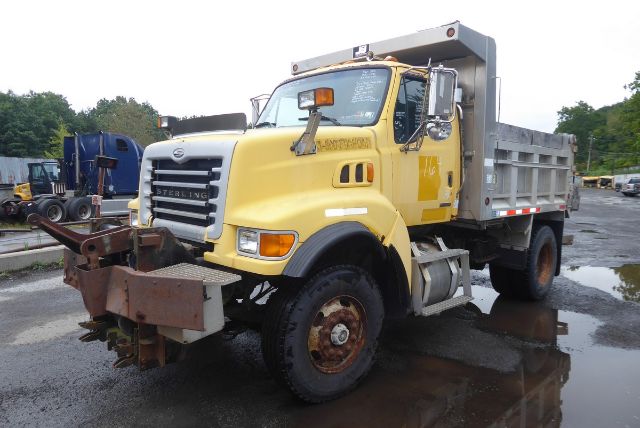
Have 2003 sterling truck to sell? List it here to reach thousands of buyers.
2003 Sterling Trucks
The most important buying decision on a 2003 Sterling truck is not just the badge or model designation. It is the original vocation and how the truck was equipped. A Sterling dump truck from this year may include a wet kit, PTO, front plow hydraulics, spreader controls, or an aluminum dump body, which can make a major difference in real jobsite value. A day cab or chassis truck may carry a stationary fifth wheel, specific cab-to-axle dimensions, or a single-frame setup suited to body installation or regional hauling. Wheelbase, axle rating, rear ratio, and transmission choice all matter because they determine how the truck will perform under load, in stop-and-go municipal work, or on secondary roads where gearing and suspension are more noticeable than raw horsepower.
Sterling trucks from 2003 are often attractive to buyers who want a durable vocational platform with serviceable components and familiar driveline options. Engines in this age group are commonly in the 200 to 300 hp range for medium-duty vocational use, and many trucks were built with Rockwell rear ends, hub-piloted steel wheels, air brakes, and conventional cabs that are easy to upfit or maintain. For dump, plow, or specialty body applications, buyers should pay close attention to hydraulic system condition, cylinder seepage, PTO engagement, body floor and sidewall wear, and any corrosion around hoists, crossmembers, and frame rails. On road-service or municipal units, hours can be just as important as miles because a truck may have spent long periods idling while operating auxiliary equipment.
A 2003 Sterling can still be a practical buy if the spec matches the work. The value is usually in the chassis layout, drivetrain simplicity, and vocational equipment already installed. Review engine hours, maintenance records, brake type, suspension rating, and any body-specific systems before comparing listings. On older Sterling trucks, condition and configuration usually outweigh odometer reading alone, especially when the truck was built for seasonal work, local fleets, or specialty municipal service.
Frequently Asked Questions about 2003 Sterling Trucks
What should I look for first when buying a 2003 Sterling truck?
Start with the truck's application and spec sheet, not just mileage. On a 2003 Sterling, the key items are engine make and horsepower, transmission type, axle rating, rear ratio, wheelbase, suspension, brake system, and any vocational equipment such as a dump body, PTO, wet kit, plow hydraulics, or specialty service body. Older vocational trucks can have relatively low mileage but high idle hours, so maintenance history, frame condition, hydraulic performance, and evidence of rust or body fatigue are often more important than the odometer alone.
Are 2003 Sterling trucks mainly medium-duty or heavy-duty trucks?
They can be either, depending on the model and configuration. Many 2003 Sterling trucks on the market fall into the medium-duty to severe-service vocational range, especially single-axle dump trucks, municipal units, and chassis set up for specialized equipment. GVWRs commonly land in the mid-30,000 lb class for vocational models, but Sterling also built heavier highway and tandem-axle platforms. The model designation, axle setup, and chassis spec will tell you more than the year by itself.
What engines and transmissions are common in 2003 Sterling trucks?
Caterpillar and Cummins diesel engines are common in 2003 Sterling trucks, especially in vocational applications. Buyers will also frequently see Allison automatic transmissions on municipal, utility, and specialty body trucks, while Fuller manual transmissions are common on dump and work-truck specs where direct driver control and simpler serviceability are preferred. The right combination depends on use. Automatic transmissions are often favored for stop-and-go work, while manual transmissions may be preferred for certain hauling or off-road jobsite applications.
Is mileage the best way to judge a 2003 Sterling truck?
No. Mileage helps, but it is only one part of the picture on a 2003 Sterling. Many trucks from this category were used in municipal, plow, striping, dump, or stationary PTO service, which means engine hours, idle time, hydraulic use, and seasonal corrosion exposure can matter just as much. A lower-mile truck with neglected hydraulics, rust, or worn suspension can be a weaker buy than a higher-mile truck with documented service and a clean chassis.
Why are vocational features so important on used 2003 Sterling trucks?
Vocational features can add or subtract significant real-world value because they determine how quickly the truck can go to work. A 2003 Sterling with a functioning PTO, wetline, plow setup, spreader controls, dump hoist, or specialty body may save substantial upfit cost compared with a bare chassis. At the same time, those systems must be inspected closely for leaks, corrosion, wiring issues, and worn components. On older work trucks, the installed equipment is often as important as the engine and transmission.