
2003 Ford Trucks For Sale
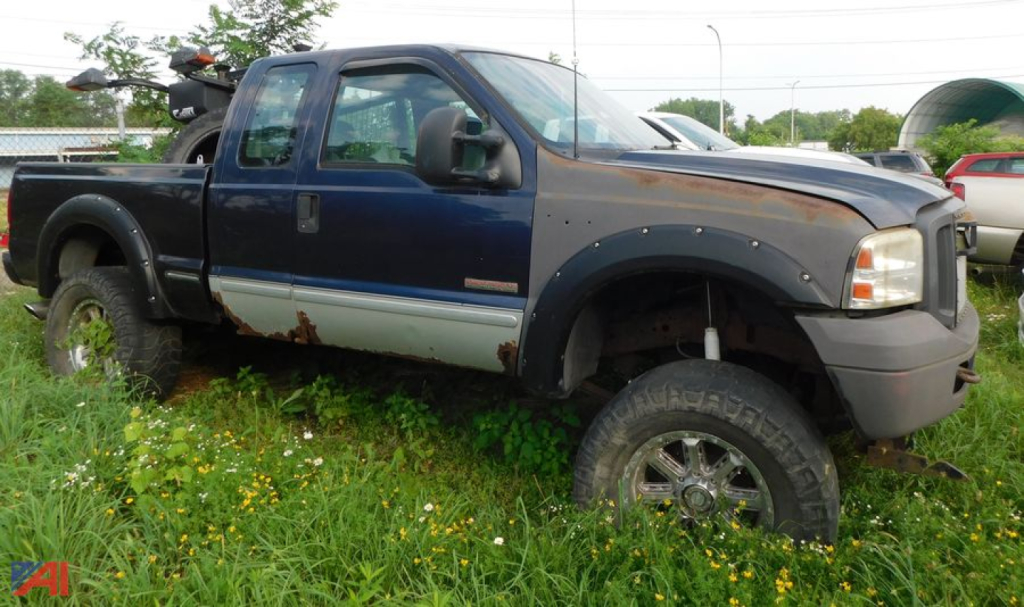
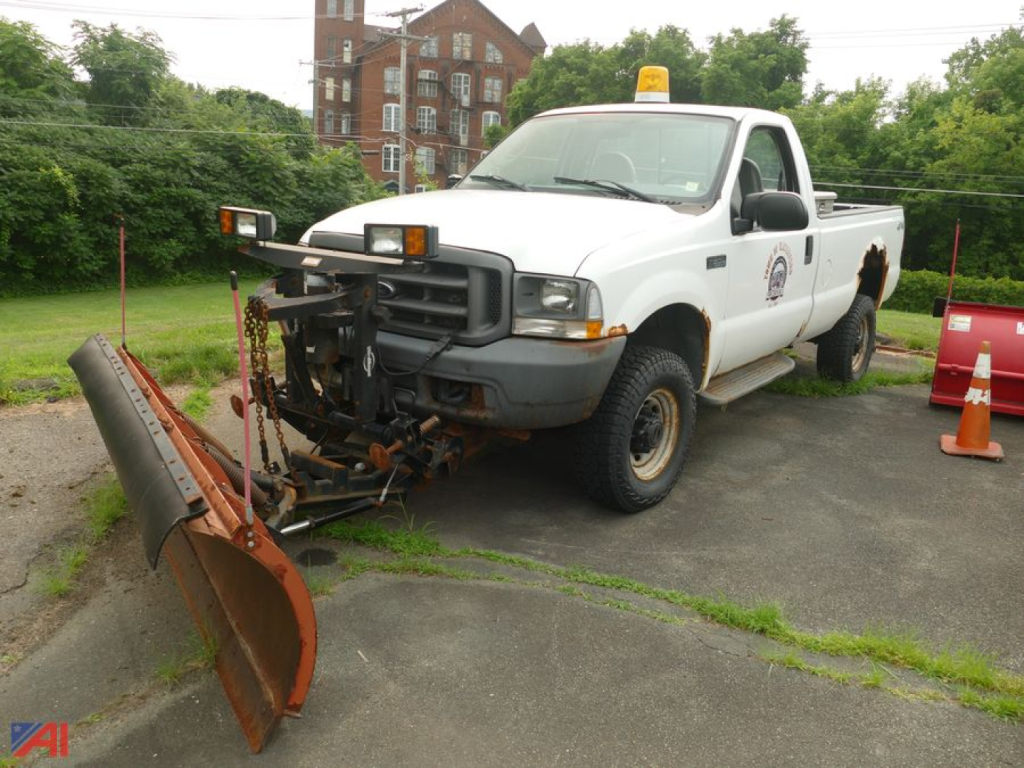
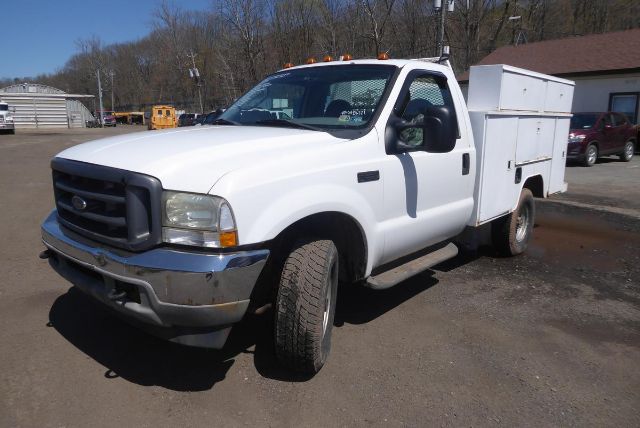
Have 2003 ford truck to sell? List it here to reach thousands of buyers.
2003 Ford Trucks
Powertrain choice matters on a 2003 Ford truck more than almost any other factor. Buyers commonly look for the 5.4L gas V8, 6.8L V10, or 7.3L Power Stroke diesel, depending on the GVWR and intended use. The 7.3L diesel remains popular for its long service reputation and strong low-end torque, especially in towing and contractor applications. The V10 gas engine is also common in dump, plow, and municipal service because it delivers solid power without diesel-specific maintenance costs. Transmission condition, service history, axle ratio, four-wheel-drive operation, and PTO compatibility are worth checking closely, particularly on trucks that have spent time in snow, utility, or stop-and-go fleet service.
Body style and wheelbase are just as important as engine choice. A regular cab with a shorter wheelbase works well for plow, landscape, and municipal use where maneuverability matters. SuperCab and crew cab layouts add passenger room for crews but reduce available body space unless you move to a longer chassis. On cab and chassis versions, buyers should confirm frame condition, cab-to-axle length, and whether the truck was originally spec'd for the body type they plan to run. For dump and equipment hauling applications, look at spring capacity, brake condition, hitch setup, and whether the truck has trailer brake controls, snow plow prep, or auxiliary electrical provisions.
Condition on a 2003 model is all about prior use and maintenance discipline. Rust in the cab corners, rocker panels, bed supports, and frame should be evaluated carefully, especially on northern trucks. On older vocational units, hydraulic systems, hoists, wiring for lights or spreaders, and front end wear can tell you more than the odometer alone. A well-kept 2003 Ford truck still makes sense for farms, contractors, municipalities, utility crews, and owner-operators who need a straightforward work platform with widely available parts and familiar service requirements.
Frequently Asked Questions about 2003 Ford Trucks
What are the most common 2003 Ford truck models used for commercial work?
The most common commercial 2003 Ford trucks are the Super Duty models, especially the F-250, F-350, F-450, and F-550. These trucks were sold in pickup and cab and chassis form, which made them suitable for dump bodies, flatbeds, utility bodies, service bodies, and towing setups. The right model depends mainly on required GVWR, body weight, trailer weight, and whether the truck needs to carry crews or specialized equipment.
Is the 7.3L Power Stroke the preferred engine in a 2003 Ford truck?
For many buyers, the 7.3L Power Stroke is the most desirable engine in a 2003 Ford truck because of its durability, torque output, and long-established service record. That said, the best engine depends on the job. The 6.8L V10 is often a strong fit for plow work, local hauling, and seasonal use where a gas engine may be simpler to maintain. Buyers should evaluate maintenance records, cold-start behavior, oil and coolant condition, and transmission performance before focusing on engine reputation alone.
What should I inspect first on a used 2003 Ford work truck?
Start with the frame, cab rust, suspension wear, and drivetrain condition. On vocational trucks, inspect the body or upfit just as closely as the chassis. Dump hoists, PTO operation, hydraulic lines, wiring, plow mounts, trailer brake systems, and body attachment points can be expensive to correct if they were neglected. Tire wear, steering play, brake feel, and any signs of overloading or poor repairs should also be part of the initial inspection.
Are 2003 Ford cab and chassis trucks a good choice for upfitting?
A 2003 Ford cab and chassis can still be a practical upfit platform if the frame is straight, the wheelbase matches the intended body, and the truck has the right axle and suspension ratings. Many buyers use these trucks for flatbeds, service bodies, contractor bodies, and small dumps. Before buying, confirm cab-to-axle measurement, rear axle rating, brake condition, and whether the existing electrical and fuel system layout will support the new body installation.
Should I choose single rear wheel or dual rear wheel on a 2003 Ford truck?
Single rear wheel trucks are usually easier to maneuver, lighter, and better suited to general pickup use or lighter service work. Dual rear wheel trucks provide better stability under load and are generally the better option for heavier towing, dump bodies, service bodies, and other commercial upfits. The choice should be based on payload, trailer tongue weight, body type, and how often the truck will operate at or near its rated capacity.